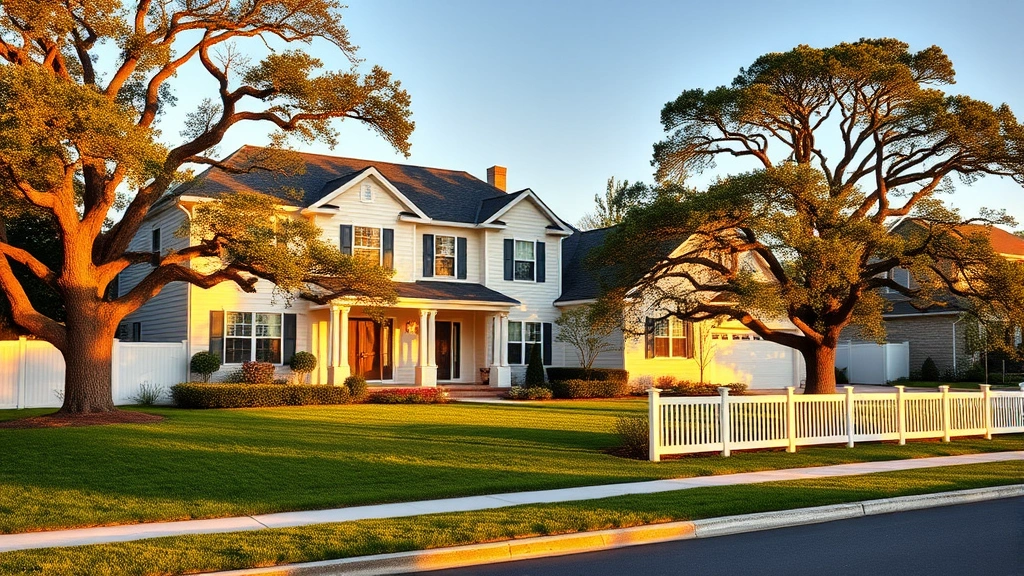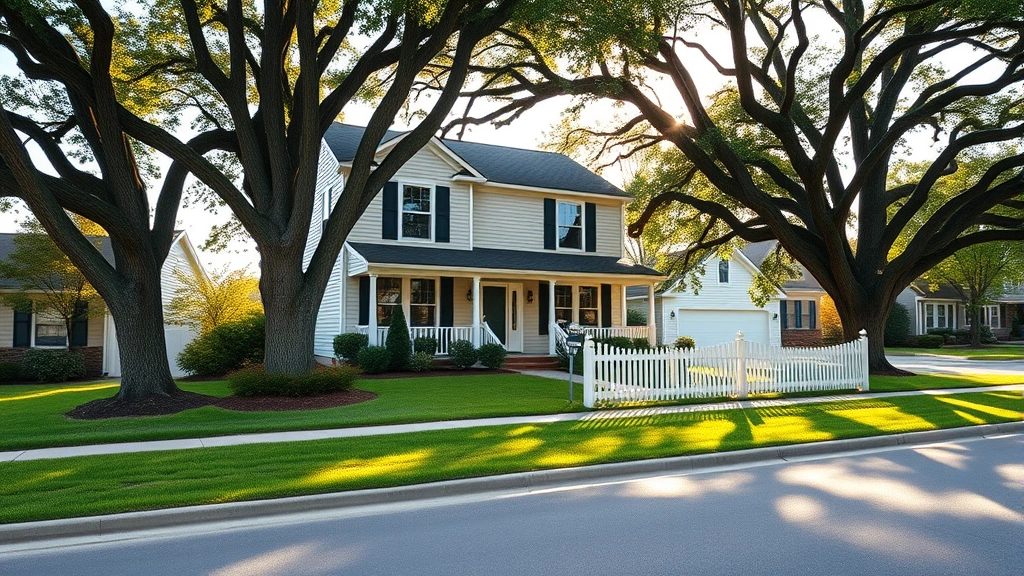
Dearborn, Michigan offers a diverse real estate market with something for every buyer. Whether you’re searching for modern houses for sale, historic properties, or affordable starter homes, Dearborn’s neighborhoods provide excellent opportunities in the greater Detroit metropolitan area. This comprehensive guide explores the best houses currently on the market, neighborhood insights, and what makes Dearborn an attractive destination for homebuyers.
Located in Wayne County, Dearborn is home to the Ford Motor Company headquarters and boasts a rich automotive heritage. The city spans approximately 24 square miles and features a population of around 95,000 residents. Known for its strong sense of community, excellent schools, and convenient access to major highways, Dearborn attracts families, professionals, and investors seeking quality homes at competitive prices compared to surrounding areas.
Neighborhood Overview and Market Dynamics
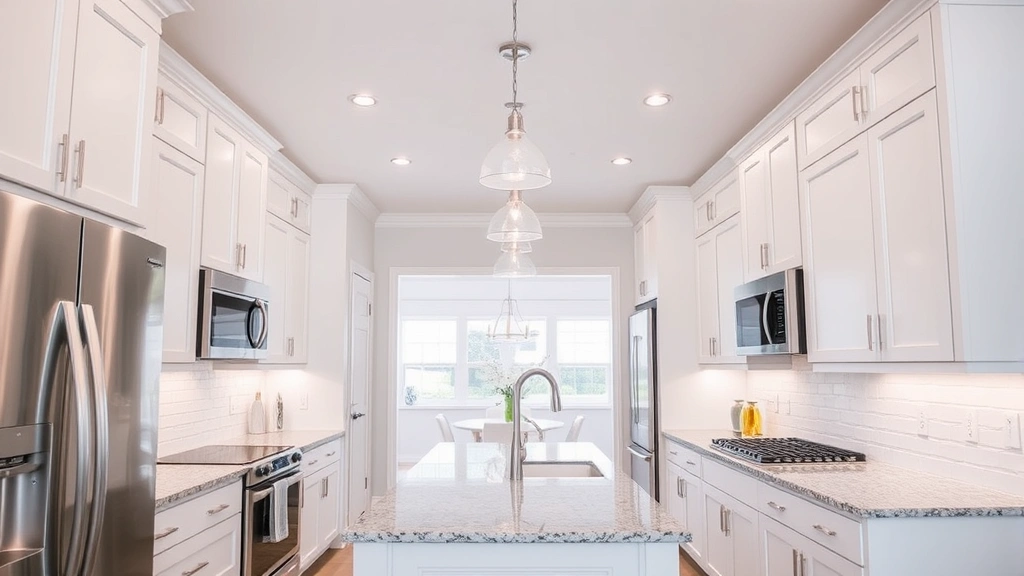
Dearborn’s real estate market reflects the broader Michigan housing landscape while maintaining its own unique characteristics. The city offers a mix of architectural styles ranging from early 20th-century bungalows to contemporary designs. Properties here typically feature larger lots compared to urban Detroit neighborhoods, providing families with outdoor space and privacy while maintaining walkable communities.
The market has demonstrated resilience with steady appreciation over the past five years. According to Zillow’s Dearborn listings, median home values have increased as buyers recognize the area’s value proposition. The city’s proximity to major employment centers, including the Ford World Headquarters and Detroit Metropolitan Airport, makes it an ideal location for commuters seeking affordable housing with convenience.
Dearborn’s school district consistently ranks among Michigan’s top performers, significantly influencing buyer demand. Families with children prioritize the excellent educational institutions, which has helped maintain property values and attract long-term residents. The community also benefits from strong municipal services, well-maintained parks, and cultural amenities that enhance quality of life.
Top Neighborhoods for Homebuyers
Downtown Dearborn has undergone significant revitalization, attracting young professionals and downsizers. This walkable area features restaurants, shops, and cultural venues alongside residential properties. Historic homes in this district offer character and charm, though many require updates. Prices in downtown tend toward the higher end of Dearborn’s market.
The Dearborn Heights area provides family-friendly neighborhoods with solid infrastructure and excellent schools. This section offers a good balance between affordability and amenities, making it popular with middle-income buyers. Tree-lined streets and established neighborhoods create a suburban feel while maintaining convenient access to shopping and services.
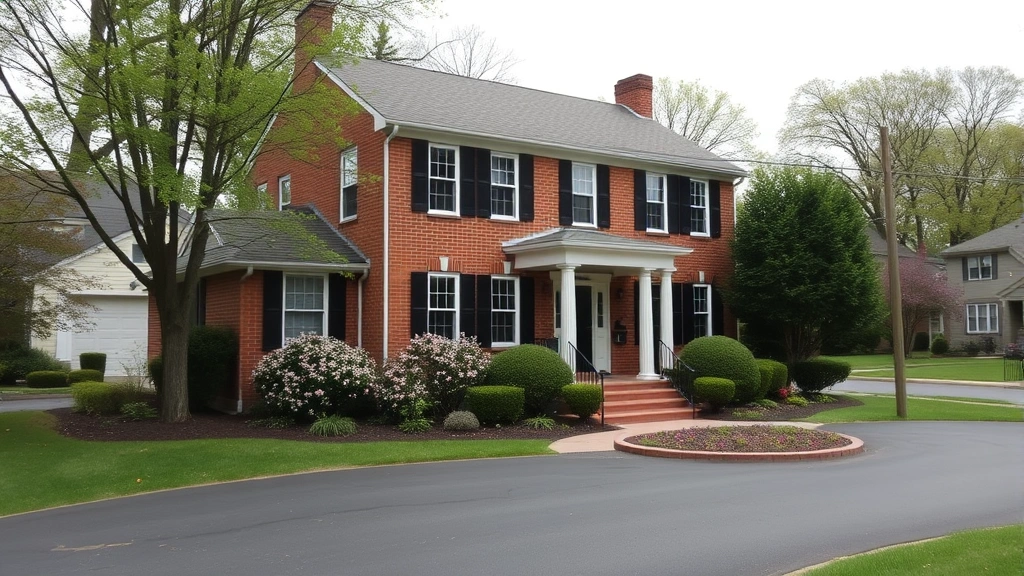
Near Ford Road offers diverse housing stock ranging from modest ranch homes to larger colonial-style properties. This commercially active corridor provides convenient access to shopping, dining, and employment centers. The neighborhood appeals to buyers seeking practical locations with strong market liquidity.
The residential areas near Oakwood Boulevard feature some of Dearborn’s most attractive homes with larger lots and mature landscaping. These established neighborhoods attract buyers seeking privacy and space without leaving the city limits. Properties here often command premium prices due to their desirable locations and property sizes.
When evaluating neighborhoods, consider using our buying a house checklist to ensure you evaluate each location comprehensively. Walk neighborhoods at different times of day, speak with current residents, and research school performance data through the Michigan Department of Education.
Understanding Dearborn Price Ranges
Dearborn offers housing options across multiple price tiers, making it accessible to various buyer profiles. As of 2025, the market presents opportunities for budget-conscious buyers, growing families, and investors alike.
Budget-Friendly Options: Buyers seeking houses for sale under 100k can find opportunities in Dearborn, particularly for properties requiring renovation or situated in transitional neighborhoods. These entry-level homes attract first-time buyers and investors interested in fix-and-flip projects. Many sub-$100,000 properties feature solid bones and good bones, requiring cosmetic updates rather than structural repairs.
Mid-Range Homes ($150,000-$250,000): This price segment represents Dearborn’s largest inventory. Buyers in this range access well-maintained family homes with three to four bedrooms, updated kitchens, and modern amenities. Many properties feature finished basements, which significantly enhance livable space without increasing the footprint. This segment appeals to families relocating to the area and move-up buyers seeking larger properties.
Premium Properties ($250,000+): Dearborn’s higher-end market features architectural quality homes, often situated on premium lots with mature landscaping. These properties may include custom finishes, advanced home automation, and energy-efficient systems. Some premium homes offer waterfront access near the Rouge River or exceptional architectural significance.
For buyers interested in innovative housing solutions, house kits for sale present alternative options for those with land or unique construction preferences, though traditional homes dominate Dearborn’s available inventory.
Essential Buying Tips for Dearborn Homes
Get Pre-Approved for Financing: Before house hunting, obtain mortgage pre-approval from reputable lenders. This strengthens your offers and demonstrates serious intent to sellers. Work with mortgage professionals who understand Michigan’s specific lending requirements and market conditions.
Hire a Local Real Estate Agent: A Dearborn-based agent provides invaluable market knowledge, neighborhood insights, and negotiation expertise. They understand local inventory patterns, pricing trends, and buyer preferences specific to the area. The National Association of Realtors emphasizes the importance of local expertise in achieving successful transactions.
Conduct Thorough Inspections: Michigan’s climate creates specific home maintenance challenges. Ensure inspections address foundation integrity, roof condition, plumbing durability, and HVAC systems. Many Dearborn homes feature basements susceptible to water intrusion, making waterproofing assessment critical.
Research Property History: Examine property records, previous sales data, and any code violations. Understanding a home’s history helps identify potential issues and ensures fair pricing. County records provide information about property taxes, improvements, and ownership history.
Consider Long-Term Value: Evaluate properties not just for immediate appeal but for long-term appreciation potential. Properties in improving neighborhoods, near quality schools, and with strong community amenities typically appreciate more reliably. Check our real estate market forecast 2025 for insights into emerging trends affecting Dearborn’s market trajectory.
Evaluate Energy Efficiency: Michigan winters drive significant heating costs. Prioritize homes with updated insulation, efficient furnaces, and proper weatherization. Our guide on home energy efficiency improvements provides strategies for reducing utility expenses after purchase.
Understand Closing Costs: Michigan imposes transfer taxes and various closing expenses. Budget 2-5% of purchase price for closing costs beyond down payment. Work with your lender and title company to understand all fees upfront.
Current Market Trends and Forecasts
Dearborn’s real estate market reflects broader Michigan trends while maintaining distinctive characteristics. Several factors influence current market conditions and future projections.
Supply and Demand Dynamics: Inventory levels in Dearborn remain relatively healthy compared to national averages, providing buyers with meaningful selection. However, well-priced homes in desirable neighborhoods still attract multiple offers. The balance between supply and demand continues shifting as market conditions evolve throughout 2025.
Interest Rate Environment: Mortgage rates significantly impact affordability and buyer purchasing power. While rates have stabilized from 2022-2023 peaks, they remain elevated compared to historical averages. This environment rewards buyers who can qualify for favorable rates and sellers willing to offer creative financing solutions.
Demographic Shifts: Younger buyers increasingly seek suburban communities offering better value than urban centers. Dearborn attracts this demographic through affordable housing, quality schools, and strong employment opportunities. Immigration patterns have also enriched Dearborn’s cultural diversity, contributing to neighborhood revitalization.
Economic Drivers: Ford’s continued presence ensures stable employment and economic activity. The automotive industry’s evolution toward electric vehicles creates opportunities for skilled workers and supporting industries. This economic diversity provides housing market stability.
New Construction Activity: Limited new residential construction in Dearborn means most inventory consists of existing homes. This scarcity supports property values and creates opportunities for renovation-focused investors. New construction projects that do emerge command premium pricing due to rarity.
Investment Potential in Dearborn
Dearborn presents compelling opportunities for real estate investors seeking stable returns and long-term appreciation. Several factors make the market attractive for investment strategies.
Rental Market Strength: Strong demand from renters, including Ford employees, graduate students, and young professionals, creates reliable rental income opportunities. Dearborn’s rental market demonstrates consistent occupancy rates and modest annual rent growth. Multi-family properties and single-family rentals both perform well in this market.
Fix-and-Flip Opportunities: Properties requiring cosmetic updates present profit potential for experienced investors. Dearborn’s market supports value-add renovations where strategic improvements command corresponding price increases. Successful projects focus on kitchen updates, bathroom modernization, and cosmetic enhancements rather than major structural work.
Long-Term Appreciation: Historical data suggests Dearborn properties appreciate steadily over five to ten-year holding periods. This appreciation combines rent collection with equity building, creating strong total returns. Tax-advantaged strategies like 1031 exchanges enable investors to defer taxes while building portfolios.
Affordable Entry Points: Compared to surrounding communities and national averages, Dearborn properties offer reasonable entry prices. Lower acquisition costs reduce financing requirements and improve cash-on-cash returns. This accessibility makes Dearborn suitable for beginning and experienced investors alike.
Economic Stability: Ford’s headquarters location and diversified employment base provide economic resilience. This stability attracts quality tenants and supports property values during economic downturns. The city’s strong school system and community services enhance long-term demand.
FAQ
What is the average home price in Dearborn, Michigan?
As of 2025, median home prices in Dearborn range from $180,000 to $220,000, depending on neighborhood and property condition. Prices vary significantly based on proximity to downtown, school district performance, and recent renovations. Consulting current Realtor.com listings provides real-time pricing information for specific neighborhoods.
What neighborhoods offer the best value in Dearborn?
Mid-range neighborhoods near Ford Road and the residential areas around Oakwood Boulevard offer excellent value combinations. These areas feature solid housing stock, good schools, and reasonable pricing. Downtown Dearborn offers emerging value as revitalization continues, though prices reflect growing demand.
How long do homes typically stay on the market?
In Dearborn’s current market, well-priced homes typically sell within 30-45 days. Premium properties may take longer, while budget-friendly homes often attract multiple offers. Overpriced properties may languish on the market, making fair pricing essential for sellers seeking quick sales.
Are property taxes in Dearborn reasonable?
Michigan property taxes average around 1.5% of home value, which is moderate compared to national averages. Dearborn’s rates reflect city services, school district funding, and infrastructure maintenance. Homestead property tax exemptions may reduce tax burdens for primary residences.
What should I know about Dearborn’s school district?
Dearborn Schools consistently rank among Michigan’s top districts, with strong academic performance and community support. The district offers diverse programs including advanced placement, vocational training, and enrichment activities. School quality significantly influences property values and buyer demand.
Is Dearborn a good investment for out-of-state buyers?
Yes, Dearborn attracts out-of-state investors seeking stable rental markets and appreciation potential. The city’s economic stability, employment diversity, and strong school system support long-term investment success. Working with local real estate professionals helps out-of-state investors navigate market specifics effectively.
What are closing costs for Dearborn home purchases?
Closing costs typically range from 2-5% of purchase price, including title insurance, transfer taxes, inspections, and lender fees. Michigan imposes specific transfer tax requirements. Your lender and title company provide detailed closing cost estimates during the mortgage process.
Can I find homes needing renovation in Dearborn?
Yes, Dearborn offers renovation opportunities across all price ranges. Properties requiring cosmetic updates attract investors and budget-conscious buyers. Before purchasing fixer-uppers, conduct thorough inspections and obtain contractor estimates to ensure renovation costs align with after-repair values.