Looking to Buy in Thailand? Realtor Insights for International Property Buyers
Thailand has emerged as one of Southeast Asia’s most attractive real estate markets for international investors and homebuyers seeking affordable properties with tropical appeal. Whether you’re looking for a beachfront villa in Phuket, a modern condo in Bangkok, or a serene countryside estate, the Thai property market offers diverse opportunities. However, navigating the complexities of foreign ownership laws, market dynamics, and cultural considerations requires expert guidance. This comprehensive guide provides realtor insights to help you make informed decisions when purchasing property in Thailand.
The Thai real estate market has experienced significant growth over the past decade, driven by tourism, expatriate communities, and increasing demand from international buyers. Property prices remain competitive compared to Western markets, making Thailand an attractive destination for those seeking value. Understanding local regulations, market trends, and working with experienced professionals is essential for a successful purchase.
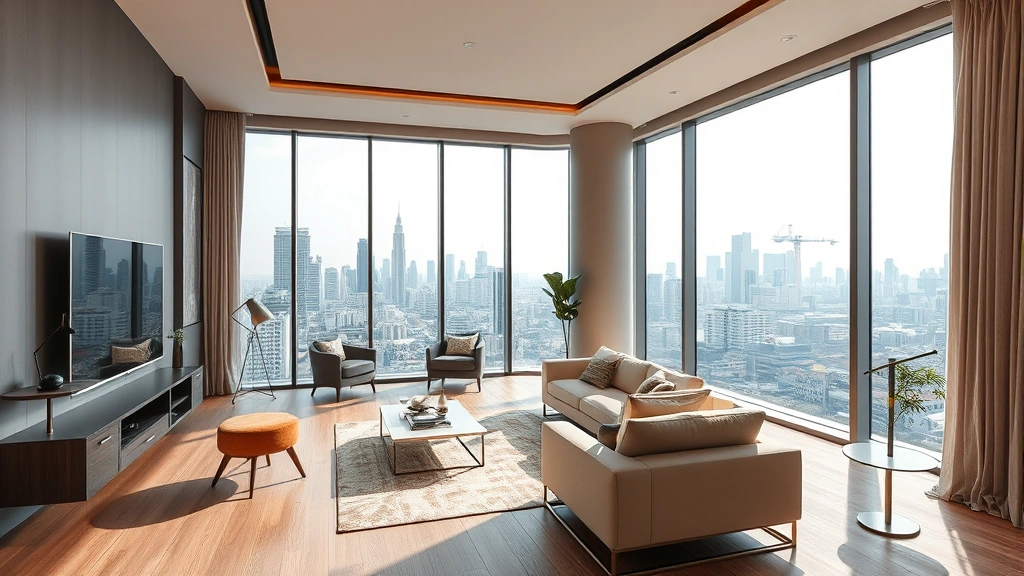
Understanding the Thai Property Market
The Thai property market operates differently from Western real estate markets, with unique dynamics shaped by local regulations, economic factors, and cultural considerations. Thailand’s real estate sector has shown resilience and growth, particularly in urban centers like Bangkok, Chiang Mai, and coastal regions such as Phuket and Hua Hin. The market attracts both end-users seeking permanent residences and investors pursuing rental income and capital appreciation.
Market conditions in Thailand favor buyers in certain segments, with competitive pricing in residential properties compared to developed nations. The Thai government has implemented various policies to encourage foreign investment while protecting local interests, creating a balanced marketplace. Understanding current market trends, price movements, and economic indicators is crucial for making timely purchasing decisions.
Recent data from the National Association of Realtors and international property databases show steady demand from international buyers. Property appreciation rates vary by location and property type, with premium areas experiencing stronger growth. Working with knowledgeable realtors provides access to comprehensive market analysis and current listings.
Foreign Ownership Regulations and Legal Considerations
One of the most critical aspects of buying property in Thailand is understanding foreign ownership restrictions. Thailand maintains specific regulations governing non-Thai citizens’ property ownership, which differ significantly from domestic buyer rules. These regulations are fundamental to your purchasing strategy and legal compliance.
Foreign nationals cannot own land in Thailand under normal circumstances, with limited exceptions for those married to Thai nationals or holding Thai residency. However, foreigners can legally own condominium units, provided certain conditions are met. The Thai Condominium Act stipulates that foreign ownership cannot exceed 49% of a building’s total units, a regulation designed to maintain Thai control over real estate developments.
To purchase a condominium, you’ll need to register with Thai immigration, obtain a Thai tax identification number, and open a Thai bank account. These requirements ensure transparency and legal compliance throughout the transaction. Engaging a qualified Thai lawyer is essential for navigating legal documentation, contract review, and protecting your interests. The lawyer will verify title deeds, ensure proper registration, and confirm the property’s legal status before purchase completion.
Leasehold arrangements present an alternative for land acquisition, typically offering 30-year renewable leases. While not true ownership, long-term leases provide stability and investment potential. Understanding the differences between ownership structures helps determine which option best suits your needs and financial goals.
Types of Properties Available for Purchase
Thailand’s real estate market encompasses diverse property types catering to various preferences and investment strategies. Condominiums remain the most accessible option for foreign buyers, ranging from luxury high-rises in Bangkok to modest units in provincial towns. Modern condos typically include amenities like swimming pools, fitness centers, and 24-hour security.
Detached villas appeal to buyers seeking privacy and space, particularly in resort areas and suburban locations. Villas offer distinctive architecture, private gardens, and customization opportunities. While land ownership restrictions apply, villa purchases through leasehold arrangements remain popular among long-term residents and investors.
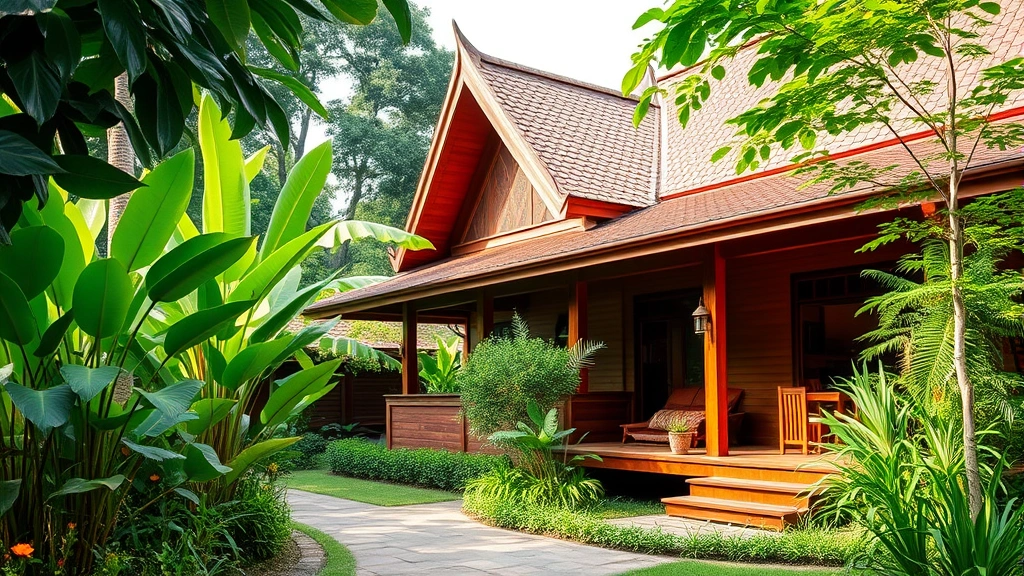
Thai-style houses blend traditional architecture with modern conveniences, offering authentic living experiences. These properties often feature open-air designs suited to tropical climates. Townhouses and row houses provide middle-ground options between condos and detached properties, combining affordability with space efficiency.
If you’re exploring various price points, our guide on houses for sale under $400k provides insights into premium property categories applicable to Thai real estate markets. Similarly, understanding houses for sale under $200k helps identify budget-friendly options in Thailand’s affordable segments. For those interested in residential communities, town houses for sale near me principles apply when searching for community-focused developments in Thai locations.
Popular Locations for International Buyers
Bangkok dominates as Thailand’s primary real estate hub, offering the widest selection of properties and investment opportunities. The capital’s modern infrastructure, international schools, and expatriate communities make it ideal for families and professionals. Prime areas include Sukhumvit, Silom, and Sathorn, where property prices reflect premium locations and amenities.
Phuket attracts buyers seeking beachfront properties and resort-style living. The island’s tourism infrastructure, international community, and luxury developments command higher prices but offer strong rental income potential. Patong Beach, Laguna, and Bang Tao represent popular neighborhoods for property investment.
Chiang Mai appeals to retirees and digital nomads seeking affordable living with cultural richness. Property prices in northern Thailand significantly undercut Bangkok and Phuket, making it attractive for budget-conscious buyers. The city’s lower cost of living and relaxed pace appeal to those prioritizing lifestyle over urban conveniences.
Hua Hin offers a middle ground between Bangkok’s urban intensity and island resort living. The coastal town attracts families and investors seeking moderate prices with beach access. Pattaya, despite some reputation challenges, remains popular for investment properties with consistent rental demand.
Emerging locations like Rayong and Samut Prakan present opportunities for investors seeking appreciation potential in developing areas. These regions benefit from infrastructure development and growing expatriate communities, potentially offering better returns than established markets.
Pricing and Affordability in Thailand
Property pricing in Thailand varies dramatically by location, with Bangkok condos ranging from $100,000 to $500,000+ depending on location and specifications. Provincial properties offer significantly better value, with quality homes available in the $100,000-$250,000 range. Beachfront properties command premium prices, often exceeding $300,000 even in secondary beach towns.
Compared to Western markets, Thailand offers exceptional value for international buyers. Properties affordable in Thailand would cost considerably more in developed nations. This affordability advantage attracts retirees, investors, and those seeking second homes without premium pricing.
Price fluctuations depend on property type, location prestige, amenities, and market conditions. New developments often offer promotional pricing below market rates. Established properties may require negotiation, particularly in buyers’ markets. Understanding local pricing trends helps identify genuine investment opportunities versus overvalued properties.
Additional costs beyond purchase price include transfer fees (typically 2%), stamp duty (0.11%), and agent commissions (1-3%). Legal fees for contract review and registration range from $500-$2,000. Budget for these expenses when calculating total acquisition costs.
The Property Buying Process in Thailand
The Thai property purchase process involves several distinct stages, beginning with property selection and negotiation. Once you identify a property, formal offers typically include conditions regarding inspections, financing, and legal verification. Thai law requires written contracts for binding agreements.
Due diligence is paramount, involving comprehensive title verification, structural inspections, and legal reviews. Your Thai lawyer will examine documentation confirming clear ownership, outstanding debts, and encumbrances. This stage typically requires 1-2 weeks and costs $500-$1,500.
After agreement on terms, you’ll deposit 5-10% of the purchase price as a holding deposit. This demonstrates serious intent and is typically held in escrow. The deposit becomes non-refundable if you withdraw without legitimate cause.
The formal contract signing occurs at a real estate office or lawyer’s office, with both parties present or represented. This legally binding document outlines purchase price, payment terms, and conditions. Payment typically occurs in installments, with final settlement at the Land Department registration.
Registration at the Land Department completes the purchase, transferring ownership and issuing new documentation. This final stage involves government fees and taxes, typically completed within 2-4 weeks. Your name appears on official property documents once registration concludes.
Financing Options for Foreign Buyers
Mortgage financing for foreign buyers in Thailand remains limited compared to domestic lending. Most Thai banks require Thai citizenship for residential mortgages, though some institutions offer loans to qualified foreign borrowers with established residency or Thai spouses. Interest rates typically range from 2.5-4.5% annually.
Financing options include Thai bank mortgages (if eligible), developer financing through property companies, and international loans from banks in your home country. Some developers offer installment payment plans, effectively providing seller financing. These arrangements often include favorable terms to facilitate sales.
Most foreign buyers finance purchases through personal savings or home equity loans from their home country. This approach avoids Thai banking complexities and provides familiar financing terms. International wire transfers facilitate fund movement, with Thai banks accommodating large foreign currency deposits.
Consulting with international mortgage specialists helps identify financing options compatible with your situation. Some banks offer expatriate lending products specifically designed for overseas property purchases. Comparing rates and terms across multiple lenders ensures competitive financing.
Investment Potential and Returns
Thailand’s real estate market offers attractive investment opportunities, particularly in rental properties serving tourism and expatriate markets. Properties in Phuket, Bangkok, and Hua Hin generate consistent rental income from short-term vacation rentals and long-term leases. Capitalization rates typically range from 4-8% depending on location and property type.
Capital appreciation varies by market, with established areas showing steady 3-5% annual growth. Emerging locations offer higher appreciation potential but carry greater risk. Tourism-dependent areas experience seasonal fluctuations affecting rental income stability.
Property management services handle tenant relations, maintenance, and rental collection for investors not residing in Thailand. Management fees typically range from 10-20% of rental income. Professional management is essential for investors managing properties remotely.
Tax implications require careful consideration, including annual property tax (0.02% of assessed value), rental income tax, and capital gains taxes on appreciation. Consulting with Thai tax specialists ensures compliance and optimal tax planning. Understanding tax obligations prevents unexpected liabilities.
Investment success depends on location selection, property condition, market timing, and management quality. Properties in established tourist areas with strong rental demand offer more predictable returns than speculative ventures. Diversifying across locations reduces risk exposure.
Common Mistakes to Avoid
International buyers frequently make costly errors when purchasing Thai property. Skipping legal review represents the most dangerous mistake, leaving buyers vulnerable to title issues, undisclosed debts, or legal complications. Always engage qualified Thai lawyers regardless of purchase confidence.
Overpaying due to unfamiliarity with local pricing is common among first-time buyers. Obtaining multiple property valuations and comparing prices across similar properties prevents overpaying. Patient negotiation often yields significant discounts, particularly in slower markets.
Neglecting due diligence on developers and builders results in unfinished properties or substandard construction. Researching company backgrounds, reviewing completed projects, and visiting construction sites mitigates these risks. Established developers with strong track records offer greater security.
Underestimating total costs beyond purchase price surprises many buyers. Transfer fees, taxes, legal fees, and renovation costs accumulate quickly. Budgeting conservatively prevents financial strain and ensures adequate reserves for unexpected expenses.
Failing to understand rental restrictions and regulations affects investment properties. Some condominiums limit short-term rentals or require owner occupancy. Verifying rental policies before purchase prevents conflicts with building management and protects investment viability.
Ignoring currency risk affects foreign buyers using home currency for purchases. Thai Baht exchange rate fluctuations impact effective purchase prices. Hedging strategies or timing purchases strategically mitigates currency exposure.
Working with Thai Real Estate Professionals
Experienced realtors provide invaluable guidance navigating Thailand’s property market complexities. Quality agents possess market knowledge, maintain extensive property listings, and facilitate introductions to legal professionals and lenders. Selecting reputable agents significantly improves transaction outcomes.
Look for realtors with international buyer experience and professional credentials. Many Thai agents work with foreign clients regularly and understand specific requirements. Interview multiple agents to assess knowledge, communication style, and alignment with your objectives.
Agents assist with property identification, negotiation, documentation coordination, and transaction completion. Their market connections often provide access to off-market properties and exclusive opportunities. Commission structures typically involve 1-3% split between buyer and seller agents.
Building strong relationships with realtors facilitates ongoing market access and future opportunities. Many buyers maintain connections with Thai agents for referrals, updates, and additional purchases. Long-term relationships provide continuity and trusted guidance.
Beyond individual agents, professional real estate marketing strategies employed by agencies demonstrate their market sophistication. Agencies utilizing comprehensive marketing approaches typically maintain better property inventory and client service standards.
For additional real estate insights and market perspectives, our real estate blog provides ongoing market analysis and buyer guidance applicable to international property markets. International property investment principles often parallel domestic real estate considerations.
FAQ
Can foreigners own land in Thailand?
No, foreign nationals cannot own land in Thailand under normal circumstances. However, foreigners can own condominium units with certain restrictions. Leasehold arrangements provide alternative land access through long-term lease agreements, typically renewable for 30-year periods.
What is the 49% rule for condominiums?
Thai law limits foreign ownership to 49% of any condominium building’s total units. This regulation ensures Thai nationals maintain majority control of residential developments. This restriction encourages developers to market properties to both domestic and international buyers.
How long does the property purchase process take?
The typical timeline spans 4-8 weeks from offer to registration completion. Due diligence and legal review require 1-2 weeks. Contract signing and payment processing occur over 2-3 weeks. Land Department registration finalizes ownership within 2-4 weeks, depending on processing efficiency.
What are typical additional costs beyond purchase price?
Additional expenses include transfer fees (2%), stamp duty (0.11%), legal fees ($500-$2,000), agent commissions (1-3%), and registration fees. Total additional costs typically range from 5-8% of purchase price. Budget conservatively for unexpected expenses during renovation or repairs.
Are mortgages available for foreign buyers?
Mortgage availability for foreigners is limited, with most Thai banks requiring Thai citizenship. Some institutions offer loans to qualified borrowers with Thai residency or Thai spouses. International loans from home country banks provide alternative financing. Developer financing through installment plans offers additional options.
What are realistic rental income expectations?
Capitalization rates typically range from 4-8% depending on location and property type. Tourist-dependent areas (Phuket, Bangkok) generate higher short-term rental income but experience seasonal fluctuations. Provincial properties offer more stable long-term rental income at lower rates.
Should I use an agent or buy directly from owners?
Using licensed realtors provides legal protections, market access, and professional guidance. Agents facilitate negotiations, coordinate documentation, and connect you with legal professionals. While direct purchases may save commissions, the cost savings rarely justify lost expertise and protection.
What taxes apply to property ownership in Thailand?
Annual property tax is 0.02% of assessed value. Rental income is taxable as regular income. Capital gains tax applies to property appreciation upon sale. Tax obligations vary based on residency status and income sources. Consulting Thai tax specialists ensures compliance and identifies optimization opportunities.