Best Neighborhoods in Lowell, MA: Realtor Insights & Houses for Sale
Lowell, Massachusetts, is experiencing a remarkable renaissance as a destination for homebuyers seeking affordability, character, and community. Located in the Merrimack Valley region, just 30 miles northwest of Boston, this historic mill city offers an attractive alternative to pricier New England markets while maintaining excellent access to employment centers and urban amenities. Whether you’re searching for a luxury home or a starter property, understanding Lowell’s diverse neighborhoods is essential to making an informed decision.
The Lowell real estate market has transformed significantly over the past decade. Once overlooked by investors, the city now attracts young professionals, families, and developers looking to capitalize on lower entry prices and significant appreciation potential. The median home price in Lowell remains substantially below Greater Boston averages, making it an excellent option for those priced out of nearby communities. As a realtor specializing in this market, I’ve watched neighborhoods evolve from overlooked areas into vibrant residential communities with strong fundamentals.
This comprehensive guide explores Lowell’s most desirable neighborhoods, providing insights into each area’s character, amenities, school systems, and current market conditions. Whether you’re a first-time homebuyer or an experienced investor, this information will help you identify the right neighborhood for your needs and investment timeline.
Lowell’s Market Overview and Why It Matters
Before diving into specific neighborhoods, it’s important to understand Lowell’s broader real estate context. The city benefits from several compelling advantages that drive buyer interest and property appreciation. Unlike some struggling mill cities, Lowell has successfully diversified its economy beyond manufacturing, attracting technology companies, healthcare providers, and educational institutions.
The University of Massachusetts Lowell, one of the state’s flagship public universities, serves as an economic anchor and creates consistent demand for rental properties. This makes Lowell particularly attractive to landlords seeking steady rental income. Additionally, the city’s strategic location between Boston and New Hampshire provides residents flexibility in commuting to major employment centers while enjoying lower housing costs.
According to the National Association of Realtors, the Massachusetts real estate market remains competitive, but Lowell offers exceptional value compared to Eastern Massachusetts. Current real estate market outlook trends suggest continued appreciation in secondary markets like Lowell, particularly as remote work enables professionals to move beyond high-cost urban centers.
For those interested in property investment, Lowell presents compelling opportunities. The house flipping business has gained traction here, with investors purchasing undervalued properties and completing renovations for significant returns. The city’s revitalization efforts, including downtown improvements and waterfront development, support long-term appreciation.
Pawtucketville: The Premier Neighborhood
Pawtucketville consistently ranks as Lowell’s most desirable neighborhood, and for good reason. Located in the southwestern portion of the city, this residential area combines tree-lined streets, well-maintained homes, and excellent schools. The neighborhood appeals to families seeking suburban character without sacrificing urban convenience.
The Pawtucketville neighborhood features primarily single-family homes ranging from modest Cape Cods to substantial Colonial and Ranch-style properties. Home prices here typically run 10-15% higher than Lowell averages, reflecting the area’s desirability and strong market fundamentals. Recent sales data shows consistent appreciation, making Pawtucketville an excellent choice for buyers prioritizing long-term investment stability.
Schools represent a major selling point for Pawtucketville residents. The neighborhood is served by Lowell public schools, including well-regarded elementary and middle schools. Families appreciate the community-oriented atmosphere, active parent organizations, and competitive academic programs. Proximity to Pawtucket Boulevard provides easy access to shopping, dining, and services while maintaining residential tranquility.
For buyers seeking a house for sale in competitive markets, Pawtucketville offers a more accessible entry point than Boston suburbs while maintaining comparable quality and amenities. The neighborhood’s stability and consistent appreciation make it particularly attractive to owner-occupants planning to stay long-term.
Belvidere: Historic Charm and Walkability
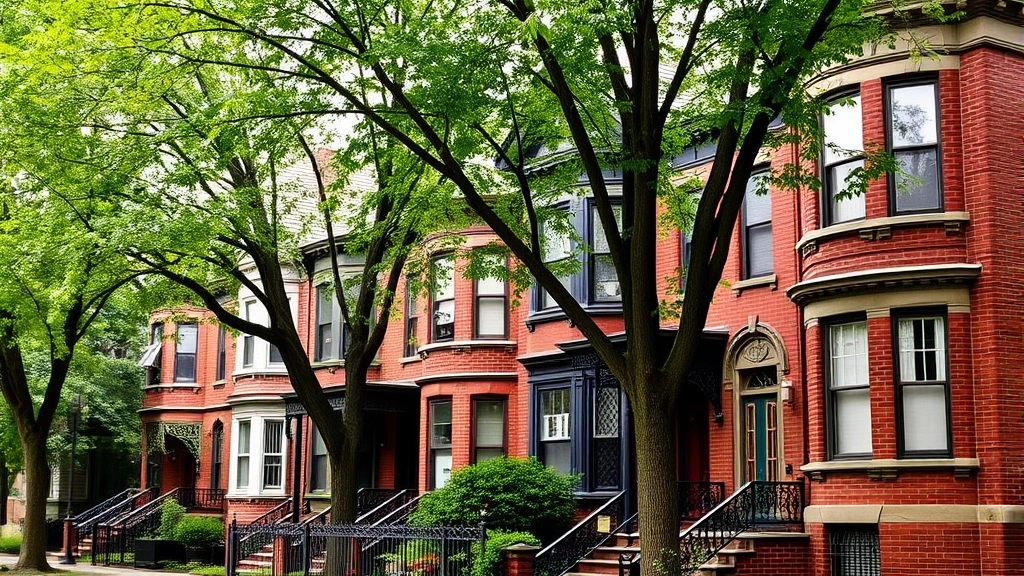
Belvidere represents Lowell’s historic character at its finest. This neighborhood, centered around Belvidere Street and the surrounding blocks, features beautiful Victorian and early 20th-century architecture. The area attracts buyers who appreciate historical homes, walkable neighborhoods, and established community identity.
Property diversity in Belvidere is substantial, ranging from restored Victorian mansions to modest worker cottages. This variety allows buyers at different price points to find suitable properties. Many homes feature original architectural details including hardwood floors, crown molding, built-in shelving, and period fixtures. Some properties require significant renovation, offering opportunities for house flipping investors with vision and capital.
The neighborhood’s walkability is exceptional by Lowell standards. Belvidere is close to downtown restaurants, coffee shops, galleries, and services. The area has experienced particular revitalization as creative professionals and young professionals have relocated here, attracted by character homes and affordable prices. This demographic shift is creating positive momentum for property appreciation and community investment.
Belvidere’s proximity to the Lowell National Historical Park adds cultural value. Residents enjoy easy access to museum exhibits, guided canal tours, and educational programs celebrating the city’s industrial heritage. This cultural richness appeals to buyers seeking neighborhoods with personality and historical significance.
Centralville: Riverside Living and Community Spirit
Centralville, located along the Merrimack River, offers a distinct character shaped by its waterfront location and strong neighborhood identity. This area has benefited significantly from recent revitalization efforts, including riverside park improvements and adaptive reuse of historic mill buildings into residential lofts and apartments.
The neighborhood appeals to buyers seeking walkability, community engagement, and access to outdoor recreation. Riverside parks provide walking trails, fishing access, and scenic views. Young professionals and empty-nesters particularly appreciate Centralville’s urban-village atmosphere combined with natural amenities. Property types range from converted mill apartments to traditional single-family homes on tree-lined streets.
Centralville’s revitalization has attracted independent businesses, restaurants, and cultural venues. The neighborhood hosts community events, farmers markets, and festivals that build social cohesion and neighborhood pride. This community spirit translates to property value stability and appreciation potential. Buyers investing in Centralville properties benefit from both physical improvements and positive demographic trends.
Real estate prices in Centralville remain accessible compared to similar waterfront neighborhoods in Massachusetts. The combination of riverfront character, walkability, and improving infrastructure makes this neighborhood an excellent value proposition for buyers seeking urban living without downtown price tags.
The Acre: Cultural Diversity and Urban Revival
The Acre neighborhood represents Lowell’s multicultural heart and emerging urban revival story. Historically home to immigrant communities, the neighborhood remains diverse and vibrant. Recent years have witnessed significant investment in housing rehabilitation, business development, and community programs that are transforming the area’s trajectory.
Property values in The Acre remain among Lowell’s lowest, creating opportunity for investors and buyers seeking maximum purchasing power. The neighborhood is experiencing active renovation and development activity, with investors purchasing older properties and completing quality upgrades. This activity typically precedes broader neighborhood appreciation, making The Acre attractive for investors with longer time horizons.
The Acre’s cultural institutions, restaurants, and community organizations reflect its diverse population. International markets, ethnic restaurants, and cultural centers create neighborhood character and authenticity. For buyers valuing cultural richness and community engagement, The Acre offers genuine neighborhood life rather than generic suburban development.
As revitalization efforts continue and new residents discover the neighborhood’s potential, The Acre represents a compelling investment opportunity. Current prices offer significant upside potential as the neighborhood continues its transformation. Early investors who recognize this potential can benefit substantially from long-term appreciation.
South Lowell: Suburban Appeal and Family Friendly
South Lowell provides suburban character within city limits, appealing to families seeking space, yards, and community amenities. This neighborhood features larger single-family homes, many built during the post-war suburban expansion. Well-maintained properties on spacious lots characterize the area’s residential landscape.
Schools in South Lowell serve families with children, and the neighborhood has strong parent involvement and community organizations. Parks, playgrounds, and recreational facilities support active family lifestyles. For buyers prioritizing suburban living without lengthy commutes to Boston, South Lowell offers an excellent balance of space and accessibility.
Property values in South Lowell reflect the neighborhood’s family-friendly character and suburban appeal. Homes typically offer good value for size and condition compared to similar properties in Boston suburbs. The neighborhood’s stability and consistent appreciation make it attractive to families planning to stay long-term.
Investment Perspective and Market Trends
From an investment standpoint, Lowell presents compelling opportunities across multiple strategies. The city’s lower entry prices compared to Boston suburbs mean investors can acquire properties with less capital while maintaining strong appreciation potential. Zillow’s Lowell, MA listings provide current market data for comparative analysis.
Rental property investors benefit from consistent demand driven by UMass Lowell’s presence and the city’s growing professional workforce. Cap rates in Lowell exceed Boston and nearby suburbs, providing attractive cash flow. The city’s revitalization trajectory suggests appreciation will accelerate, benefiting long-term holders.
For owner-occupants, Lowell offers significant affordability advantages. First-time homebuyers can access quality properties at prices substantially below comparable homes in Eastern Massachusetts. This affordability extends purchasing power and reduces mortgage burden, improving long-term financial outcomes.
Market trends suggest continued appreciation in Lowell’s better neighborhoods. The combination of lower prices, improving fundamentals, and increasing investor interest creates conditions for sustained value growth. Buyers should act decisively in neighborhoods showing revitalization momentum, as appreciation opportunities may narrow as the market recognizes Lowell’s potential.
According to the National Association of Realtors research, secondary markets like Lowell are experiencing increased buyer interest as remote work enables geographic flexibility. This trend supports continued demand and appreciation in Lowell neighborhoods.
Mortgage rates and financing conditions significantly impact Lowell’s market dynamics. Current mortgage rates affect buyer purchasing power and investment returns. Buyers should secure pre-approval before house hunting to understand their financial capacity and negotiate confidently.
The Massachusetts real estate market remains competitive, but Lowell’s affordability and value proposition create distinct advantages for strategic buyers. Working with experienced local realtors provides access to market knowledge, neighborhood insights, and investment guidance that optimize outcomes.
FAQ
What is the average home price for a house for sale in Lowell, MA?
As of 2024, median home prices in Lowell range from $300,000 to $400,000 depending on neighborhood, property condition, and market conditions. Pawtucketville commands premium prices, while emerging neighborhoods like The Acre offer lower entry points. Current listings on Zillow Lowell homes for sale provide up-to-date pricing information.
Which Lowell neighborhood is best for families with children?
Pawtucketville and South Lowell are excellent family neighborhoods with strong schools, parks, and community organizations. Both areas offer suburban character, safe streets, and family-oriented amenities. Belvidere also appeals to families seeking walkability and historic character.
Is Lowell a good investment for rental properties?
Yes, Lowell presents compelling rental investment opportunities. UMass Lowell creates consistent student housing demand, while the growing professional workforce supports market-rate rentals. Cap rates exceed Boston area averages, and appreciation potential remains substantial as the market recognizes the city’s revitalization trajectory.
How long are homes typically on the market in Lowell?
Market time varies by neighborhood and property condition. Well-maintained homes in desirable neighborhoods like Pawtucketville may sell within weeks, while properties requiring renovation may remain listed longer. Current market conditions favor sellers, with strong buyer interest in Lowell’s better neighborhoods.
What are the property tax rates in Lowell?
Lowell’s effective property tax rates are competitive with surrounding communities and lower than Boston. Tax rates vary based on property assessment and classification. Buyers should consult with tax professionals to understand their specific tax obligations.
Are there any major development projects planned in Lowell?
Yes, Lowell has several ongoing and planned development projects including downtown revitalization, waterfront improvements, and adaptive reuse of historic mill buildings. These projects support neighborhood appreciation and quality-of-life improvements.
What is the school system quality in Lowell?
Lowell public schools have improved significantly and include several well-regarded elementary and middle schools. Schools vary in performance by neighborhood, with Pawtucketville schools generally rating highest. Families should research specific school performance data for their target neighborhoods.
How accessible is Lowell from Boston?
Lowell is approximately 30 miles northwest of Boston, accessible via Interstate 495 and Route 3. Commute times to Boston typically range from 45-60 minutes depending on traffic and destination. The commute is manageable for professionals seeking Lowell’s affordability while maintaining Boston employment.