Puerto Rico Homes: Buyer’s Guide + Local Insights
Puerto Rico’s real estate market has experienced remarkable growth over the past decade, attracting investors, retirees, and families seeking tropical living with unique tax advantages. Whether you’re searching for houses for sale in Puerto Rico or considering a strategic investment property, understanding the local market dynamics is essential. The island offers diverse neighborhoods, from vibrant urban centers like San Juan to serene coastal communities and mountainous retreats, each with distinct characteristics and price points.
The appeal of Puerto Rican real estate extends beyond the stunning natural beauty and year-round warm climate. Act 60, formerly known as Act 20/22, provides significant tax incentives for eligible individuals, making Puerto Rico an attractive destination for entrepreneurs and high-net-worth individuals. Combined with relatively affordable property prices compared to mainland markets and a growing infrastructure, the island presents compelling opportunities for both primary residence seekers and investment-focused buyers.

Understanding Puerto Rico’s Real Estate Market
Puerto Rico’s housing market has undergone significant transformation in recent years. According to recent National Association of Realtors data, the island has seen increased demand from mainland relocators and international investors. Property values have appreciated steadily, particularly in prime neighborhoods and coastal areas, though the market remains more affordable than comparable properties in major U.S. mainland markets.
The median home price in Puerto Rico varies considerably by location. San Juan and surrounding metropolitan areas command higher prices, while rural areas and secondary cities offer more accessible entry points. Recent market trends indicate strong buyer interest in properties with modern amenities, investment potential, and proximity to beaches or urban conveniences. Understanding real estate market outlook for 2025 can provide valuable context for timing your purchase decision.
Economic factors influencing the market include tourism growth, infrastructure improvements, and the influx of remote workers seeking lower costs of living. However, potential buyers should be aware of challenges such as aging infrastructure in some areas, hurricane preparedness concerns, and variable property maintenance standards. The market remains relatively stable with opportunities for both end-users and investors seeking rental income potential.
Market liquidity has improved significantly, with more properties listed across major platforms. Zillow Puerto Rico listings showcase the diversity of available properties, from beachfront condominiums to mountain estates and suburban homes. Price appreciation potential remains strong in desirable neighborhoods, making timing an important consideration for investors.
Key Neighborhoods and Regions Worth Exploring
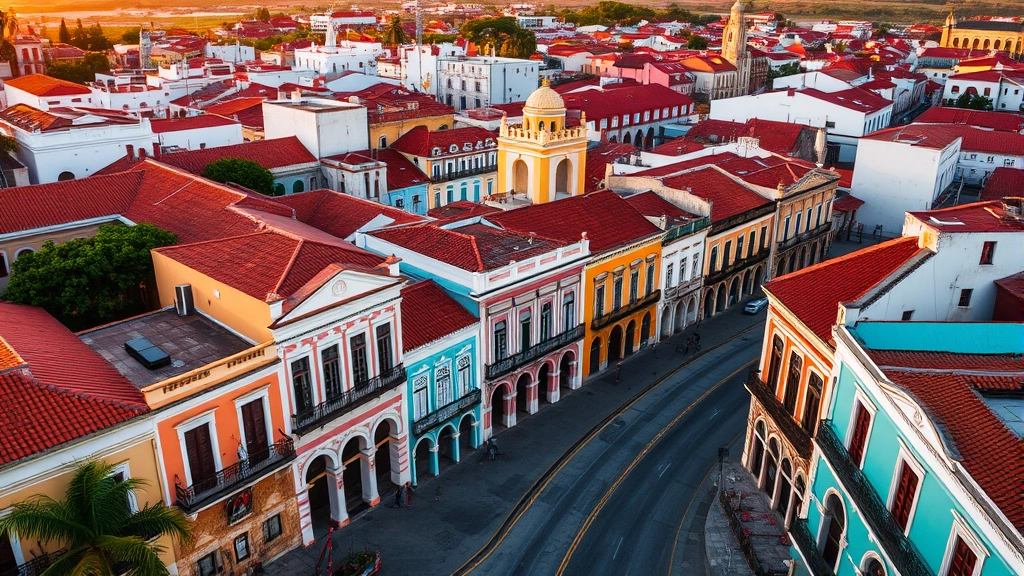
San Juan Metropolitan Area remains the island’s premier real estate market. Old San Juan offers historic colonial charm with restored properties commanding premium prices. Condado and Ocean Park provide upscale coastal living with high-rise condominiums and beachfront properties. Miramar and Santurce attract younger professionals and investors seeking urban vibrancy with walkable neighborhoods and modern developments.
Dorado and Rio Grande appeal to golf enthusiasts and families seeking resort-style living. These regions feature planned communities with country clubs, pristine beaches, and substantial properties. Prices in these areas balance accessibility with premium amenities, making them popular among retirees and remote workers.
Vieques and Culebra offer island living for those seeking tranquility and natural beauty. These smaller islands feature exclusive properties with limited inventory, creating scarcity value. Bioluminescent bays and untouched beaches attract eco-conscious buyers willing to embrace a slower pace of life.
Ponce, Puerto Rico’s second-largest city, provides cultural richness and emerging investment opportunities. Historic properties blend with modern developments, offering diverse options at competitive prices. The region attracts culturally-minded buyers and investors anticipating future appreciation.
Rincon and West Coast Communities appeal to surfers, artists, and lifestyle-focused buyers. These bohemian-influenced areas combine natural beauty with creative communities. Property prices remain moderate, offering excellent entry points for those prioritizing lifestyle over urban convenience.
Legal Considerations and Property Laws
Understanding Puerto Rico’s property laws is crucial before purchasing. The island operates under civil law traditions inherited from Spanish colonial history, differing significantly from mainland U.S. common law. Property rights, ownership structures, and transaction processes reflect these legal distinctions.
Foreigners can freely purchase property in Puerto Rico without restrictions, though specific documentation and legal processes must be followed. Title verification is essential; Puerto Rico’s property registry system has modernized but still contains historical inconsistencies in some areas. Hiring a local real estate attorney is not optional—it’s a critical investment protecting your interests.
Property taxes in Puerto Rico are significantly lower than mainland rates, typically ranging from 0.5% to 0.8% annually, contributing to the island’s attractiveness. However, property assessments and valuation methods differ from mainland practices. Understanding tax implications and potential exemptions requires professional guidance.
Homestead exemptions and Act 60 tax incentives create complex legal frameworks. Qualifying for these benefits requires meeting specific residency and business criteria. Professional tax advisors familiar with Puerto Rico’s regulations should review your situation before purchasing, ensuring you maximize available benefits while maintaining compliance.
Title insurance is not standard practice in Puerto Rico; instead, buyers rely on title searches and attorney verification. Comprehensive title searches must examine historical records, identifying potential liens, easements, or ownership disputes. This due diligence protects against costly complications after purchase.
Financing Your Puerto Rico Home Purchase
Financing a Puerto Rico property presents unique challenges and opportunities compared to mainland purchases. Local banks and international lenders offer mortgage products, though terms and rates differ from stateside offerings. Most lenders require 20-30% down payments, higher than typical mainland requirements.
Several Puerto Rico-based financial institutions provide mortgages to both residents and non-residents. Popular options include Banco Popular, Oriental Bank, and FirstBank. International lenders increasingly serve the Puerto Rico market, recognizing growing demand from foreign buyers. Comparing rates and terms across multiple lenders is essential for securing favorable financing.
Interest rates on Puerto Rico mortgages typically range from 4.5% to 6.5%, varying based on property type, down payment, and borrower creditworthiness. Loan terms typically range from 15 to 30 years, with adjustable-rate mortgages common. Borrowers should verify lender experience with Act 60 tax incentive qualifications, as some institutions specialize in financing for tax-incentivized relocators.
Understanding how to calculate closing costs becomes even more critical in Puerto Rico transactions. Closing costs typically range from 5-8% of purchase price and include attorney fees, title searches, transfer taxes, and registration fees. These costs are higher than mainland transactions, reflecting the legal complexity and administrative requirements.
Alternative financing strategies include cash purchases, which offer significant advantages in negotiating power and transaction speed. Some investors utilize Puerto Rico’s favorable business environment and Act 60 benefits to fund purchases through business income, creating tax-efficient acquisition strategies.
The Buying Process: Step-by-Step Guide
Purchasing property in Puerto Rico requires following specific legal procedures and timelines. Following a comprehensive buying house checklist adapted for Puerto Rico transactions ensures you navigate the process successfully.
Step 1: Engage Professional Representation begins with hiring a Puerto Rico-licensed real estate attorney. This professional handles legal documentation, title verification, and ensures compliance with local regulations. Many international buyers hire agents familiar with foreign purchasers to guide neighborhood selection and property identification.
Step 2: Property Identification and Inspection involves viewing properties and conducting thorough inspections. Unlike mainland transactions, structural inspections are less standardized in Puerto Rico. Hurricane preparedness assessment, water damage history, and electrical system evaluation are particularly important. Engaging structural engineers for significant properties is advisable.
Step 3: Make an Offer through your real estate agent or directly to sellers. Puerto Rico transactions typically involve negotiation, with sellers often expecting counteroffers. Written offers should specify conditions including inspections, financing contingencies, and closing timelines.
Step 4: Title Verification and Due Diligence follows offer acceptance. Your attorney conducts comprehensive title searches, examining historical ownership, liens, and easements. This process typically requires 2-4 weeks and is non-negotiable for protecting your investment.
Step 5: Secure Financing by applying with selected lenders. Pre-approval letters demonstrate serious intent and strengthen negotiating positions. Mortgage processing typically requires 30-45 days, with underwriting more stringent for non-resident foreign buyers.
Step 6: Appraisal and Inspection Coordination occurs simultaneously with financing. Understanding appraisal versus inspection differences helps you prepare for required assessments. Puerto Rico appraisals may utilize different comparable sales and methodologies than mainland standards.
Step 7: Final Walkthrough and Documentation Review happens before closing. Your attorney reviews all transaction documents, transfer deeds, and closing statements. This final verification ensures accuracy and compliance before signing.
Step 8: Closing Day involves signing documents at your attorney’s office or notary’s location. Puerto Rico closings are less standardized than mainland transactions; your attorney guides the specific process. Funds transfer through bank wire, with registration occurring at the Puerto Rico property registry office.
Investment Potential and ROI Considerations
Puerto Rico real estate offers compelling investment opportunities for both short-term gains and long-term appreciation. Rental income potential appeals to investors seeking passive income, with tourism-driven vacation rental markets particularly lucrative in coastal areas and popular neighborhoods.
Vacation Rental Markets in San Juan, Dorado, and Vieques generate substantial returns. Properties near beaches, attractions, or cultural sites command premium nightly rates. Platforms like Airbnb and VRBO facilitate bookings, though management requirements and seasonal fluctuations require careful planning. Successful investors achieve 8-12% annual returns through vacation rentals.
Long-Term Appreciation stems from infrastructure improvements, tourism growth, and increasing international interest. Historical data shows 3-5% annual appreciation in established neighborhoods, with higher growth in emerging areas. Act 60 incentives continue attracting high-net-worth individuals, supporting sustained demand.
Primary Residence Investment combines lifestyle benefits with financial advantages. Owners enjoying Puerto Rico living while building equity through appreciation achieve dual benefits. Tax incentives under Act 60 enhance wealth accumulation for qualifying individuals and businesses.
Commercial Property Potential exists in growing urban centers. Retail spaces, office buildings, and mixed-use developments appeal to investors seeking commercial real estate diversification. Tourism-dependent areas show resilience despite economic challenges, supporting commercial property valuations.
Comparing Puerto Rico investments with mainland alternatives reveals advantages in advantages of owning a home, particularly regarding tax efficiency and lifestyle integration. Evaluating pros and cons of renting versus buying becomes especially relevant when considering Puerto Rico’s unique tax environment and lifestyle factors.
Cultural and Lifestyle Benefits
Beyond financial considerations, Puerto Rico offers unparalleled lifestyle advantages attracting buyers seeking quality-of-life improvements. Year-round tropical climate eliminates seasonal weather concerns while providing ideal conditions for outdoor activities. Beaches, rainforests, and diverse landscapes create natural recreation opportunities unavailable in most mainland markets.
Cultural richness permeates Puerto Rican communities. Spanish colonial architecture, vibrant arts scenes, and deep musical traditions create distinctive neighborhood characters. Old San Juan’s colorful streets, Ponce’s cultural institutions, and local festivals celebrate Puerto Rican heritage throughout the year.
Culinary traditions showcase Caribbean flavors with locally-sourced ingredients. Farm-to-table restaurants, traditional mofongo establishments, and international cuisine create diverse dining experiences. Food costs, particularly for local produce, remain reasonable compared to mainland markets.
Community-oriented neighborhoods foster social connections often lacking in anonymous mainland suburbs. Extended family networks, local business relationships, and neighborhood events create supportive social structures. This sense of community appeals particularly to retirees and families seeking deeper connections.
Outdoor recreation opportunities include world-class diving, snorkeling, surfing, and water sports. El Yunque National Forest provides hiking, waterfalls, and pristine natural environments. Golf courses, tennis facilities, and fitness centers serve active residents seeking athletic engagement.
Educational institutions, both private and public, provide options for families with school-age children. International schools serve expatriate communities, while local universities offer advanced education opportunities. Healthcare facilities in major cities meet modern standards, though specialized services may require mainland referrals.
FAQ
What are the main advantages of buying property in Puerto Rico?
Puerto Rico offers significantly lower property taxes (0.5-0.8% annually), attractive Act 60 tax incentives for qualifying individuals, year-round pleasant climate, cultural richness, lower cost of living compared to mainland U.S., and strong rental income potential through tourism markets. Properties remain more affordable than comparable mainland locations while offering appreciation potential.
Can foreign nationals purchase property in Puerto Rico?
Yes, foreign nationals can freely purchase property in Puerto Rico without ownership restrictions. However, legal requirements including title verification, attorney engagement, and documentation in Spanish must be fulfilled. Non-resident status may affect financing options and require higher down payments from some lenders.
What is Act 60 and how does it benefit homebuyers?
Act 60 (formerly Act 20/22) provides significant tax incentives for individuals relocating to Puerto Rico. Act 60 Bona Fide Residents receive 0% capital gains tax, 0% tax on interest and dividend income, and 37% corporate tax rates. These incentives apply to individuals meeting residency requirements and maintaining Puerto Rico domicile. Homeownership costs become significantly reduced under these provisions.
How long does the Puerto Rico home buying process take?
Typical Puerto Rico transactions require 60-90 days from offer acceptance to closing. Title verification requires 2-4 weeks, mortgage processing takes 30-45 days, and legal documentation preparation requires 2-3 weeks. Complex transactions or title issues may extend timelines. Engaging experienced professionals accelerates the process.
What should I know about hurricane preparedness when buying Puerto Rico property?
Hurricane risk is a legitimate consideration for Puerto Rico property owners. Coastal properties face higher exposure, while elevated inland properties experience reduced risk. Evaluate property construction standards, reinforcement features, and insurance availability. Hurricane insurance costs are higher than mainland homeowners insurance. Inspect properties for previous damage and verify proper repairs.
Are there restrictions on vacation rental properties in Puerto Rico?
Vacation rental regulations vary by municipality. Some areas allow short-term rentals with minimal restrictions, while others require permits or prohibit them in residential zones. San Juan, Dorado, and tourist areas generally permit vacation rentals. Verify local regulations before purchasing investment properties intended for vacation rental income. HOA restrictions may also apply in planned communities.
What financing options exist for non-resident foreign buyers?
Non-resident foreign buyers typically access mortgages through Puerto Rico banks (Banco Popular, Oriental Bank, FirstBank), international lenders, or cash purchases. Down payment requirements are usually 20-30%, higher than mainland standards. Interest rates range from 4.5-6.5%. Pre-approval demonstrates seriousness and strengthens negotiating positions. Some lenders specialize in Act 60 relocator financing.