5 Bedroom Homes: Market Insights & Trends
The market for 5 bedroom houses for sale has experienced significant shifts in recent years, reflecting broader changes in homebuyer preferences, family structures, and economic conditions. Five-bedroom homes represent a sweet spot in the residential market—large enough to accommodate growing families, home offices, and guest spaces, yet not so massive as to burden owners with excessive maintenance and utility costs. Understanding current market trends, pricing dynamics, and buyer motivations is essential for both sellers looking to list their properties and buyers searching for their ideal family home.
Today’s five-bedroom home market is characterized by diverse buyer demographics, from expanding families seeking space to remote workers needing dedicated office areas and multigenerational households prioritizing privacy and independence. The demand for these properties continues to evolve as lifestyle preferences shift and housing needs become more nuanced. This comprehensive guide explores the current landscape of five-bedroom homes, providing actionable insights for anyone involved in buying or selling properties in this category.
Current Market Demand for Five-Bedroom Homes
Five-bedroom homes occupy a unique position in today’s real estate landscape. Unlike smaller properties that appeal primarily to first-time buyers and downsizers, or luxury estates targeting ultra-high-net-worth individuals, five-bedroom residences serve a broad spectrum of homebuyers. According to recent data from the National Association of Realtors, homes with four or more bedrooms have seen increased interest following the pandemic-driven shift toward remote work and flexible living arrangements.
The demand for five-bedroom properties remains robust in suburban and semi-rural markets, where land availability and pricing structures make larger homes more accessible than in urban centers. Families planning to stay in homes for extended periods prioritize space for children’s bedrooms, home offices, playrooms, and guest accommodations. Additionally, the rise of multi-generational living—where adult children, aging parents, and young families share households—has elevated demand for five-bedroom configurations that provide privacy and independence for multiple family units under one roof.
When considering buying a house checklist for larger properties, prospective owners should evaluate not only the number of bedrooms but also their functional layout, which impacts livability and resale potential. Properties with flexible spaces—bedrooms that can serve as offices, gyms, or studios—command premium prices in competitive markets.
Pricing Trends and Regional Variations
Pricing for five-bedroom homes varies dramatically based on geographic location, local market conditions, property age, and amenity offerings. In major metropolitan areas, a five-bedroom home might command $800,000 to $2 million or more, while similar properties in secondary markets could range from $350,000 to $650,000. Understanding these regional variations is crucial for both buyers and sellers establishing realistic expectations.
Recent market analysis shows that five-bedroom homes appreciate at rates comparable to four-bedroom properties in most markets, but often retain value better during downturns due to their broader appeal. The Zillow Real Estate Market Report indicates that homes in the 4-6 bedroom category have experienced steady appreciation, with particular strength in suburban communities within 20-40 miles of major employment centers.
Price-per-square-foot metrics for five-bedroom homes typically range from $120 to $300 depending on region, construction quality, and market tier. Properties built within the last 15 years generally command higher per-square-foot prices than older homes, reflecting modern construction standards, energy efficiency, and updated systems. When evaluating home appraisal vs inspection processes, owners of five-bedroom properties should ensure all systems and structural elements are thoroughly documented to support valuation.
Seasonal pricing patterns affect five-bedroom home markets significantly. Spring and early summer typically see increased buyer activity and higher asking prices, while fall and winter markets may offer negotiating advantages for serious buyers willing to move quickly. Interest rate fluctuations also dramatically impact affordability; when mortgage rates rise, demand for larger properties often decreases as monthly payments become less manageable.
Buyer Demographics and Motivations
Understanding who purchases five-bedroom homes helps explain market dynamics and price movements. Primary buyer segments include:
- Growing Families: Parents with three or more children seeking adequate bedroom space and room for future expansion
- Remote Work Professionals: Individuals and couples requiring dedicated home office spaces separate from living areas
- Multi-Generational Households: Families accommodating parents, adult children, or extended relatives with privacy considerations
- Empty Nesters: Older adults maintaining larger homes for frequent visitors and guest stays
- Entrepreneurs and Creatives: Business owners needing workspace combined with residential living
- Investors: Real estate professionals acquiring properties for rental income or future appreciation
The motivations driving these buyers have evolved considerably. Pre-pandemic, space for children dominated purchasing decisions. Today, the advantages of owning a home increasingly include flexibility for work-from-home arrangements, entertainment capabilities, and multi-functional spaces. Buyers now evaluate properties based on how well they support contemporary lifestyles rather than purely on traditional metrics like square footage and bedroom count.
First-time buyers of five-bedroom homes typically fall into higher income brackets ($100,000+ household income) and tend to be between ages 35-50, though younger professionals earning substantial incomes increasingly enter this market. Understanding buyer psychology helps sellers position properties effectively and price competitively.
Features and Amenities That Drive Value
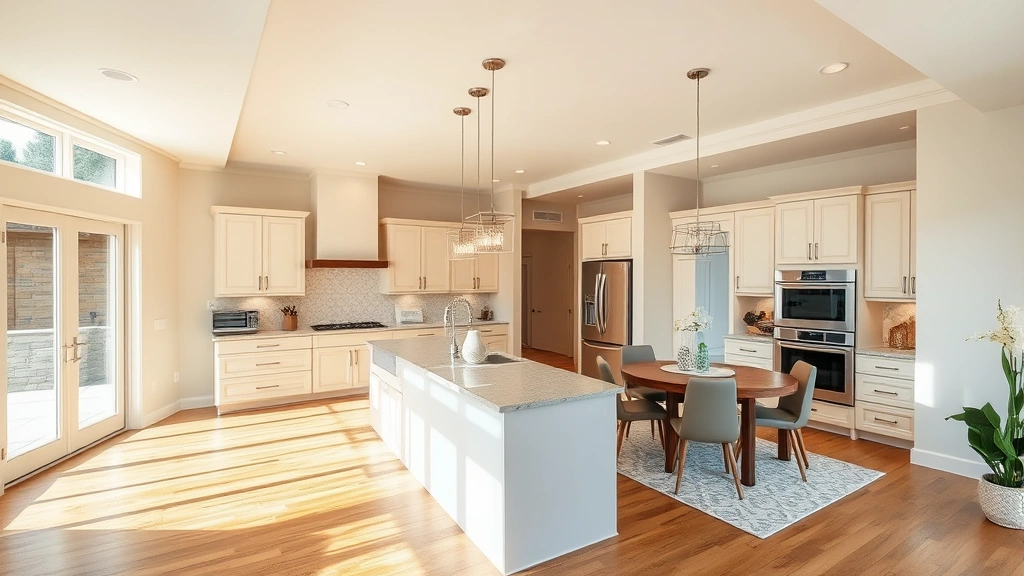
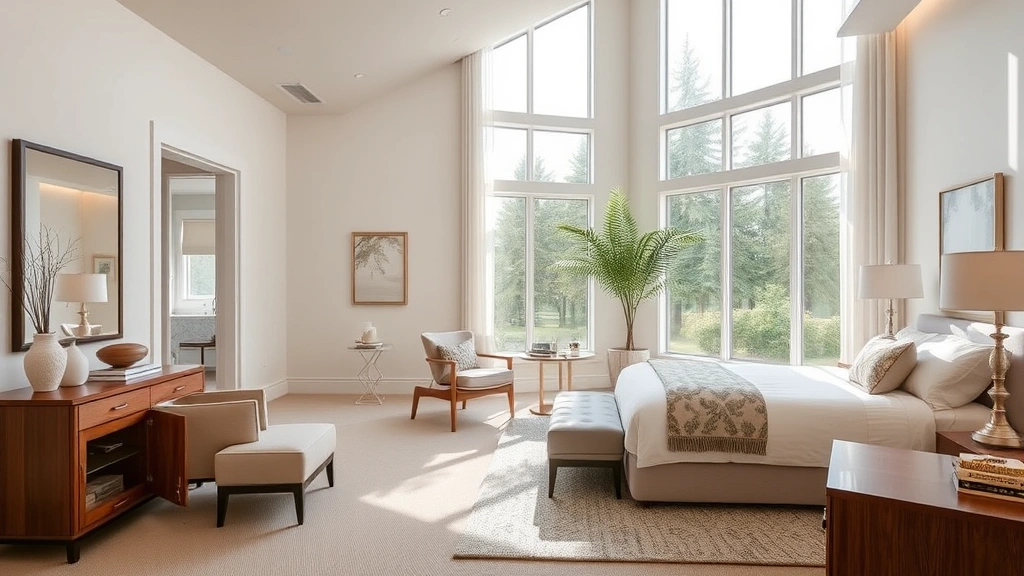
Beyond bedrooms, specific features significantly impact five-bedroom home values and marketability. Modern kitchens with quality appliances, ample counter space, and island seating appeal to families prioritizing gathering spaces. Primary bedroom suites with spa-like bathrooms, walk-in closets, and sitting areas command premium pricing.
Additional high-value features include:
- Home Offices: Dedicated spaces with separate entrances, built-in shelving, and reliable internet infrastructure
- Recreation Spaces: Finished basements, media rooms, or game areas that maximize usable square footage
- Outdoor Living: Decks, patios, fire pits, and landscaping that extend living space seasonally
- Smart Home Technology: Integrated automation systems for security, climate control, and entertainment
- Energy Efficiency: Updated HVAC systems, insulation, windows, and renewable energy sources reducing utility costs
- Storage Solutions: Pantries, closets, mudrooms, and garage space addressing practical family needs
- Flexible Spaces: Bonus rooms, flex bedrooms, or convertible areas adapting to changing needs
Properties incorporating these features typically sell faster and command 5-15% premiums compared to similar homes lacking such amenities. When buyers evaluate five-bedroom homes, they often prioritize functional layout and quality finishes over raw square footage.
The quality of school districts significantly impacts five-bedroom home values in family-oriented markets. Properties in highly-rated school zones often appreciate faster and attract more serious buyers. Proximity to employment centers, shopping, entertainment, and quality healthcare facilities also drives demand and pricing.
Investment Potential and Future Outlook
Five-bedroom homes present compelling investment opportunities for real estate investors seeking rental income and appreciation potential. The real estate market outlook 2025 suggests continued demand for larger residential properties, particularly in suburban and exurban markets experiencing population growth.
Rental market analysis shows five-bedroom homes command strong monthly rents in family-oriented communities, typically ranging from $2,500 to $5,000+ depending on location and amenities. Investors acquiring these properties benefit from:
- Lower vacancy rates due to broader tenant appeal
- Premium rental income supporting mortgage payments and generating cash flow
- Appreciation potential as communities develop and improve
- Tax advantages including depreciation deductions and expense write-offs
- Flexibility to convert to owner-occupied or investment properties
Future market indicators suggest five-bedroom homes will remain desirable as remote work arrangements become permanent lifestyle choices for many professionals. The trend toward suburban migration, driven by desires for space, outdoor amenities, and community environments, supports continued demand. However, rising construction costs and labor shortages may limit new supply, potentially supporting appreciation for existing five-bedroom properties.
When considering investment opportunities, evaluate how to calculate closing costs carefully, as larger properties typically involve higher transaction expenses. Understanding total acquisition costs, holding expenses, and exit strategies is essential for profitable investment outcomes.
The comparison between pros and cons of renting vs buying becomes particularly relevant for families considering five-bedroom homes. While rental payments provide flexibility, ownership builds equity, locks in housing costs, and provides stability for raising families.
FAQ
What is the average price of a 5 bedroom house for sale?
Five-bedroom home prices vary dramatically by region. In major metropolitan areas, expect $800,000 to $2 million+, while secondary markets range from $350,000 to $650,000. Price-per-square-foot typically ranges from $120 to $300 depending on location, age, and condition. Always consult local market reports for your specific area.
Are 5 bedroom homes good investments?
Yes, five-bedroom homes can be excellent investments, particularly in growing suburban communities. They command strong rental income, appeal to broad tenant pools, and typically appreciate steadily. However, success depends on location selection, property condition, financing structure, and local market dynamics.
What features add the most value to 5 bedroom homes?
Modern kitchens, primary bedroom suites, finished basements, home offices, smart home technology, energy-efficient systems, and outdoor living spaces significantly enhance value. School district quality and proximity to employment centers also substantially impact pricing.
Is demand increasing for 5 bedroom homes?
Yes, demand remains robust, particularly in suburban markets. Remote work arrangements, multi-generational living preferences, and expanding families continue driving interest in five-bedroom properties. Population migration toward suburban areas supports sustained demand.
How long do 5 bedroom homes typically stay on the market?
Well-priced five-bedroom homes in good condition typically sell within 30-60 days in active markets. Properties priced above market value or needing significant repairs may remain listed 90+ days. Seasonal factors, local market conditions, and property condition significantly influence time-on-market.
What should buyers prioritize when purchasing a 5 bedroom home?
Prioritize functional layout, school district quality, property condition, energy efficiency, and location relative to employment and amenities. Ensure the home meets both current needs and foreseeable future requirements. Always complete thorough inspections before committing to purchase.