Investing in Fixer-Uppers? Expert Advice for Smart Real Estate Investors
Fixer-upper houses for sale represent one of the most compelling opportunities in today’s real estate market. These properties—often priced below market value due to structural issues, cosmetic damage, or deferred maintenance—can become profitable investments when approached strategically. Whether you’re a seasoned real estate investor or a first-time homebuyer looking to build equity, understanding the fixer-upper landscape is essential for making informed decisions.
The appeal of fixer-uppers lies in their potential for significant return on investment. By purchasing below asking price and strategically renovating, investors can increase property value substantially. However, this path requires careful planning, realistic budgeting, and expert knowledge. This comprehensive guide walks you through everything you need to know about investing in fixer-upper houses for sale, from initial property assessment to final sale or occupancy.

Understanding Fixer-Upper Properties
Fixer-upper houses for sale come in various conditions and present different investment opportunities. Understanding the categories helps you identify which properties align with your investment goals and skill level.
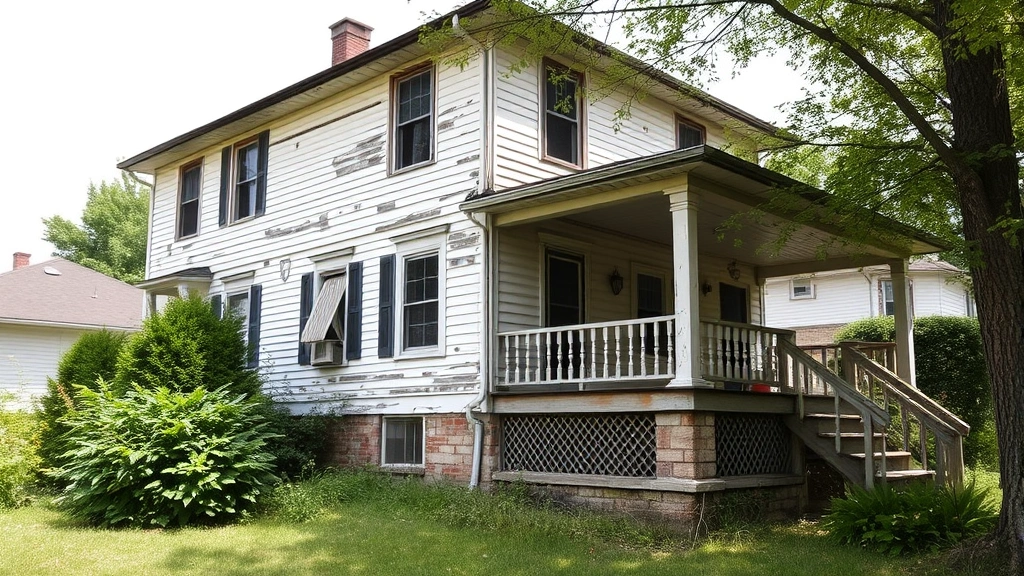
Cosmetic Fixer-Uppers require primarily surface-level improvements such as painting, flooring updates, landscaping, and modern fixtures. These properties typically have sound structural foundations but outdated aesthetics. They represent the lowest-risk investment category and often appeal to first-time investors because renovation timelines are shorter and costs are more predictable.
Structural Fixer-Uppers involve more serious issues including foundation problems, roof damage, electrical system updates, or plumbing overhauls. These require specialized expertise and significantly higher investment but can yield greater returns. According to the National Association of Realtors, homes requiring structural repairs typically sell at 20-35% discounts, creating substantial profit potential.
Combination Properties feature both cosmetic and structural issues. While they demand comprehensive renovation plans, they often represent the best value propositions when properly analyzed. The key is distinguishing between cosmetic problems that increase perceived value and structural defects that affect safety and longevity.
Before pursuing fixer-upper houses for sale, evaluate your investment capacity. Do you have adequate capital for unexpected issues? Can you manage the project timeline? Are you prepared for the stress of renovation management? Honest answers to these questions prevent costly mistakes.
Understanding local market conditions is equally important. Research neighborhood trends, comparable sales, and projected appreciation rates. Properties in emerging neighborhoods with strong job growth and infrastructure development offer better long-term appreciation potential than declining areas.

Financial Planning and Budgeting
The financial foundation of any fixer-upper investment determines its success or failure. Improper budgeting is the primary reason many investors struggle with renovation projects.
The 70% Rule is an industry standard for evaluating fixer-upper houses for sale. Calculate the property’s after-repair value (ARV), multiply by 70%, then subtract desired profit. This formula helps determine maximum purchase price. For example, if a home’s ARV is $300,000 and you want $50,000 profit, you should pay no more than $160,000 ($300,000 × 0.70 – $50,000).
However, this rule requires accurate ARV assessment. Research comparable properties in the area that have been recently sold or are currently listed. Use Zillow and local MLS data to establish realistic market values. Overestimating ARV leads to overpaying for properties and eroding profit margins.
When budgeting renovation costs, apply the 30% contingency rule. If your estimated renovation costs total $50,000, budget $65,000 ($50,000 + 30%). Unexpected issues—hidden water damage, asbestos, structural defects—frequently emerge during renovation. This cushion prevents financial strain when surprises occur.
Breaking down renovation costs by category helps with accuracy:
- Structural repairs: Foundation, roof, framing (typically 20-30% of total budget)
- Systems: Electrical, plumbing, HVAC (typically 15-25% of total budget)
- Kitchen and bathrooms: Often highest ROI improvements (typically 20-30% of total budget)
- Flooring and finishes: Paint, flooring, fixtures (typically 15-25% of total budget)
- Permits and inspections: Often overlooked but essential (typically 5-10% of total budget)
Securing adequate financing is crucial. Traditional lenders often hesitate to finance fixer-uppers because the property value may not support the loan. Consider hard money loans or construction loans specifically designed for renovation projects. These typically have higher interest rates but provide necessary flexibility. Understanding how to calculate closing costs helps you factor all expenses into your financial plan.
Factor in holding costs—property taxes, insurance, utilities—during renovation. A six-month project with $500 monthly holding costs adds $3,000 to your total investment. Longer timelines significantly impact profitability.
Property Inspection and Assessment
Thorough property inspection separates successful fixer-upper investors from those who encounter costly surprises. Never skip this critical step when evaluating fixer-upper houses for sale.
Hire a qualified home inspector to provide detailed assessment reports. While you save money by skipping this step, the risks far outweigh savings. Professional inspectors identify hidden issues that untrained eyes miss. They document findings in comprehensive reports that support your negotiating position.
Understanding the distinction between inspection and appraisal is essential. Home appraisal versus inspection serve different purposes—inspections identify defects and conditions while appraisals estimate market value. Both are important for fixer-upper investments.
Focus your inspection on these critical areas:
- Foundation: Look for cracks, settling, water intrusion, or structural movement. Foundation repairs are expensive and essential.
- Roof: Assess age, condition, and remaining lifespan. Roof replacement is a major expense that significantly impacts project budgets.
- Electrical systems: Outdated wiring, inadequate capacity, and safety hazards require professional assessment and expensive upgrades.
- Plumbing: Check for corrosion, leaks, and code compliance. Galvanized pipes and older systems often need replacement.
- HVAC systems: Age and functionality determine replacement needs. Aging systems reduce home comfort and efficiency.
- Water damage: Look for mold, rot, and moisture issues. These indicate ongoing problems requiring immediate attention.
- Pest damage: Termite, carpenter ant, and rodent damage compromises structural integrity.
Request detailed inspection reports and use them to support your purchase offers. Sellers of fixer-upper houses for sale often provide disclosure statements—review these carefully for clues about known issues.
Renovation Strategy and Timeline
Successful fixer-upper investments require strategic renovation planning that prioritizes high-impact improvements while managing timelines and budgets.
Prioritize by Impact and Necessity
Address structural and safety issues first—foundation, roof, electrical, plumbing. These improvements are non-negotiable and enable subsequent work. Cosmetic improvements follow, prioritizing kitchen and bathroom updates, which offer the highest return on investment. According to recent data, kitchen remodels return approximately 60-80% of investment while bathroom updates return 50-70%.
Create a detailed project timeline that sequences work logically. Rough work (framing, electrical, plumbing) precedes finishing work (painting, flooring, fixtures). Failing to sequence properly creates inefficiencies and delays.
Phased Approach for Extended Projects
Large renovations benefit from phased approaches that break projects into manageable stages. Complete Phase One (structural repairs and systems) before beginning Phase Two (cosmetic improvements). This approach allows earlier rental income or sale if circumstances change.
Document all renovation progress with photos and detailed records. These support insurance claims, warranty verification, and eventual property sale. Buyers want evidence that work was completed properly by qualified professionals.
Obtain all necessary permits before beginning work. While tempting to skip permits for minor work, unpermitted renovations create liability issues and complicate future sales. Buyers’ lenders often require proof of permitted work before approving mortgages.
Finding Quality Contractors
Contractor quality directly impacts renovation success. Poor workmanship creates costly delays and defects that undermine profitability.
Vetting Process
Request multiple bids from licensed, insured contractors with proven experience on similar projects. Check references and verify insurance coverage. Ask to see examples of completed work and speak with previous clients about their experiences.
Verify licensing through your state’s contractor licensing board. Ask about workers’ compensation insurance—contractors without it create liability exposure. Request proof of general liability insurance covering property damage and bodily injury.
Evaluate contractors beyond price. The lowest bid often indicates either inexperience or corner-cutting that creates problems. Mid-range bids from established contractors with excellent references typically offer best value.
Contract Management
Use detailed written contracts specifying scope of work, materials, timelines, and payment schedules. Avoid paying 100% upfront—use milestone-based payments tied to project completion stages. This incentivizes timely, quality work.
Schedule regular inspections during renovation to catch issues early. Address deficiencies immediately rather than allowing them to compound. Maintain open communication with contractors about expectations and concerns.
Build contingency into contractor timelines. Experienced contractors understand that unexpected issues extend schedules. Realistic timelines prevent frustration and relationship strain.
Market Analysis and Exit Strategy
Before purchasing fixer-upper houses for sale, develop a clear exit strategy. Will you sell the property after renovation, rent it for long-term income, or occupy it yourself?
Market Timing Considerations
Research real estate market outlook for your target area. Are prices appreciating or declining? Is inventory high or low? Are interest rates rising or falling? These factors affect both property values and buyer demand upon completion.
Consider seasonal market trends. Spring and early summer typically see higher buyer activity and better prices. Completing renovation before peak selling season maximizes buyer interest and competitive bidding.
Rental Income Alternative
Some investors prefer holding renovated properties for long-term rental income rather than immediate sale. Calculate potential rental income, property management costs, maintenance reserves, and tax implications. Compare cash-on-cash returns from rental income against sale profit potential. Each strategy offers different risk-return profiles.
Review pros and cons of renting versus buying to understand long-term implications of your chosen strategy.
Legal Considerations
Before investing significantly, consult with a real estate attorney about liability protection, tax implications, and compliance requirements. Understanding real estate legal advice helps you structure investments properly and avoid costly mistakes.
Consider entity structures—LLC, S-Corp, or partnership—that provide liability protection and tax advantages. Proper structuring from the start prevents complications later.
Ensure your buying house checklist includes legal review of all documents, title insurance verification, and lien searches. These prevent inheriting previous owner obligations or discovering title defects after purchase.
FAQ
What’s the difference between a fixer-upper and a foreclosure?
Fixer-uppers are properties requiring repairs or updates sold by motivated sellers aware of condition issues. Foreclosures are properties repossessed by lenders when owners default on mortgages. While foreclosures may be fixer-uppers, not all fixer-uppers are foreclosures. Foreclosures often sell as-is without inspection contingencies, creating higher risk for investors unfamiliar with property assessment.
How much should I spend on renovations?
The 70% rule suggests spending up to 70% of after-repair value minus desired profit. However, actual spending depends on property condition, market expectations, and exit strategy. Using the 30% contingency rule—adding 30% to estimated costs—protects against budget overruns from unexpected issues.
Can I get financing for a fixer-upper property?
Traditional lenders hesitate financing fixer-uppers because current property values may not support loan amounts. Hard money lenders, construction loans, and portfolio lenders specialize in fixer-upper financing. These typically have higher rates and fees but provide necessary flexibility. Some investors use personal funds or private money from family and friends.
What’s the best way to find fixer-upper houses for sale?
MLS listings often include distressed properties with detailed disclosures. Work with real estate agents specializing in investment properties who understand your criteria. Attend foreclosure auctions, check county tax sales, network with wholesalers, and drive neighborhoods looking for neglected properties. Networking within investor circles provides deal flow unavailable to casual buyers.
How long does a typical fixer-upper renovation take?
Cosmetic fixer-uppers typically require 2-4 months. Structural renovations take 4-12 months depending on severity. Major overhauls can extend beyond one year. Building contingency into timelines—typically adding 20-30%—accounts for unexpected delays. Weather, contractor availability, and permit processing affect actual timelines.
Should I hire a project manager for renovations?
For large or complex projects, professional project managers coordinate contractors, manage timelines, and ensure quality control. They typically cost 5-10% of renovation budget but prevent costly delays and mistakes. Smaller cosmetic projects may not justify this expense, but major renovations benefit from professional oversight.
What are the tax implications of flipping properties?
Properties held less than one year are taxed as short-term capital gains at your ordinary income tax rate. Properties held over one year qualify for long-term capital gains rates, typically lower. Consult with a tax professional about structuring investments properly and maximizing deductions for renovation expenses, carrying costs, and professional services.