Explore Costa Rican Homes: Expert Realtor Insights on Houses for Sale in Costa Rica
Costa Rica has emerged as one of Central America’s most attractive real estate markets, drawing international buyers, retirees, and investors seeking tropical paradise with modern infrastructure and stable economic conditions. Whether you’re searching for a beachfront villa in Guanacaste, a mountain retreat in the Central Valley, or an eco-friendly property in the Southern Zone, houses for sale in Costa Rica offer diverse options across multiple price points and lifestyles. The country’s investment-friendly policies, residency programs, and natural beauty make it an increasingly popular destination for those looking to relocate or diversify their real estate portfolio.
As real estate professionals specializing in international properties, we understand the unique considerations involved in purchasing Costa Rican homes. From navigating legal requirements and currency exchange to understanding regional market dynamics and property valuations, this comprehensive guide provides insider insights to help you make informed decisions when exploring the Costa Rican real estate landscape.
Costa Rica Real Estate Market Overview
The Costa Rican real estate market has experienced steady growth over the past decade, with particular strength in coastal and eco-tourism regions. According to recent market reports, property values in popular expat communities have appreciated at rates between 4-7% annually, with some premium locations experiencing higher growth. The market remains relatively stable compared to volatile stock markets, making real estate an attractive long-term investment vehicle.
Foreign ownership represents approximately 15-20% of all property transactions in Costa Rica, indicating the significant international interest in the market. The Costa Rican government actively encourages foreign investment through various incentive programs and has maintained political stability that reassures investors. When comparing investment opportunities, you might also want to explore houses for sale in Mexico or houses for sale in Puerto Rico to understand the broader Central American and Caribbean market landscape.
The currency advantage for foreign buyers has been notable, as the Costa Rican colón fluctuates against the US dollar, sometimes creating favorable purchasing conditions. Property prices typically range from $150,000 for modest homes in developing areas to over $2 million for oceanfront luxury homes for sale. Mid-range properties in established communities generally fall between $300,000-$800,000, offering excellent value for international buyers.
Top Regions for Property Investment
Pacific Coast and Guanacaste Province: This region dominates the Costa Rican real estate market, particularly areas like Tamarindo, Nosara, and Jaco. Guanacaste offers consistent dry seasons, beautiful beaches, and well-developed tourism infrastructure. Properties here range from beachfront condos to private estates, with strong rental income potential during high season. The region attracts both retirees and investors seeking vacation rental properties.
Central Valley and San José Area: The metropolitan area around San José offers more affordable properties while maintaining proximity to urban amenities, international schools, and healthcare facilities. This region is ideal for those seeking a more traditional living experience with moderate climate year-round. Properties are generally 20-30% less expensive than coastal equivalents, making it attractive for budget-conscious buyers.
Caribbean Coast: Puerto Limón and surrounding areas represent an emerging market with significant growth potential. Properties are less expensive than Pacific counterparts, and the region offers unique Caribbean culture and lush tropical environments. Development is accelerating, which may present excellent investment opportunities for those seeking appreciation potential.
Southern Zone (Uvita, Dominical, Ojochal): This region has gained popularity among younger expats and eco-conscious buyers. The Southern Zone offers stunning natural beauty, lower property prices than Guanacaste, and a more laid-back lifestyle. It’s becoming increasingly developed with improved infrastructure while maintaining its bohemian character.
Understanding the Home Buying Process
The Costa Rican property purchase process differs significantly from North American transactions. The process typically unfolds as follows: initial offer and negotiation, property inspection and due diligence, title verification, and closing through a notary public (who serves as the neutral third party rather than separate attorneys).
First, you’ll need to identify a property and negotiate terms with the seller. Unlike some markets, there’s no standard offer form—negotiations are more flexible and informal. Once terms are agreed, many buyers conduct a professional home inspection to assess the property’s condition, structural integrity, and systems.
Title verification is crucial in Costa Rica. A lawyer or real estate professional should search the National Registry (Registro Nacional) to confirm clear ownership, verify there are no liens or encumbrances, and ensure the property description matches official records. This step is non-negotiable and protects your investment.
The closing process involves a notary public (notario) who prepares the deed and ensures all legal requirements are met. The notary collects funds, verifies identity documents, and registers the property transfer in your name. Closing typically takes 30-60 days from offer acceptance, though it can be expedited if necessary. Understanding how to calculate closing costs is essential, as Costa Rican closing costs typically range from 2-3% of the purchase price.
Investment Potential and ROI
Costa Rica’s real estate market offers compelling investment opportunities with multiple revenue streams. Property appreciation, rental income, and lifestyle benefits combine to create an attractive investment proposition. The real estate market forecast 2025 indicates continued growth in Central American markets, with Costa Rica positioned as a leader.
Vacation rental properties generate substantial income during peak seasons (December-April). Many beachfront and mountain properties achieve occupancy rates of 60-75% during high season, with nightly rates ranging from $150-$400+ depending on location and amenities. Annual rental income can reach 8-12% of property value for well-managed vacation homes.
Long-term rentals to local and expat residents provide more stable, year-round income with lower management demands. Rental rates for furnished homes in popular areas range from $1,500-$4,000 monthly, with unfurnished properties renting for 20-30% less. Long-term rental yields typically range from 4-6% annually.
Property appreciation in established communities has averaged 4-7% annually, with some premium locations experiencing 8-10% appreciation during strong market periods. Developing areas may offer higher appreciation potential but carry increased risk. Diversification across regions and property types can balance growth potential with stability.
Financing Options for Foreign Buyers
Foreign nationals can finance property purchases in Costa Rica, though options differ from those available to citizens. Several local banks offer mortgages to non-residents, typically requiring 30-50% down payment and charging interest rates 1-2% higher than rates for citizens.
Major Costa Rican banks offering foreign financing include Banco Nacional, Banco de Costa Rica, and Scotiabank. Mortgage terms typically range from 15-20 years, with some lenders offering up to 25-year terms. Interest rates generally fall between 8-12%, depending on market conditions and your financial profile.
Many foreign buyers opt for cash purchases or financing through their home country banks, which often offer better rates. If you maintain accounts in the United States, US banks may finance Costa Rican properties at more favorable terms than local lenders. This requires establishing a US dollar account with the Costa Rican bank holding the mortgage.
Alternative financing through private lenders and seller financing is common in Costa Rica. Some sellers offer financing to qualified buyers, which can expedite the purchase process and provide more flexible terms than traditional banks. These arrangements require careful legal documentation to protect both parties.
Legal Considerations and Property Rights
Foreign nationals enjoy the same property ownership rights as Costa Rican citizens, with one important exception: land within 200 meters of the ocean or 500 meters of river mouths (concession zones) cannot be directly owned by foreigners. However, you can own improvements on this land through a 20-year renewable concession, or purchase through a Costa Rican corporation or holding company, which is the preferred method.
Hiring a qualified Costa Rican lawyer is essential for any real estate transaction. Your lawyer will conduct title searches, verify ownership, ensure compliance with local regulations, and protect your interests throughout the process. Legal fees typically range from 1-1.5% of the purchase price.
Environmental regulations are important considerations in Costa Rica. Many properties fall within protected zones or have environmental restrictions that limit development or modifications. Understanding these regulations before purchase is crucial, as violations can result in fines or forced restoration.
Residency status affects some aspects of property ownership and taxation. Temporary residents, permanent residents, and pensioners have different rights and obligations. Consulting with both a real estate lawyer and a tax professional ensures you understand your specific situation and obligations.
Property Taxes and Ongoing Costs
Costa Rica offers favorable property tax treatment compared to many countries. Annual property taxes are calculated based on the property’s registered value (which is often substantially lower than market value) and typically amount to 0.25% of this registered value. This results in very modest annual tax bills—often $200-$800 for average properties.
However, property valuation for tax purposes is significantly lower than market prices, creating a tax advantage for owners. A property valued at $500,000 in the market might be registered at $200,000-$250,000, resulting in proportionally lower tax assessments.
Ongoing costs include utilities (electricity, water, internet), property maintenance, insurance, and HOA fees if applicable. Electricity costs are higher than in many countries due to tropical climate cooling needs, typically ranging from $100-$300 monthly. Water costs are minimal in most areas. Property insurance ranges from $300-$1,000 annually depending on property value and location.
Lifestyle Benefits and Residency Programs
Beyond investment returns, Costa Rican property ownership opens doors to residency programs that offer lifestyle and tax benefits. The pensioner residency program requires demonstrating a monthly income of approximately $1,000 USD, while the investor residency program typically requires a $200,000 investment in real estate or business.
Permanent residency provides access to healthcare through the Costa Rican social security system (CAJA), which offers comprehensive coverage at a fraction of US costs. Many expats pay $50-$150 monthly for complete healthcare coverage, making this a significant lifestyle advantage.
When considering whether to buy or rent property, review pros and cons of renting vs buying to determine the best approach for your situation. Property ownership provides stability, control, and investment potential that renting cannot match, particularly for long-term stays.
Costa Rica’s “Pura Vida” lifestyle emphasizes natural living, community connection, and environmental stewardship. Property ownership enables full participation in this lifestyle while building equity and generating potential income. The country’s political stability, low crime rates in most expat communities, and excellent healthcare make it an ideal retirement or relocation destination.
Educational opportunities for children are excellent, with numerous international schools following American, British, or IB curricula. Property ownership near these schools provides stability for families planning long-term residence.

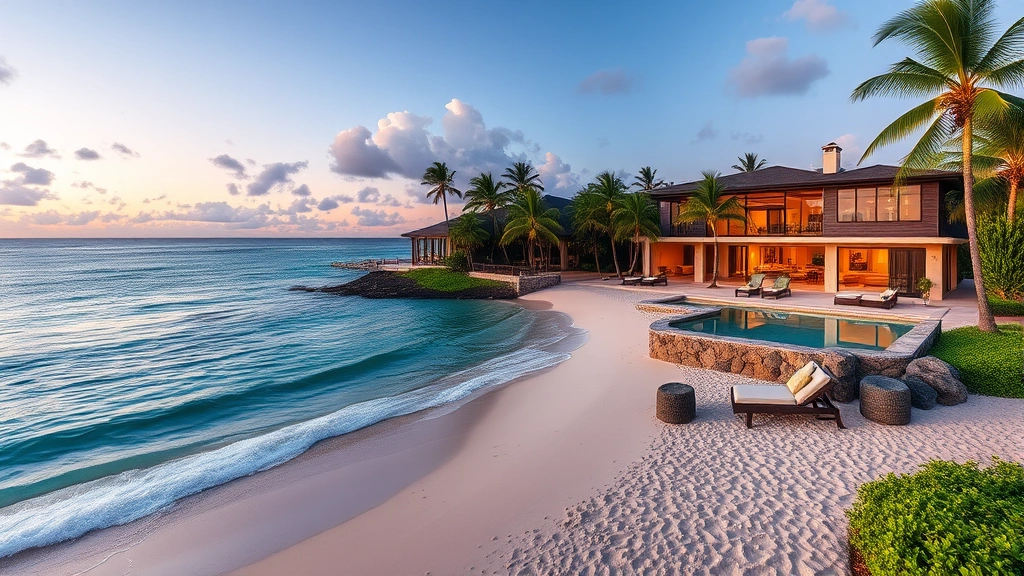
” alt=”Tropical Costa Rican beachfront villa with ocean views, palm trees, and modern architecture during golden hour”/>
Current Market Trends and Future Outlook
The Costa Rican real estate market is experiencing several notable trends. Remote work flexibility has increased demand from digital nomads and location-independent professionals seeking tropical environments with reliable internet. This has driven appreciation in areas with strong connectivity infrastructure.
Sustainable and eco-friendly properties are increasingly sought after, particularly in the Southern Zone and inland mountain areas. Green building practices, solar power systems, and water conservation features command premium prices and appeal to environmentally conscious buyers.
Development in secondary markets is accelerating. While traditional hotspots like Tamarindo remain popular, emerging areas are experiencing investment growth at lower price points. This presents opportunities for investors seeking appreciation potential in less-saturated markets.
The tourism recovery following pandemic impacts has strengthened vacation rental markets. Properties with strong rental management systems and prime locations continue to generate excellent returns, making them attractive for investors seeking income-producing assets.
Infrastructure improvements, including highway expansions and airport developments, are enhancing accessibility to previously remote areas. These improvements typically precede property appreciation, making them important indicators for investment timing.
Working with Costa Rican Real Estate Professionals
Engaging experienced real estate professionals familiar with both Costa Rican and international markets is invaluable. Bilingual realtors with established networks can access properties before they hit major listing platforms and provide insights into regional markets that online research cannot replicate.
Reputable agents are members of professional organizations such as the Costa Rican Real Estate Chamber and maintain relationships with local lawyers, inspectors, and lenders. These connections streamline the transaction process and provide referrals for trusted service providers.
When selecting an agent, verify their credentials, ask for references from previous international clients, and ensure they understand your specific goals—whether investment, vacation use, or primary residence. Clear communication about budget, timeline, and preferences helps agents identify suitable properties efficiently.
Many agents offer additional services including property management for rental properties, legal coordination, and ongoing support for new owners adjusting to Costa Rican life. These services justify the standard 5-6% commission structure, particularly for international buyers navigating unfamiliar territory.
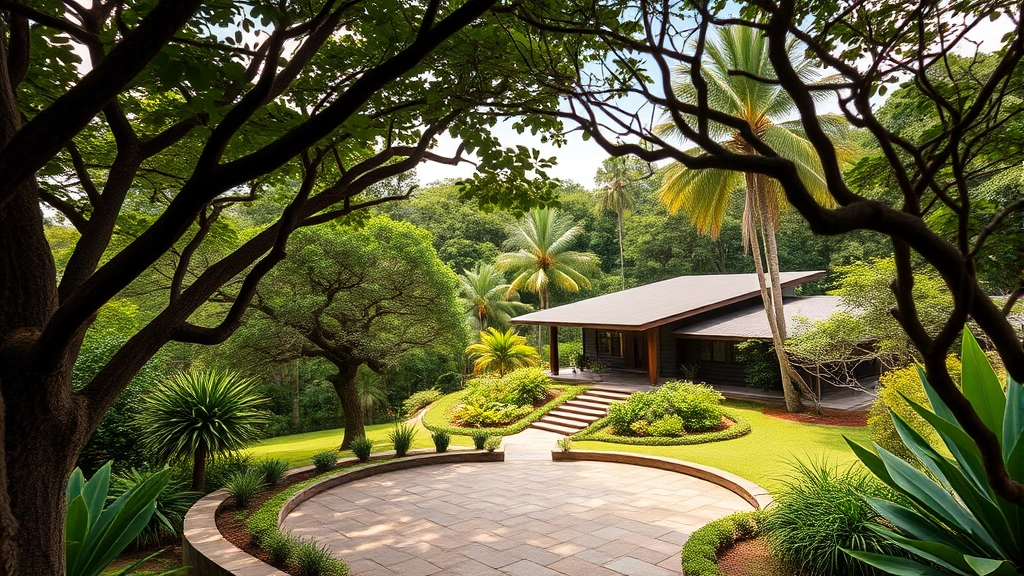
” alt=”Lush Costa Rican property with mature trees, tropical garden, stone patio, and modern home structure nestled in verdant landscape”/>
FAQ
Can foreign nationals own property in Costa Rica?
Yes, foreign nationals have the same property ownership rights as Costa Rican citizens. The primary exception involves beachfront land within 200 meters of the ocean or 500 meters of river mouths, which cannot be directly owned but can be held through 20-year renewable concessions or via a Costa Rican corporation.
What is the typical timeline for purchasing property in Costa Rica?
The complete purchase process typically requires 30-90 days from offer acceptance to closing. Title verification and legal review may take 2-4 weeks, while closing through a notary can be completed within days once all requirements are met. Expedited closings are possible if parties agree.
How much does it cost to buy property in Costa Rica?
Property prices vary dramatically by location. Budget properties in developing areas start around $150,000, while mid-range homes in established communities range from $300,000-$800,000. Premium beachfront and luxury properties exceed $1-2 million. Closing costs typically add 2-3% to the purchase price.
What are the best regions for real estate investment in Costa Rica?
Guanacaste Province (Tamarindo, Nosara) offers strong rental income potential and established markets. The Central Valley provides affordable properties near urban amenities. The Southern Zone presents emerging growth opportunities at lower price points. The Caribbean Coast represents an emerging market with significant appreciation potential.
Can I finance a Costa Rican property purchase?
Yes, local banks offer mortgages to foreign nationals, typically requiring 30-50% down payment with 8-12% interest rates. Many buyers finance through home country banks at better rates, or arrange seller financing. Cash purchases are common and may provide negotiating advantages.
What are property taxes like in Costa Rica?
Annual property taxes are calculated at 0.25% of registered property value, which is typically 40-50% lower than market value. This results in very modest tax bills—often $200-$800 annually for average properties—making Costa Rica extremely tax-favorable for property owners.
Do I need a lawyer to buy property in Costa Rica?
Yes, hiring a qualified Costa Rican lawyer is essential. Your lawyer conducts title searches, verifies ownership, ensures legal compliance, and protects your interests. Legal fees typically range from 1-1.5% of the purchase price and are well-invested for peace of mind and legal protection.
What residency programs are available through property investment?
The investor residency program typically requires a $200,000 real estate investment. The pensioner program requires demonstrating $1,000 USD monthly income. Both provide permanent residency status with access to healthcare, education, and other benefits. Consult with immigration specialists for specific current requirements.
Are there restrictions on what I can do with my property?
Environmental regulations may restrict development or modifications on properties within protected zones. Beachfront concessions have specific renewal and use requirements. Local zoning laws govern commercial use. Understanding these regulations before purchase is crucial to avoid future complications.
How strong is the rental income potential for Costa Rican properties?
Vacation rental properties in prime locations achieve 60-75% occupancy during peak season with nightly rates of $150-$400+, generating 8-12% annual returns. Long-term rentals provide 4-6% annual yields with more stable income. Actual returns depend on location, property condition, and management quality.