Greenville NC Homes for Sale: Expert Insights
Greenville, North Carolina has emerged as one of the Southeast’s most dynamic real estate markets, attracting homebuyers and investors seeking affordability, quality of life, and strong growth potential. As the home of East Carolina University and a thriving downtown revitalization, this vibrant city offers diverse housing options ranging from historic Victorian homes to modern new construction. Whether you’re a first-time buyer, seasoned investor, or looking to relocate, understanding the current Greenville real estate landscape is essential to making an informed decision.
The Greenville housing market reflects broader North Carolina trends while maintaining its own unique character. With median home prices significantly lower than national averages and a population growth rate outpacing many comparable markets, houses for sale in Greenville NC present compelling opportunities. This comprehensive guide provides expert insights into market conditions, neighborhood highlights, buying and selling strategies, and everything you need to know about finding your ideal home in this charming East Carolina community.
Current Greenville NC Real Estate Market Overview
The Greenville real estate market has experienced remarkable momentum over the past several years, driven by population growth, economic diversification, and increased investment in downtown infrastructure. According to recent data, Greenville has consistently ranked among North Carolina’s fastest-growing cities, with a population exceeding 70,000 residents. This growth translates directly into strong housing demand and diverse inventory across all price points.
Market conditions in Greenville currently favor both buyers and sellers, though dynamics vary by neighborhood and property type. The inventory of homes for sale in Greenville NC has stabilized compared to previous years, offering buyers more selection while maintaining healthy competition. Interest rate fluctuations and economic factors continue to influence buyer purchasing power, making it crucial to understand financing options and current market conditions before making your move.
The city’s appeal extends beyond real estate fundamentals. Greenville’s cultural amenities, dining scene, outdoor recreation opportunities, and educational institutions create a quality-of-life proposition that resonates with diverse demographics. The presence of ECU contributes to the market’s stability and creates consistent rental demand for investors interested in student housing and property portfolios.
Top Neighborhoods and Communities
Greenville encompasses numerous distinct neighborhoods, each offering different characteristics, price points, and lifestyle amenities. Understanding these communities helps buyers narrow their search and find properties aligned with their preferences and budget.
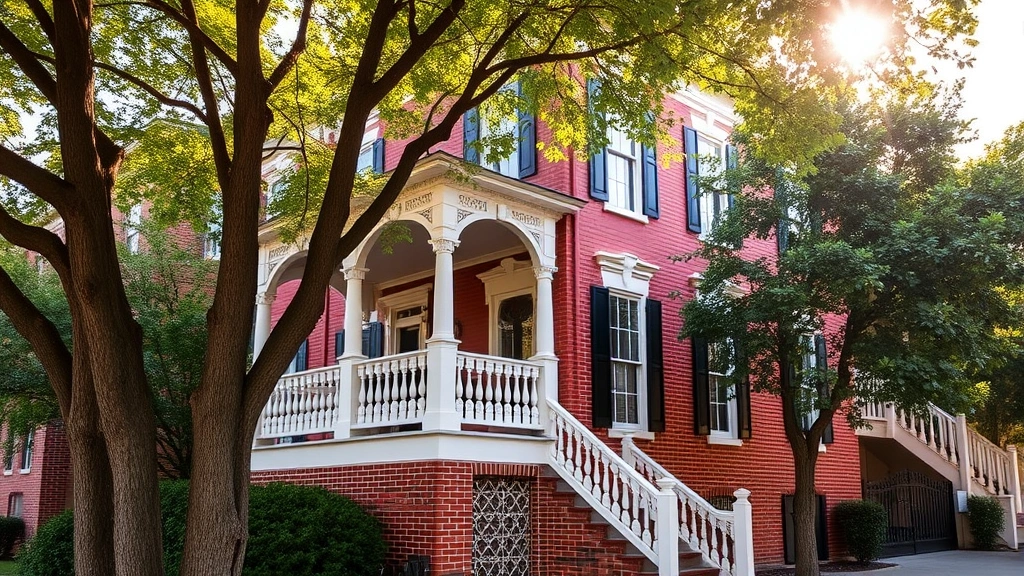
Downtown Greenville has undergone remarkable transformation, with historic lofts and new mixed-use developments attracting young professionals and urban enthusiasts. Properties in this walkable district command premium prices but offer unparalleled access to restaurants, galleries, shops, and cultural events. The downtown revitalization initiative has positioned this area as the city’s heart, with ongoing investment supporting property values.
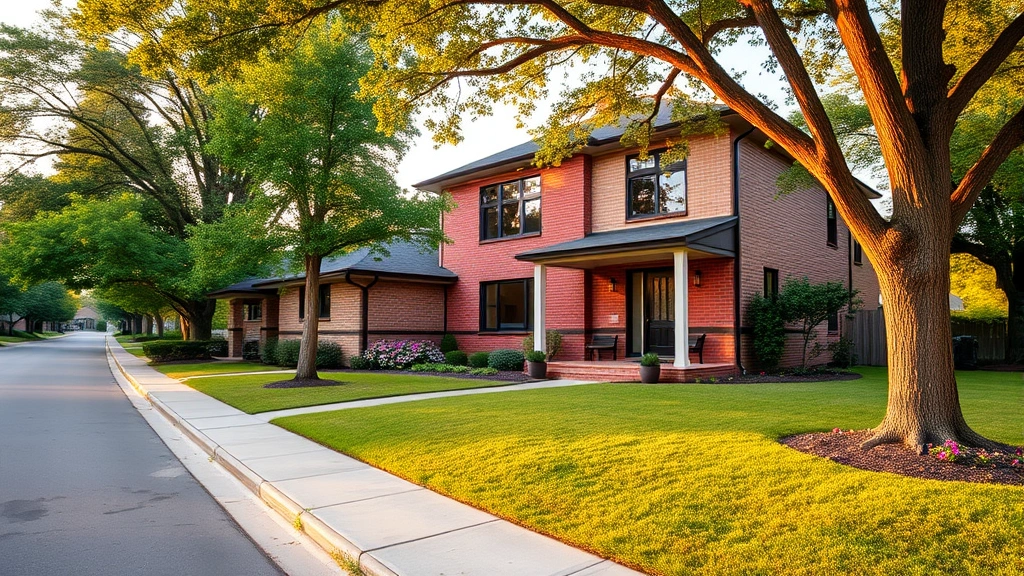
Uptown and Midtown neighborhoods offer a balance between urban convenience and residential tranquility. These established areas feature tree-lined streets, well-maintained homes ranging from early 1900s cottages to mid-century residences, and strong community identity. Families appreciate the proximity to schools, parks, and downtown amenities without the density of downtown living.
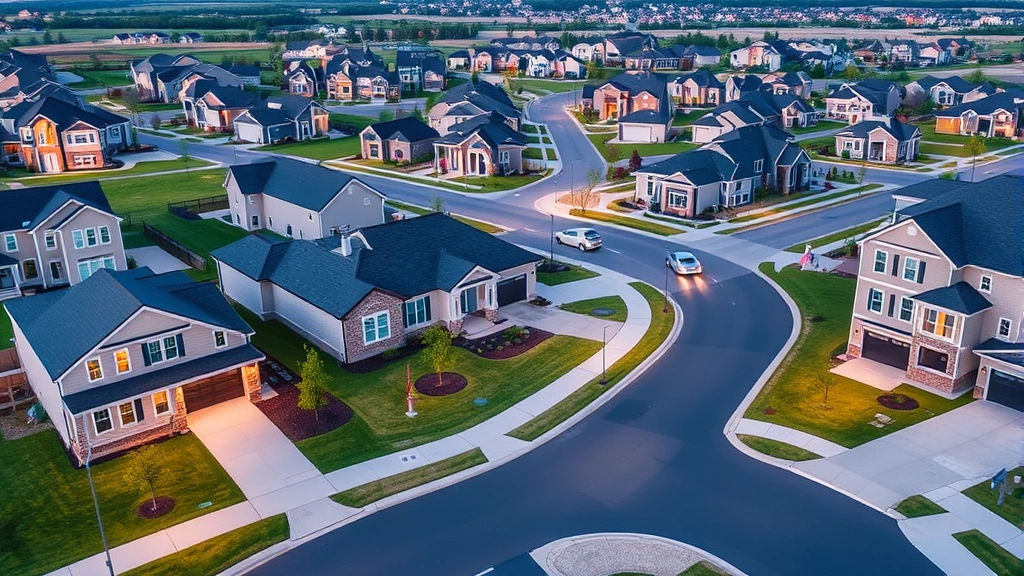
Stantonsburg Road corridor represents Greenville’s growth trajectory, with newer subdivisions and modern construction dominating this rapidly developing area. These communities appeal to buyers seeking contemporary homes, planned amenities, and newer school facilities. The area’s expansion reflects Greenville’s northeastern growth pattern and offers excellent options for those prioritizing modern features and convenience.
East Carolina area near the university attracts students, faculty, and investors seeking rental properties. This neighborhood experiences constant demand and offers opportunities for both owner-occupants and those building investment portfolios. Properties here range from modest starter homes to larger multi-unit investments.
Countryside and suburban communities surrounding Greenville appeal to families seeking larger lots, greater privacy, and a more rural feel while remaining close to urban amenities. These areas offer excellent value and attract buyers wanting space for children, gardens, and outdoor pursuits.
Home Prices and Market Trends
Greenville’s housing market offers remarkable value compared to national averages and neighboring North Carolina markets. Understanding price trends, median values, and future projections helps buyers and sellers make strategic decisions.
Current median home prices in Greenville range from approximately $185,000 to $250,000, depending on neighborhood, condition, and property type. This affordability positions Greenville competitively against markets in Chapel Hill, Raleigh, and Charlotte, making it attractive to buyers priced out of larger metropolitan areas. Entry-level homes and condos start around $120,000, while luxury properties exceed $500,000.
Price appreciation in Greenville has outpaced inflation over the past decade, with annual appreciation averaging 3-5% during stable market periods. This appreciation reflects underlying economic strength, population growth, and limited housing supply relative to demand. According to Zillow’s Greenville market data, inventory levels have normalized after pandemic-era shortages, creating a more balanced market environment.
The 2025 real estate market forecast suggests continued modest growth in Greenville, supported by economic fundamentals and regional expansion. However, buyers should remain aware of interest rate impacts on purchasing power and affordability metrics.
Different property types show varied market performance. Single-family homes dominate Greenville’s market, representing approximately 75% of sales volume. Condos and townhomes appeal to downsizers, investors, and young professionals, with inventory concentrated in downtown and midtown areas. New construction continues to expand, particularly in suburban developments offering modern amenities and energy-efficient features.
Seasonal trends affect Greenville’s real estate market, with spring and early summer typically showing peak activity and higher prices. Fall and winter often present buyer advantages, with less competition and motivated sellers. Understanding these patterns helps strategic timing for both purchases and sales.
Buying a Home in Greenville
Successfully purchasing a home in Greenville requires understanding the local market, securing financing, and working with knowledgeable professionals who understand the community’s nuances.
Getting Pre-Approved is the essential first step. Before searching for houses for sale in Greenville NC, connect with mortgage lenders to understand your purchasing power. Pre-approval demonstrates seriousness to sellers and streamlines the offer process. Consider exploring options with local lenders familiar with Greenville properties and community-specific lending programs that may offer favorable terms for qualified buyers.
Working with a Local Real Estate Agent provides invaluable advantages. Experienced agents understand neighborhood dynamics, pricing trends, inspection issues common to older homes, and negotiation strategies specific to Greenville’s market. They provide market analysis, coordinate showings, and guide you through the complex transaction process.
Making Competitive Offers requires understanding local market conditions. In Greenville’s balanced market, well-priced properties may attract multiple offers, requiring strategic positioning. Your agent can advise on appropriate offer prices, contingencies, and terms that balance competitiveness with protection.
Home Inspections are critical, particularly for older Greenville homes with historical significance or deferred maintenance. Inspectors identify structural issues, system conditions, and repairs needed. Understanding inspection results informs negotiation and renovation planning, especially important given the prevalence of homes built before 1980.
Understanding closing costs prevents surprises at the transaction’s conclusion. Closing typically involves 2-5% of purchase price in costs including appraisal, title insurance, attorney fees, and lender charges. Budget accordingly and request detailed estimates from your lender.
Consider the advantages of home ownership versus renting, particularly Greenville’s favorable price-to-rent ratios. For many buyers, monthly mortgage payments rival rental costs while building equity and providing stability.
Selling Your Property Successfully
If you’re looking to sell in Greenville, strategic planning and professional guidance maximize value and expedite the sale process. The current market environment offers excellent opportunities for sellers of well-positioned properties.
Pricing Strategy determines success. Overpriced homes languish on the market, while underpriced properties leave money on the table. Your agent should provide comprehensive comparative market analysis, examining recent sales of similar properties to determine optimal pricing. Greenville’s active market provides abundant comparables for accurate valuation.
Home Preparation and Marketing significantly impact buyer perception and offers. Professional photography, staging, and highlighting distinctive features attract qualified buyers. Emphasize Greenville’s lifestyle benefits, neighborhood character, and community amenities in your listing presentation.
Learn proven strategies for selling your house fast in Greenville’s competitive market. Strategic pricing, aggressive marketing, and professional presentation create urgency and attract serious buyers willing to act decisively.
Accepting Offers requires careful evaluation. Beyond price, consider contingencies, inspection timelines, and financing conditions. Your agent helps negotiate terms favorable to your situation, whether prioritizing speed, price, or flexibility.
Working Through Inspections and Appraisals smoothly demonstrates seller professionalism. Addressing inspection findings promptly and providing documentation of recent improvements facilitates the process and maintains buyer confidence.
Investment Opportunities
Greenville’s combination of affordability, growth trajectory, and rental demand creates compelling investment opportunities for real estate investors and portfolio builders.
Rental Market Strength drives investment demand, particularly in areas near ECU. Student housing and young professional rentals provide consistent cash flow and appreciation potential. Single-family rentals appeal to families relocating to Greenville, while multi-unit properties attract institutional investors.
Fix-and-Flip Opportunities exist throughout Greenville, particularly in neighborhoods undergoing revitalization. Older homes with good bones in emerging areas offer renovation potential and appreciation upside. Understanding local rehab costs and exit strategies is essential to investment success.
New Construction Investments appeal to those seeking turnkey properties with warranty protection and modern amenities. Greenville’s suburban growth areas continue attracting builders, offering pre-construction opportunities with potential appreciation before completion.
Diversification and Portfolio Building benefit from Greenville’s varied property types and price points. Investors can build geographically concentrated portfolios, establishing presence in a single community with multiple properties at different price levels.
Financing and Mortgage Options
Understanding available financing options optimizes your purchasing power and ensures you secure favorable terms for your Greenville home purchase.
Conventional Loans remain most common, typically requiring 10-20% down payment and strong credit scores. These loans offer competitive rates and straightforward terms, ideal for qualified buyers with solid financial profiles.
FHA Loans enable lower down payments (3.5%) and accommodate credit challenges, making them popular for first-time buyers. The National Association of Realtors provides resources on mortgage options and buyer assistance programs that may apply in Greenville.
VA and USDA Loans serve specific populations, offering favorable terms for veterans and rural property buyers. Greenville’s surrounding areas may qualify for USDA programs, expanding options for those purchasing outside the city proper.
Local and Community Lenders often provide personalized service and flexibility compared to national institutions. Greenville-based banks understand the local market and may offer programs supporting community development and first-time buyers.
Comparing renting versus buying scenarios helps determine your optimal financial strategy. For many Greenville buyers, ownership builds equity while providing lifestyle stability and community connection.
FAQ
What is the current average home price in Greenville NC?
Current median home prices in Greenville range from $185,000 to $250,000, though prices vary significantly by neighborhood, property condition, and home type. Downtown and premium areas command higher prices, while suburban and developing areas offer more affordable options. Check current listings on major platforms for real-time pricing data specific to your target neighborhoods.
What neighborhoods are best for families in Greenville?
Uptown, Midtown, and established suburban communities offer excellent family amenities including quality schools, parks, and community services. These neighborhoods balance urban convenience with residential character. Stantonsburg Road corridor provides newer construction and planned community amenities attractive to growing families. Your real estate agent can provide detailed information about school ratings and family-focused services in specific areas.
Is now a good time to buy in Greenville?
Greenville’s current balanced market offers advantages for both buyers and sellers. Inventory levels provide selection, while affordability compared to regional markets remains compelling. Interest rate environments affect purchasing power, making pre-approval essential. Consult with local agents for current market conditions and whether your personal circumstances align with buying timing.
How long do homes typically stay on the market in Greenville?
Well-priced, well-presented homes in desirable Greenville neighborhoods typically sell within 30-45 days. Market time varies by location, price point, and condition. Downtown and in-demand neighborhoods see faster sales, while properties with specific issues or less desirable locations may require longer marketing periods. Your agent can provide statistics for comparable properties in your target area.
What are the best neighborhoods for investment properties in Greenville?
Areas near ECU offer strong rental demand and consistent occupancy. Downtown properties appeal to young professionals and attract premium rents. Emerging neighborhoods undergoing revitalization present appreciation potential for fix-and-flip investors. Suburban growth areas provide newer construction opportunities. Your investment strategy, timeline, and risk tolerance should guide neighborhood selection.
How much should I budget for closing costs in Greenville?
Closing costs typically range from 2-5% of purchase price and include appraisal, title insurance, attorney fees, and lender charges. A detailed estimate from your lender provides precise figures for your transaction. Understanding how to calculate closing costs helps budget accurately and prevents transaction surprises.
What home improvements add value in Greenville?
Kitchen and bathroom updates, HVAC system replacements, and roof repairs provide strong returns. Energy efficiency improvements appeal to modern buyers and reduce utility costs. Curb appeal enhancements, deck additions, and finished basements enhance value and buyer appeal. Consult contractors familiar with Greenville’s market for improvement recommendations aligned with local preferences.
Do I need a real estate agent to buy or sell in Greenville?
While not legally required, professional agents provide invaluable expertise in market analysis, pricing strategy, negotiation, and transaction management. Local agents understand Greenville’s neighborhoods, market dynamics, and community-specific factors that significantly impact outcomes. The expertise and connections agents provide typically far exceed their commission costs through better deals and smoother transactions.