3 Bedroom House: Benefits & Buyer Insights
A 3 bedroom house for sale represents one of the most versatile and sought-after property types in today’s real estate market. Whether you’re a first-time homebuyer, a growing family, or an investor exploring rental opportunities, the three-bedroom layout offers the perfect balance between space, affordability, and functionality. This configuration has become the sweet spot for millions of American households, providing enough room for comfortable living without the excessive overhead of larger properties.
The appeal of three-bedroom homes extends far beyond basic utility. These properties command strong market demand, maintain steady appreciation rates, and offer excellent rental potential. According to recent National Association of Realtors data, three-bedroom homes represent approximately 35-40% of all residential sales, making them the most commonly purchased home configuration. If you’re considering entering the housing market or expanding your real estate portfolio, understanding the nuances of three-bedroom properties is essential to making an informed decision.
Why 3 Bedroom Homes Dominate the Market
Three-bedroom homes have earned their dominant position in the residential real estate market through a combination of practical advantages and broad appeal. The layout provides sufficient space for a family of four to five people without excessive maintenance requirements or utility costs associated with larger estates. This sweet spot in home sizing creates natural demand from multiple buyer segments simultaneously, which translates to better resale prospects and more stable property values over time.
The versatility of three-bedroom layouts cannot be overstated. Beyond serving as traditional bedrooms, these spaces can be converted into home offices, nurseries, guest rooms, or creative studios depending on the homeowner’s needs. This adaptability means that a three-bedroom house remains relevant regardless of changing life circumstances, whether someone experiences career changes, family expansion, or lifestyle modifications. The flexibility inherent in this configuration keeps these properties perpetually in demand across diverse demographic groups.
Market data consistently shows that three-bedroom homes experience lower vacancy rates when rented and attract a wider pool of potential tenants. Young professionals, small families, retirees downsizing from larger homes, and multi-generational households all find three-bedroom properties suitable. This broad appeal creates a protective effect on property values, as there’s always a substantial market ready to purchase or lease such homes during economic fluctuations.
Financial Benefits of Purchasing a 3 Bedroom House
From a financial perspective, three-bedroom homes offer compelling advantages for buyers at various economic levels. The median price point for three-bedroom properties typically falls below luxury homes yet significantly above starter homes, creating a balanced investment opportunity. This middle positioning means you’re not overextending financially while still acquiring a substantial asset with genuine equity-building potential.
The mortgage qualification process becomes more manageable with three-bedroom homes. Lenders view these properties as lower-risk investments due to their strong market demand and consistent appreciation patterns. This translates to potentially better interest rates and more favorable loan terms compared to niche property types. When evaluating your purchase, understanding how to calculate closing costs becomes crucial for accurate financial planning.
Property taxes on three-bedroom homes remain reasonable compared to larger residences, and insurance premiums stay manageable. The maintenance costs are significantly lower than homes with four or more bedrooms, reducing your long-term ownership expenses. Additionally, utility bills remain efficient, as heating and cooling smaller square footage costs considerably less than maintaining a five-bedroom estate. These cumulative financial advantages make three-bedroom homes exceptionally attractive for budget-conscious buyers seeking long-term wealth building.
For investment-minded purchasers, the financial case strengthens considerably. The combination of affordable purchase prices, strong rental demand, and reasonable operating expenses creates an attractive cash flow scenario. Many real estate investors specifically target three-bedroom homes because they achieve superior cap rates compared to larger properties while maintaining lower vacancy risk.
Ideal Buyer Profiles for Three Bedroom Properties
Several distinct buyer categories find three-bedroom homes perfectly suited to their needs. First-time homebuyers represent the largest segment, as these properties offer an accessible entry point into homeownership without requiring the substantial financial commitment of larger homes. Young couples and single professionals appreciate the balance between having adequate space and maintaining affordable monthly payments.
Growing families with one to two children find three-bedroom homes ideal for their current circumstances while allowing room for potential expansion without requiring immediate relocation. Parents appreciate having a master suite separate from children’s bedrooms, plus a guest room for visiting relatives. This configuration supports healthy family dynamics while maintaining manageable household operations.
Empty nesters and retirees represent another significant buyer demographic. Those downsizing from larger family homes appreciate the reduced maintenance burden while retaining sufficient space for hobbies, home offices, and guest accommodations. The three-bedroom layout prevents the isolation sometimes associated with one or two-bedroom retirement properties, while still offering the simplified living these buyers seek.
Investors exploring real estate as an income source should consider learning how to become a landlord by starting with three-bedroom properties. These homes attract responsible long-term tenants seeking stable living situations, resulting in lower turnover and more predictable income streams.
Investment Potential and Rental Income
The investment case for three-bedroom homes extends well beyond primary residence purchases. These properties consistently demonstrate strong rental income potential, with tenant demand remaining steady across economic cycles. The typical three-bedroom home in most markets commands monthly rents ranging from $1,500 to $3,500 depending on location, condition, and local market dynamics.
Rental yields on three-bedroom properties often exceed those of single-family homes with fewer bedrooms, as the additional space justifies higher rents while maintaining competitive positioning against two-bedroom alternatives. Property managers report that three-bedroom rentals experience average vacancy rates of 5-7% compared to 8-12% for smaller units, demonstrating the strong tenant preference for this configuration.
For those interested in more aggressive real estate strategies, understanding house flipping business plans reveals that three-bedroom homes represent popular flip candidates. The combination of reasonable acquisition costs, strong buyer demand, and manageable renovation scopes makes these properties attractive for value-add strategies. Many successful flippers specifically target three-bedroom homes as their primary inventory focus.
The appreciation potential of three-bedroom homes historically matches or exceeds broader market averages. Over 10-year periods, these properties typically appreciate 3-4% annually, building substantial equity for patient investors. Combined with rental income during holding periods, three-bedroom investment properties can generate compelling total returns.
Key Features to Evaluate When Buying
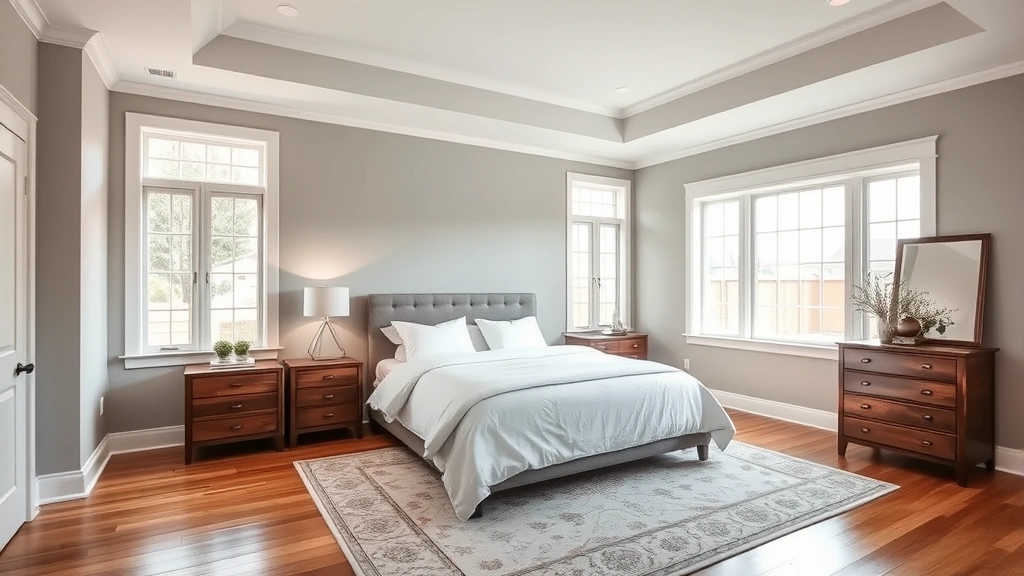
When evaluating a 3 bedroom house for sale, certain features warrant particular attention to ensure you’re making a sound investment. The bedroom layout and placement significantly impacts functionality. Master suites with ensuite bathrooms command premium values, while secondary bedrooms should offer adequate closet space and natural light. Bedrooms separated by distance or walls provide privacy beneficial for families with multiple occupants.
Bathroom count becomes increasingly important as bedrooms increase. While a single bathroom might suffice for a one-bedroom apartment, three-bedroom homes ideally include at least two bathrooms, preferably 2.5. Multiple bathrooms reduce morning congestion and increase property appeal to potential renters or future buyers. En-suite bathrooms in secondary bedrooms add significant value for investment properties.
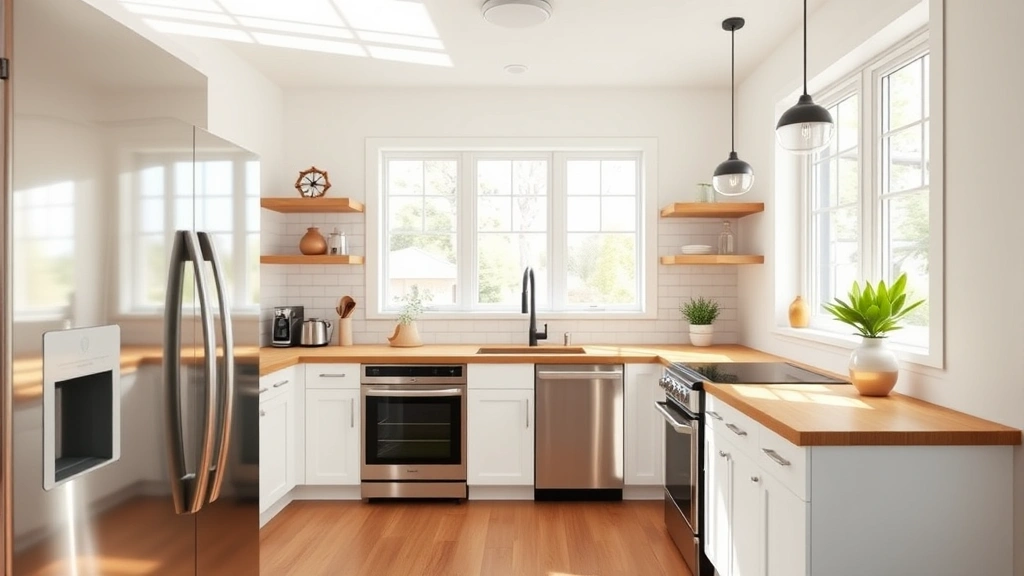
The kitchen represents a critical evaluation point. Modern kitchens with updated appliances, adequate counter space, and storage attract premium prices and command higher rents. Open-concept layouts connecting kitchens to living areas appeal to contemporary buyers, while older galley kitchens may require renovation to maximize property value.
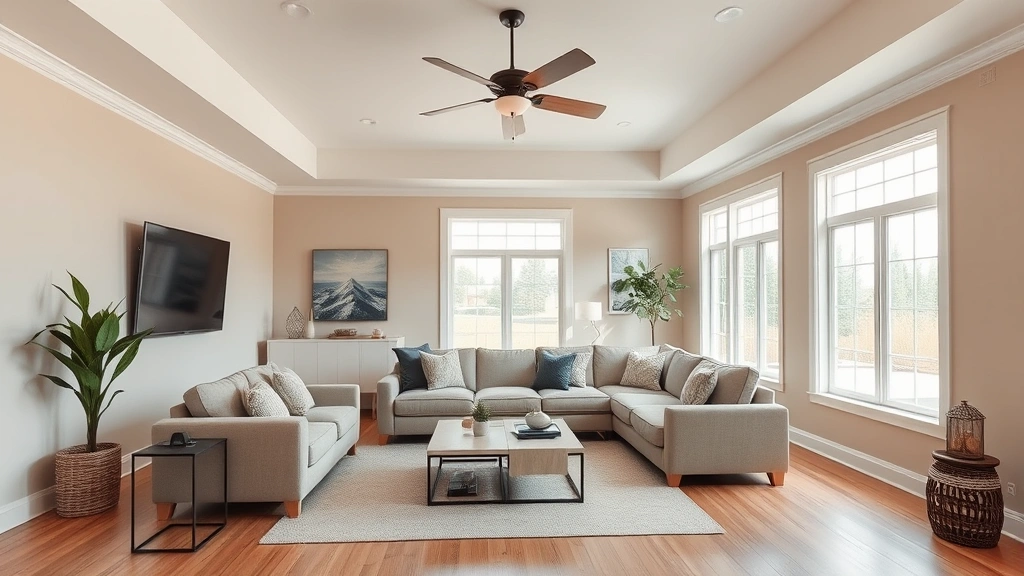
Living space configuration impacts daily functionality and perceived value. Separate dining areas, family rooms, and living rooms provide flexibility, while homes with only one main living space feel cramped despite adequate square footage. Storage throughout the home—including closets, pantries, and utility spaces—contributes significantly to buyer satisfaction and rental appeal.
Foundation condition, roof age, HVAC systems, and electrical infrastructure represent crucial structural considerations. These systems directly impact long-term ownership costs and property insurability. Homes with recently replaced roofs, updated electrical systems, and modern HVAC equipment command premium pricing due to reduced future expense uncertainty.
Outdoor space including yards, patios, or decks adds significant value. Properties with fenced yards appeal particularly to families with children and pets, while patios and decks extend living space during favorable weather months. Even modest outdoor improvements can substantially increase property appeal.
Location Considerations for Maximum Value
The location of a three-bedroom home dramatically influences its value, appreciation potential, and rental income. School district quality represents one of the most significant location factors, even for buyers without children. Homes in highly-rated school districts command 10-20% premiums over identical properties in lower-performing districts, as families prioritize educational quality.
Proximity to employment centers, shopping, and entertainment significantly impacts property desirability. Three-bedroom homes within reasonable commuting distance to major job markets attract premium prices and experience faster sales. Urban and suburban properties near public transportation offer particular appeal to professionals and younger buyers seeking reduced commuting times.
Neighborhood safety, amenity access, and community character influence both purchase prices and rental appeal. Properties in neighborhoods with parks, recreational facilities, and active community programs attract families willing to pay premiums. Conversely, neighborhoods experiencing decline or high crime rates face downward price pressure regardless of individual home quality.
Understanding the real estate market outlook for 2025 helps identify locations positioned for strong appreciation. Emerging neighborhoods with improving infrastructure and demographic trends offer excellent long-term value, while established desirable areas provide stability and consistent demand.
Access to quality restaurants, shopping centers, and entertainment venues adds lifestyle appeal that justifies premium pricing. Homes in walkable neighborhoods with vibrant commercial districts attract premium values compared to car-dependent locations with limited amenities.
Comparing 3 Bedroom Homes Across Markets
Three-bedroom home values vary dramatically across different geographic markets. A three-bedroom house that costs $350,000 in suburban Texas might command $650,000 in California or $800,000 in the Northeast. Understanding these regional variations helps buyers identify markets offering optimal value relative to their financial circumstances and investment goals.
Coastal markets typically command 40-60% premiums over inland areas, reflecting demand from affluent buyers and limited available land. Metropolitan areas with strong job growth and population inflows show three-bedroom homes appreciating faster than rural or declining regions. Secondary cities experiencing revitalization often offer excellent value opportunities as three-bedroom properties appreciate toward primary market levels.
Regional economic factors significantly influence three-bedroom home values. Markets dominated by technology, healthcare, or finance industries typically show stronger appreciation than areas dependent on declining industries. Population migration patterns reveal where three-bedroom homes will experience increasing demand and rising values.
Before making a location decision, prospective buyers should research Zillow housing market data and Redfin market reports for specific regions of interest. These resources provide detailed pricing trends, inventory levels, and market forecasts essential for informed decision-making.
The decision between renting and buying becomes particularly relevant when comparing three-bedroom options. Understanding the pros and cons of renting versus buying helps determine whether purchasing a three-bedroom home aligns with your financial goals and lifestyle preferences.
Seasonal market variations affect three-bedroom home availability and pricing. Spring and early summer typically bring increased inventory and buyer activity, often resulting in higher prices due to increased competition. Fall and winter markets frequently feature less inventory but more motivated sellers, potentially offering better negotiating opportunities for strategic buyers.
FAQ
What is the average price of a 3 bedroom house?
The average three-bedroom home price varies significantly by region. In 2024, the national median ranges from approximately $280,000 in lower-cost areas to over $700,000 in expensive coastal markets. Suburban three-bedroom homes typically cost $350,000-$450,000, while urban properties in major metropolitan areas often exceed $500,000. Consult local Realtor.com market data for specific regional pricing information.
Is a 3 bedroom house good for investment?
Yes, three-bedroom homes represent excellent investment properties. They attract strong tenant demand, generate competitive rental yields, and maintain consistent appreciation. The broad market appeal ensures reliable resale liquidity, while reasonable acquisition costs allow investors to build diversified portfolios. Many successful real estate investors focus specifically on three-bedroom homes as their primary investment strategy.
How much space does a 3 bedroom house typically have?
Three-bedroom homes typically range from 1,200-1,800 square feet, though this varies by region and property age. Older homes often feature smaller footprints (1,200-1,400 sq ft), while modern construction typically provides 1,500-1,800 square feet. Lot sizes vary from compact urban properties under 3,000 square feet to suburban homes on quarter-acre plots.
What should I look for when buying a 3 bedroom house?
Priority evaluation areas include: bedroom layout and closet space, bathroom count and condition, kitchen quality and functionality, roof and foundation integrity, HVAC system age, electrical system adequacy, natural light and ventilation, outdoor space, neighborhood quality, school district ratings, and proximity to employment and amenities. Professional home inspections reveal critical structural and mechanical issues before purchase.
Can I rent out a 3 bedroom house?
Three-bedroom homes represent highly rentable properties with strong tenant demand. These properties generate monthly rents of $1,500-$3,500 depending on location and condition, with typical vacancy rates of 5-7%. Families seeking stable housing particularly value three-bedroom rentals, resulting in longer lease terms and more reliable tenants compared to smaller units.
What modern features add value to 3 bedroom homes?
Contemporary features that enhance value include: updated kitchens with quality appliances, open-concept living spaces, smart home technology, energy-efficient windows and HVAC systems, modern bathrooms with spa features, hardwood or luxury vinyl flooring, fresh paint and landscaping, and outdoor living spaces. These improvements particularly appeal to younger buyers and renters seeking contemporary amenities.
How long does it typically take to sell a 3 bedroom house?
Market conditions significantly influence selling timelines. In strong seller’s markets, three-bedroom homes typically sell within 30-45 days. Balanced markets see average listing periods of 60-90 days. Buyer’s markets may require 120+ days, particularly for properties requiring renovation. Proper pricing, professional marketing, and home condition substantially impact selling speed.