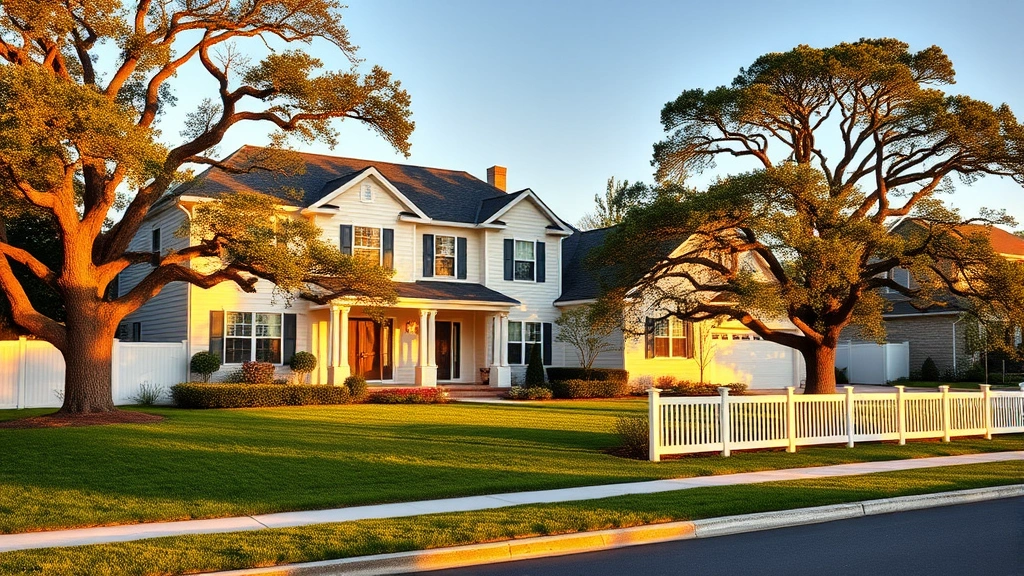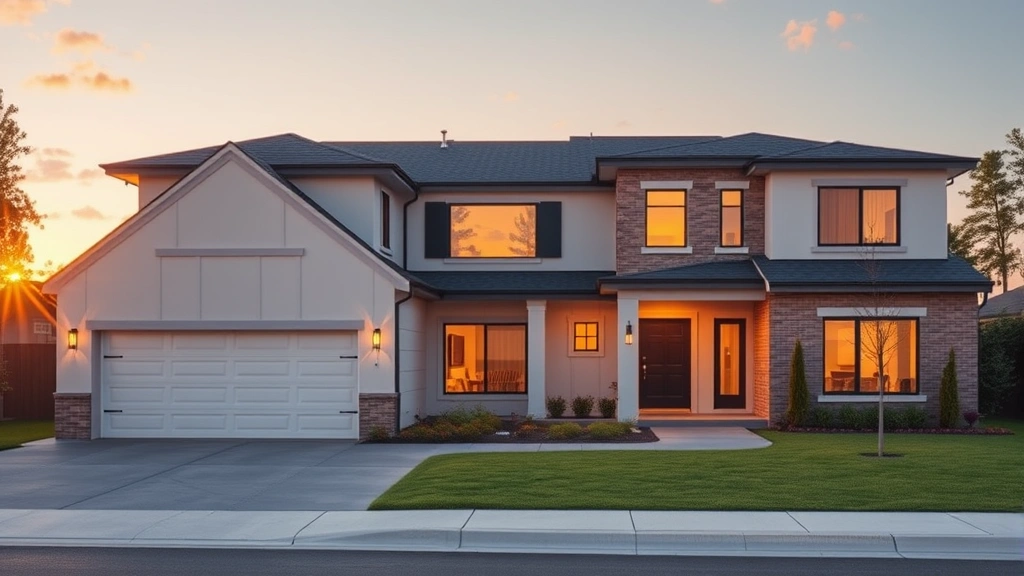
Is a 6-Bedroom House Right for You? Expert Insights
Purchasing a 6-bedroom house for sale represents one of the most significant decisions a homebuyer can make. With six bedrooms, you’re looking at a substantial property that offers flexibility for growing families, home offices, guest accommodations, and creative living spaces. However, before you fall in love with that spacious floor plan, it’s crucial to understand whether a 6-bedroom home truly aligns with your lifestyle, financial situation, and long-term goals.
A 6-bedroom house typically ranges from 3,500 to 5,500+ square feet, depending on regional building standards and architectural design. These homes command premium prices in most markets and come with proportionally higher maintenance costs, utility expenses, and property taxes. This comprehensive guide will walk you through the essential considerations to help you determine if a 6-bedroom property is the right fit for your family and investment portfolio.
Understanding 6-Bedroom Home Layouts and Configurations
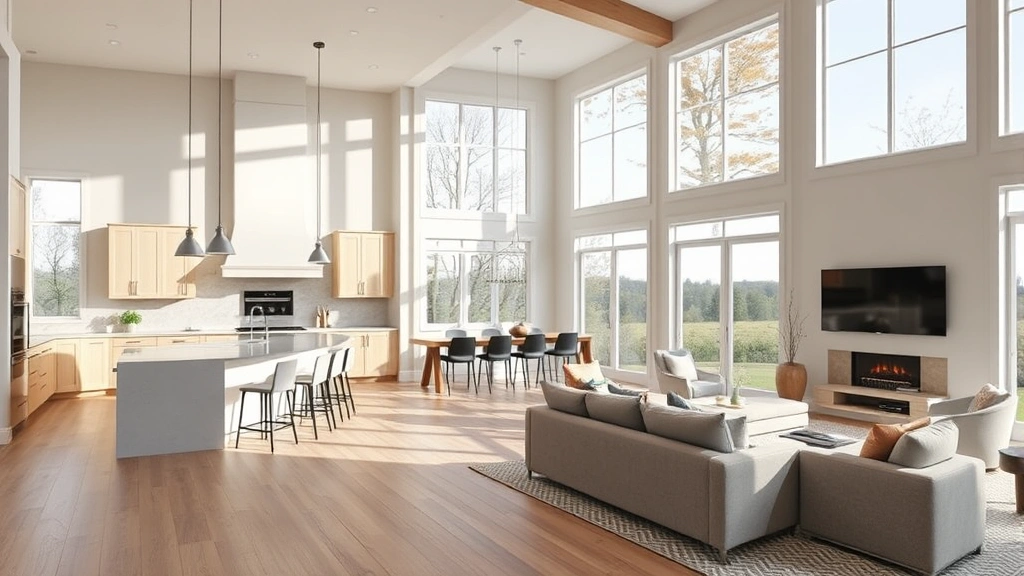
When shopping for a 6 bedroom house, you’ll encounter diverse architectural layouts that significantly impact livability. Traditional configurations might include a master suite with ensuite bathroom, five additional bedrooms distributed across one or two additional floors, multiple full bathrooms, a spacious kitchen, formal dining room, living areas, and often a home office or den.
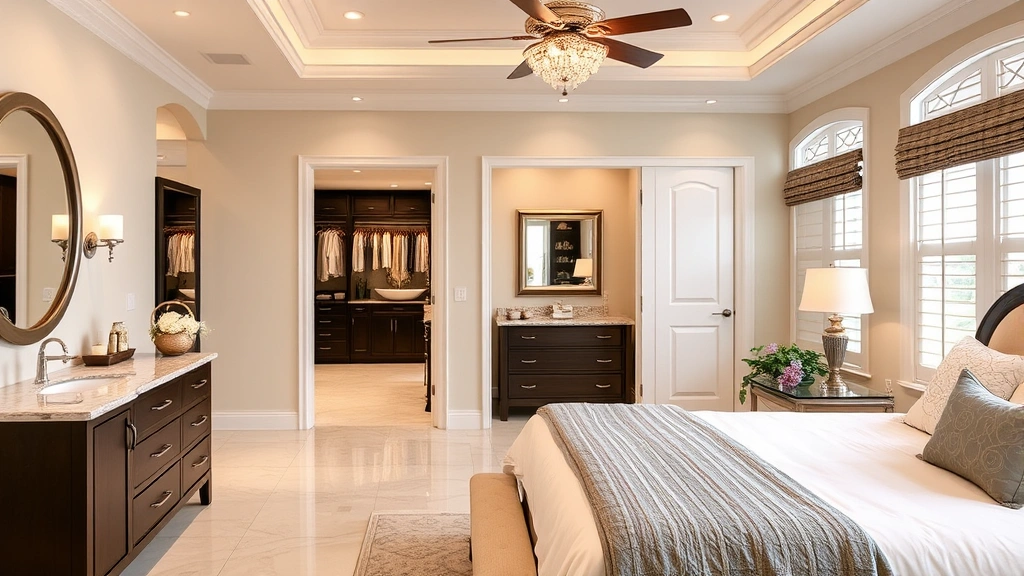
Modern 6-bedroom homes frequently feature open-concept living spaces combined with dedicated private areas. Some layouts emphasize a luxurious primary suite with sitting areas and spa-like bathrooms, while others focus on maximizing bedroom count for larger families. It’s essential to evaluate how the bedrooms are distributed—are they clustered together or spread across different wings? This affects supervision of younger children, noise levels, and the ability to create separate living zones within the home.
Consider the functionality of each space. Are all six bedrooms equally sized and desirable, or do some feel cramped or awkwardly positioned? Secondary bedrooms might serve as guest rooms, children’s bedrooms, a home office, a gym, or hobby space. The versatility of these rooms adds significant value to your daily life and the property’s appeal to future buyers.
Before committing to any property, ensure you understand the complete buying a house checklist specific to larger homes, which may include additional inspections for systems serving expansive square footage.
Financial Considerations and Affordability
The financial reality of purchasing a 6-bedroom house extends far beyond the listing price. According to recent data from the National Association of Realtors, larger homes typically represent 20-30% higher price points than median homes in their markets. Before pursuing this significant investment, conduct a thorough financial assessment.
First, evaluate your down payment capacity. Most lenders require 10-20% down on residential properties, meaning a $600,000 6-bedroom home would require $60,000-$120,000 upfront. Beyond the down payment, you’ll face closing costs ranging from 2-5% of the purchase price. Use our detailed guide on how to calculate closing costs to understand all expenses involved.
Monthly mortgage payments on larger properties are substantially higher. With current interest rates typically ranging from 6-7%, a $500,000 mortgage over 30 years translates to approximately $3,000-$3,500 monthly. When combined with property taxes, homeowners insurance, HOA fees (if applicable), and maintenance reserves, your total monthly housing costs could easily exceed $5,000-$6,000.
Consider whether this represents a sustainable percentage of your gross household income. Most financial advisors recommend housing costs not exceed 28-30% of gross income. For a 6-bedroom home, you’ll want household income of at least $200,000-$250,000 annually to comfortably afford the property while maintaining financial flexibility for savings, investments, and unexpected expenses.
Lifestyle and Family Needs Assessment
Beyond financial capacity, honestly evaluate whether your lifestyle actually benefits from six bedrooms. Large families with multiple children, extended family members, or frequent guests may genuinely need this space. Conversely, empty nesters or couples without children may find themselves heating, cooling, and maintaining unnecessary square footage.
Think about your daily life in five or ten years. Will your children still be living at home, or will you be managing a house primarily for occasional visits? Do you frequently host extended family or maintain an active social calendar requiring guest accommodations? Will you operate a home-based business requiring dedicated office space?
The flexibility of a 6-bedroom home is valuable, but it comes with responsibility. Each bedroom requires regular maintenance, cleaning, and climate control. If you’re not using all the space, you’re essentially paying premium prices for storage and unused rooms. Many families discover they’re happier and less stressed in 4-bedroom homes that feel appropriately sized for their actual needs.
Conversely, if your family is expanding, multigenerational living is important to you, or you want dedicated spaces for hobbies and work, a 6-bedroom property might be perfect. The key is ensuring you’re purchasing based on genuine lifestyle needs rather than aspirational fantasies.
Maintenance and Operational Costs
Larger homes demand proportionally higher maintenance investments. While a 3-bedroom home might require $5,000-$8,000 annually for routine maintenance and repairs, a 6-bedroom property typically needs $10,000-$15,000 or more. This includes HVAC system maintenance, roof inspections and repairs, plumbing issues, foundation concerns, and general upkeep across significantly more square footage.
Utility costs deserve particular attention. Heating and cooling a 5,000+ square foot home costs substantially more than a typical 2,500 square foot home. Even with efficient systems, you might expect annual utility bills of $3,000-$5,000 or higher, depending on your climate zone. Energy-efficient upgrades can help, but they represent significant upfront investments.
Landscaping and exterior maintenance also scale with property size. Larger lots often require professional lawn care, which costs $100-$300 monthly. Pool maintenance, if applicable, adds another $150-$300 monthly. Gutter cleaning, pressure washing, and exterior painting become more expensive on larger homes.
Property taxes represent another substantial ongoing expense directly correlated to home size and value. Our comprehensive guide on how to calculate property tax explains how these costs are determined and what you can expect in your area.
To protect your investment, establish a maintenance reserve fund of 1-2% of the home’s value annually. For a $600,000 property, this means setting aside $6,000-$12,000 yearly for unexpected repairs and replacements.
Market Demand and Resale Potential
While a 6-bedroom house might be perfect for your current needs, consider future marketability. Larger homes appeal to a narrower buyer pool than mid-sized properties. When you eventually sell, you’ll be competing with fewer potential purchasers, which can impact your negotiating position and selling timeline.
Market demand varies significantly by geography. In affluent suburban markets and areas with strong family populations, 6-bedroom homes sell relatively quickly. In urban cores, college towns, or areas with significant renter populations, these large homes may languish on the market.
Check recent sales data for comparable 6-bedroom properties in your target area. How long do they typically stay on market? What percentage of asking price do they command? Are prices appreciating or declining? These metrics help you understand whether you’re making a wise investment.
Consulting with a knowledgeable real estate agent in your area can provide invaluable insights into local market trends for larger properties. They can identify neighborhoods where 6-bedroom homes are in high demand versus areas where smaller homes dominate.
Location and Neighborhood Factors
The location of your 6-bedroom home matters as much as the property itself. Larger homes typically command premium prices in desirable neighborhoods with excellent schools, low crime rates, and convenient access to amenities. However, you might find more affordable 6-bedroom options in developing neighborhoods or less centrally-located areas.
Evaluate your commute to work, schools, shopping, and entertainment. Larger homes often sit on substantial lots on the outskirts of communities, meaning longer commutes and less walkability. This might suit your family’s needs or create daily frustrations depending on your lifestyle preferences.
Research neighborhood trends and future development plans. Are new commercial areas being developed nearby? Are property values appreciating or declining? Is the school district expanding or contracting? These factors influence your home’s future value and your quality of life.
Visit the neighborhood at different times of day and on weekends. Talk to current residents about their experiences. Understanding the community context ensures your 6-bedroom investment fits your broader lifestyle vision, not just your real estate portfolio.
Energy Efficiency in Larger Homes
Energy efficiency becomes increasingly important in larger homes where utility costs represent substantial monthly expenses. A 6-bedroom home with modern energy-efficient features can operate significantly more economically than an older home of similar size.
Look for properties featuring high-performance HVAC systems with smart thermostats, quality insulation, Energy Star-certified appliances, LED lighting throughout, and modern windows with low-emissivity coatings. Solar panel installations can dramatically reduce long-term energy costs, though they require substantial upfront investment.
When evaluating properties, request energy audit reports if available. These documents detail the home’s energy consumption patterns and identify improvement opportunities. Understanding energy performance helps you estimate realistic utility costs and identify cost-saving upgrades.
Consider that energy-efficient upgrades often qualify for federal tax credits and rebates, making initial investments more affordable. Over the life of your ownership, improved energy efficiency can save tens of thousands of dollars while reducing your environmental footprint.
The Zillow home listings often include energy information for many properties, helping you compare efficiency metrics across different 6-bedroom options in your market.
FAQ
How much does it cost to maintain a 6-bedroom house annually?
Maintenance costs typically range from $10,000-$15,000 annually, or 1-2% of the home’s value. This includes HVAC servicing, roof inspections, plumbing repairs, painting, landscaping, and general upkeep. Costs vary based on the home’s age, condition, and regional factors.
Is a 6-bedroom house a good investment?
A 6-bedroom house can be an excellent investment if you genuinely need the space, purchase in a desirable location with strong market demand, and can comfortably afford all associated costs. However, if you’re purchasing speculatively or stretching your budget, it may not deliver the returns you expect. Research local market trends and consult with real estate professionals before committing.
What should I look for during a home inspection for a 6-bedroom house?
During inspection, pay special attention to HVAC systems serving large square footage, roof condition, foundation integrity, plumbing systems, electrical capacity, and major appliances. Given the property’s size, structural issues are more costly to repair. Our guide on home appraisal vs inspection differences explains what professional inspectors evaluate.
Can I afford a 6-bedroom house on a $150,000 annual income?
Affordability depends on down payment, existing debt, and local property prices. Generally, a $150,000 annual household income supports a home price around $450,000-$525,000 after accounting for debt-to-income ratios. In expensive markets, this might not purchase a quality 6-bedroom home, while in affordable areas, it might. Consult with mortgage lenders to understand your specific borrowing capacity.
What’s the difference between renting and buying a large home?
Renting offers flexibility and predictable monthly costs, while buying provides equity building, tax deductions, and control over your space. For large homes, the financial advantages of buying typically outweigh renting if you plan to stay 7+ years. See our analysis on pros and cons of renting vs buying for detailed comparison.
How long do 6-bedroom homes typically take to sell?
Market time varies by location and market conditions. In desirable areas with strong demand for larger homes, they might sell within 30-60 days. In less competitive markets, they could remain listed for 90-180 days or longer. Consult local real estate agents for accurate market timing expectations in your area.
What are the property tax implications of owning a 6-bedroom house?
Property taxes are calculated based on assessed value and local tax rates, which vary significantly by location. A $600,000 home in a 1% tax jurisdiction costs $6,000 annually, while the same home in a 2% jurisdiction costs $12,000 yearly. Understanding local property tax rates is crucial for accurate affordability calculations.