Buying a House in Japan? Expert Insights for International Buyers
Japan’s real estate market presents a unique opportunity for international buyers seeking to invest in property or establish a permanent residence in one of Asia’s most developed nations. With its stable economy, excellent infrastructure, and rich cultural heritage, Japan attracts investors from around the world. However, purchasing japan houses for sale involves navigating complex regulations, cultural considerations, and financial processes that differ significantly from real estate transactions in Western countries.
Whether you’re considering a residential property in Tokyo, Osaka, or rural Japan, understanding the local market dynamics, legal requirements, and financing options is essential. This comprehensive guide provides expert insights to help you make an informed decision when buying property in Japan, covering everything from eligibility requirements to negotiation strategies and long-term investment considerations.
Eligibility Requirements for Foreign Buyers
One of the first questions international buyers ask is whether they can legally purchase property in Japan. The good news is that Japan generally allows foreign nationals to buy residential and commercial real estate without requiring permanent residency status. However, several conditions and restrictions apply depending on your nationality, visa status, and the type of property you wish to purchase.
Foreign buyers must establish a valid reason for their purchase, such as personal residence, investment, or business purposes. You’ll need to provide documentation proving your identity, financial capacity, and the source of funds. Unlike some countries, Japan doesn’t impose restrictions on property ownership by foreigners in most regions, though certain prefectures and municipalities may have specific local regulations.
To initiate the purchase process, you must open a Japanese bank account, which typically requires proof of address in Japan. Many foreign buyers establish a temporary address or use their company’s registered address. Additionally, you’ll need a personal seal (called an “inkan”) registered with local authorities, which serves as your official signature in Japan. Working with a qualified real estate agent and immigration attorney familiar with foreign buyer transactions is strongly recommended to navigate these requirements successfully.
Understanding Japan’s Real Estate Market
Japan’s property market operates quite differently from Western real estate markets. Tokyo, as the nation’s capital and largest metropolitan area, commands premium prices, with residential properties ranging significantly based on location, size, and age. According to recent data from the National Association of Realtors, international property investments in Japan have remained relatively stable despite global economic fluctuations.
The market is characterized by several unique features. Property values in Japan don’t necessarily appreciate like in other countries; many Japanese properties, particularly older homes, actually depreciate over time. This contrasts sharply with the appreciation-focused mentality in Western real estate. The Japanese market values newer construction and modern amenities, meaning older homes often sell at significant discounts. This presents opportunities for investors seeking houses for sale under 500k or those interested in renovation projects.
Regional variations are substantial. Urban centers like Tokyo, Osaka, and Kyoto maintain higher property values and rental yields, making them attractive for investor-focused buyers. Suburban and rural areas offer significantly lower prices but may present challenges with tenant demand and resale potential. The demographic shift toward an aging population and urban migration patterns continues to influence market dynamics across different regions.
Current market trends show increased interest from international investors seeking diversification. Zillow’s international property resources indicate growing awareness of Japan’s market among Western investors. Many buyers are drawn to Japan’s political stability, low interest rates, and strong yen exchange rates that may provide currency advantages depending on your home country.
Types of Properties Available
Japan offers various property types suitable for different buyer profiles and investment strategies. Understanding these categories helps you identify properties matching your needs and budget.
Single-family homes (戸建て – “Detached Houses”) remain popular among families and those seeking privacy. These properties range from modern new constructions to traditional wooden homes in rural areas. Many foreign buyers interested in 4-bedroom houses for sale find excellent options in suburban Tokyo, Osaka, and other major cities. Detached homes typically offer more space and outdoor areas compared to apartments, though they may require more maintenance.
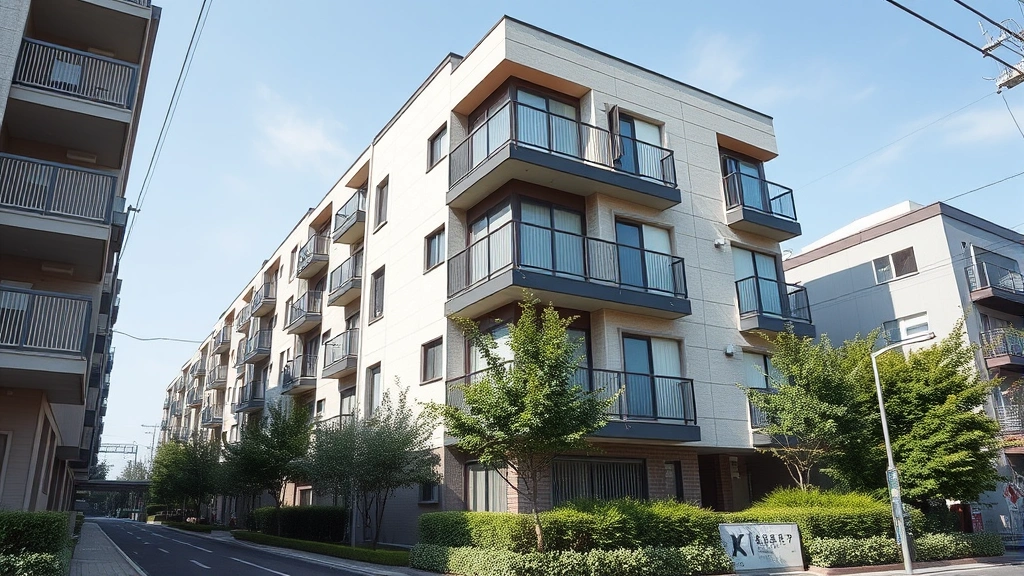
Apartments and Condominiums (マンション – “Mansions”) dominate urban real estate markets and appeal to investors seeking rental income. These range from compact studios to spacious multi-bedroom units in high-rise buildings. Condominiums typically include maintenance fees covering building upkeep, common areas, and security services. This property type offers excellent liquidity in major metropolitan areas.
Traditional Japanese homes (木造住宅) appeal to cultural enthusiasts and those seeking authentic experiences. These wooden structures feature traditional design elements and require specialized knowledge for maintenance and renovation. While charming and culturally significant, older wooden homes may present structural challenges and depreciation concerns.
Investment properties and commercial real estate attract business-minded buyers. Some investors focus on multi-unit residential buildings or mixed-use properties generating rental income. Understanding local zoning regulations and tenant laws is crucial for successful commercial investments.
The Legal Purchase Process
Purchasing property in Japan involves several formal steps and legal procedures that differ from Western real estate transactions. Understanding this process helps you prepare appropriately and avoid costly mistakes.
The first step involves finding a property through real estate agents or online platforms. Once you identify a property of interest, you’ll submit an offer (申し込み – “Moushikomi”). This non-binding expression of interest allows you to negotiate terms before committing financially. The seller may counter your offer, and negotiations continue until both parties reach agreement.
Upon agreeing on terms, you’ll proceed to a formal contract signing ceremony (契約 – “Keiyaku”). At this stage, you must pay a deposit, typically 5-10% of the purchase price. This deposit is held in escrow and applied toward your final payment. Crucially, if you withdraw after signing the contract, you may forfeit this deposit. Japanese law provides minimal cooling-off periods, so ensure you’re committed before signing.
Following contract signing, you’ll conduct a property inspection (内覧 – “Nairan”) and due diligence investigation. This phase allows you to verify the property’s condition, check for structural issues, and confirm there are no title disputes or encumbrances. A qualified inspector experienced with Japanese properties can identify problems requiring negotiation or renegotiation.
Next comes the critical financing phase where you’ll finalize your mortgage or arrange payment. Working with a bank or mortgage lender familiar with foreign buyers is essential, as many Japanese banks have specific requirements and documentation needs. Your real estate agent or attorney can recommend lenders experienced with international transactions.
The final step involves the closing ceremony (引き渡し – “Hikiwatashi”), where you pay the remaining balance, receive the keys, and officially become the property owner. During this meeting, the seller’s attorney transfers the title deed (登記簿謄本 – “Toukiroku Touhon”) to your name through the Legal Affairs Bureau (法務局 – “Homukyoku”). This registration is crucial as it establishes your legal ownership.
Financing Your Purchase
Securing financing is often the most challenging aspect of buying property in Japan as a foreigner. Many Japanese banks impose strict requirements on foreign borrowers, including minimum income thresholds, substantial down payments, and extensive documentation.
Traditional Japanese mortgage lenders typically require 20-30% down payment for foreign buyers, compared to 10-20% for Japanese nationals. Interest rates vary based on your profile, loan amount, and property location, typically ranging from 1.5% to 3.5% for fixed-rate mortgages. Loan terms generally extend up to 35 years, though shorter terms are common for investment properties.
Several banks offer mortgages to foreign buyers, including AEON Bank, SMBC (Sumitomo Mitsui Banking Corporation), and Rakuten Bank. Each institution has different requirements and specializations. AEON Bank, for example, is known for accommodating foreign buyers with more flexible documentation requirements. Some international banks with Japanese operations may offer mortgages to their existing customers.
Alternative financing options include bringing funds from your home country, securing loans from international banks, or using investment funds. Many buyers combine multiple funding sources to meet down payment requirements while minimizing borrowing costs.
Understanding how to calculate closing costs is essential for budgeting your total investment. Closing costs in Japan typically range from 6-8% of the purchase price and include various fees and taxes that must be paid at closing.
Additional Costs and Fees
Beyond the purchase price and down payment, several additional costs accumulate when buying property in Japan. These expenses significantly impact your total investment and should be carefully calculated during your decision-making process.
Acquisition taxes represent a major expense. The transfer tax (不動産取得税 – “Fudosan Shutoku Zei”) typically equals 3-4% of the property’s assessed value. Additionally, you’ll pay stamp duty (印紙税 – “Inshi Zei”) on the purchase contract, ranging from a few hundred to several thousand yen depending on the purchase price.
Legal and administrative fees include attorney fees, real estate agent commissions (typically 3% of purchase price), and registration fees for transferring the title. The Legal Affairs Bureau charges registration fees based on the property value, usually 0.4% of the assessed value.
Inspection and appraisal costs cover property inspections, structural assessments, and bank-required appraisals. These typically range from 50,000 to 300,000 yen depending on the property size and complexity.
Ongoing ownership costs include property taxes (固定資産税 – “Kotei Shisanzei”), typically 1.4% of assessed value annually, and city planning taxes (都市計画税) in urban areas. Condominium owners must pay monthly management fees (管理費) and reserve contributions (修繕積立金) for building maintenance.
Investment Considerations and Long-Term Strategy
For international buyers viewing property in Japan as an investment rather than personal residence, several strategic considerations merit attention. Understanding market fundamentals helps you identify profitable opportunities and avoid common pitfalls.
Japan’s rental market offers varying yields depending on location and property type. Tokyo apartments typically generate 3-5% annual rental yields, while provincial properties may offer 5-8% yields due to lower purchase prices. However, lower prices often reflect weaker tenant demand and potential vacancy challenges. Careful market analysis is essential before committing to investment properties.
Consider becoming a landlord in Japan if you purchase investment property. This path requires understanding Japanese tenant laws, which strongly protect renants’ rights. Eviction processes are lengthy and expensive, and rent control regulations limit your pricing flexibility in certain areas. Working with property management companies experienced in handling foreign owners can mitigate these challenges. Our guide on how to become a landlord provides comprehensive insights applicable to international property ownership.
Currency considerations matter significantly for international investors. If you’re funding your purchase with home-country currency, exchange rate fluctuations impact your effective purchase price and future sale proceeds. Many investors hedge currency risks through forward contracts or staged funding approaches.
Exit strategy planning is crucial. Japan’s property market differs fundamentally from Western markets where appreciation is expected. Many properties depreciate, particularly older homes. Successful investors focus on cash flow generation through rentals rather than capital appreciation. Understanding your exit timeline and strategy before purchasing helps ensure your investment aligns with your financial goals.
Location selection is paramount. Properties in desirable Tokyo neighborhoods, popular tourist destinations, or areas with strong economic fundamentals tend to perform better than rural properties with declining populations. Proximity to train stations, shopping districts, and employment centers significantly impacts both rental demand and resale potential.
Tax implications deserve careful attention. Foreign property owners may face different tax treatment than Japanese citizens. Consulting with tax professionals familiar with international real estate transactions helps you understand capital gains taxes, depreciation deductions, and reporting requirements in both Japan and your home country.
Market research resources like Suumo and Homes.co.jp provide comprehensive Japanese property listings and market data. These platforms offer insights into pricing trends, available inventory, and neighborhood comparisons essential for informed decision-making.
If you’re exploring properties in specific regions, understanding local markets is valuable. For instance, those interested in houses for sale in Schertz, Texas might be comparing international markets, though Japanese properties offer distinct advantages in terms of market stability and cultural experiences.
Frequently Asked Questions
Can I buy property in Japan as a foreign national without permanent residency?
Yes, Japan generally allows foreign nationals to purchase residential and commercial property without requiring permanent residency. However, you must establish a valid reason for the purchase and meet banking requirements such as opening a Japanese bank account and obtaining a registered personal seal.
What is the typical down payment required for foreign buyers?
Foreign buyers typically need 20-30% down payment when securing Japanese mortgages, compared to 10-20% for Japanese nationals. Some lenders may require larger down payments depending on your financial profile and the property type.
How long does the property purchase process take?
The entire process typically takes 2-4 months from offer to closing. Timeline varies based on financing approval speed, inspection findings, and any negotiations or issues discovered during due diligence.
Are there any regions where foreigners cannot buy property?
Most of Japan allows foreign ownership without regional restrictions. However, some municipalities and prefectures have local regulations or preferential policies favoring Japanese buyers. It’s important to verify specific local requirements with your real estate agent or attorney.
What are typical mortgage interest rates for foreign buyers in Japan?
Interest rates for foreign buyers typically range from 1.5% to 3.5% for fixed-rate mortgages, depending on the lender, loan amount, down payment percentage, and your financial profile. Rates may be higher than those offered to Japanese nationals.
Should I hire a real estate agent or attorney?
Both are highly recommended. Real estate agents help you find properties and navigate negotiations, while attorneys ensure legal compliance and protect your interests. Many foreign buyers work with both professionals to ensure successful transactions. Understanding real estate agent job descriptions and roles helps you identify the right professional for your needs.
What happens to my property if I want to return to my home country?
You can sell your property, continue holding it and renting it to tenants, or leave it vacant. Selling Japanese property involves similar processes as purchasing, though finding buyers for some properties may be challenging depending on location and market conditions.
How are property taxes calculated in Japan?
Property taxes are based on the assessed value determined by local governments, typically resulting in annual taxes of 1.4% of assessed value. Condominium owners also pay monthly management and maintenance fees.
Can I rent out my property to generate income?
Yes, rental income is possible and common among foreign investors. However, Japanese tenant laws strongly protect renters’ rights, making eviction difficult. Property management companies can help handle tenant relations and maintenance. Understanding how to calculate closing costs ensures you accurately project investment returns.
What documents do I need to bring from my home country?
Required documents typically include passport, proof of income, bank statements, employment verification, and identification documents. Some lenders may require additional documentation such as tax returns or letter of employment. Consult with your lender early to obtain a complete document checklist.