Frank Lloyd Wright Homes: Expert Insights on Buying & Selling Architectural Masterpieces
Frank Lloyd Wright, America’s most celebrated architect, designed over 1,000 structures during his prolific 70-year career. Today, his remaining homes represent some of the most sought-after properties in the real estate market, commanding premium prices and attracting buyers from around the world. Whether you’re considering purchasing a Frank Lloyd Wright home or selling one you already own, understanding the unique characteristics, market dynamics, and investment potential of these architectural treasures is essential for making informed decisions.
Wright’s organic architecture philosophy—designing buildings that harmonized with their natural surroundings—created homes that transcend typical residential properties. They’re living museums of American architectural innovation, featuring distinctive design elements like open floor plans, natural materials, geometric patterns, and innovative use of space. The market for these homes has evolved significantly, with preservation concerns, restoration costs, and historical significance all playing crucial roles in their valuation and desirability.
Understanding Frank Lloyd Wright Architecture
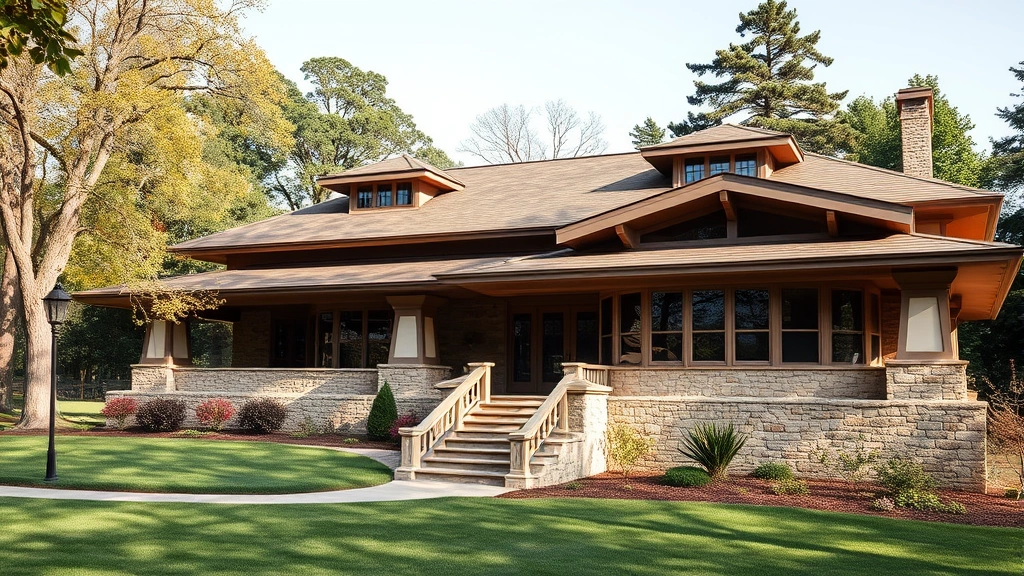
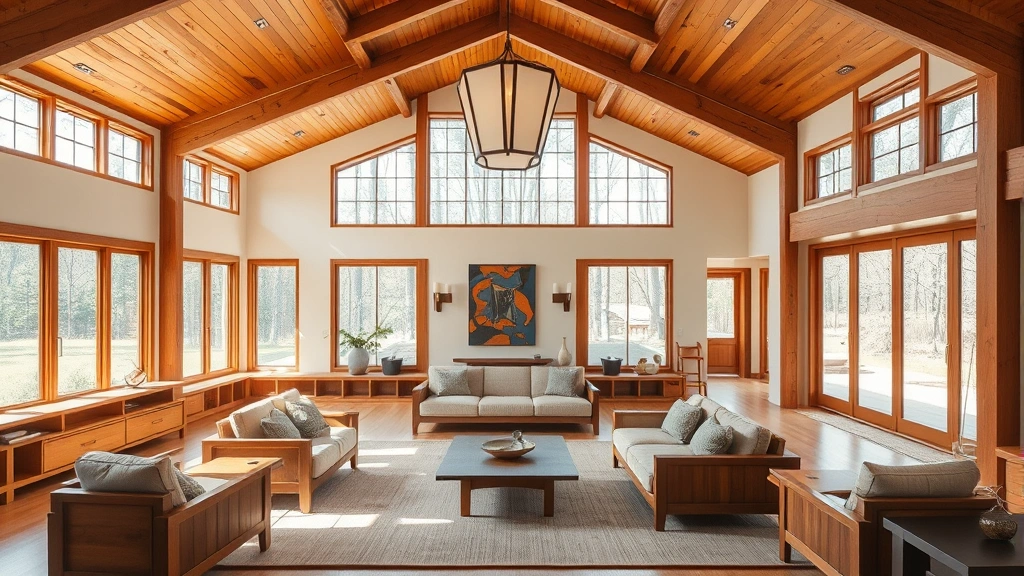
Frank Lloyd Wright’s design philosophy fundamentally changed how Americans thought about residential spaces. His concept of organic architecture meant that homes should grow naturally from their landscapes, incorporating local materials and respecting environmental context. This approach created distinctive features that define Wright homes today: cantilevered roofs, bands of casement windows, open floor plans that eliminated unnecessary walls, and integration of natural materials like wood, stone, and brick.
Wright’s homes typically feature several signature elements. Horizontal lines echo the prairie landscape, emphasizing breadth over height. Geometric patterns appear in windows, doors, and decorative elements, often inspired by nature. The elimination of the traditional box-shaped room created flowing interior spaces where living areas blend seamlessly. Natural light plays a crucial role in his designs, with strategically placed windows framing views and controlling sun exposure. These architectural innovations weren’t merely aesthetic—they represented a revolutionary approach to how families could live and interact within their homes.
Different periods of Wright’s career produced distinct styles. His Prairie School period (1900-1920) emphasized horizontal lines and geometric simplicity. Later, his Usonian homes (1936-1959) represented his vision for affordable, beautiful housing for middle-class Americans, featuring simpler construction and innovative space-saving designs. Understanding which period and style your potential property represents helps contextualize its historical importance and market value.

Current Market for Wright Homes
The market for Frank Lloyd Wright homes has become increasingly competitive and specialized. As of 2024-2025, according to National Association of Realtors data, these properties represent a niche but robust segment of the luxury real estate market. Prices vary dramatically based on location, condition, rarity, and historical significance. Some Wright homes sell for under $500,000, while others command multi-million dollar prices.
Geographic distribution significantly impacts availability and pricing. Wisconsin, where Wright established his Taliesin Fellowship and designed numerous homes, has the highest concentration of his residential properties. Illinois, particularly the Chicago area, contains many Prairie School masterpieces. California, New York, Arizona, and Oklahoma also feature notable Wright residences. When considering real estate market outlook 2025 trends, architectural homes like Wright’s continue showing resilience due to their unique investment characteristics.
Buyer demographics have shifted in recent years. Beyond wealthy collectors and architecture enthusiasts, institutional investors, preservation organizations, and families seeking distinctive homes now compete for available properties. This broader buyer base has stabilized prices and created more active market conditions. However, the specialized nature of these properties means traditional real estate marketing approaches often prove insufficient—successful sales typically require targeted outreach to architecture-focused publications, preservation societies, and specialized agents.
Key Considerations Before Buying
Purchasing a Frank Lloyd Wright home requires different considerations than acquiring a typical residential property. Before making an offer, conduct thorough research into the home’s authenticity, condition, and historical documentation. Not all homes attributed to Wright are definitively proven to be his designs—some represent modifications or works by his followers. Verify attribution through Frank Lloyd Wright Foundation resources and architectural historians.
The condition assessment deserves particular attention. Many Wright homes were built 80-120 years ago using materials and construction techniques now considered problematic. Original casement windows, while architecturally significant, often leak and lose energy efficiency. Foundations may lack modern waterproofing. Electrical and plumbing systems frequently require complete replacement. Understanding these issues before purchase prevents costly surprises and helps you budget appropriately for necessary updates.
Historical preservation status affects both property rights and financial implications. Homes designated as historically significant may be subject to restrictions on exterior modifications, interior alterations, or additions. These designations can complicate renovations, require specialized contractors, and extend project timelines. Conversely, preservation status may qualify properties for tax credits and grants. Review all preservation documentation and consult preservation attorneys before committing to purchase.
When following your buying a house checklist, Wright homes demand additional specialized inspections. Hire inspectors familiar with historic properties and Wright’s construction methods. Commission architectural assessments to evaluate structural integrity, building envelope performance, and code compliance. These specialized inspections cost more than standard home inspections but provide invaluable information for investment decisions.
Financing presents unique challenges. Some lenders hesitate to finance historic properties due to restoration risks and limited comparable sales data. Secure pre-approval from lenders experienced with historic properties before making offers. Some properties may qualify for historic preservation mortgages with favorable terms. Discuss financing options early in your search to avoid disappointment after identifying your dream Wright home.
Restoration and Maintenance Challenges
Maintaining and restoring Frank Lloyd Wright homes requires specialized knowledge and typically costs significantly more than maintaining conventional properties. Wright’s innovative use of materials sometimes created maintenance challenges he didn’t fully anticipate. Flat roofs, while architecturally pure, require meticulous maintenance to prevent leaks. Extensive glazing provides beautiful natural light but demands careful weatherization and regular maintenance.
Finding qualified contractors presents substantial obstacles. Restoration work demands contractors familiar with historic preservation standards, Wright’s specific design intentions, and period-appropriate materials and techniques. Standard contractors may inadvertently damage historical integrity through modern materials or methods. Develop relationships with preservation specialists, architectural salvage companies, and contractors experienced with Wright properties. This network becomes invaluable for maintenance and restoration projects.
Material sourcing can prove challenging and expensive. Original casement windows, custom hardware, specific wood species, and distinctive tile work may no longer be readily available. Reproduction specialists can recreate these elements, but costs exceed standard replacements significantly. Budget accordingly for specialized materials when planning restoration projects. Some elements may require custom fabrication, extending timelines and increasing expenses.
Code compliance creates another layer of complexity. Historic homes often don’t meet current building codes for electrical systems, fire safety, accessibility, or energy efficiency. Bringing properties into code compliance while preserving historical integrity requires careful planning and specialized expertise. Work with preservation architects who understand both historic requirements and modern code demands to develop compliant solutions that respect Wright’s original vision.
Investment Potential and Value Appreciation
Frank Lloyd Wright homes have demonstrated strong long-term appreciation, particularly compared to conventional residential properties. The combination of architectural significance, limited supply, and growing appreciation for mid-century design has supported consistent value growth. Properties that sold for $200,000 in 2000 frequently command $800,000-$1.2 million today, depending on location and condition.
Several factors support continued appreciation. Wright’s reputation continues growing as architectural education emphasizes his innovations and influence. Millennial and Generation Z buyers increasingly value distinctive, authentic properties over mass-produced suburban homes. Sustainability-conscious buyers appreciate Wright’s emphasis on natural materials and environmental harmony. These demographic shifts suggest sustained demand for his homes.
However, investment returns depend heavily on property-specific factors. Location significantly impacts appreciation rates—Wright homes in desirable metropolitan areas appreciate faster than those in rural locations. Condition and historical authenticity affect both appreciation potential and maintenance costs. Well-maintained properties with strong documentation appreciate more reliably than those requiring extensive restoration. Consider these factors carefully when evaluating investment potential.
Tax implications deserve consideration in investment planning. Historic property tax credits can offset restoration costs, sometimes covering 20-25% of qualified expenses. Consult tax professionals familiar with historic property investments to understand available credits and deductions. These incentives can significantly improve investment returns while supporting preservation efforts.
As you evaluate 2025 real estate market trends, Wright homes continue showing resilience due to their unique characteristics and limited supply. Unlike conventional properties vulnerable to market fluctuations, these architectural masterpieces maintain value through their intrinsic historical and cultural significance.
Notable Frank Lloyd Wright Homes Available
Several categories of Wright homes typically appear on the market. The most accessible entry point often involves Usonian homes, his designs for middle-class families. These typically feature 1,000-1,500 square feet, open floor plans, and innovative space efficiency. Usonian properties generally range from $300,000 to $800,000, depending on location and condition. They represent genuine Wright designs at more moderate price points than his larger residential masterpieces.
Prairie School period homes from his early career command higher prices due to their historical significance and architectural innovation. These properties, typically built 1900-1920, feature distinctive horizontal lines, geometric patterns, and integration with landscape. Prices for these homes often range from $1 million to $5 million or higher, depending on size, condition, and location.
Properties in Wright’s later California period, including his textile block homes featuring distinctive geometric blocks, represent another category. These innovative designs explored new construction methods and aesthetic approaches. Market availability varies significantly, and prices depend on condition and preservation status.
Current market listings frequently appear on specialized real estate platforms focusing on historic properties. Zillow and other major platforms occasionally list Wright homes, though specialized historic property brokers typically handle these transactions. Architecture publications and preservation organizations often maintain updated listings of available properties.
Selling Your Frank Lloyd Wright Property
Selling a Frank Lloyd Wright home requires different marketing strategies than conventional properties. Standard real estate marketing approaches often fail to reach qualified buyers who understand and appreciate architectural significance. Develop comprehensive marketing strategies targeting architecture enthusiasts, preservation organizations, institutional collectors, and design-focused publications.
Documentation proves critical when selling your house fast—though with architectural properties, speed matters less than finding the right buyer. Compile thorough documentation including original design drawings, historical research, previous restoration work, maintenance records, and architectural assessments. This documentation demonstrates authenticity and helps buyers understand the property’s significance and condition.
Professional photography and architectural documentation should emphasize distinctive design elements. Hire photographers experienced with architectural properties who understand how to capture design details, spatial flow, and relationship to landscape. Commission professional architectural photography to highlight historically significant features and original design intentions.
Price determination requires specialized appraisals. Traditional appraisals often undervalue historic properties because comparable sales data is limited. Hire appraisers experienced with historic properties who understand architectural significance and specialized market dynamics. Their expertise ensures realistic pricing that attracts serious buyers without undervaluing your property.
Market globally when selling notable Wright homes. International buyers, particularly from Europe and Asia, actively seek significant American architectural properties. Work with agents experienced in international real estate transactions and marketing. Consider engaging auction houses specializing in significant properties and architectural sales.
Preservation organizations sometimes purchase or facilitate purchases of significant Wright homes. Establish relationships with organizations like the Frank Lloyd Wright Foundation, local preservation societies, and architectural museums. These entities may connect you with motivated buyers or provide resources supporting preservation-focused transactions.
When evaluating selling timelines and strategies, consult with agents specializing in houses for sale in your area who understand both local market conditions and architectural property dynamics. They can advise on optimal timing, pricing strategies, and marketing approaches specific to your property and local market conditions.
For those considering property as investment vehicles, understanding how to become a landlord principles applies to Wright homes. Some investors successfully rent these properties to discerning tenants, generating income while maintaining preservation. This strategy requires careful tenant selection, comprehensive insurance, and explicit preservation agreements.
FAQ
How do I verify a home’s attribution to Frank Lloyd Wright?
Consult the Frank Lloyd Wright Foundation’s comprehensive archives and database, which documents authenticated Wright designs. Hire architectural historians to research property provenance through building permits, historical records, and architectural documentation. Publications by Wright scholars and the Foundation provide definitive attribution information.
What makes Frank Lloyd Wright homes appreciate in value?
Limited supply, architectural significance, growing appreciation for mid-century design, sustainability-conscious buyers’ interest in natural materials, and Wright’s increasing prominence in architectural education all support appreciation. Each authenticated Wright home becomes rarer as years pass, naturally supporting value growth.
Can I modify a historic Frank Lloyd Wright home?
Modifications depend on preservation designation status. Consult preservation attorneys and local historic district commissions before undertaking alterations. Many communities require approval for exterior changes and significant interior modifications. Work with preservation architects to develop modifications respecting original design intentions while meeting modern needs.
How much does restoring a Frank Lloyd Wright home typically cost?
Restoration costs vary dramatically based on property condition, size, and scope. Minor updates might cost $50,000-$150,000, while comprehensive restoration of a larger property can exceed $500,000-$1,000,000. Obtain detailed estimates from preservation specialists before purchasing, as restoration costs significantly impact overall investment.
What financing options exist for historic Wright homes?
Some lenders offer historic property mortgages with favorable terms. Federal and state historic preservation tax credits can offset 20-25% of qualified restoration expenses. Consult lenders and tax professionals experienced with historic properties to explore available financing and incentive programs.
Where can I find Frank Lloyd Wright homes for sale?
Specialized historic property brokers, architectural publications, preservation organizations, and online platforms focusing on historic properties list available Wright homes. The Frank Lloyd Wright Foundation maintains information about documented properties. Real estate agents specializing in architectural properties can provide market updates and opportunities.
Is owning a Frank Lloyd Wright home a good investment?
Wright homes have demonstrated strong long-term appreciation and represent genuine architectural and cultural significance. However, investment success depends on property-specific factors including location, condition, and documentation. Treat purchases as long-term investments appreciating over decades rather than short-term financial vehicles.