Best Houses for Sale in Cedar Rapids? Expert Picks
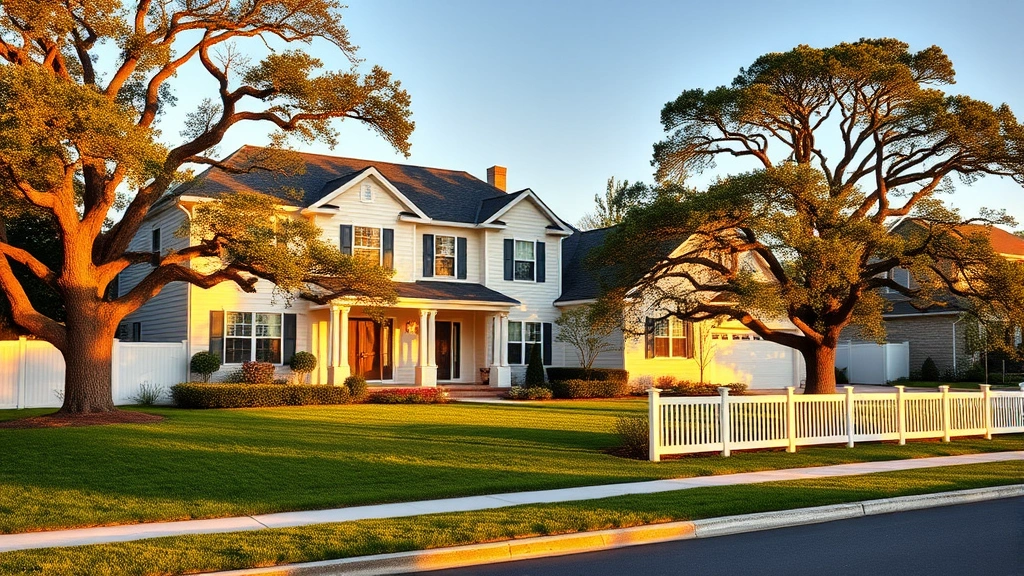
Cedar Rapids, Iowa’s second-largest city, has emerged as a compelling real estate market for homebuyers seeking affordability, quality of life, and strong community values. Whether you’re a first-time buyer, growing family, or investor looking for solid returns, the current housing inventory in Cedar Rapids offers diverse opportunities across neighborhoods ranging from historic charm to modern suburban developments. The market has shown resilience and steady appreciation, making it an attractive alternative to more saturated coastal markets.
The Cedar Rapids real estate landscape reflects the city’s economic diversification and revitalization efforts. With major employers like Quaker Oats, Rockwell Automation, and healthcare institutions driving job growth, home values have remained competitive while offering substantially more square footage and amenities per dollar compared to national averages. This guide explores expert-vetted neighborhoods, property types, and strategic considerations to help you navigate the Cedar Rapids housing market with confidence.
Top Neighborhoods for Home Buyers in Cedar Rapids
Wilmont Heights and Bever Ridge represent Cedar Rapids’ most desirable residential communities, characterized by tree-lined streets, well-maintained homes from the 1950s through 1980s, and strong neighborhood associations. These areas command premium prices within Cedar Rapids but remain significantly more affordable than comparable neighborhoods in larger metropolitan areas. Homes here typically feature 2,000-3,500 square feet with established landscaping, updated infrastructure, and proximity to excellent schools.
The New Bohemia District has undergone remarkable transformation in recent years, attracting young professionals and families with its historic architecture, vibrant cultural scene, and walkable downtown lifestyle. Victorian-era homes, converted lofts, and new construction projects coexist in this revitalized neighborhood, offering buyers the chance to be part of Cedar Rapids’ urban renaissance. Properties here range from charming historic cottages to contemporary renovated units, with price appreciation outpacing other neighborhoods.
Collins Road Corridor offers newer construction and suburban convenience, appealing to families prioritizing modern amenities, larger lots, and proximity to shopping and dining. Developments along Collins Road feature contemporary home designs with energy-efficient systems, open floor plans, and HOA-maintained common areas. This area attracts commuters to major employers and families seeking newer homes with minimal maintenance concerns.
The Southwest Cedar Rapids area, including neighborhoods near Ellis Park and the Czech Village, provides excellent value for budget-conscious buyers. These established communities feature well-built homes on larger lots, strong community identity, and improving commercial development. Many homes offer renovation opportunities for investors, while others provide move-in ready options for families seeking affordability without compromising quality.
Property Types and Home Styles
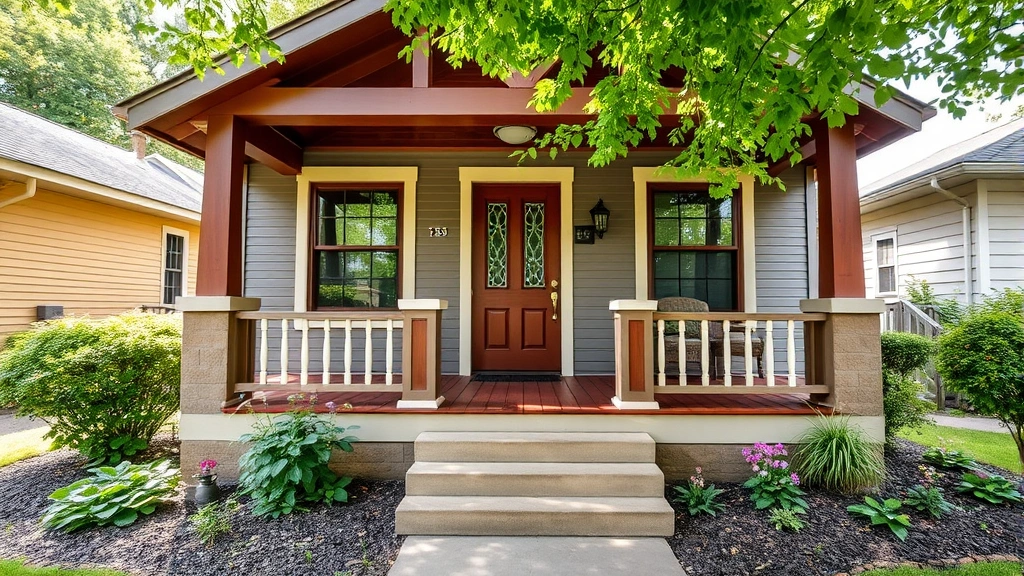
Cedar Rapids’ housing stock reflects its Midwestern heritage and modern development patterns. Classic bungalows and Craftsman homes dominate older neighborhoods, typically featuring 1,200-1,800 square feet, original hardwood floors, built-in cabinetry, and charming architectural details. These homes appeal to buyers valuing character and authenticity, though many require selective updates to modern systems while preserving original elements.
Ranch-style homes, built extensively during the 1960s-1980s, represent a significant portion of Cedar Rapids inventory. Single-story designs with efficient layouts, basement potential, and straightforward maintenance make these properties attractive to downsizers, seniors, and investors. Many have been updated with modern kitchens and bathrooms while maintaining their original footprints.
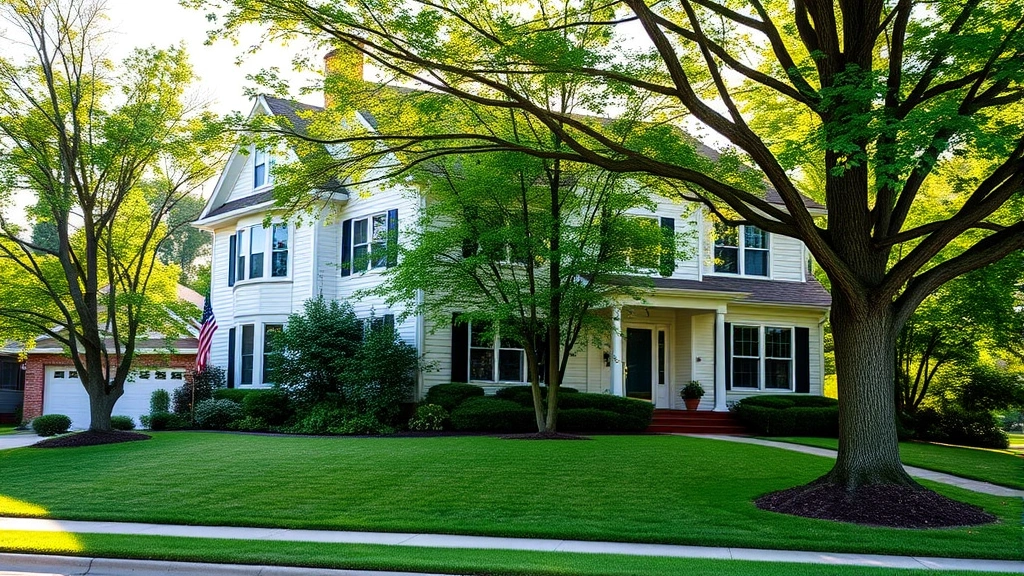
Colonial and two-story homes offer more square footage for families, typically ranging from 2,000-3,500 square feet across two levels. These properties often feature formal dining rooms, multiple bedrooms, and basement spaces convertible to additional living areas. The architectural style remains popular in Cedar Rapids’ established residential zones.
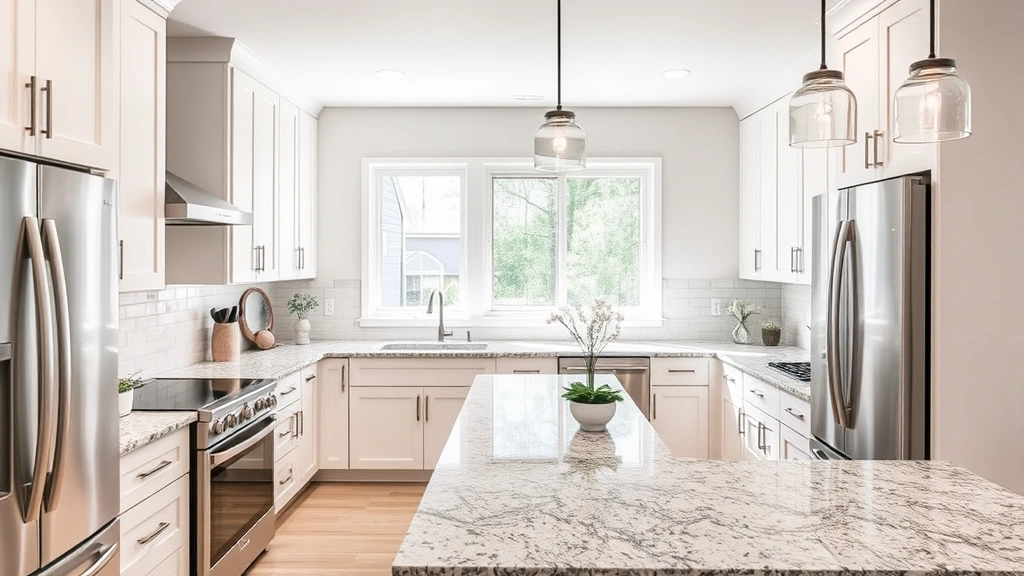
New construction developments provide contemporary options with open-concept layouts, energy-efficient construction, smart home technology integration, and modern aesthetic appeal. These homes command premium pricing but eliminate renovation concerns and often include builder warranties. Several active developments offer customization options for buyers seeking personalized features.
Market Trends and Price Analysis
Cedar Rapids real estate has demonstrated consistent appreciation, with median home prices showing year-over-year growth while remaining substantially below national averages. Current market data from Zillow’s Cedar Rapids listings indicates active inventory levels that favor buyers with multiple options across price points. The median home price typically ranges from $185,000-$225,000, providing exceptional value compared to similarly-sized properties in other regions.
Market absorption rates suggest a balanced market leaning slightly toward buyers, with average days-on-market ranging from 45-75 days depending on neighborhood and property condition. Homes priced competitively and presented professionally tend to generate multiple offers, particularly in sought-after neighborhoods and price ranges below $250,000.
Interest rate fluctuations continue impacting buyer purchasing power. Consulting with mortgage lenders about current rates helps establish realistic budgets. Cedar Rapids’ affordability advantage becomes more pronounced when factoring in lower property taxes compared to many states and competitive homeowners insurance rates.
The National Association of Realtors reports that Midwestern markets like Cedar Rapids continue attracting relocating professionals and remote workers seeking lower cost-of-living combined with quality community amenities. This demographic shift supports sustained demand and stable property values.
Investment Opportunities in Cedar Rapids
Cedar Rapids presents compelling opportunities for real estate investors seeking consistent returns and property appreciation. The rental market remains strong, with student housing demand from nearby universities and professional housing demand from major employers supporting solid rental income potential. Properties in emerging neighborhoods like New Bohemia offer both appreciation potential and immediate rental income.
Our guide on best cities for real estate investment in 2024 highlights Cedar Rapids as a market with favorable fundamentals. Lower entry prices compared to coastal markets mean investors can acquire multiple properties or higher-quality assets with equivalent capital.
Fix-and-flip opportunities exist throughout Cedar Rapids, particularly in older neighborhoods where properties need updating but possess solid bones. The cost differential between purchase price and renovation expenses versus post-renovation market value creates profit potential, especially for investors with renovation expertise or contractor relationships.
Multi-family investment properties, including duplexes and small apartment buildings, provide portfolio diversification and stable cash flow. Cedar Rapids’ growing population and employment base support rental demand across multiple property types and price points. Analyzing cap rates and cash-on-cash returns helps identify which investment properties align with your financial objectives.
Financing and Closing Considerations
Understanding your financing options strengthens your purchasing position in Cedar Rapids’ market. Conventional mortgages remain the most common option, requiring 3-20% down payments and offering competitive rates for qualified borrowers. FHA loans provide alternatives for first-time buyers or those with lower down payments, though they include mortgage insurance premiums.
Our comprehensive guide to calculating closing costs details expenses beyond the down payment, typically ranging from 2-5% of the purchase price. Cedar Rapids’ competitive market often results in lower closing costs compared to national averages, but thorough understanding prevents surprises at closing.
Getting pre-approved before house hunting strengthens your negotiating position, demonstrating serious intent to sellers and clarifying your actual purchasing power. Pre-approval letters from reputable lenders like Chase Mortgage or local institutions carry significant weight in competitive situations.
Property inspections, appraisals, and title searches protect your interests throughout the transaction. Cedar Rapids transactions typically close within 30-45 days, providing adequate time for due diligence while maintaining reasonable timelines. Contingencies protecting your earnest money deposit remain essential, particularly regarding inspection findings and appraisal values.
Working with Local Real Estate Professionals
Engaging experienced local agents significantly impacts your Cedar Rapids home buying or selling experience. Agents familiar with neighborhood dynamics, comparable sales data, and market trends provide invaluable guidance. They understand which neighborhoods offer best value, which properties represent solid investments, and how to position offers competitively.
Consider exploring our coverage of comparable markets to understand how Cedar Rapids compares to similar-sized communities. This broader perspective helps contextualize Cedar Rapids’ market position and opportunities. Our luxury homes resource serves buyers seeking high-end Cedar Rapids properties and understanding premium market segments.
Before making your purchase, review our complete house-buying checklist ensuring you address all critical steps. This systematic approach prevents overlooked details and ensures smooth transactions from offer through closing.
Interviewing multiple agents allows you to assess their market knowledge, communication style, and alignment with your goals. Ask about their recent Cedar Rapids sales, average days-on-market for their listings, and their negotiating strategies. Successful agents combine deep local expertise with strong negotiating skills and genuine commitment to client interests.
For sellers, agents help position properties competitively through strategic pricing, professional marketing, and effective buyer communication. They manage showings, negotiate offers, and guide you through inspections and appraisals. Their expertise helps maximize sale prices and minimize carrying costs during the selling process.
FAQ
What is the average home price in Cedar Rapids?
Median home prices in Cedar Rapids typically range from $185,000-$225,000, varying by neighborhood, home age, and condition. Established neighborhoods like Wilmont Heights command higher prices, while value neighborhoods offer opportunities below $180,000. Consulting current listings provides the most accurate pricing data for your specific search parameters.
Are there good schools in Cedar Rapids for families?
Cedar Rapids Community School District serves most residential areas and maintains solid academic performance. Private school options including Coe College-affiliated schools provide alternatives. Research specific schools in neighborhoods you’re considering, as school quality influences property values and family satisfaction.
What neighborhoods are best for first-time homebuyers?
Value-oriented neighborhoods like Southwest Cedar Rapids and Czech Village offer affordable entry prices and established communities. New construction developments provide move-in ready homes without renovation concerns. Working with agents familiar with first-time buyer needs helps identify properties matching your budget and lifestyle preferences.
Is Cedar Rapids a good market for investment properties?
Yes, Cedar Rapids offers favorable investment fundamentals including affordable entry prices, solid rental demand, and steady appreciation. Lower prices allow investors to acquire multiple properties or higher-quality assets. Analyzing specific properties’ cash flow potential and appreciation prospects ensures alignment with your investment strategy.
What should I know about Cedar Rapids’ property taxes?
Iowa property taxes are competitive nationally, with Cedar Rapids effective tax rates among the lower Midwest averages. Tax assessments are based on property value and classification. Consulting with local tax professionals helps understand tax implications for your specific situation and potential tax planning strategies.
How long does a typical home sale take in Cedar Rapids?
Standard Cedar Rapids transactions typically close within 30-45 days from offer acceptance. This timeline allows for inspections, appraisals, underwriting, and title work while maintaining reasonable closing schedules. Contingencies and financing complexity may extend timelines, though Cedar Rapids’ efficient market typically operates smoothly.