Balinese House for Sale: Expert Insights on Tropical Luxury Living
Balinese architecture represents one of the most coveted design aesthetics in the luxury real estate market today. These stunning homes, inspired by traditional Indonesian architecture, blend timeless elegance with modern comfort, creating spaces that feel like personal retreats. Whether you’re searching for a primary residence or an investment property, understanding the unique characteristics and market dynamics of Balinese houses is essential for making an informed decision.
The appeal of Balinese-style homes extends far beyond their visual beauty. These properties often feature open-air courtyards, intricate wood carvings, natural stone elements, and seamless indoor-outdoor living spaces that create a sense of tranquility rarely found in conventional residential architecture. As more buyers seek homes that prioritize wellness and aesthetic sophistication, Balinese houses continue to gain prominence in upscale real estate markets across the United States.
Understanding Balinese Architecture and Design Elements
Balinese architecture draws inspiration from centuries-old Indonesian building traditions, infused with spiritual and cultural significance. This design philosophy emphasizes harmony with nature, sustainable materials, and craftsmanship. When you encounter a luxury home for sale with Balinese characteristics, you’re looking at more than just a house—you’re investing in a lifestyle philosophy that prioritizes balance, serenity, and natural beauty.
The foundational elements of Balinese design include the use of locally-sourced natural materials such as teak wood, volcanic stone, and bamboo. These materials age gracefully and develop a patina that enhances their character over time. The architectural layout typically features a central courtyard or garden space, with rooms arranged around this focal point to maximize natural light and ventilation. This design approach, developed over generations in tropical climates, proves remarkably effective in creating comfortable living spaces while minimizing energy consumption.
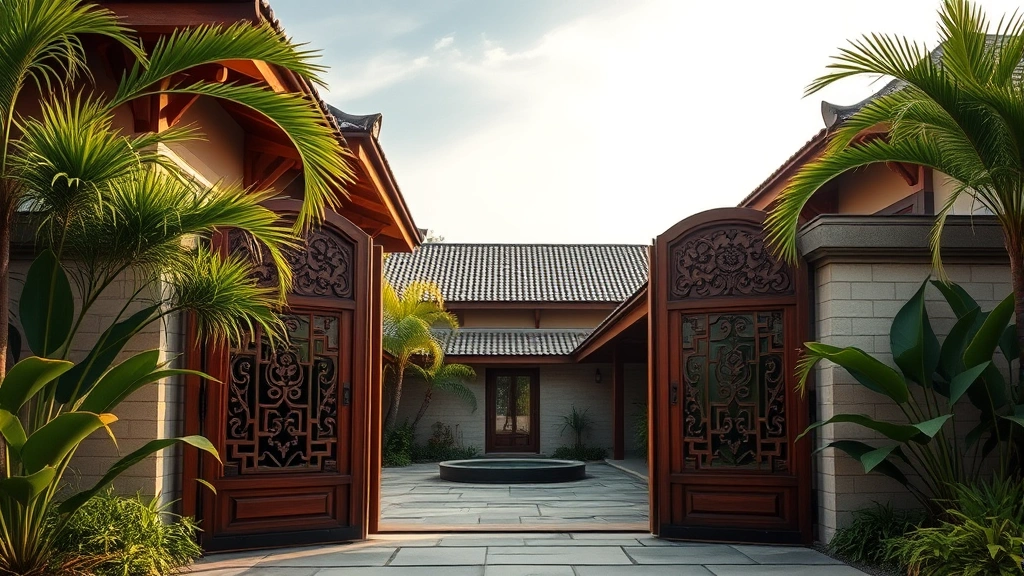
Spiritual and cultural elements permeate Balinese design philosophy. Intricate carvings depicting Hindu-Buddhist iconography adorn doorways, gates, and architectural features. These aren’t merely decorative—they represent a deeper connection to tradition and meaning. Modern Balinese homes for sale often incorporate these cultural elements respectfully, honoring the heritage while adapting to contemporary living standards and comfort expectations.
Key Features That Define a Balinese Home
When evaluating a Balinese house for sale, several distinctive features consistently appear across quality properties. Understanding these characteristics helps you assess authenticity and value:
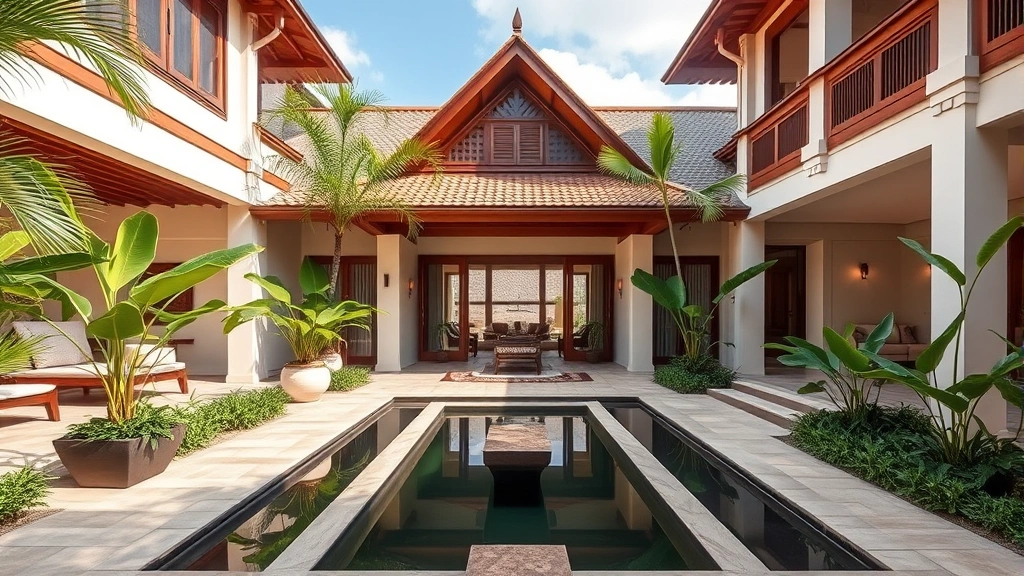
- Open-Air Courtyards: Central garden spaces with water features, tropical plants, and natural stone pathways create a serene hub for the home. These courtyards serve both aesthetic and practical purposes, improving air circulation and creating natural gathering spaces.
- Water Features: Pools, fountains, and koi ponds are integral to Balinese design. Water represents purity and tranquility in Indonesian culture, and these features enhance the meditative quality of the space.
- High Ceilings and Open Floor Plans: Soaring ceilings with exposed wooden beams create an airy atmosphere and accommodate traditional Balinese roof structures. Open floor plans encourage flow between living areas.
- Teak Wood Details: Hand-carved wooden elements, screens, and structural components showcase exceptional craftsmanship. Authentic Balinese homes feature prominent teak throughout, from decorative panels to structural supports.
- Natural Stone Flooring: Volcanic stone, slate, and other natural materials create durable, beautiful flooring that complements the organic aesthetic.
- Pavilion Structures: Separate guest houses, meditation spaces, or entertainment pavilions reflect traditional Balinese compound living arrangements.
- Tropical Landscaping: Lush gardens with native and exotic plants, flowering trees, and natural water features create an immersive tropical environment.
- Intricate Stonework: Hand-carved gates, decorative sculptures, and architectural details demonstrate authentic craftsmanship and cultural respect.
These features work together to create homes that feel fundamentally different from conventional residential properties. A properly designed Balinese house for sale offers not just shelter, but an experience—a daily immersion in carefully curated beauty and thoughtful design.
Market Trends for Balinese Houses
The luxury real estate market has witnessed significant growth in demand for Balinese-style properties over the past decade. This trend reflects broader consumer preferences toward wellness-focused living, sustainable design, and homes that serve as personal sanctuaries. Zillow’s luxury market reports consistently show strong appreciation for distinctive architectural styles, particularly those with authentic cultural heritage and superior craftsmanship.
Geographic hotspots for Balinese homes include California’s coastal communities, Arizona’s desert regions, and Florida’s upscale neighborhoods. These locations provide the climate and market sophistication to support this architectural style. However, high-quality Balinese properties can be found in exclusive communities nationwide, attracting buyers willing to invest in distinctive, meaningful homes.
The COVID-19 pandemic accelerated interest in residential wellness features, home offices, and outdoor living spaces—all central to Balinese design philosophy. This shift in buyer priorities has sustained strong demand for Balinese properties even as broader market conditions fluctuate. Properties combining Balinese aesthetics with modern amenities (smart home technology, contemporary kitchens, updated bathrooms) command premium prices and attract serious buyers.
For those exploring regional markets, understanding local luxury segments is valuable. Whether you’re interested in houses for sale in Hampton, VA or houses for sale in York, PA, the principles of distinctive architectural value apply across markets.
” alt=”Luxurious Balinese-inspired home with open courtyard, teak wood details, natural stone flooring, tropical plants, and water feature reflecting architectural design elements”>
Investment Potential and ROI Considerations
Balinese houses for sale represent compelling investment opportunities for several reasons. First, these properties occupy a niche market segment with relatively limited supply, particularly for authentic, well-executed examples. Limited supply combined with consistent demand typically supports value appreciation over time.
Authentic Balinese homes demonstrate strong rental potential in vacation markets and luxury residential areas. Affluent travelers actively seek distinctive, immersive experiences, making Balinese properties attractive for short-term rental platforms like Airbnb and Vrbo. A well-maintained Balinese home in a desirable location can generate substantial rental income while serving as a personal retreat during off-season periods.
The craftsmanship and materials used in quality Balinese construction contribute to long-term durability and relatively low depreciation. Unlike trendy design styles that may feel dated within a decade, Balinese architecture maintains timeless appeal. This enduring aesthetic appeal supports sustained buyer interest and resale value.
However, prospective buyers should understand that Balinese properties require specific expertise for maintenance and restoration. Finding qualified contractors experienced with teak wood, natural stone, and traditional architectural details can be challenging in some markets. This specialized knowledge requirement represents both a barrier to entry for casual investors and a protective factor for serious Balinese home owners—fewer competitors means less supply volatility.
Before making an investment commitment, review your buying a house checklist to ensure you’ve considered all relevant factors. Investment properties require particularly thorough evaluation of rental potential, local market dynamics, and long-term appreciation prospects.
Finding and Evaluating Balinese Properties
Locating an authentic Balinese house for sale requires patience and expertise. These properties don’t appear frequently on standard MLS listings, and many are marketed through specialized luxury real estate channels. Working with agents experienced in distinctive architectural styles significantly increases your chances of discovering quality properties.
When evaluating a Balinese home, assess several critical dimensions:
- Authenticity of Design: Verify that architectural elements reflect genuine Balinese traditions rather than superficial aesthetic choices. Look for evidence of skilled craftsmanship, proper material sourcing, and thoughtful spatial planning.
- Structural Integrity: Natural materials require regular maintenance. Have the property professionally inspected, paying particular attention to wood preservation, stone condition, and water feature functionality.
- Climate Appropriateness: Balinese design evolved in tropical climates. Evaluate how the design functions in your specific climate zone. Properties in arid or cold climates may require modifications to the traditional design.
- Maintenance History: Request detailed records of past maintenance, restorations, and upgrades. Understanding the property’s care history predicts future condition and costs.
- Integration with Modern Systems: Quality Balinese homes successfully integrate modern electrical, plumbing, HVAC, and internet systems without compromising aesthetic integrity. Assess the sophistication of these integrations.
- Outdoor Living Functionality: Evaluate whether courtyards, pavilions, and garden spaces are genuinely usable year-round or primarily aesthetic.
The National Association of Realtors (NAR) provides valuable resources for understanding luxury property evaluation, though you’ll need agents with specific Balinese expertise for comprehensive guidance. Don’t hesitate to hire specialized inspectors familiar with natural materials and traditional construction methods.
Maintenance and Preservation of Balinese Homes
Owning a Balinese house for sale requires commitment to ongoing maintenance and preservation. These homes demand more active stewardship than conventional properties, but the investment in proper care pays dividends in longevity and sustained beauty.
Teak Wood Care: Teak naturally resists rot and insects, but it requires regular oiling to maintain its rich color and prevent checking (surface cracking). Professional teak maintenance typically occurs annually or biannually, depending on climate and exposure. Budget $2,000-$5,000 annually for comprehensive teak care on a significant property.
Natural Stone Maintenance: Volcanic stone and slate require periodic sealing and professional cleaning. Hard water deposits, mineral stains, and weathering can affect appearance. Establish relationships with stone specialists experienced in natural materials.
Water Feature Management: Pools, fountains, and koi ponds demand consistent attention. Beyond standard pool maintenance, Balinese water features often incorporate natural stone and decorative elements requiring specialized care. Budget accordingly for this often-overlooked aspect of ownership.
Tropical Landscaping: The lush gardens central to Balinese design require expert horticultural care. Native and exotic plants have specific water, soil, and climate needs. Hiring experienced tropical landscape professionals is essential.
Pest and Humidity Management: Natural materials can attract insects and moisture-related issues in humid climates. Implement preventive measures including proper ventilation, dehumidification systems, and regular inspections.
Understanding these maintenance realities before purchasing ensures you can properly steward your investment. Factor ongoing maintenance costs into your total cost of ownership when evaluating Balinese properties.
Financing Your Balinese Home Purchase
Financing a Balinese house for sale follows standard mortgage processes, but lenders may view distinctive architectural properties differently than conventional homes. Here are key considerations:
Appraisal Challenges: Appraisers must understand the specialized market for Balinese properties. A home featuring $500,000 in authentic teak carvings and custom stonework requires appraisers experienced in luxury distinctive properties. Work with your lender to ensure appropriate appraisal expertise.
Loan-to-Value Ratios: Specialty properties sometimes face stricter LTV requirements. Be prepared to make a larger down payment than you might for a conventional home. Many lenders require 20-30% down for distinctive architectural properties.
Closing Costs Calculation: Balinese homes often involve specialized inspections, custom appraisals, and insurance considerations affecting closing costs. Review our detailed guide on how to calculate closing costs to understand all expenses involved.
Insurance Considerations: Distinctive homes with valuable natural materials may require specialized homeowners insurance. High-value teak, custom stonework, and water features should be specifically documented and insured. Obtain insurance quotes before finalizing your purchase offer.
Consider consulting with mortgage lenders experienced in luxury property financing. They understand the nuances of distinctive architectural properties and can structure financing appropriately.

” alt=”Serene Balinese courtyard with natural stone pathways, traditional wooden pavilion, ornate carved details, tropical plants, and reflecting pool creating peaceful sanctuary atmosphere”>
Comparing Investment Approaches: Rental vs. Primary Residence
Your intended use significantly impacts the value proposition of a Balinese house for sale. Understanding the pros and cons of renting vs buying applies differently to distinctive luxury properties:
Primary Residence Benefits: Living in your Balinese home allows you to experience the lifestyle and wellness benefits daily. You control maintenance timing and quality, ensuring your personal sanctuary receives appropriate care. There’s no rental income to offset costs, but you gain the intangible value of daily immersion in thoughtfully designed space.
Rental Investment Benefits: Balinese properties in desirable locations command premium rental rates, often $500-$1,500+ per night. A property rented 100-150 nights annually can generate $50,000-$225,000 in gross revenue. After expenses, well-managed Balinese vacation rentals deliver strong cash flow and appreciation.
Hybrid Approach: Many Balinese home owners use their properties as personal retreats while renting them during periods they’re not in residence. This approach balances personal enjoyment with income generation, though it requires professional property management expertise.
FAQ
What is the typical price range for a Balinese house for sale?
Balinese homes typically range from $1.5 million to $10 million+, depending on location, size, authenticity, and amenities. Properties in California’s Malibu or Montecito regions command premium prices, while equally beautiful homes in Arizona or Florida may cost less. Authentic, well-maintained properties with superior craftsmanship consistently justify higher price points.
Can I build a Balinese-style home instead of buying?
Yes, custom construction offers opportunities to create authentic Balinese homes. However, this approach requires finding architects experienced in Balinese design, sourcing authentic materials (often requiring international suppliers), and hiring skilled craftspeople. Custom Balinese construction typically costs $800-$1,500+ per square foot, considerably more than conventional building.
Are Balinese homes suitable for all climates?
Balinese architecture evolved in tropical climates and functions optimally in warm, humid regions. However, successful Balinese homes exist in diverse climates when properly adapted. Arizona and California properties demonstrate that thoughtful modifications—enhanced insulation, modified roof structures, adjusted water feature designs—allow Balinese aesthetics to thrive in non-tropical locations.
How do I maintain authentic Balinese elements while upgrading to modern conveniences?
Quality Balinese homes successfully integrate modern systems (smart home technology, contemporary kitchens, updated electrical) without compromising aesthetic integrity. Work with architects and contractors experienced in this balance. Modern elements should be discreetly integrated, allowing traditional design to remain visually dominant.
What’s the resale market like for Balinese homes?
The Balinese home market is smaller and more specialized than mainstream luxury real estate, but it demonstrates consistent buyer interest and appreciation. Limited supply protects values, while strong demand from affluent buyers seeking distinctive properties supports sustained interest. Properly maintained Balinese homes typically appreciate 3-5% annually, comparable to broader luxury market trends.
Should I hire a specialized inspector for a Balinese property?
Absolutely. Standard home inspectors may lack expertise in natural materials, traditional construction methods, and specialized systems common in Balinese homes. Invest in inspectors experienced with teak wood, natural stone, water features, and tropical architecture. This specialized expertise typically costs $2,000-$5,000 but provides invaluable insights into property condition and future maintenance needs.
Can Balinese homes qualify for investment property financing?
Yes, though some lenders may require larger down payments or specialized appraisals for distinctive properties. Work with lenders experienced in luxury real estate. Investment property financing typically requires 20-30% down, and rental income projections should be professionally documented to support loan approval.