Is a Container House Right for You? Expert Insight
Container houses represent one of the most innovative and sustainable housing trends in the modern real estate market. These structures, built from repurposed shipping containers, offer a unique blend of affordability, sustainability, and contemporary design that appeals to a growing segment of homebuyers and investors. Whether you’re exploring buying a house checklist options or seeking alternative housing solutions, understanding the nuances of container homes is essential before making such a significant investment.
The container house movement has gained considerable traction over the past decade, driven by environmental consciousness, housing affordability concerns, and the desire for unique living spaces. However, while container houses for sale present compelling advantages, they also come with distinct challenges that require careful consideration. This comprehensive guide will help you determine whether a container home aligns with your lifestyle, financial situation, and long-term goals.

What Are Container Houses?
Container houses are residential structures constructed from shipping containers—typically 20-foot or 40-foot steel boxes originally designed for transporting cargo across oceans and land. These containers are repurposed and modified to create livable spaces through cutting, welding, insulation, and interior finishing. The concept gained popularity in the early 2000s as architects and builders recognized the structural integrity and modularity of these industrial containers.
A single container provides approximately 160-320 square feet of usable space, though most residential container homes stack or combine multiple units to create larger living areas. Modern container houses range from minimalist studio spaces to sprawling multi-unit compounds. The steel construction provides excellent structural support, allowing for creative stacking configurations and open-concept floor plans that appeal to contemporary design preferences.
The appeal lies not only in the architectural uniqueness but also in the sustainability factor. By repurposing containers that would otherwise end up in landfills or storage yards, container homes reduce waste and give new life to industrial materials. This environmental consciousness resonates strongly with eco-minded buyers seeking to minimize their carbon footprint.

Advantages of Container Homes
Sustainability and Environmental Impact
One of the most compelling reasons to consider a container house is its environmental benefits. Repurposing shipping containers diverts these materials from landfills and reduces the demand for new construction materials. Container homes typically require fewer resources to construct compared to traditional houses, resulting in a smaller environmental footprint. Many container home builders emphasize energy-efficient designs with solar panels, rainwater collection systems, and superior insulation.
Affordability
Container homes generally cost significantly less than traditional houses, both in initial purchase price and construction expenses. When exploring how to calculate closing costs, container homes often present lower overall expenses. A basic container home can be constructed for $25,000 to $75,000, whereas traditional homes in comparable locations might cost $150,000 or more. This affordability makes homeownership accessible to first-time buyers and investors with limited budgets.
Speed of Construction
Container homes can be constructed more rapidly than traditional houses. Since the structural framework is already in place, builders focus on customization, insulation, and interior finishing rather than extensive framing work. Many container homes are completed within 6-12 months, compared to 12-18 months for conventional construction. This faster timeline means you can move into your new home sooner.
Durability and Structural Integrity
Shipping containers are engineered to withstand extreme conditions—they’re designed to be stacked, transported, and exposed to harsh elements. This inherent durability translates to container homes having exceptional structural strength. Steel construction resists pests, rot, and weather damage far better than wood-frame construction. With proper maintenance, a container home can last 25-40 years or longer.
Design Flexibility
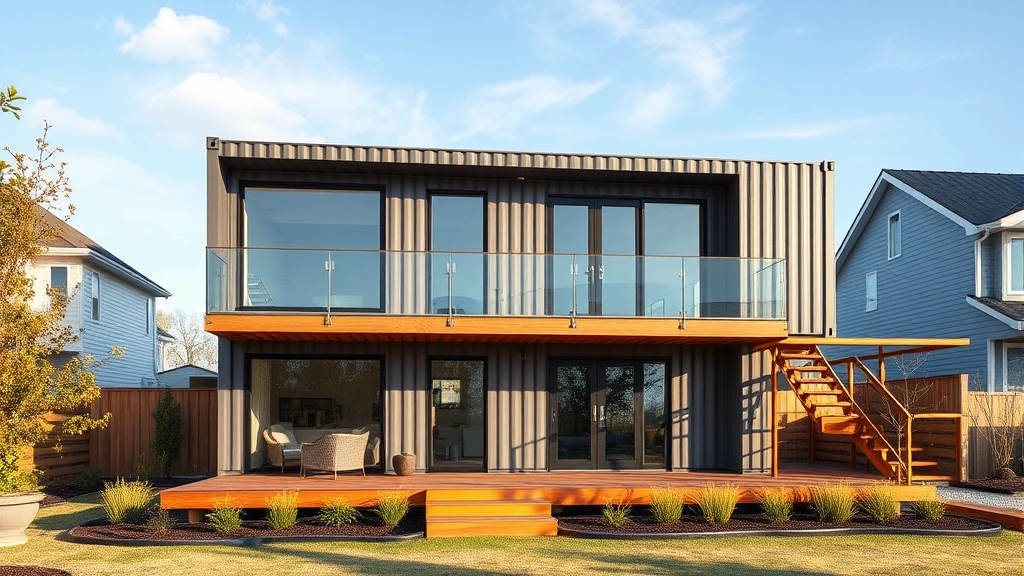
Container homes offer remarkable customization possibilities. The modular nature of containers allows architects to create unique configurations, from single-container studios to multi-unit compounds. Large windows, skylights, and open floor plans are common features. This flexibility appeals to homeowners wanting distinctive spaces that reflect their personal style rather than cookie-cutter suburban designs.
Scalability
You can start with a single container and expand by adding more units as your needs and finances evolve. This scalability makes container homes attractive for investors planning phased developments or families expecting growth.
Disadvantages and Challenges
Financing Difficulties
One of the most significant obstacles to purchasing a container house is securing financing. Traditional lenders view container homes as non-standard properties and often hesitate to provide mortgages. Banks prefer conventional construction with established lending criteria. This financing challenge means you may need to explore alternative lending options, construction loans, or personal financing, which typically carry higher interest rates. Understanding home appraisal vs inspection processes becomes crucial since appraisals for container homes may differ significantly from traditional properties.
Zoning and Legal Restrictions
Many municipalities have strict building codes and zoning regulations that don’t accommodate container homes. Some areas prohibit them entirely, while others have specific requirements regarding foundation, insulation, and structural modifications. Before purchasing a container house for sale, you must verify local regulations with city planning departments and building inspectors. Non-compliance can result in forced demolition or costly modifications.
Resale Value Uncertainty
The container home market remains relatively niche, which creates uncertainty regarding resale value. While container homes appreciate in some markets, they may depreciate in others where they’re viewed unfavorably. This makes them riskier as investment properties compared to traditional homes with established market values. If you need to sell quickly, finding interested buyers may prove challenging.
Limited Lender and Insurance Options
Beyond mortgage challenges, insuring a container home can be problematic. Many standard homeowners insurance policies exclude container homes, requiring specialized coverage that’s more expensive and harder to obtain. Similarly, property tax assessments may be unclear, potentially resulting in unexpected tax bills.
Perception and Social Stigma
Despite growing acceptance, container homes still carry stigma in some communities. Neighbors and local communities may view them negatively, associating them with industrial or temporary structures. This perception can affect property values in traditional neighborhoods and create social friction.
Customization Costs
While container homes themselves are affordable, significant customization can become expensive quickly. Cutting windows, adding insulation, installing plumbing and electrical systems, and finishing interiors can inflate costs substantially. Premium container homes with high-end finishes may rival or exceed traditional home prices.
Cost Considerations for Container Homes
Understanding the full financial picture is essential when evaluating container houses for sale. Initial purchase prices are deceptive because they don’t include all necessary expenses.
Container Costs
New shipping containers cost $2,000-$5,000 each, while used containers range from $1,500-$3,500. The condition of used containers varies significantly, affecting renovation expenses. Budget $3,000-$4,000 per container as a baseline.
Land and Foundation
Container homes require solid foundations—typically concrete pads costing $2,000-$5,000. Land acquisition represents your largest single expense and varies dramatically by location. Urban areas command premium prices, while rural locations may offer better value.
Labor and Construction
Professional construction labor costs $40-$100+ per hour depending on location and complexity. A basic two-container home (640 square feet) might require $15,000-$30,000 in labor. Complex designs with extensive customization increase these costs significantly.
Utilities and Infrastructure
Connecting to municipal water, sewer, and electrical systems costs $5,000-$15,000 depending on distance and local utility rates. Off-grid systems (solar, septic, wells) offer alternatives but require substantial upfront investment ($10,000-$30,000).
Permits and Professional Fees
Building permits vary by location but typically cost $500-$3,000. You may also need to hire structural engineers, architects, or consultants to satisfy building codes, adding $2,000-$5,000 to your budget.
Total construction costs for a finished container home typically range from $50,000-$150,000, though luxury versions exceed $200,000. Compare this against your local traditional home prices when evaluating financial viability.
Legal and Zoning Requirements
Before committing to a container home purchase, thorough legal due diligence is non-negotiable. Zoning regulations vary dramatically by jurisdiction, and what’s permitted in one location may be prohibited in another.
Building Codes and Standards
Container homes must comply with local building codes, which may require specific modifications such as reinforced foundations, fire-rated materials, proper insulation values, and egress requirements. Some jurisdictions have adopted container-specific building codes, while others force container homes into standard residential categories that may be inappropriate for their construction method.
Foundation Requirements
Most jurisdictions require concrete foundations or pilings, not direct ground placement. Some require structural engineering reports certifying that containers meet load-bearing and structural standards. These requirements protect long-term structural integrity but add costs and complexity.
Setback and Height Restrictions
Zoning ordinances specify minimum distances from property lines (setbacks) and maximum heights. Stacked containers may exceed height limits in residential zones. Understanding these restrictions before purchasing property is essential.
Residential Designation
Some municipalities restrict residential zoning to conventional construction only. Container homes may be permitted only in industrial zones or special overlay districts. This affects property values, neighborhood character, and future development potential.
Consult with local building departments and real estate attorneys before pursuing container home purchases. This due diligence prevents costly mistakes and ensures your investment complies with all applicable regulations.
Finding Container Houses for Sale
Locating container houses for sale requires different strategies than traditional home shopping. The market remains relatively small and specialized.
Specialized Real Estate Platforms
Websites dedicated to alternative housing and container homes list available properties. Platforms like Zillow, Redfin, and Zillow.com increasingly feature container homes in their listings. Using search filters for “unique homes” or “alternative construction” may yield results.
Container Home Builders and Developers
Many companies specialize in designing and building container homes. Researching local and regional builders provides access to both completed homes and custom build opportunities. Builders often maintain lists of available properties or can connect you with existing owners willing to sell.
Real Estate Agents Specializing in Alternative Housing
Hiring a real estate agent interview knowledgeable about container homes ensures you work with someone understanding this niche market. Specialized agents have networks within the container home community and can access off-market listings.
Online Communities and Forums
Container home enthusiast communities on social media and specialized forums often share listings and connect buyers with sellers. These communities provide valuable insights into specific properties and regional markets.
Auctions and Foreclosures
Occasionally, container homes appear in real estate auctions or foreclosure listings. These properties may offer below-market pricing, though they typically require inspection before purchase.
Customization and Design Options
One of container homes’ greatest appeals is design flexibility. Modern container architecture ranges from minimalist to luxurious.
Open-Concept Layouts
Removing interior walls creates spacious, flowing layouts ideal for modern living. Large windows and skylights flood interiors with natural light, making container homes feel less industrial and more inviting.
Multi-Story Configurations
Stacking containers vertically maximizes square footage while maintaining modest ground footprints. Two or three-story container homes accommodate growing families without sprawling across large lots.
Mixed-Use Spaces
Container homes frequently incorporate home offices, studios, or retail spaces on ground levels with residential areas above. This flexibility appeals to entrepreneurs and remote workers.
Outdoor Living Areas
Decks, patios, and green roofs extend living spaces beyond container walls. Outdoor areas compensate for smaller interior footprints and enhance livability.
Sustainable Features
Many container homes integrate solar panels, rainwater harvesting systems, composting toilets, and greywater systems. These features reduce environmental impact and utility costs while aligning with eco-conscious values.
Interior Finishes
Premium finishes—hardwood flooring, granite countertops, designer fixtures—elevate container homes to luxury standards. However, these upgrades significantly increase total costs.
Financing Your Container Home Purchase
Securing financing represents the greatest challenge when purchasing container houses for sale. Traditional mortgage options are limited, requiring creative financing strategies.
Construction Loans
If building rather than purchasing an existing container home, construction loans finance the project in phases as work progresses. Lenders scrutinize container home construction loans more carefully, often requiring experienced builders and detailed plans. After completion, you typically refinance into permanent financing.
Personal Loans and Home Equity Lines
Some buyers use personal loans or home equity lines of credit to finance container home purchases. These options carry higher interest rates than mortgages but avoid lender resistance to container home lending. Consider whether higher interest costs justify the convenience.
Specialized Lenders
A growing number of lenders specialize in alternative housing financing, including container homes. These lenders understand container home valuation and typically require 20-30% down payments. Research lenders experienced with container home financing in your region.
Cash Purchase
Many container home buyers finance purchases entirely with cash, avoiding lender complications. This approach works well for smaller projects but requires substantial liquid capital.
Owner Financing
Some container home sellers offer owner financing, holding mortgages themselves. This option works when traditional financing isn’t available, though terms may be less favorable than bank financing.
Investment and Crowdfunding
Real estate crowdfunding platforms increasingly fund container home projects. If developing container homes as investment properties, crowdfunding provides alternative capital sources.
Before committing to any financing option, compare total costs including interest rates, down payments, and terms. Even seemingly affordable container homes become expensive with unfavorable financing.
Understanding pros and cons of renting vs buying may also inform whether a container home purchase aligns with your long-term financial goals compared to renting or traditional home ownership.
Market Trends and Future Outlook
The container home market continues evolving as mainstream acceptance grows and building codes adapt. Recent National Association of Realtors data indicates increasing interest in alternative housing solutions, including container homes. This growing acceptance may improve financing availability and property values in coming years.
However, container homes remain speculative investments. Markets favoring container homes today may change as building trends shift. Evaluate container home purchases primarily on lifestyle fit and personal satisfaction rather than investment appreciation potential.
Emerging Markets
Certain regions—including Austin, Portland, and parts of California—show stronger container home markets with better financing options and more favorable zoning. If considering a container home investment, prioritize locations with established container home communities and supportive regulatory environments.
Regulatory Evolution
As container homes gain popularity, more jurisdictions are developing specific building codes and standards. This regulatory maturation should facilitate easier approvals and more consistent financing availability. Stay informed about regulatory changes in your target location.
Technological Integration
Modern container homes increasingly incorporate smart home technology, renewable energy systems, and sustainable materials. These features appeal to contemporary buyers and may improve long-term property values.
Making Your Decision
Determining whether a container house is right for you requires honestly assessing multiple factors:
- Do you value sustainability and environmental responsibility enough to accept financing and resale challenges?
- Is your target location zoning-friendly to container homes?
- Can you secure reasonable financing, or do you have cash reserves?
- Are you comfortable with a non-traditional home that may surprise neighbors?
- Does the aesthetic and functionality of container living match your lifestyle?
- Are you buying for personal use or as an investment?
- Can you handle potential resale complications if circumstances change?
For buyers prioritizing affordability, sustainability, and unique design in container-friendly communities, container homes offer excellent value. For those seeking traditional appreciation potential and mainstream acceptance, conventional homes remain safer choices.
Review the real estate market forecast 2025 to understand broader trends affecting alternative housing investments and property values.
FAQ
How much does a container house cost?
Container home costs range from $50,000-$150,000 for finished homes, depending on size, customization, location, and construction complexity. Used containers start around $1,500-$3,500 each, but total project costs include land, foundation, utilities, labor, and permits.
Can I get a mortgage for a container home?
Traditional mortgage financing is challenging for container homes. Most banks consider them non-standard properties and hesitate to lend. You may need construction loans, personal loans, cash purchases, or specialized alternative lenders. Down payments typically range 20-30%.
Are container homes legal?
Container home legality depends entirely on local zoning and building codes. Some jurisdictions permit them readily, while others prohibit them entirely. Always verify with local building departments and zoning authorities before purchasing property or building.
How long do container homes last?
Well-maintained container homes last 25-40 years or longer. Steel construction resists pests, rot, and weather damage better than wood-frame homes. Regular maintenance and proper rust prevention extend lifespan significantly.
Can I stack containers?
Yes, containers are designed to stack and often are in container homes. However, stacked configurations must comply with local building codes regarding height limits, structural engineering requirements, and foundation specifications. Consult engineers before stacking.
What are the insurance costs for container homes?
Container home insurance costs vary but typically exceed standard homeowners insurance. Specialized coverage is often required, and some insurers won’t cover container homes at all. Obtain insurance quotes before purchasing to understand true ownership costs.
Do container homes appreciate in value?
Container home appreciation varies by location and market. In some areas with strong alternative housing markets, they appreciate steadily. In others, they may depreciate. Resale value uncertainty makes container homes riskier as pure investments compared to conventional homes.
What’s the difference between new and used containers?
New containers cost $3,000-$5,000 and arrive pristine with no rust or damage. Used containers cost $1,500-$3,500 but may have rust, dents, or previous cargo residue requiring cleaning. Inspect used containers carefully before purchase.
Can I modify the interior of a container?
Extensive interior modifications are possible—removing walls, adding windows, installing utilities, and finishing interiors. However, modifications must maintain structural integrity and comply with building codes. Consult structural engineers before major modifications.
Where can I find container houses for sale?
Search specialized real estate platforms, contact container home builders and developers, hire agents specializing in alternative housing, and explore online communities focused on container homes. Availability varies significantly by region.