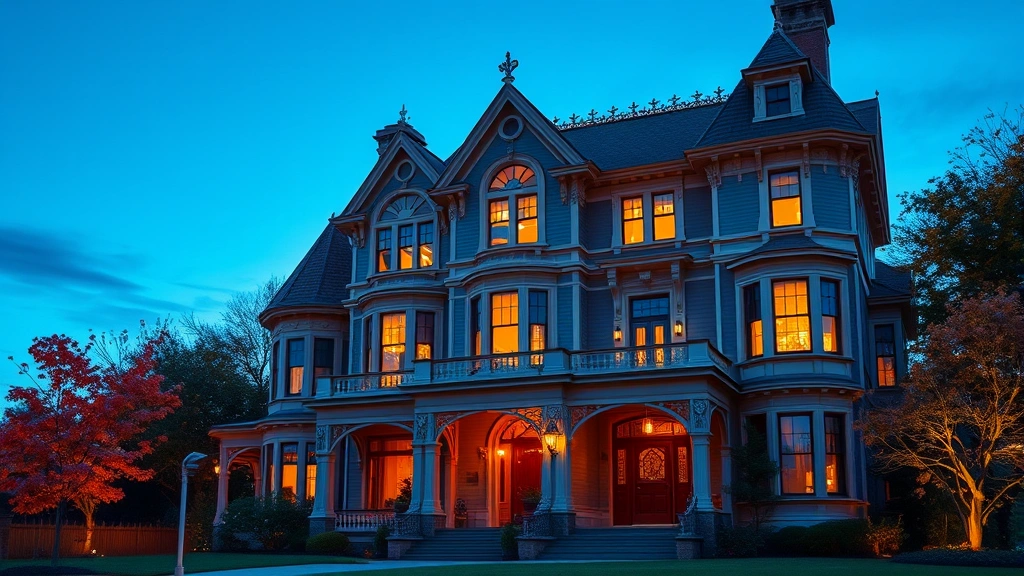
Are Haunted Houses a Good Investment? Expert Insights
The real estate market offers countless investment opportunities, but few capture the imagination quite like haunted houses for sale. Whether you’re a paranormal enthusiast, a savvy investor seeking undervalued properties, or simply curious about this niche market segment, understanding the investment potential of haunted homes requires careful analysis. These properties often come with lower price tags, unique histories, and distinctive characteristics that can appeal to specific buyer demographics.
Investing in a haunted house presents both compelling opportunities and significant challenges. While some investors have turned substantial profits by purchasing stigmatized properties and repositioning them, others have struggled with prolonged holding periods and limited buyer pools. This comprehensive guide explores the financial viability, legal considerations, market dynamics, and practical strategies for investing in haunted houses, drawing on expert insights and real-world case studies.
Understanding Stigmatized Properties in Real Estate
Haunted houses fall into a broader category known as stigmatized properties in real estate terminology. These are homes with a reputation or history that negatively affects their market value, regardless of their actual physical condition. Other examples include properties with criminal histories, former drug manufacturing sites, or homes where tragic events occurred.
The concept of property stigmatization is well-documented in real estate literature and has been studied extensively by researchers examining how perception influences market value. A property’s reputation can reduce its market value by 5-30% depending on the severity of the stigma and local market conditions. However, this substantial discount creates the investment opportunity—if you can manage the stigma effectively, you may be able to purchase below market rate and later resell at a premium.
When exploring 4-bedroom houses for sale, investors often overlook stigmatized properties that could offer excellent value propositions. The key is understanding whether the stigma is permanent or temporary, and whether your target market will eventually overlook it.
Financial Considerations and Pricing Dynamics
The primary financial advantage of haunted houses is their reduced purchase price. Properties with genuine haunted reputations typically sell for significantly less than comparable properties in the same area. This price discount creates immediate equity for investors willing to hold the property long enough for the market to adjust or for the stigma to fade.
Consider these financial factors:
- Purchase Price Advantage: Expect to negotiate 10-30% below market value for a property with a strong haunted reputation
- Holding Costs: Extended ownership periods increase carrying costs including property taxes, insurance, and maintenance
- Insurance Premiums: Some insurers may charge higher premiums for properties with notorious histories
- Financing Challenges: Lenders may require larger down payments or charge higher interest rates
- Exit Strategy Timeline: Plan for 3-10 years before the property becomes attractive to mainstream buyers
A haunted house purchased at 20% below market value needs to appreciate by that same percentage just to break even with holding costs. Real estate investors typically require a minimum 15-25% profit margin on investments, meaning you’d need the property to appreciate 35-45% above the discount price to justify the investment and opportunity cost.
Legal Disclosure Requirements
Before investing in a haunted house, understand the mandatory disclosure laws in your jurisdiction. These laws require sellers to disclose material facts about properties, and definitions of what constitutes a material fact vary significantly by state and locality.
Most states have enacted disclosure laws regarding deaths in properties, with many requiring disclosure if a death occurred within a specific timeframe (typically 1-3 years). However, the rules for disclosing “haunted” properties or paranormal activity are murky. Generally, belief in ghosts isn’t considered a material fact that must be disclosed, though deaths, murders, or suicides are.
When purchasing a haunted property, work with a real estate attorney familiar with local disclosure requirements. Understanding what contingent means on a house for sale becomes particularly important when dealing with stigmatized properties, as contingencies protect you if the property’s condition or history differs from representations.
Key legal considerations include:
- Researching state and local disclosure laws specific to your jurisdiction
- Obtaining detailed property history and death records
- Reviewing all previous inspection reports and disclosure documents
- Ensuring clear title and resolving any liens or claims
- Documenting all known issues and paranormal claims in writing
Market Demand and Buyer Psychology
The success of haunted house investments depends largely on market demand. While some buyers actively seek paranormal properties—either for their authentic history or entertainment value—most mainstream homebuyers want to avoid them entirely. Understanding these buyer segments is crucial.
Niche Buyer Markets:
- Paranormal Enthusiasts: Collectors and paranormal investigators often pay premium prices for genuinely haunted properties
- Content Creators: YouTubers, podcasters, and filmmakers purchase haunted houses for their entertainment value and audience appeal
- Paranormal Tourism Operators: Entrepreneurs operating ghost tours or paranormal experiences seek authentic haunted properties
- Historians and Preservationists: Those interested in local history may view haunted properties as culturally significant investments
- Renovation Flippers: Experienced investors who can overcome the stigma through strategic repositioning
The broader market psychology shows that belief in hauntings varies significantly by demographic. Younger buyers and urban populations tend to be more skeptical, while certain regions have stronger paranormal traditions. Location matters enormously—a haunted house in New Orleans or Salem, Massachusetts has very different market dynamics than one in suburban Arizona.
Successful investors leverage these psychological factors by understanding their target buyer personas and marketing accordingly. A property marketed to paranormal enthusiasts requires entirely different strategies than one marketed to mainstream homebuyers seeking a renovation project.
Renovation and Repositioning Strategies
One of the most effective approaches to investing in haunted houses involves strategic renovation and repositioning. Rather than trying to sell a property as a paranormal attraction, many successful investors focus on eliminating the reasons for the haunted reputation through comprehensive updates.
Repositioning strategies include:
- Complete Renovations: Gut-renovate the property to create a “new” home that’s disconnected from its dark history
- Historical Restoration: Embrace the property’s history through careful restoration that celebrates rather than hides its past
- Paranormal Experience Conversion: Transform the property into a haunted house attraction, bed and breakfast, or paranormal investigation venue
- Subdivision: If zoning allows, divide the property into multiple lots to sell the land separately from the stigmatized structure
- Adaptive Reuse: Convert the residential property into commercial space such as offices, retail, or event venues
The renovation approach works best when the haunted reputation stems from a single event or period rather than a pervasive sense of paranormal activity. A property where a tragic event occurred 50 years ago can be more effectively repositioned than one with centuries of reported hauntings.
When comparing investment options, 3-bedroom houses for sale and two-bedroom houses for sale offer different investment profiles. Haunted smaller homes may be easier to completely renovate and reposition than larger properties requiring extensive work.

Financing Haunted Houses
Financing a haunted house purchase presents unique challenges. Traditional lenders view stigmatized properties as higher-risk investments and may be reluctant to finance them at standard terms. Understanding your financing options is essential before making an offer.
Financing Options:
- Conventional Mortgages: Possible but may require larger down payments (25-40%) and higher interest rates
- FHA Loans: Generally not available for properties with serious defects, though hauntings alone aren’t typically grounds for denial
- Portfolio Lenders: Banks that hold loans in-house rather than selling them may be more flexible with stigmatized properties
- Hard Money Lenders: Short-term, higher-interest loans from private investors willing to finance risky projects
- Cash Purchase: The most straightforward approach, eliminating lender concerns about property condition or reputation
- Seller Financing: Negotiate with sellers to provide financing, often at better terms than institutional lenders
The cost of financing significantly impacts your investment returns. A 2-3% higher interest rate on a $300,000 loan costs an additional $6,000-$9,000 annually, which must be factored into your return calculations.
Case Studies: Success and Failure
Case Study 1: The Winchester Mystery House Investment
While the Winchester Mystery House in San Jose, California is now a museum and tourist attraction, it exemplifies successful paranormal property monetization. The property’s haunted reputation and architectural curiosity drive hundreds of thousands of visitors annually, generating substantial revenue. Investors who recognize paranormal properties’ entertainment value can create profitable businesses around them.
Case Study 2: The Lizzie Borden House
Located in Fall River, Massachusetts, the house where the famous 1892 murders occurred now operates as a bed and breakfast and museum. The property’s dark history, rather than diminishing its value, became its primary asset. The owners successfully transformed a stigmatized property into a profitable enterprise by embracing rather than hiding its paranormal reputation.
Case Study 3: Suburban Haunted House Failure
Conversely, many suburban haunted houses struggle to find buyers despite significant price reductions. A property in a typical suburban neighborhood where a crime occurred may sit on the market for years, accumulating carrying costs that exceed the initial purchase discount. Without a clear monetization strategy or compelling paranormal narrative, these properties often become financial drains.
The critical difference between success and failure often comes down to location and positioning. Properties in tourist destinations or with compelling historical narratives succeed when monetized for paranormal interest. Properties in ordinary neighborhoods with ordinary haunted reputations struggle unless completely repositioned through renovation.
Comparing with Other Property Types
To properly evaluate haunted houses as investments, compare them with other undervalued property types:
Haunted Houses vs. Foreclosures: Both offer below-market pricing, but foreclosures typically have clearer paths to resale. Haunted houses carry permanent reputational challenges that foreclosures don’t face.
Haunted Houses vs. Properties Requiring Major Repairs: A house needing $100,000 in structural repairs and a haunted house at the same price point present different risk profiles. The repair costs are quantifiable and fixable, while hauntedness is subjective and permanent.
Haunted Houses vs. Distressed Neighborhoods: Investing in emerging neighborhoods offers appreciation potential without reputational stigma. However, haunted houses in desirable neighborhoods may offer better long-term value.
Real estate agents familiar with real estate agent job descriptions and career insights often advise clients that haunted properties require specialized knowledge and marketing approaches beyond standard residential real estate.
Understanding how to appeal property taxes becomes important for haunted house investors, as you may be able to argue that the property’s stigma justifies a lower assessed value, reducing annual tax burdens during the holding period.

FAQ
Are haunted houses legal investments?
Yes, haunted houses are legal investments. However, ensure you understand local disclosure laws, obtain clear title, and work with qualified real estate professionals. The key is proper legal documentation and transparency with future buyers.
What percentage discount should I expect on a haunted house?
Expect 10-30% discounts depending on the haunting’s severity, location, and notoriety. Well-documented paranormal properties in tourist destinations may command smaller discounts than properties with vague haunted reputations in ordinary neighborhoods.
How long does it take for a haunted house stigma to fade?
Stigma typically fades over 5-10 years as the property becomes older news and ownership changes. Properties with genuinely dark histories may carry stigma indefinitely. Strategic repositioning can accelerate the timeline.
Can I get a mortgage for a haunted house?
Yes, though with restrictions. Traditional lenders may require larger down payments and charge higher rates. Hard money lenders and portfolio lenders are more accommodating. Cash purchase eliminates financing complications entirely.
What’s the best way to resell a haunted house?
Target niche markets: paranormal enthusiasts, content creators, paranormal tourism operators, or investors seeking renovation projects. Alternatively, reposition through renovation to appeal to mainstream buyers. Location and the property’s specific history determine the optimal strategy.
Are haunted houses good for flipping?
Haunted houses can be excellent flips if you pursue complete repositioning through renovation. However, they’re poor candidates for quick flips. Most successful haunted house investments require 3-10 year holding periods or complete renovation investments.
How do I verify if a house is actually haunted?
Research death records, news archives, and paranormal databases. Speak with neighbors and local historians. However, remember that paranormal claims are subjective. Focus on documented historical events rather than unverifiable ghostly encounters.
Should I disclose a haunting when selling?
Disclosure requirements vary by jurisdiction. Generally, deaths must be disclosed within specified timeframes, but paranormal beliefs aren’t legally required disclosures. Consult with a real estate attorney about your specific location’s requirements.