Table of Contents
Introduction
Your home could be costing you way more money than it should. Every month, you’re probably watching those energy bills climb higher, wondering if there’s anything you can do about it. Well, here’s some good news: there absolutely is. Making your home more energy-efficient isn’t just about saving money (though you’ll definitely do that). It’s about creating a space that’s more comfortable, more valuable, and better for the environment.
Think about it—what if your home could cut your utility bills by 30%? That’s not wishful thinking. It’s what actually happens when homeowners get serious about energy efficiency. And the benefits go way beyond your monthly savings. You’re looking at increased property value, better comfort year-round, and yes, some serious bragging rights. The advantages of owning a home really start to shine when you’re smart about how you use energy.
Now, before you start planning your upgrades, here’s something most people don’t consider: the tax angle. Some of these improvements might qualify for investment property tax deductions, which can seriously help with the upfront costs. But you want to be strategic about this, right? That’s where understanding your return on investment comes in handy. Check out this guide on how to calculate ROI in real estate—it’ll help you figure out which projects will actually pay off.
Here’s something else that might surprise you: energy efficiency is becoming a huge factor in home appraisals and buyer decisions. More people are paying attention to energy ratings these days, and it shows up in home values. Understanding the difference between home appraisal vs inspection can give you an edge, especially when energy features factor into these assessments. Energy-efficient homes don’t just sell faster—they often sell for more money too.
What You’ll Learn in This Guide
This guide will walk you through everything you need to know about making your home more energy-efficient. We’re talking practical steps, real savings, and strategies that actually work in the real world.
- Assessing Your Home’s Energy Use: Learn how to evaluate your current energy consumption and identify inefficiencies with both professional audits and simple DIY checks to start your journey.
- Key Improvement Areas: Discover which home components such as insulation, windows, HVAC, and lighting yield the greatest energy savings and how to upgrade them efficiently.
- Financial Benefits and Tax Incentives: Understand potential savings, tax deductions, and return on investment to make financially sound decisions on your upgrades.
- Maintenance and Professional Help: Gain insights into ongoing maintenance practices and know when it’s best to call experts for more complex tasks to keep your system working optimally.
We’ll help you figure out which improvements to tackle first based on your budget and what’ll give you the biggest bang for your buck. Whether you’re a DIY enthusiast or prefer calling in the pros, you’ll know exactly what to do. Plus, we’ll cover those telltale signs that your home is practically begging for an energy upgrade.
You’ll also learn the ins and outs of insulation, air sealing, and choosing the right appliances. These might sound like small details, but they’re the building blocks of a truly efficient home. Get these right, and you’ll notice the difference immediately.
By the end, you’ll understand how regular maintenance, smart upgrades, and savvy financial planning work together to keep your home running efficiently while boosting its value. And if you want to dive deeper into property investment strategies? The online real estate courses we recommend can help you think like a pro about energy-conscious property decisions.
Ready to turn your home into an energy-saving powerhouse? Let’s get started—your wallet (and the planet) will thank you.
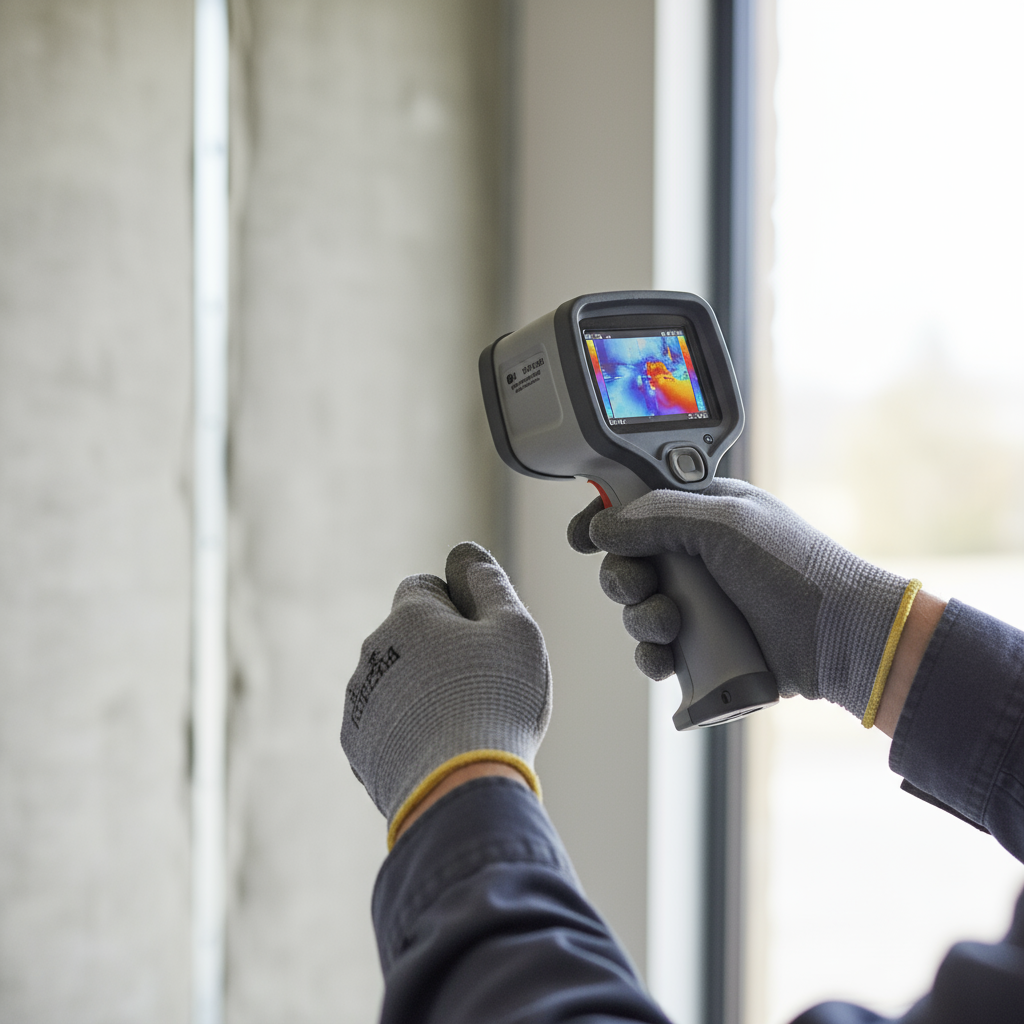
Making your home more energy efficient? Smart move. Not only are you doing something good for the planet, but you’re also setting yourself up to save some serious money on those monthly utility bills. Now that you understand why energy savings matter, let’s get practical about this. How do you actually figure out where your home is wasting energy—and more importantly, what can you do about it? We’re going to walk through the best ways to assess your home’s energy performance and pinpoint exactly where your money (and energy) is going out the window. Literally, in some cases.
Assessing Your Home’s Energy Efficiency
Here’s the thing about improving your home’s energy efficiency—you can’t fix what you don’t know is broken. That’s where an energy audit comes in. Think of it as a health checkup for your house. A professional energy auditor shows up with some pretty cool tools (we’re talking blower doors and infrared cameras) to hunt down all the spots where your home is bleeding energy. Could be poor insulation, sneaky air leaks, or that ancient refrigerator that’s been running since the Clinton administration. Most homeowners are shocked by what these audits reveal—problems hiding in plain sight that have been quietly driving up their bills for years. If you want to dig deeper into home assessments, you might find it helpful to understand the differences between home appraisals and inspections, since these processes can actually complement your energy evaluation.
But you don’t have to wait for a professional to start investigating. There’s plenty you can do yourself to get a feel for your home’s energy personality. Walk around on a windy day and feel for drafts near windows and doors. Check out your attic insulation—is it thick enough, or can you see the floor joists? Grab a smart meter or energy monitor and start tracking which appliances are the real energy hogs. (You might be surprised which ones top the list.) When you combine your DIY detective work with a professional audit, you get the complete picture. And if you’re thinking about energy upgrades as part of a broader home improvement strategy, check out this guide on how to improve home value—it covers smart upgrades that often include energy efficiency wins.
Key Aspects of Energy Assessment
Ready to become an energy detective? Here’s what to focus on during your home’s energy evaluation:
- Energy Audits: Professional energy audits use diagnostic tools such as blower doors and infrared cameras to detect air leaks and heat loss. This provides a detailed map of problem areas, helping target upgrades for maximum impact.
- Insulation Inspection: Checking the condition and type of insulation in your home can reveal gaps and outdated materials that allow heat to escape, driving up heating and cooling costs.
- Appliance Efficiency Measurements: Evaluating the energy usage of major home appliances can highlight inefficient models suitable for replacement with ENERGY STAR-rated devices, improving overall consumption.
- Behavioral and Usage Patterns: Monitoring how and when energy is used in your household can uncover opportunities to adjust habits, optimize systems, and reduce waste.
Once you have this detailed energy profile in hand, you’re armed with real data. No more guessing about where to spend your improvement budget—you’ll know exactly which projects will give you the biggest bang for your buck. That’s how you set yourself up for upgrades that actually make a difference.
Key Areas for Energy Efficiency Improvements
So your energy assessment is done, and now you know where the problems are. Great! But where do you start? The smart money focuses on four main areas: insulation, windows and doors, your HVAC system, and lighting plus appliances. These aren’t just random picks—they’re the heavy hitters when it comes to energy savings. Get these right, and you’ll see real improvements in comfort, lower bills, and even your home’s value. Speaking of value, if you’re looking at this as part of a broader investment strategy, our guide on investment property tax deductions has some smart insights about maximizing your financial returns on home upgrades.
Here’s what’s really great about targeting these key areas—you’re not just saving energy. You’re also solving those annoying comfort issues that drive you crazy. You know, like that one room that’s always too hot or too cold, or those drafts that make you want to wear a sweater indoors in July. When you tackle these improvements systematically, everything works better together.
Key Aspects of Home Energy Improvements
Want to get the most out of your energy upgrade budget? Focus your efforts on these game-changers:
- Insulation and Air Sealing: Proper insulation materials such as spray foam, fiberglass, and cellulose must be combined with effective air sealing techniques to prevent warm or cool air from leaking out. Upgrading to higher R-value insulation enhances thermal resistance, maintaining consistent indoor temperatures.
- Windows and Doors: Installing energy-efficient windows with double or triple glazing, low-emissivity coatings, and insulated frames minimizes heat transfer. Door upgrades with weatherstripping and insulated cores further reduce drafts and heat loss, boosting overall envelope performance.
- Heating, Ventilation, and Air Conditioning (HVAC): Modernizing HVAC systems with high-efficiency furnaces, heat pumps, and programmable thermostats improves energy use substantially. Regular maintenance including filter changes and duct sealing maintains system performance and prolongs longevity.
- Lighting and Appliances: Transitioning to LED lighting and ENERGY STAR-certified appliances reduces electricity consumption without sacrificing convenience or functionality. Smart home controls can optimize usage patterns for additional savings.
The reality is, these improvements take some planning—and probably some professional help to make sure everything’s installed correctly and meets local codes. But the payoff? Lower energy bills, a more comfortable home, and increased property value. That’s what we call a win-win-win situation.
Here’s the bottom line: making your home more energy efficient isn’t just smart—it’s one of the best investments you’ll ever make. We’ve walked through everything from spotting those sneaky energy drains (hello, drafty windows!) to tackling the big-ticket upgrades that actually move the needle on your utility bills. Whether it’s beefing up your insulation, sealing those pesky air leaks, or finally upgrading that ancient HVAC system, you now know where to focus your efforts for maximum impact.
But wait—there’s more to this story than just saving money each month. (Though let’s be honest, who doesn’t love lower utility bills?) These improvements bump up your home’s value too. And in today’s market? Buyers are actively looking for energy-efficient homes. You’re also setting yourself up for some nice tax perks along the way. It’s like getting paid to make your home more comfortable. Win-win-win.
Ready to dive deeper into the financial side of things? Smart move. Our guide on investment property tax deductions breaks down exactly how to maximize those tax benefits we mentioned. Want to crunch the numbers on your potential returns? Check out how to calculate ROI in real estate—it’s a game-changer for understanding the true value of your upgrades. If you’re thinking about selling down the road, you’ll want to understand home appraisal vs inspection to see how these improvements factor into your home’s market value. For those who want to level up their real estate knowledge completely, our online real estate courses cover everything from smart upgrades to savvy investing strategies. And here’s a bonus resource: these tips for investing in real estate can help you think bigger picture about your property investments.
Look, every home is different. Every budget is different. But here’s what I know for sure: the steps you take today to improve your home’s energy efficiency will pay dividends for years to come. Start small if you need to—even switching to LED bulbs makes a difference. Build momentum. And remember, some projects you can tackle yourself, while others are worth calling in the pros. Trust your instincts, and don’t be afraid to ask for help when you need it. Your future self (and your wallet) will thank you.
Frequently Asked Questions
-
What is the most cost-effective home energy improvement?
- Improving insulation and sealing leaks typically offer the best return on investment by reducing energy loss and lowering utility bills significantly.
-
How often should I have an energy audit?
- It’s recommended to conduct an energy audit every 3-5 years or after major renovations to identify new inefficiencies and maintain optimal home performance.
-
Can I improve energy efficiency myself?
- Many projects like sealing leaks, upgrading insulation in accessible areas, and switching to LED bulbs can be done by homeowners. However, complex tasks often require professional expertise.
-
Do energy-efficient upgrades really lower utility bills?
- Yes, these upgrades reduce energy consumption which directly translates into lower monthly utility costs over time.
-
Are there financial incentives for energy improvements?
- Many regions offer rebates, tax credits, and deductions for qualifying energy-efficient home upgrades, helping offset initial costs.