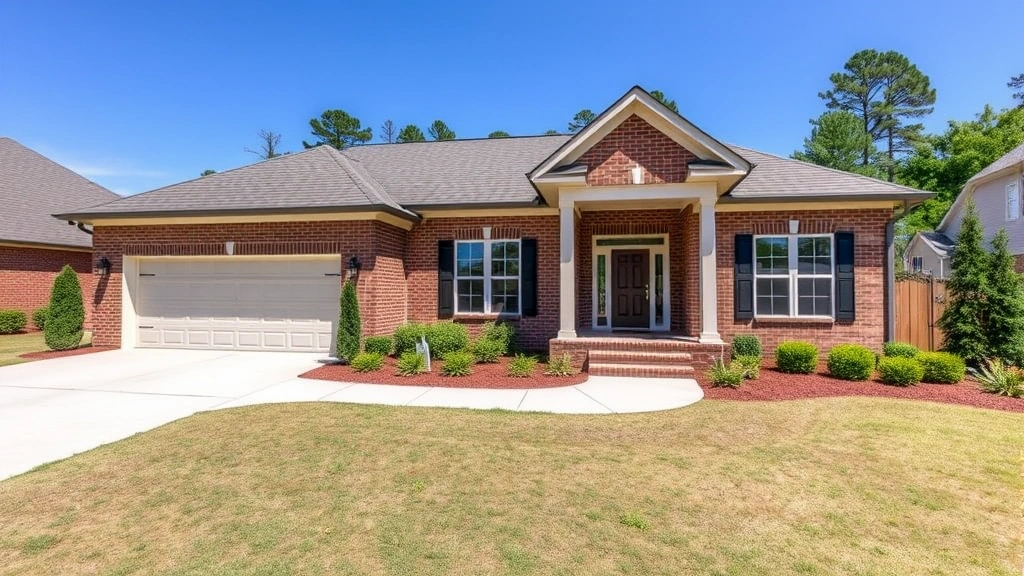
Duluth Home Sales: Market Trends & Stats
The Duluth real estate market has experienced significant evolution over the past few years, reflecting broader economic shifts and changing buyer preferences across Georgia’s metropolitan areas. Whether you’re considering purchasing your first home, upgrading to a larger property, or exploring investment opportunities, understanding the current market dynamics in Duluth is essential for making informed decisions. The region has become increasingly attractive to homebuyers seeking a balance between suburban convenience and proximity to Atlanta’s employment centers.
Duluth’s housing market presents unique opportunities shaped by demographic growth, infrastructure development, and shifting consumer behaviors in the post-pandemic era. From single-family homes to townhouses and condominiums, the area offers diverse housing options at various price points. This comprehensive guide examines current market trends, sales statistics, pricing patterns, and actionable insights to help both buyers and sellers navigate house sales in Duluth effectively.
Current Duluth Real Estate Market Overview
Duluth has emerged as one of Georgia’s most dynamic real estate markets, experiencing steady growth in both residential sales volume and property values. The city’s strategic location along the I-85 corridor provides easy access to downtown Atlanta, major employment centers, and the North Georgia mountains, making it an increasingly popular destination for homebuyers and investors. According to recent data from the National Association of Realtors, suburban markets like Duluth have seen accelerated buyer interest as remote work flexibility and quality-of-life considerations reshape housing preferences.
The local market has transitioned from the seller-dominant conditions of 2021-2022 toward a more balanced environment. This shift creates both opportunities and challenges for different market participants. Sellers benefit from sustained buyer demand and competitive pricing, while buyers gain more negotiating power and selection compared to previous years. The median home price in Duluth reflects this balance, with properties typically selling within 30-45 days in the current market cycle.
Understanding the broader context of Duluth’s market requires examining several interconnected factors: population growth, employment opportunities, school district quality, infrastructure improvements, and regional economic health. The Atlanta metropolitan area continues to attract newcomers from other states seeking employment, affordable housing relative to national averages, and favorable business conditions. Duluth captures a significant share of this migration due to its excellent schools, vibrant downtown development, and family-friendly amenities.
Home Price Trends and Analysis
Median home prices in Duluth have demonstrated resilience despite national market uncertainties. Current listings typically range from $350,000 to $650,000 for single-family homes, with luxury properties exceeding $1 million. Compared to metro Atlanta averages, Duluth maintains competitive pricing while offering superior schools and lower crime rates, creating strong value propositions for discerning buyers.
Price appreciation in Duluth has moderated from the double-digit annual growth rates observed in 2020-2021, now stabilizing in the 3-6% range annually. This normalization reflects market maturation and increased inventory availability. Properties in established neighborhoods with mature trees, proximity to downtown Duluth, and excellent school assignments command premium prices. Conversely, homes in newer subdivisions on the city’s periphery offer more affordable entry points for first-time buyers and investors.
The Zillow Duluth market data indicates that homes priced appropriately for current conditions and presented professionally sell faster and closer to asking price. Overpriced properties languish on the market, while underpriced homes generate multiple offers and bidding wars. This underscores the importance of accurate closing costs calculations and comprehensive market analysis during the valuation process.
Interest rate fluctuations significantly impact Duluth home prices and buyer purchasing power. When mortgage rates rise, buyer demand typically contracts, exerting downward pressure on prices. Conversely, rate decreases stimulate buyer activity and support price appreciation. Prospective buyers should monitor Freddie Mac mortgage rate data and consult with lenders to understand how rate movements affect their affordability and investment returns.
Seasonal patterns also influence Duluth’s housing market. Spring and early summer represent peak selling seasons when inventory peaks and buyer activity intensifies. Fall and winter see reduced activity, but motivated sellers and serious buyers often achieve better deals during slower periods. Understanding these cycles helps both buyers and sellers optimize their transaction timing.
Inventory Levels and Days on Market
Duluth’s housing inventory has stabilized following the extreme shortage of 2021-2022, when homes sold within days of listing. Current market conditions feature 4-6 months of inventory supply, representing a shift toward equilibrium. This normalization benefits both buyers with more selection and sellers with more realistic expectations about pricing and marketing timelines.
Days on market (DOM) metrics reveal important insights about property desirability and market conditions. Well-maintained homes in desirable neighborhoods typically sell within 25-35 days, while properties requiring significant repairs or located in less popular areas may remain listed for 60+ days. Understanding these benchmarks helps sellers identify whether their property needs price adjustments, marketing enhancements, or physical improvements to attract buyers efficiently.
Inventory composition varies significantly across Duluth’s diverse neighborhoods. Downtown and close-in residential areas experience tighter inventory with higher competition among buyers. Peripheral neighborhoods and newer subdivisions typically feature more available listings and longer selling timelines. This variation creates distinct micromarkets within Duluth, each with unique supply-demand dynamics and pricing patterns.
The relationship between inventory levels and buyer negotiating power cannot be overstated. When inventory increases, buyers gain leverage to negotiate better prices, request seller concessions, and shop more selectively. When inventory tightens, sellers regain negotiating strength. Tracking Duluth inventory trends helps both parties develop appropriate expectations and strategies.

Buyer Demographics and Preferences
Duluth attracts diverse buyer demographics with varying motivations and preferences. First-time homebuyers represent a significant market segment, drawn by the city’s affordability relative to urban cores, excellent schools, and community amenities. This demographic typically seeks homes in the $350,000-$500,000 range with modern systems, energy efficiency, and move-in ready condition. First-time buyers often benefit from consulting a comprehensive buying a house checklist to ensure they don’t overlook critical steps.
Upgraders—existing homeowners seeking larger properties, additional amenities, or better locations—represent another major demographic. These buyers typically have equity from previous sales and seek homes exceeding $600,000 with premium features like updated kitchens, home offices, and outdoor living spaces. Upgraders often bring multiple offers and demonstrate strong buying power.
Investors and second-home buyers increasingly recognize Duluth’s potential for rental income and appreciation. The city’s growing population, strong job market, and limited rental inventory create favorable conditions for investment properties. Investors seek value-add opportunities in properties requiring cosmetic updates or strategic renovations for enhanced market positioning.
Remote workers and relocators from other states comprise a growing buyer segment. These individuals prioritize quality-of-life factors, school quality, and community character over proximity to traditional office locations. Many relocators come from high-cost markets and find Duluth’s pricing remarkably attractive, often bringing significant purchasing power to transactions.
Buyer preferences increasingly emphasize energy efficiency, smart home technology, outdoor living spaces, and flexible floor plans accommodating home offices. Properties featuring these elements command premiums and sell faster. Sellers who invest in these improvements often recover investments through faster sales and higher prices.
Neighborhoods Worth Watching
Duluth encompasses numerous distinct neighborhoods, each offering unique characteristics, price points, and lifestyle appeals. Downtown Duluth has experienced remarkable revitalization, attracting young professionals and empty-nesters seeking walkable communities with restaurants, shops, and cultural venues. Properties here command premium prices but offer unparalleled urban amenities within suburban convenience.
Sugarloaf offers established residential character with mature trees, excellent schools, and convenient shopping. Properties here typically range from $450,000-$750,000 and appeal to families prioritizing education and neighborhood stability. The community’s established reputation and consistent appreciation make it attractive to long-term homeowners.
The Johns Creek area provides newer construction options with modern amenities and active lifestyle communities. Homes here generally range from $550,000-$850,000 and attract upgraders seeking contemporary features and newer systems. Strong HOA management and community activities appeal to buyers seeking organized neighborhood experiences.
Duluth’s northern subdivisions offer more affordable entry points, particularly for first-time buyers and investors. Properties in these areas typically range from $300,000-$450,000 and feature newer construction with contemporary designs. Growing infrastructure and retail development in northern Duluth enhance these neighborhoods’ future appeal.
Each neighborhood’s market dynamics, appreciation potential, and buyer demographics differ significantly. Successful buyers and investors conduct thorough neighborhood research to identify opportunities aligned with their goals and timelines. Location-specific analysis often reveals neighborhoods at inflection points offering exceptional value before broader market recognition.
Selling Your Duluth Home Successfully
Successfully selling a Duluth home requires strategic planning, professional marketing, and realistic pricing. The first critical step involves accurate valuation using comparable sales analysis, current market conditions, and property-specific factors. Overpricing remains the most common seller mistake, deterring qualified buyers and resulting in price reductions that signal weakness to remaining prospects.
Professional home staging and photography dramatically impact buyer perception and selling timelines. Buyers form impressions within seconds of viewing online listings, making high-quality photography essential. Staging removes personal clutter, highlights architectural features, and helps buyers envision themselves in the space. These investments consistently yield returns through faster sales and higher prices.
Strategic marketing extends beyond basic MLS listing to include targeted digital advertising, social media promotion, and agent outreach to buyer networks. Duluth’s competitive market demands aggressive marketing to differentiate properties and attract qualified buyers quickly. Agents leveraging multiple marketing channels consistently achieve superior results compared to minimal-effort approaches.
Implementing the strategies outlined in our guide on selling your house fast can significantly accelerate timelines and improve financial outcomes. Key tactics include competitive pricing, professional presentation, responsive communication, and flexible showing policies. Sellers who embrace these principles often achieve sales within target timelines at favorable prices.
Negotiation strategy significantly impacts final selling prices and closing timelines. Experienced agents balance firmness on pricing with flexibility on terms, concessions, and contingencies. Understanding buyer motivation helps sellers identify opportunities for win-win compromises that facilitate transactions.
Home inspections and appraisals represent potential obstacles in the selling process. Addressing repairs proactively, obtaining pre-listing inspections, and pricing conservatively to support appraisals prevent transaction failures. Sellers who anticipate and mitigate these issues close transactions more reliably.
Buying in Duluth: Key Considerations
Successful Duluth home purchases begin with financial preparation and pre-approval from qualified lenders. Understanding your true purchasing power, down payment capacity, and monthly payment tolerance ensures you shop effectively and avoid overextending. Pre-approval demonstrates serious buyer intent and strengthens offers in competitive situations.
Selecting an experienced Duluth real estate agent dramatically improves buying outcomes. Local experts understand neighborhood dynamics, market conditions, comparable sales patterns, and negotiation strategies specific to the Duluth market. Agents with strong lender relationships and transaction experience facilitate smoother closings and better terms.
Thorough property inspections protect buyer interests and reveal potential issues requiring negotiation or repair. Professional inspectors identify structural concerns, mechanical deficiencies, and maintenance needs that affect long-term value and expenses. Home inspection contingencies provide legal protection and renegotiation opportunities if significant issues emerge.
Understanding Duluth’s school assignments, property tax implications, and HOA obligations ensures informed decisions. Schools significantly impact property values and family satisfaction, making them critical evaluation factors. Property taxes vary by neighborhood and directly affect affordability calculations. HOA fees and restrictions influence lifestyle fit and long-term costs.
Timing your Duluth purchase strategically maximizes value. Buying during slower seasons often provides better selection and negotiating leverage. Conversely, spring purchases may offer properties that sold in winter, indicating motivation or pricing issues. Understanding seasonal patterns helps buyers identify optimal purchase windows.
The real estate market outlook for 2025 suggests continued stabilization in Duluth with moderate appreciation potential. Buyers entering the market should expect competitive conditions with more balance than recent years, favoring informed, prepared purchasers over impulsive decisions.

Considering long-term investment potential versus immediate needs helps buyers make decisions aligned with personal circumstances. The advantages of owning a home extend beyond financial returns to include stability, community building, and quality-of-life improvements. Buyers should evaluate both tangible financial factors and intangible lifestyle benefits when making purchase decisions.
Closing cost preparation represents the final critical step in Duluth home purchases. Understanding how to calculate closing costs prevents surprises at closing and facilitates budget planning. Buyers should request detailed closing cost estimates and review them carefully before finalizing transactions.
FAQ
What is the current median home price in Duluth, Georgia?
Current median home prices in Duluth range from $450,000-$550,000 depending on neighborhood, property condition, and recent sales data. Prices vary significantly across different areas, with downtown and established neighborhoods commanding premiums over newer peripheral developments. For most current data, consult Zillow’s Duluth market statistics or work with local real estate professionals.
How long do homes typically stay on the market in Duluth?
Well-priced, well-maintained homes in desirable Duluth neighborhoods typically sell within 25-40 days. Properties requiring repairs, overpriced properties, or homes in less popular areas may remain listed 60+ days. Market conditions, seasonal factors, and property presentation significantly influence individual timelines.
Which Duluth neighborhoods appreciate fastest?
Downtown Duluth and close-in established neighborhoods typically experience stronger appreciation due to limited inventory and high demand. Sugarloaf and Johns Creek offer consistent appreciation with family-friendly appeal. Northern Duluth neighborhoods present value opportunities with emerging appreciation potential as infrastructure develops.
Is now a good time to buy or sell in Duluth?
Current Duluth market conditions favor informed buyers and sellers with realistic expectations. Buyers enjoy more selection and negotiating leverage than 2021-2022, while sellers still benefit from strong underlying demand and appreciation potential. Individual circumstances, financial readiness, and personal timelines matter more than general market conditions.
What should I look for in a Duluth home inspection?
Professional inspections should evaluate roof condition, HVAC systems, plumbing, electrical systems, foundation integrity, and pest damage. Duluth’s climate necessitates particular attention to drainage, insulation, and weather resistance. Don’t skip inspections regardless of property age—they provide essential protection and negotiation information.
How do Duluth property taxes compare to surrounding areas?
Duluth property tax rates vary by specific neighborhood and are determined by Fulton County assessments. Generally, Duluth taxes remain competitive with surrounding areas while offering superior schools and services. Consult county tax assessor data or local agents for property-specific tax information.
What financing options work best for Duluth purchases?
Conventional mortgages represent the most common financing for Duluth purchases, typically requiring 10-20% down payments. FHA loans serve first-time buyers with lower down payments. VA and USDA loans may apply to specific buyer categories. Work with qualified mortgage lenders to explore options matching your situation.