Best Tips for Buying in Greenville, NC: Realtor Advice for Finding Your Dream Home
Greenville, North Carolina has emerged as one of the most dynamic and attractive markets for homebuyers in the Eastern region. With its growing economy, vibrant downtown district, and proximity to both coastal and rural attractions, Greenville offers an exceptional quality of life for families, young professionals, and retirees alike. Whether you’re a first-time buyer exploring houses for sale in Greenville, NC or an experienced investor looking to expand your portfolio, understanding the local market dynamics is essential to making an informed purchase decision.
The Greenville real estate market has experienced steady growth over the past several years, with diverse neighborhoods offering everything from historic downtown lofts to sprawling suburban estates. Before diving into your home search, it’s crucial to understand the specific characteristics of this market, the neighborhoods that best suit your lifestyle, and the strategies that successful buyers employ when navigating Greenville’s competitive landscape. This comprehensive guide draws on realtor expertise and market insights to help you secure the perfect property at the right price.
Understanding the Greenville Real Estate Market
Before you start viewing properties, take time to understand the current state of Greenville’s real estate market. According to data from the National Association of Realtors, North Carolina continues to see strong buyer interest, particularly in emerging markets like Greenville. The market dynamics here differ significantly from coastal areas like Wilmington or mountain regions like Asheville, offering unique opportunities for savvy buyers.
Greenville’s market is characterized by moderate appreciation rates, reasonable inventory levels, and a diverse range of price points. Currently, median home prices in Greenville range from the low $200,000s for starter homes to well over $500,000 for luxury properties. The market has transitioned from a seller’s market to a more balanced environment, which benefits buyers who understand how to leverage current conditions.
Analyze recent sales data for the neighborhoods you’re interested in. Look at days on market, price per square foot, and how many homes are selling above or below asking price. This information helps you understand pricing trends and identify whether a particular area is appreciating quickly or stabilizing. Zillow and local MLS databases provide valuable historical data that can inform your bidding strategy.
Interest rates and economic factors play crucial roles in market conditions. Even small fluctuations in mortgage rates can significantly impact your purchasing power. Stay informed about Federal Reserve announcements and economic forecasts that might affect interest rates during your buying timeline. Working with a local lender who understands Greenville’s market can help you secure favorable terms.
Get Pre-Approved for Your Mortgage
One of the most critical steps in the home buying process is obtaining mortgage pre-approval. This isn’t just a formality—it’s a strategic advantage that demonstrates to sellers you’re a serious, qualified buyer. Pre-approval involves a thorough financial review where a lender verifies your income, credit score, employment history, and debt obligations to determine how much you can borrow.
In Greenville’s competitive market, pre-approval can be the difference between your offer being accepted or rejected. Sellers are far more likely to negotiate with buyers who have already cleared financial hurdles. The pre-approval letter shows that you’ve already been vetted by a financial institution and can close the deal when promised.
When seeking pre-approval, compare rates from multiple lenders. Different lenders offer varying rates, terms, and closing costs. Even a quarter-point difference in interest rate can save you thousands of dollars over the life of a 30-year mortgage. Consider working with both traditional banks and mortgage brokers to ensure you’re getting the best available terms.
Understand the difference between pre-approval and pre-qualification. Pre-qualification is a preliminary assessment based on information you provide, while pre-approval involves actual verification of your financial documents. Only pre-approval carries weight with sellers. Additionally, ensure your pre-approval is valid for the timeframe of your home search—typically 60 to 90 days.
Before making an offer on a home, review your pre-approval letter for any conditions or contingencies. Some lenders require additional documentation or appraisals before final approval. Understanding these requirements upfront prevents delays during the closing process. This is where understanding home appraisal vs inspection differences becomes particularly valuable for Greenville buyers.
Explore Key Neighborhoods in Greenville
Greenville’s appeal lies partly in its diverse neighborhoods, each with distinct characteristics, price points, and community amenities. Successful buyers invest time in exploring multiple areas before making a purchase decision. Understanding neighborhood dynamics helps you identify where your investment will appreciate and where you’ll enjoy living.
Downtown Greenville has undergone significant revitalization in recent years. Historic buildings have been converted into modern lofts and apartments, while new restaurants, galleries, and entertainment venues have transformed the area into a vibrant cultural hub. Downtown properties appeal to young professionals and empty nesters seeking walkable, urban lifestyles.
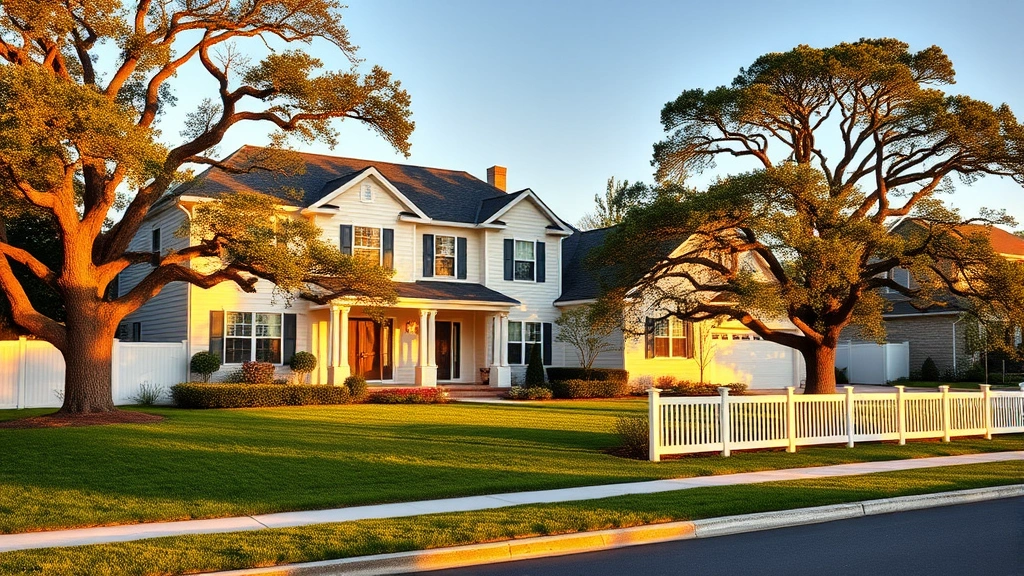
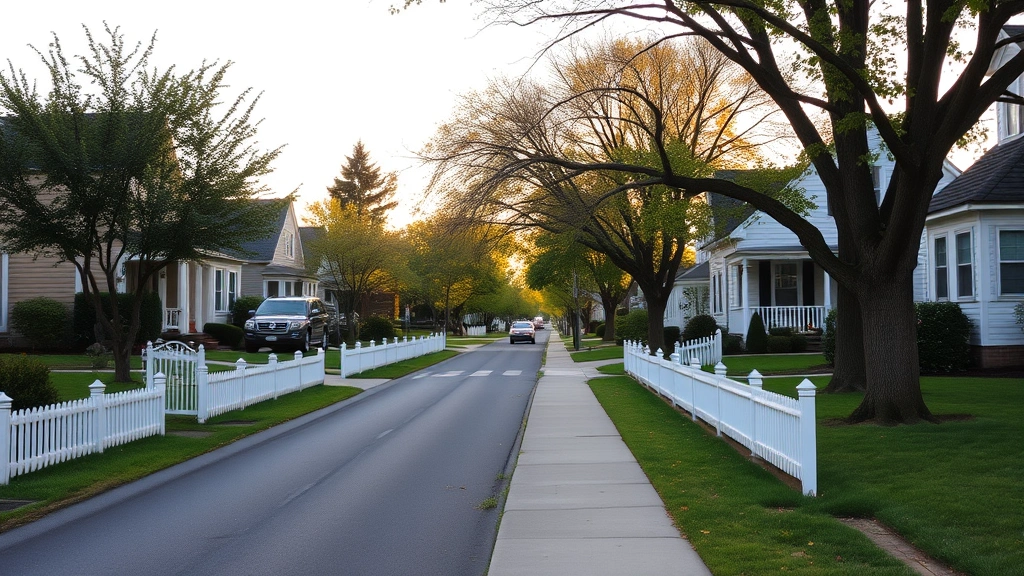
Uptown neighborhoods offer tree-lined streets, well-established homes, and strong community connections. These areas typically feature larger lots, mature landscaping, and proximity to good schools, making them attractive to families. Properties here tend to appreciate steadily and maintain strong resale value.
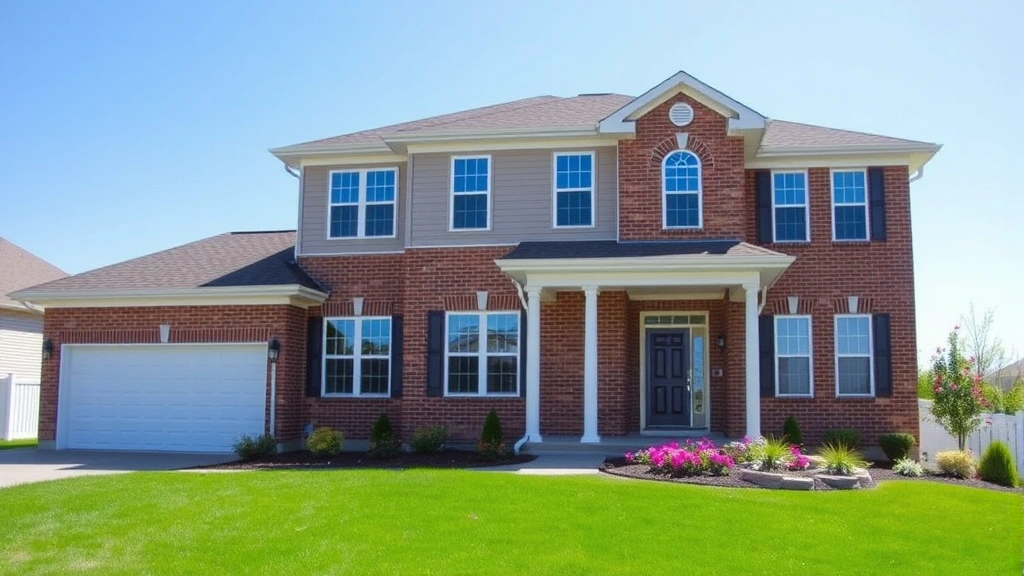
Suburban developments on the outskirts of Greenville provide newer construction, modern amenities, and often include community features like pools, fitness centers, and parks. These neighborhoods appeal to buyers seeking newer homes with lower maintenance requirements and contemporary floor plans.
East Greenville has experienced rapid growth with new subdivisions and commercial development. This area offers affordable options for first-time buyers and investors interested in properties with growth potential. The ongoing development in this region suggests strong appreciation opportunities.
Visit neighborhoods at different times of day and days of the week. Drive through streets in the morning, afternoon, and evening to get a feel for traffic patterns and community activity. Talk to residents, visit local parks and schools, and explore nearby shopping and dining options. This firsthand knowledge helps you make an emotionally informed decision that aligns with your lifestyle preferences.
Work with a Local Real Estate Agent
Partnering with a knowledgeable local real estate agent is invaluable when navigating Greenville’s market. While you can certainly browse buying vacation rental properties or standard residential homes independently, a seasoned agent brings insider knowledge, negotiating expertise, and access to properties that may not be widely advertised.
Look for agents with extensive experience in the Greenville market specifically. They should understand local zoning regulations, school district boundaries, flood zones, and neighborhood appreciation trends. Ask potential agents about their sales volume, average days on market for their listings, and how many buyers they’ve successfully represented in the past year.
Interview multiple agents before committing to one. A good agent should listen to your needs, ask informed questions about your timeline and budget, and provide honest assessments of market conditions. They should never pressure you into making an offer on a property that doesn’t meet your criteria or push you to overpay based on emotion rather than market analysis.
Your agent should have access to the Multiple Listing Service (MLS), which contains comprehensive data on all listed properties in the Greenville area. They can set up automated alerts for new listings matching your criteria, often giving you hours or days of advantage over other buyers. This early access to homes for sale in Greenville, NC can be crucial in a competitive market.
Discuss representation agreements carefully. Most agents work on commission, earning a percentage of the sale price. Understand what services are included, how the agent will communicate with you, and what happens if you find a property without their involvement. A buyer’s agent agreement clarifies these details and protects both parties.
Make a Competitive Offer
Once you’ve identified a property you want to purchase, it’s time to make an offer. In Greenville’s balanced market, the strategy behind your offer can determine success or failure. Your offer isn’t just about price—it includes timing, contingencies, earnest money, and closing timeline.
Research comparable sales (comps) to determine a fair market value for the property. Your agent should provide a comparative market analysis showing recent sales of similar homes in the same neighborhood. This data-driven approach prevents you from overpaying while keeping your offer competitive enough to be taken seriously.
Consider the current market conditions when structuring your offer. In a slower market, you might include more contingencies and request seller concessions. In a faster market, you may need to offer fewer contingencies, larger earnest money deposits, and faster closing timelines to win a bidding war. Understanding real estate contract templates and their implications helps you craft stronger offers.
Earnest money demonstrates your commitment to the purchase. Typically ranging from 1-3% of the purchase price, earnest money is held in escrow and credited toward your down payment at closing. A larger earnest money deposit signals serious intent, though it also increases your financial risk if you back out without valid contingencies.
Include appropriate contingencies to protect yourself. Common contingencies include financing contingencies (your ability to secure a mortgage), inspection contingencies (discovering major issues), and appraisal contingencies (the home appraising for the agreed-upon price). While contingencies protect you, too many can make your offer less attractive to sellers.
Timing matters significantly. Submitting an offer quickly after a property lists increases your chances of acceptance before competing offers arrive. However, rushing into an offer without proper analysis is equally problematic. Find the balance between speed and due diligence.
Conduct Thorough Home Inspections
A professional home inspection is one of the most important investments you’ll make during the buying process. This detailed examination of the property’s structure, systems, and components identifies potential issues that could require expensive repairs down the road. In Greenville, where homes range from historic properties to newer construction, inspections reveal vastly different issues depending on the home’s age and condition.
Hire a licensed home inspector with experience in homes similar to the one you’re purchasing. If you’re buying an older historic home in downtown Greenville, ensure your inspector understands period construction and common issues in vintage homes. For newer construction, the inspector should focus on builder quality, proper installation of systems, and code compliance.
Attend the inspection if possible. Walking through the home with the inspector provides educational value and lets you ask questions about the property’s condition and maintenance requirements. The inspector will test HVAC systems, check electrical panels, inspect plumbing, examine roofing conditions, and look for structural issues, water damage, or pest problems.
Request a detailed written report outlining all findings. The report should categorize issues by severity and provide cost estimates for repairs when possible. Use this information to negotiate with the seller for repairs, credits, or price reductions. Understanding the severity of issues helps you make informed decisions about whether to proceed, renegotiate, or walk away.
Consider specialized inspections for specific concerns. If the inspection reveals potential mold, asbestos, or lead paint issues, hire specialists to conduct more thorough testing. In areas with known flooding issues, a flood risk assessment provides valuable information about future insurance costs and property vulnerability.
The inspection period typically lasts 7-10 days, giving you time to review findings and decide your next steps. This is also when understanding home appraisal versus inspection differences becomes crucial—the appraisal is for the lender’s benefit, while the inspection protects you as the buyer.
Consider Long-Term Investment Potential
Beyond finding a home you love living in, successful buyers consider the property’s long-term investment potential. Greenville’s growing economy and population suggest strong appreciation prospects for the right properties in the right locations. Evaluating investment potential helps ensure your purchase decision serves your financial interests.
Research Greenville’s economic fundamentals. Major employers in the area, job growth rates, population trends, and planned infrastructure projects all influence property appreciation. East Carolina University’s presence provides stable employment and attracts a young, educated demographic. The city’s strategic location between major metropolitan areas enhances its appeal for remote workers and businesses.
Examine school district quality if you have children or plan to appeal to family buyers when you eventually sell. Highly-rated schools significantly impact property values and resale appeal. Even if you don’t have school-age children, properties in strong school districts typically appreciate faster and sell more quickly.
Consider property tax implications. North Carolina has relatively favorable property tax rates, but they vary by county. Understanding how to calculate property tax helps you accurately budget for ongoing costs and compare the true cost of ownership between different properties and neighborhoods.
Evaluate the property’s condition and age. Newer homes may require less immediate maintenance but may have lower appreciation potential. Older homes in desirable neighborhoods often appreciate significantly once renovated. Consider whether you’re willing to invest in improvements to boost equity and property value.
Think about future marketability. Unique or overly personalized homes can be harder to sell. Stick with popular floor plans, neutral colors, and timeless design choices. A home with strong bones, good bones, and broad appeal will attract more buyers when it’s time to sell.
If you’re interested in renting versus buying, recognize that Greenville’s rental market is robust, making your property potentially attractive to future tenants if you decide to become a landlord. This flexibility adds to the investment appeal of properties in well-located neighborhoods.
FAQ
What is the current median home price in Greenville, NC?
Median home prices in Greenville typically range from the low $200,000s to mid-$300,000s, though luxury properties exceed $500,000. Prices vary significantly by neighborhood and property age. Check current listings on Zillow for the most up-to-date pricing information.
How long does the home buying process take in Greenville?
Typically, the home buying process takes 30-45 days from offer acceptance to closing. This timeline includes inspection periods, appraisal completion, underwriting, and final loan approval. Complex transactions or financing issues may extend this timeline.
What should I look for during a home inspection?
Focus on major systems: roof condition, HVAC functionality, electrical panel safety, plumbing integrity, foundation stability, and signs of water damage or pest infestation. Ask your inspector to explain findings and provide repair cost estimates for significant issues.
Are there specific neighborhoods best for first-time buyers?
East Greenville and suburban developments offer affordable options for first-time buyers. Uptown neighborhoods provide good balance between value and established community. Your agent can recommend neighborhoods matching your budget and lifestyle preferences.
Should I make an offer above asking price in Greenville?
In Greenville’s current balanced market, paying above asking price is typically unnecessary unless you’re in a bidding war. Focus on fair market value based on comparable sales. In slower markets, you may even negotiate below asking price.
What are closing costs typically in North Carolina?
Closing costs in North Carolina typically range from 2-5% of the purchase price and include loan origination fees, appraisal costs, title insurance, attorney fees, and recording fees. Your lender should provide a detailed Closing Disclosure statement outlining all costs.
How important is location when buying in Greenville?
Location is critically important. Properties near downtown, good schools, major employers, and amenities appreciate faster and appeal to broader buyer pools. Even within neighborhoods, location within that neighborhood affects value and desirability significantly.
What if the home appraises below the purchase price?
If the appraisal comes in below your agreed purchase price, you have several options: renegotiate the price downward, increase your down payment to cover the difference, or walk away if you included an appraisal contingency. This scenario is common in appreciating markets.