Grand Island Homes: Market Trends & Listings for Houses for Sale in Grand Island NE
Grand Island, Nebraska has emerged as one of the Midwest’s most dynamic real estate markets, attracting both first-time homebuyers and seasoned investors seeking affordable yet growing communities. Located in Hall County along the Platte River, this vibrant city of approximately 50,000 residents offers an exceptional blend of small-town charm, economic opportunity, and quality of life that resonates with modern homeowners. Whether you’re relocating for work at one of the region’s major employers or seeking a smart investment opportunity, understanding the current market landscape is essential for making informed decisions about houses for sale in Grand Island NE.
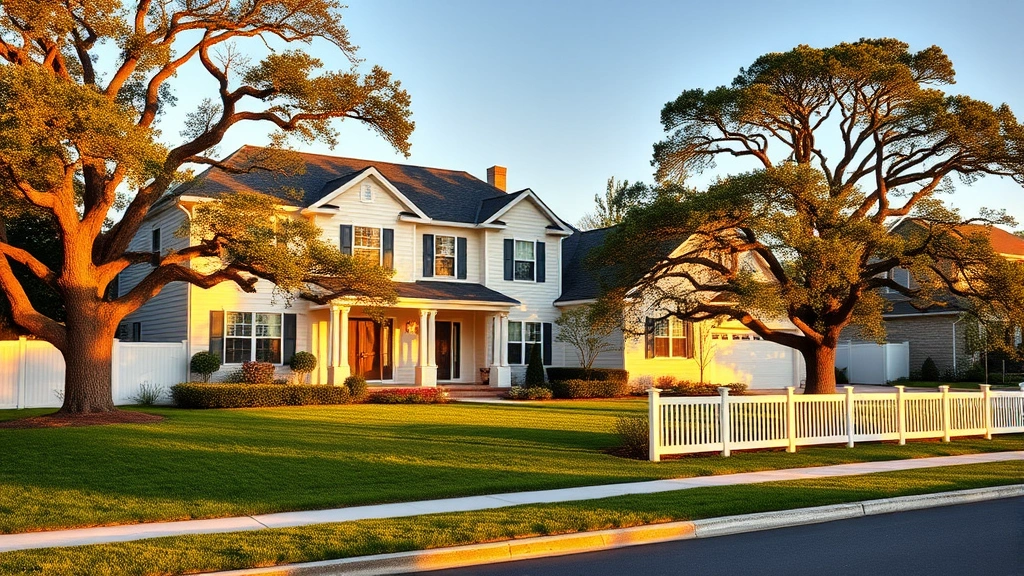
The Grand Island real estate market has demonstrated remarkable resilience and growth over the past several years, with home values appreciating steadily while remaining substantially below national averages. This combination makes the market particularly attractive for buyers looking to maximize their purchasing power without sacrificing quality neighborhoods or modern amenities. The city’s diverse housing stock ranges from charming historic homes in established neighborhoods to contemporary new construction developments, ensuring options for virtually every budget and preference.
Current Market Overview
The Grand Island real estate market is experiencing a transformative period characterized by steady appreciation, increased housing demand, and expanding development opportunities. According to recent data from the Zillow real estate database, median home prices in Grand Island have shown consistent growth, with the average home selling for significantly less than comparable properties in larger Nebraska markets or regional hubs. This affordability advantage, combined with genuine economic growth drivers, positions Grand Island as an increasingly attractive destination for homebuyers nationwide.
Market inventory levels have stabilized after the competitive conditions of recent years, providing buyers with more negotiating power and selection than they enjoyed during the pandemic-driven surge. Days on market for typical homes range from 30-45 days, indicating a balanced market where neither buyers nor sellers hold overwhelming advantage. This equilibrium creates ideal conditions for strategic purchases and well-timed sales, making it an excellent moment to explore available properties.
Grand Island’s economy continues to strengthen, driven by major employers including the Nebraska National Guard, Hamilton County Schools, and a robust agricultural sector. The city has also attracted significant manufacturing and logistics operations, creating diverse employment opportunities that support housing demand across multiple income levels. This economic diversification reduces market vulnerability to single-industry downturns, providing stability for long-term homeowners and investors alike.

Neighborhood Guide & Popular Areas
Understanding Grand Island’s distinct neighborhoods is crucial for finding the right home for your lifestyle and investment goals. Each area offers unique characteristics, price points, and community amenities that appeal to different buyer demographics.
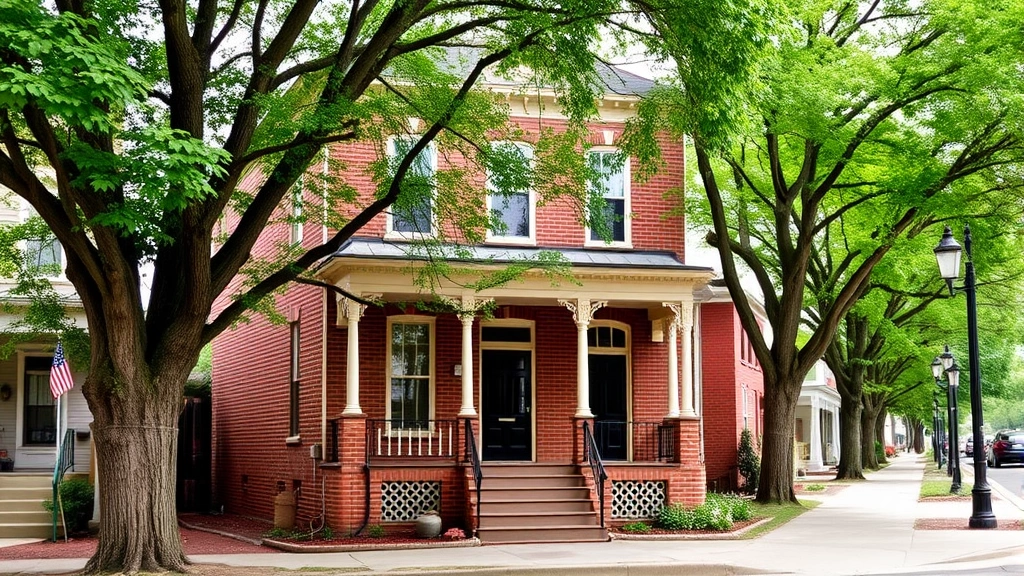
Downtown & Historic Core: The historic heart of Grand Island features beautifully restored homes reflecting Victorian and early 20th-century architecture. These properties appeal to buyers seeking character, walkability, and proximity to downtown restaurants, galleries, and cultural venues. While renovation projects are common, many homes have been meticulously restored by preservation-minded owners.
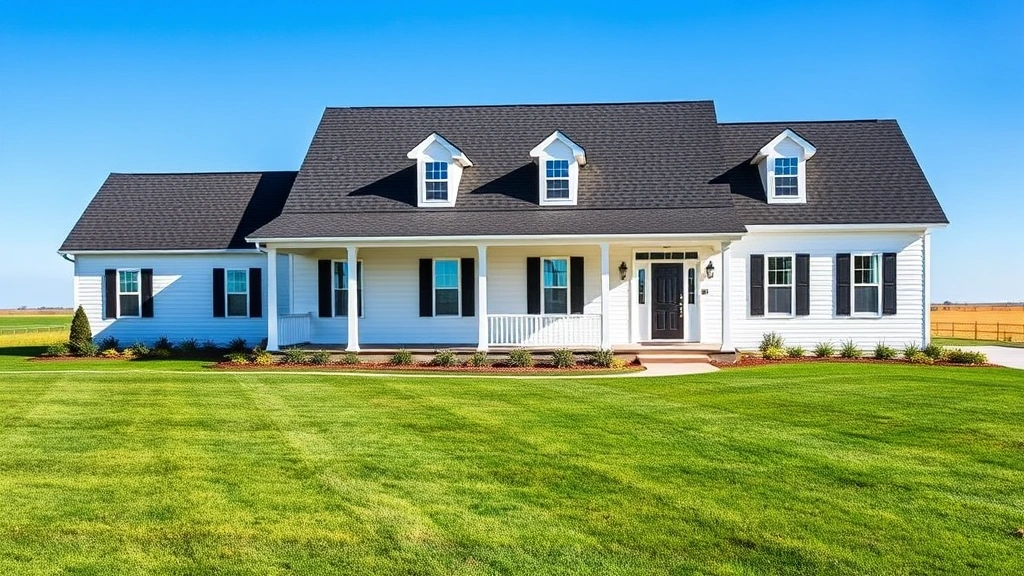
West Grand Island: This rapidly developing area attracts families seeking newer construction and modern amenities. The neighborhood features spacious lots, contemporary home designs, and proximity to excellent schools. West Grand Island offers excellent value for buyers willing to consider properties slightly outside the immediate downtown core.
North Grand Island: North-side neighborhoods combine established residential character with convenient access to shopping, dining, and recreational facilities. This area appeals to families and professionals seeking balance between community and convenience, with homes ranging from classic ranch-style properties to updated modern designs.
East Grand Island: East-side neighborhoods have experienced significant growth in recent years, with new subdivisions offering modern homes and family-friendly amenities. This area is particularly popular with younger families and professionals relocating to Grand Island for employment opportunities.
Exploring these neighborhoods in person is essential before committing to a purchase. Each area has distinct character, amenities, and appreciation potential that should align with your personal preferences and investment timeline.
When evaluating neighborhoods, consider factors including school district ratings, proximity to employment centers, access to parks and recreation, property tax rates, and planned development projects. These elements significantly impact both your lifestyle satisfaction and long-term property appreciation potential.
Home Prices & Affordability Analysis
One of Grand Island’s most compelling advantages is its exceptional affordability relative to housing quality and market fundamentals. Current median home prices range from $185,000 to $235,000 depending on location, age, and condition—substantially below national medians while offering comparable or superior properties to those found in larger metropolitan areas.
This affordability advantage translates directly to improved financial outcomes for homebuyers. A buyer with $50,000 down payment can acquire a quality home worth $200,000-$250,000 in Grand Island, whereas the same down payment in many coastal or major metropolitan markets barely covers the down payment on comparable properties. This purchasing power allows Grand Island buyers to build equity faster and achieve homeownership goals that might require decades longer in expensive markets.
Rental properties in Grand Island also demonstrate strong fundamentals, with typical single-family homes generating gross rental yields of 6-8% annually. This performance significantly exceeds returns available in many overheated markets, making Grand Island attractive for real estate investment opportunities. For investors seeking cash flow and appreciation potential without the price tags associated with coastal markets, Grand Island represents exceptional value.
Understanding the full cost of homeownership is essential before committing to purchase. Beyond the mortgage payment, homeowners must budget for property taxes, insurance, maintenance, and utilities. Grand Island’s property tax rates are moderate compared to national averages, and homeowner insurance costs remain reasonable. When calculating total housing costs, prospective buyers should consult resources explaining how to calculate closing costs to avoid surprises during the transaction process.
Market Trends & Buyer Insights
Several compelling trends are shaping the Grand Island real estate market and influencing buyer behavior. Understanding these dynamics helps you position yourself strategically in the current environment.
Remote Work Migration: The shift toward remote and hybrid work arrangements has accelerated interest in affordable Midwestern communities like Grand Island. Professionals no longer requiring daily commutes to expensive coastal cities increasingly choose markets offering superior quality of life and housing affordability. This trend has brought demographic diversity and income stability to Grand Island’s housing market.
New Construction Growth: Builders have responded to demand by increasing new construction throughout Grand Island, particularly in western and northern subdivisions. New homes offer modern amenities, energy efficiency, and warranty protection that appeal to buyers seeking contemporary lifestyles. However, prices for new construction have risen as material costs and labor expenses have increased, narrowing the gap between new and existing home prices.
Historic Home Revival: Simultaneously, a growing movement of buyers appreciate the character, craftsmanship, and sustainability of historic homes. Downtown Grand Island has seen increasing investment in restoration projects, creating unique properties that command premiums from discerning buyers. This trend supports property values in historic neighborhoods while preserving the city’s architectural heritage.
Multigenerational Housing: More families are seeking properties that accommodate multiple generations, driving interest in larger homes with separate living spaces or accessory dwelling unit potential. Grand Island’s abundant land availability and affordable prices make multigenerational properties particularly accessible compared to coastal or urban alternatives.
Consulting with local National Association of Realtors members can provide current market data and insights specific to your buying or selling situation. These professionals understand local market dynamics and can guide you toward optimal timing and pricing strategies.
Investment Opportunities in Grand Island
Beyond primary residence purchases, Grand Island presents compelling opportunities for real estate investors seeking cash flow, appreciation, and portfolio diversification. The combination of affordable entry prices, strong rental demand, and economic growth creates favorable conditions for various investment strategies.
Rental Properties: Single-family and multi-unit rental properties in Grand Island generate strong cash flow with reasonable risk profiles. The city’s stable employment base and population growth support consistent tenant demand, while property prices remain low enough to achieve positive cash flow from day one. Investors can acquire 3-4 unit properties for prices that would barely cover down payments on comparable properties in major markets.
Fix-and-Flip Projects: The abundance of older homes requiring updates creates opportunities for renovation-focused investors. Grand Island’s lower acquisition costs mean renovation investments represent smaller percentages of total project value, improving return on invested capital. The steady market provides reliable exit opportunities through sales to owner-occupants or rental investors.
New Development: Investors with capital and development expertise can participate in Grand Island’s expansion through land acquisition and subdivision development. The city’s reasonable land costs and favorable regulatory environment support development projects that would struggle financially in more expensive markets.
Evaluating whether renting versus buying makes sense for your situation is particularly important before committing significant capital. For investment properties, the analysis typically favors purchases when cash flow exceeds costs and appreciation potential aligns with your timeline.
The Home Buying Process in Grand Island
Successfully navigating the Grand Island real estate market requires understanding the steps involved in purchasing property and working effectively with local professionals.
Pre-Approval & Financing: Begin by obtaining mortgage pre-approval from a reputable lender. This critical step demonstrates purchase capacity to sellers, strengthens negotiating position, and clarifies your realistic budget. Grand Island’s affordable prices mean reasonable mortgage payments even for modest down payments, making homeownership achievable for many buyers.
Property Search & Viewing: Work with a local real estate agent to identify properties matching your criteria. Grand Island’s diverse neighborhoods and housing stock require systematic evaluation to find optimal matches. Schedule viewings during different times of day to assess lighting, noise levels, and neighborhood activity patterns.
Offer & Negotiation: Once you identify a desired property, your agent will help craft a competitive offer reflecting current market conditions. Grand Island’s balanced market typically allows negotiation on price, closing costs, and contingencies. Understand local market norms and comparable sales before submitting offers.
Inspection & Due Diligence: Professional home inspections are essential for identifying structural issues, system deficiencies, and deferred maintenance. Grand Island’s many older homes particularly benefit from thorough inspections by qualified professionals. Address inspection findings through renegotiation or proceed with full knowledge of any issues.
Appraisal & Final Approval: Your lender will order an appraisal to confirm the property’s value supports the loan amount. Grand Island’s stable market typically produces straightforward appraisals, though older properties may require appraisers experienced with historic home values.
Closing: Work with a title company to finalize paperwork and coordinate closing. Understanding closing costs and final financial obligations ensures no surprises at the closing table. Most Grand Island closings proceed smoothly with reasonable timelines and straightforward processes.
FAQ
What is the average home price in Grand Island, Nebraska?
Current median home prices in Grand Island range from $185,000 to $235,000, though prices vary significantly based on location, age, condition, and specific features. Historic downtown properties and newer construction may command premiums, while older homes in established neighborhoods often offer better value.
Is Grand Island a good market for first-time homebuyers?
Yes, Grand Island is excellent for first-time buyers due to affordable prices, stable market conditions, and diverse housing options. The lower entry costs mean smaller down payments achieve meaningful equity positions, and reasonable monthly payments fit modest budgets. First-time buyers should still obtain pre-approval and work with experienced agents to navigate the process successfully.
What neighborhoods are best for families?
West Grand Island and North-side neighborhoods offer excellent family amenities including good schools, parks, and family-friendly commercial areas. East Grand Island’s newer subdivisions also appeal to families seeking modern homes and community facilities. Downtown neighborhoods attract families prioritizing walkability and cultural amenities.
Are there investment opportunities in Grand Island?
Absolutely. Grand Island offers compelling rental property opportunities, fix-and-flip potential, and development possibilities. The combination of affordable prices and strong demand fundamentals supports positive cash flow and appreciation. Investors should conduct thorough financial analysis and understand local market dynamics before committing capital.
How do property taxes compare to other Nebraska communities?
Grand Island’s property tax rates are moderate compared to national averages and reasonable relative to other Nebraska communities. However, tax rates can vary by specific location and school district. Prospective buyers should research exact rates for their target neighborhoods as part of total cost analysis.
What employment opportunities exist in Grand Island?
Major employers include the Nebraska National Guard, school systems, healthcare facilities, and growing manufacturing and logistics operations. The diverse employment base reduces economic vulnerability and supports housing market stability. This employment diversity makes Grand Island attractive for relocating professionals from various industries.
How long do homes typically stay on the market?
Average days on market range from 30-45 days, indicating a balanced market where properties sell neither extremely quickly nor slowly. This timeline allows adequate time for showings, inspections, and negotiation while maintaining reasonable purchase probability.
Should I buy or rent in Grand Island?
The decision depends on your financial situation, timeline, and personal preferences. Evaluating the pros and cons of renting versus buying in your specific situation helps clarify the optimal choice. Generally, buyers planning to stay 5+ years and having stable employment benefit from purchasing, while those with uncertain timelines or mobility needs may prefer renting.