Uncover Harrisburg PA Homes: Realtor Insights for Buyers and Sellers
Harrisburg, Pennsylvania’s capital city, offers a diverse real estate market with historic charm, modern amenities, and affordable housing options compared to surrounding metropolitan areas. Whether you’re a first-time homebuyer exploring houses for sale in Harrisburg PA or a seasoned investor looking to expand your portfolio, understanding the local market dynamics is essential for making informed decisions. This comprehensive guide provides realtor insights, market trends, and actionable strategies to help you navigate Harrisburg’s competitive housing landscape.
The Harrisburg real estate market has experienced notable shifts in recent years, reflecting broader economic trends and demographic changes across central Pennsylvania. With neighborhoods ranging from the riverfront revival districts to established suburban communities, prospective buyers and sellers have numerous options to consider. Our insights draw from current market data, local expertise, and proven strategies that can help you achieve your real estate goals in this vibrant capital region.
Current Harrisburg Real Estate Market Overview
The Harrisburg housing market presents a balanced opportunity for both buyers and sellers in 2024. According to recent National Association of Realtors data, central Pennsylvania markets have shown resilience with median home prices ranging from $180,000 to $280,000 depending on location and property condition. This affordability factor continues to attract buyers relocating from higher-cost regions.
Current market conditions in Harrisburg feature:
- Average days on market: 25-35 days for well-priced properties
- Inventory levels: Moderate supply with selective buyer demand
- Interest rate environment: Competitive mortgage rates affecting purchasing power
- Market appreciation: Steady 2-4% annual growth in established neighborhoods
- Buyer demographics: Mix of first-time homebuyers, families, and investors
Understanding these fundamentals helps both buyers and sellers position themselves strategically. Buyers benefit from less competitive bidding wars compared to major metropolitan areas, while sellers can leverage the capital city’s steady demand and government sector employment stability. When evaluating houses for sale in Harrisburg PA, consider how these market conditions align with your timeline and financial goals.
The mortgage landscape has stabilized considerably, with lenders offering competitive rates to qualified borrowers. Working with experienced local realtors who understand Harrisburg’s micromarkets can help you identify properties with strong appreciation potential and desirable amenities.
Top Neighborhoods for Home Buyers in Harrisburg
Harrisburg’s neighborhoods each offer distinct characteristics, price points, and lifestyle benefits. Understanding these communities helps buyers make decisions aligned with their priorities and budgets.
Midtown Harrisburg has experienced significant revitalization, attracting young professionals and families seeking walkable urban living. Historic rowhouses and newly renovated apartments in this district range from $150,000 to $350,000, offering character and contemporary convenience. The neighborhood features local restaurants, galleries, and proximity to Riverfront Park.
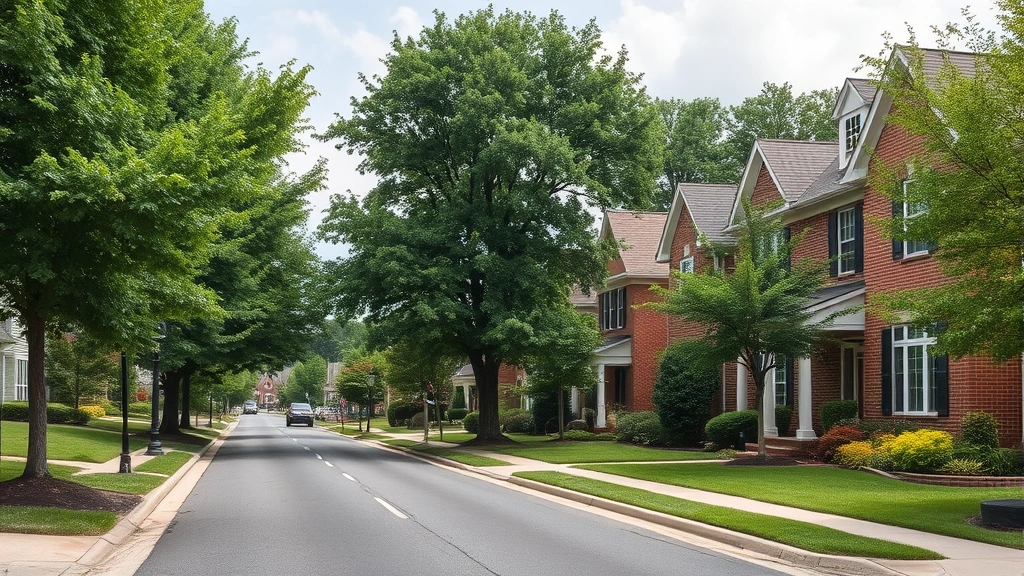
Uptown/East Shore provides a quieter residential feel while maintaining accessibility to downtown. Tree-lined streets, established schools, and family-friendly amenities characterize this area. Home prices typically range from $200,000 to $400,000, with excellent value for larger properties and land.
Allison Hill represents an emerging opportunity for value-conscious buyers and investors. Historic Victorian homes and well-maintained properties offer significant appreciation potential at entry-level prices. The neighborhood’s revitalization efforts and community investment make it attractive for those seeking growth markets.
Colonial Heights offers suburban comfort with established infrastructure, quality schools, and family-oriented amenities. Homes in this neighborhood generally range from $220,000 to $450,000, appealing to families prioritizing school districts and neighborhood stability.
Susquehanna Township provides excellent suburban options with larger lots and newer construction. This area attracts families seeking space and modern homes, with prices ranging from $250,000 to $500,000 depending on specific developments and proximity to major routes.
Each neighborhood’s character, appreciation potential, and amenities should align with your lifestyle preferences and investment timeline. Local realtors can provide detailed insights into specific blocks, upcoming developments, and community initiatives affecting property values.
Guide to Buying Homes in Harrisburg
Successfully purchasing a home in Harrisburg requires strategic planning, financial preparation, and market awareness. This section outlines essential steps for buyers navigating the local market.
Financial Preparation and Pre-Approval
Before viewing properties, obtain mortgage pre-approval from established lenders. This critical step demonstrates serious intent to sellers and clarifies your purchasing power. Compare rates from multiple sources, including Zillow Mortgage Marketplace and local credit unions. Pre-approval typically takes 3-5 business days and requires documentation of income, employment, and credit history.
Consider working with a mortgage professional who understands Harrisburg-area lending patterns and can identify programs suitable for your financial situation. First-time homebuyer programs and down payment assistance initiatives may be available through Pennsylvania Housing Finance Agency.
Partner with a Local Real Estate Expert
Selecting the right realtor significantly impacts your home buying success. Use real estate agent interview questions to hire the best professional for your needs. Look for agents with deep Harrisburg market knowledge, proven negotiation skills, and genuine understanding of your priorities.
A skilled realtor provides invaluable insights into neighborhood trends, property values, and hidden opportunities. They navigate complex negotiations, coordinate inspections, and guide you through closing procedures. Their market expertise helps you avoid overpaying and identify properties with strong appreciation potential.
Conduct Thorough Property Evaluation
Understanding the distinction between different property assessment types protects your investment. Review home appraisal vs inspection differences to comprehend what each evaluation reveals. Appraisals determine property value for lending purposes, while inspections identify structural and mechanical issues requiring attention.
Budget approximately $400-$600 for professional home inspections, which reveal potential problems before purchase commitment. In Harrisburg’s older neighborhoods, inspections prove especially valuable for identifying deferred maintenance, updated systems, and renovation needs.
Understand Closing Costs and Budget Accordingly
Closing costs represent 2-5% of purchase price and include various fees and expenses. Learn how to calculate closing costs step-by-step to avoid financial surprises at closing. Typical expenses include loan origination fees, title insurance, attorney fees, property taxes, and transfer taxes.
Harrisburg properties may involve additional considerations such as municipal liens or property tax assessments. Request a detailed closing disclosure at least three business days before settlement to review all charges and ensure accuracy.
Use a Complete Buying Checklist
Organize your home buying process with a comprehensive framework. Follow buying a house checklist for smooth purchases covering all critical steps from initial search through final closing. This systematic approach ensures you address inspections, appraisals, insurance, and documentation requirements without overlooking important details.
Selling Strategy and Home Valuation in Harrisburg
Sellers in Harrisburg benefit from understanding local market dynamics and employing strategic positioning to maximize property value and sale speed. The current market favors well-prepared, properly priced homes with compelling presentations.
Accurate Property Valuation
Pricing your Harrisburg home correctly determines marketing success and ultimate sale price. Professional appraisals consider comparable sales, property condition, location, and market trends. Overpricing reduces showings and extends selling time, while underpricing sacrifices equity unnecessarily.
Comparative market analysis (CMA) examines recent sales of similar properties in your neighborhood. This analysis identifies appropriate price ranges and justifies your listing price to potential buyers. Experienced Harrisburg realtors have access to detailed market data, sales trends, and neighborhood-specific insights that inform accurate valuations.
Curb Appeal and Strategic Presentation
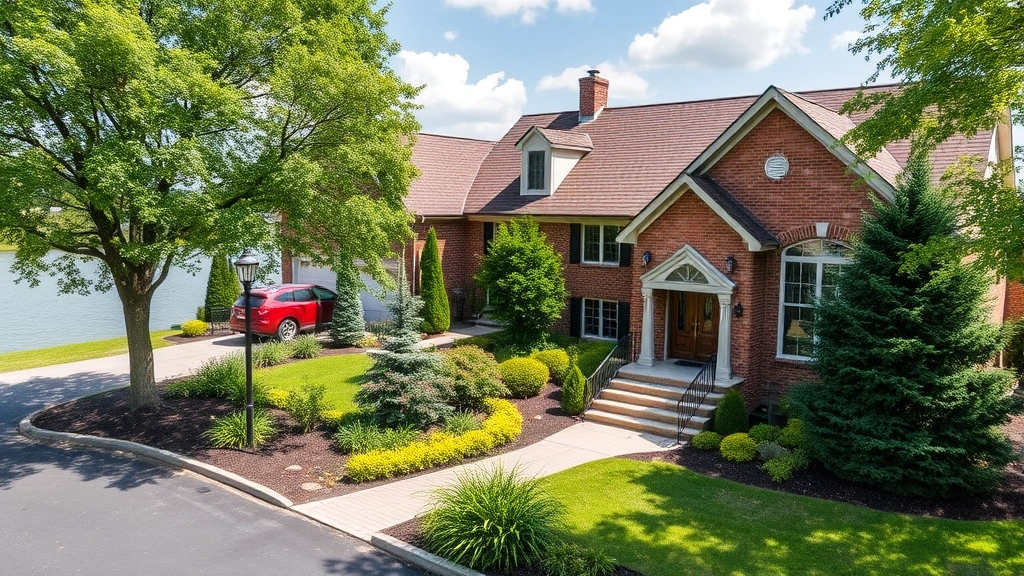
First impressions significantly influence buyer interest and perceived value. Invest in landscaping improvements, exterior painting, and entrance enhancements that create positive initial impact. Well-maintained exteriors suggest quality interior care and justify higher asking prices.
Professional photography and virtual tours have become essential marketing tools. High-quality images highlighting your home’s best features reach broader audiences and generate more qualified showings. Consider staging services that arrange furnishings and décor to help buyers visualize living spaces.
Market Your Property Effectively
Successful Harrisburg home sales combine traditional marketing with digital strategies. Multiple listing service (MLS) placement ensures broad exposure to local realtors and buyer databases. Social media marketing, email campaigns, and targeted advertising reach specific buyer demographics interested in your property type and location.
Open houses and private showings allow qualified buyers to experience your home directly. Experienced agents coordinate these activities, manage buyer inquiries, and facilitate negotiations leading to successful contracts.
Negotiation and Contract Management
Offers on Harrisburg properties typically include inspection contingencies, appraisal contingencies, and financing contingencies. Understanding these protections and negotiating favorable terms protects your interests. Your realtor guides these discussions, advocates for your position, and works toward mutually acceptable agreements.
Common negotiation points include repair requests following inspections, closing timeline, earnest money deposits, and included items or fixtures. Strategic negotiation balances maximizing sale price with maintaining deal viability and closing timeline certainty.
Investment Opportunities in Harrisburg Real Estate
Harrisburg’s real estate market attracts investors seeking steady appreciation, rental income, and portfolio diversification. The capital city’s stable employment base, government sector jobs, and affordable entry prices create compelling investment scenarios.
Rental Market Dynamics
Harrisburg’s rental market shows consistent demand from young professionals, state employees, and families seeking flexible housing. Average rents for one-bedroom apartments range from $750-$950 monthly, while single-family rentals command $1,200-$1,800 depending on location and condition. These rental rates support positive cash flow for investor-owned properties.
The student population from nearby colleges provides additional rental demand during academic seasons. Properties near Harrisburg Area Community College and within reasonable distance of Penn State’s Harrisburg campus attract student renters and families.
Appreciation and Value Creation
Several Harrisburg neighborhoods demonstrate strong appreciation potential as revitalization efforts continue. Allison Hill, Midtown, and emerging areas near the riverfront show 4-6% annual appreciation as community investment increases and property conditions improve. Patient investors purchasing undervalued properties in these neighborhoods can benefit from significant equity growth over 5-10 year periods.
Value-add opportunities exist in neighborhoods where strategic renovations and property management improvements increase rental income and property values simultaneously. Investors identifying properties with deferred maintenance, poor management, or outdated systems can implement improvements generating both immediate rental increases and long-term appreciation.
Portfolio Diversification Benefits
Real estate investment complements financial portfolios by providing tangible asset backing, inflation protection, and leverage opportunities. Harrisburg’s affordable entry prices allow investors to acquire multiple properties with moderate capital, building diversified portfolios across different neighborhoods and property types.
Consider pros and cons of renting vs buying when evaluating investment property strategies. Understanding these dynamics helps investors position rental properties strategically within comprehensive investment plans.
1031 Exchange Opportunities
Tax-deferred exchanges allow investors to sell appreciated properties and reinvest proceeds in replacement properties without immediate capital gains taxation. Harrisburg’s diverse property inventory and price points accommodate various 1031 exchange strategies, from consolidating multiple smaller properties into single larger assets to expanding portfolios into new markets.
Frequently Asked Questions About Harrisburg PA Homes
What is the average home price in Harrisburg PA?
Median home prices in Harrisburg range from $180,000 to $280,000 depending on neighborhood, property condition, and specific features. Midtown and historic neighborhoods may command higher prices, while emerging areas offer more affordable entry points. Current market conditions continue supporting stable prices with modest appreciation.
What neighborhoods are best for first-time homebuyers?
Allison Hill, portions of Uptown, and newer Colonial Heights developments offer excellent value for first-time buyers. These areas provide affordable entry prices, potential appreciation, and diverse housing stock. Working with a knowledgeable realtor helps identify specific properties and neighborhoods matching your budget and lifestyle preferences.
How long does the home buying process typically take in Harrisburg?
From initial offer acceptance to closing typically requires 30-45 days in Harrisburg. This timeline accommodates appraisals, inspections, financing approval, and title work. Complex transactions, inspection negotiations, or appraisal issues may extend timelines. Your realtor and lender coordinate activities to maintain closing schedules.
Are there first-time homebuyer programs available in Harrisburg?
Pennsylvania Housing Finance Agency and local organizations offer down payment assistance, favorable financing terms, and educational resources for first-time buyers. Eligibility criteria typically include income limits, credit score requirements, and occupancy intentions. Mortgage professionals can identify programs matching your specific circumstances.
What should I expect during home inspection in Harrisburg?
Professional inspectors evaluate structural integrity, mechanical systems, electrical components, plumbing, roofing, and overall property condition. Inspections typically last 2-3 hours and generate detailed reports identifying issues, needed repairs, and maintenance recommendations. Use inspection findings to negotiate repairs or price adjustments before closing.
How much do closing costs typically amount to in Harrisburg?
Closing costs generally range from 2-5% of purchase price and include loan fees, title insurance, attorney services, property taxes, and transfer fees. A detailed closing disclosure provided three business days before settlement outlines all charges. Pennsylvania’s specific tax rates and local requirements affect final closing cost amounts.
Is Harrisburg a good investment market for rental properties?
Yes, Harrisburg’s stable employment base, affordable entry prices, and consistent rental demand make it attractive for real estate investors. Positive cash flow potential exists across multiple neighborhoods, with additional appreciation opportunities in emerging revitalization areas. Conduct thorough market analysis and property evaluation before committing investment capital.
What are property tax rates in Harrisburg?
Harrisburg property tax rates vary by specific municipality but typically range from 1.2% to 1.8% of assessed property value annually. Research the exact rates for properties you’re considering, as these ongoing costs significantly impact ownership expenses and investment returns. Your realtor and tax professional can provide specific information for target neighborhoods.
How competitive is the current Harrisburg housing market?
The Harrisburg market remains moderately competitive with balanced inventory levels. Properties priced correctly and presented effectively typically receive multiple showings and offers. Less competition exists compared to major metropolitan areas, allowing buyers more negotiation flexibility and sellers adequate exposure to qualified purchasers.
Should I work with a local realtor when buying in Harrisburg?
Absolutely. Local realtors possess essential market knowledge, neighborhood insights, and established relationships with other agents and service providers. They navigate market nuances, coordinate complex transactions, and advocate for your interests throughout the buying or selling process. Interview potential agents carefully to find professionals matching your needs and communication preferences.
What factors should influence my home purchase decision?
Consider neighborhood character, school district quality, property condition, proximity to employment, accessibility to amenities, and long-term appreciation potential. Evaluate advantages of owning a home relative to your lifestyle goals and financial situation. Balance emotional appeal with practical considerations like maintenance requirements and ownership costs.
How can I prepare my Harrisburg home for sale?
Address deferred maintenance, enhance curb appeal through landscaping and exterior improvements, declutter interior spaces, and consider professional staging. Deep cleaning, minor repairs, and strategic décor updates create positive buyer impressions. Professional photography and virtual tours expand market reach and generate qualified showings.