Best Places to Buy Houses in Portugal: Expert Guide
Portugal has emerged as one of Europe’s most attractive real estate markets for international buyers, offering a compelling combination of affordability, lifestyle quality, and investment potential. With its stunning coastlines, rich cultural heritage, and increasingly modern infrastructure, Portugal presents diverse opportunities for homebuyers ranging from budget-conscious investors to luxury property seekers. Whether you’re drawn to the vibrant streets of Lisbon, the picturesque beaches of the Algarve, or the wine country charm of the Douro Valley, understanding the Portuguese property market is essential before making your investment.
The Portuguese real estate landscape has transformed significantly over the past decade, with property values appreciating steadily while remaining considerably more affordable than comparable properties in Western Europe. International interest has surged, particularly from remote workers and retirees seeking a Mediterranean lifestyle without the premium prices of Spain or Italy. This comprehensive guide explores the best regions to purchase houses for sale in Portugal, examining market dynamics, neighborhood characteristics, and investment considerations to help you make an informed decision.
Lisbon: Portugal’s Dynamic Capital
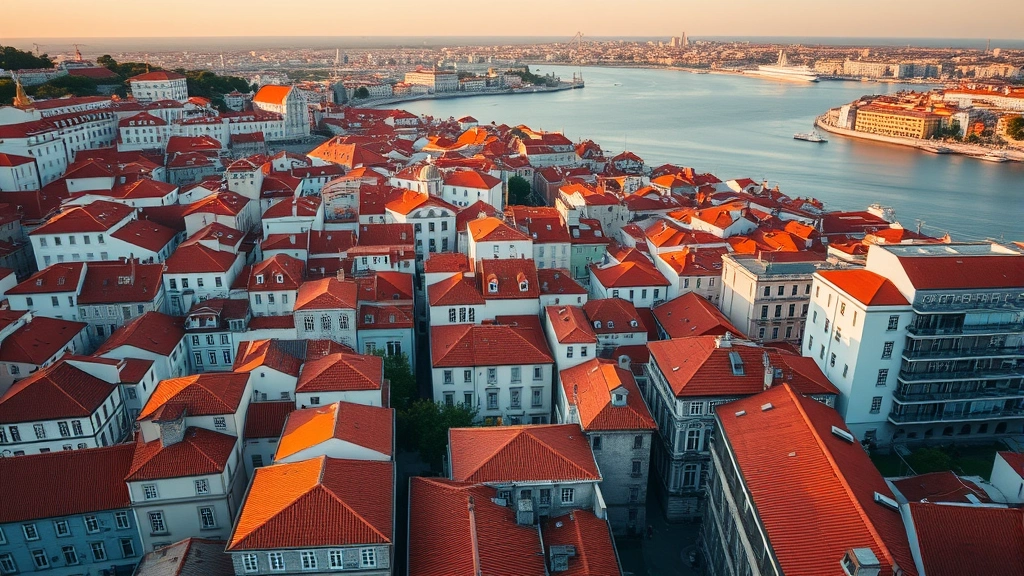
Lisbon stands as Portugal’s largest and most cosmopolitan city, attracting young professionals, entrepreneurs, and international investors seeking urban energy combined with European charm. The capital’s real estate market is characterized by strong demand, particularly in neighborhoods like Príncipe Real, Santos, and Campo de Ourique, where historic buildings are being tastefully renovated into modern residences. Property prices in central Lisbon have appreciated considerably, with apartments and townhouses commanding premium valuations compared to other Portuguese cities.
The city’s appeal extends beyond aesthetics—Lisbon offers exceptional infrastructure, world-class dining and cultural institutions, excellent healthcare facilities, and a thriving job market for remote workers and entrepreneurs. The historic neighborhoods feature charming cobblestone streets, traditional azulejo tiles, and authentic Portuguese character, while newer developments in areas like Parque das Nações provide contemporary amenities and architectural innovation. When evaluating houses for sale in Portugal’s capital, consider proximity to public transportation, neighborhood safety ratings, and access to essential services.
Investment potential in Lisbon remains strong, with rental yields particularly attractive in neighborhoods targeting international tourists and business travelers. The city’s designation as a digital nomad hub has increased demand for short-term rental properties, creating opportunities for investors seeking passive income. However, property acquisition costs are notably higher than provincial alternatives, making this option less suitable for buyers prioritizing affordability.
Porto: Northern Charm and Investment Potential
Portugal’s second-largest city, Porto, offers compelling advantages for property buyers seeking value without sacrificing urban sophistication. Located along the Douro River’s mouth, Porto captivates with its dramatic hillside architecture, historic port wine cellars, and increasingly vibrant cultural scene. The real estate market presents better value than Lisbon, with property prices approximately 20-30% lower while offering comparable lifestyle amenities and investment prospects.
Neighborhoods like Miragaia, Cedofeita, and Massarelos showcase Porto’s architectural heritage with restored period properties, while contemporary developments in areas such as Foz do Douro provide modern living spaces with riverside views. The city attracts digital nomads, remote workers, and retirees appreciating the slower pace compared to Lisbon while maintaining urban conveniences. Porto’s tourism industry supports strong rental market demand, particularly for properties in historic quarters where international visitors seek authentic Portuguese experiences.
The city benefits from significant infrastructure investment, including improved airport connections, metro expansion, and urban renewal projects that enhance property values. Buyers considering Porto should explore neighborhoods beyond the tourist-heavy Ribeira district, where authentic communities and genuine value opportunities exist. The combination of cultural richness, affordability, and investment potential makes Porto an increasingly popular destination for international property acquisitions.
Algarve: Coastal Living and Tourist Appeal
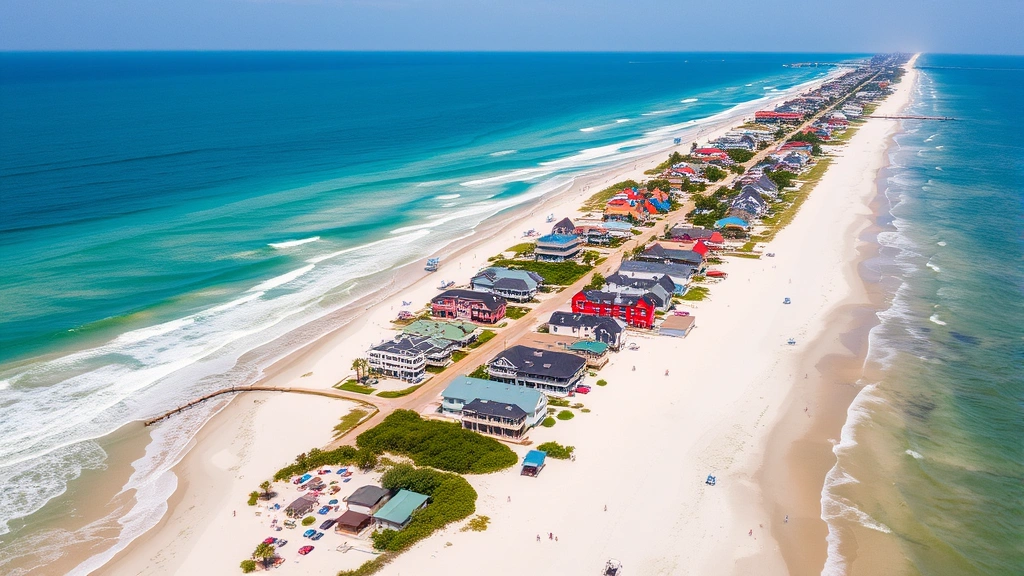
The Algarve region, stretching along Portugal’s southern coast, represents the nation’s primary beach destination and a major hub for international property investment. Characterized by dramatic golden cliffs, pristine beaches, and year-round Mediterranean sunshine, the Algarve attracts buyers seeking coastal properties with strong rental income potential. Towns like Albufeira, Lagos, and Vilamoura offer diverse property options ranging from modest apartments to luxury villas with ocean views.
The region’s real estate market caters extensively to international buyers, with English-speaking agents, familiar financing structures, and established expatriate communities. Property prices vary significantly based on proximity to beaches and tourist infrastructure, with beachfront properties commanding substantial premiums. The Algarve’s tourism-dependent economy creates reliable rental demand, making investment properties particularly attractive for those seeking steady income streams.
However, prospective buyers should recognize that Algarve properties typically carry higher initial costs and may experience seasonal rental fluctuations. The region’s development intensity in certain areas raises concerns about overcrowding and environmental sustainability. For those prioritizing lifestyle over investment returns, the Algarve’s exceptional climate and recreational amenities justify property acquisition, while investors should carefully analyze specific locations and property types before committing capital.

Cascais and Estoril: Upscale Coastal Communities
Located approximately 30 kilometers west of Lisbon, Cascais and Estoril represent Portugal’s most upscale coastal communities, offering sophisticated living environments with strong international appeal. These charming towns feature elegant villas, manicured gardens, pristine beaches, and world-class amenities including golf courses, yacht clubs, and fine dining establishments. The region attracts affluent international buyers, diplomatic personnel, and Portuguese professionals seeking refined coastal lifestyles within proximity to Lisbon’s economic opportunities.
Property prices in Cascais and Estoril significantly exceed provincial averages, reflecting the communities’ exclusivity and desirable demographics. However, the investment case remains compelling for luxury property seekers, as these locations maintain consistent appreciation and attract high-net-worth renters seeking premium accommodations. The communities benefit from excellent infrastructure, including modern shopping centers, international schools, and healthcare facilities catering to expatriate populations.
Buyers interested in Cascais and Estoril should focus on established neighborhoods with proven track records of value appreciation and rental success. Properties with ocean views, proximity to beaches, and access to golf courses command premium valuations. While less affordable than provincial alternatives, these communities offer unparalleled lifestyle quality for those prioritizing comfort and social environment over cost considerations.
Douro Valley: Wine Country Elegance
The Douro Valley, recognized as a UNESCO World Heritage Site, offers a distinctly different Portuguese property experience centered on wine production, agricultural heritage, and rural elegance. This mountainous region, approximately 100 kilometers east of Porto, attracts buyers seeking peaceful retreats, wine investment opportunities, and properties with genuine character and historical significance. Properties in the Douro Valley range from modest traditional homes to impressive quintas (wine estates) with production facilities and vineyard acreage.
The region’s appeal lies in its authentic Portuguese character, stunning landscape scenery, and emerging reputation as a wine tourism destination. Property prices remain considerably more affordable than coastal alternatives, making the Douro Valley attractive for buyers prioritizing land area and privacy. The region supports a growing tourism industry, with visitors seeking wine experiences, rural accommodations, and authentic Portuguese hospitality, creating rental income opportunities for property owners.
Investment in Douro Valley properties requires different considerations than urban or coastal alternatives. Prospective buyers should evaluate property condition, access to services, proximity to Porto, and potential for wine tourism or agricultural income. The region suits buyers seeking lifestyle transformation and willing to embrace rural living, though those prioritizing convenience may find the distance from urban centers challenging.
Sintra: Historic Mountain Retreats
Sintra, located approximately 30 kilometers northwest of Lisbon, represents Portugal’s most romantically situated mountain town, famous for its fairy-tale palaces, lush vegetation, and mystical atmosphere. This UNESCO World Heritage Site attracts buyers seeking historic properties, cultural immersion, and proximity to Lisbon without urban density. The town’s real estate market features charming quintas, converted monasteries, traditional townhouses, and modern villas nestled among forested hillsides.
The region’s unique character and tourist appeal create opportunities for boutique hotels, guesthouses, and vacation rental properties. Properties with historical significance, extensive grounds, or panoramic views command premium pricing while offering distinctive lifestyle experiences. Sintra suits buyers prioritizing aesthetic appeal, cultural richness, and peaceful environments over investment returns, though the proximity to Lisbon and tourism potential provide some financial justification for property acquisition.
Prospective buyers should carefully evaluate property conditions, as older structures may require substantial renovation investments. The town’s mountainous terrain, while visually stunning, can complicate construction and maintenance. Those seeking authentic Portuguese charm with manageable proximity to Lisbon find Sintra compelling, particularly for second homes or retirement properties.
Investment Considerations and Market Trends
Portugal’s real estate market has experienced consistent appreciation over the past decade, with particular strength in major cities and coastal regions. Several factors support continued market strength, including the country’s EU membership, stable political environment, improving economic fundamentals, and increasing international interest from remote workers and retirees. Understanding current market trends and economic indicators helps inform property investment decisions.
When evaluating houses for sale in Portugal, investors should consider multiple factors including location appreciation potential, rental market demand, property condition, and personal lifestyle requirements. Following a comprehensive buying a house checklist ensures thorough evaluation before committing capital. Property selection should align with investment objectives, whether prioritizing appreciation, rental income, or personal use.
Currency considerations significantly impact international property purchases, as exchange rate fluctuations affect acquisition costs and potential returns. Buyers should evaluate their investment horizon and currency exposure tolerance before committing to Portuguese property. Additionally, understanding the advantages of owning a home in Portugal, including favorable tax treatment for foreign retirees and rental income structures, can substantially enhance investment returns.
Market saturation in certain Algarve locations and increasing prices in Lisbon suggest that provincial markets and emerging neighborhoods offer superior value propositions. Savvy investors often identify neighborhoods experiencing gentrification and infrastructure improvements before prices fully appreciate, capturing greater returns than established luxury markets.
Financing and Legal Considerations
International buyers acquiring Portuguese properties navigate specific legal and financial requirements distinct from domestic transactions. Understanding Portuguese property law, tax implications, and financing options is essential for successful acquisitions. Non-resident buyers require a Portuguese tax identification number (NIF) and should engage qualified legal counsel specializing in international real estate transactions.
Financing options for international property buyers in Portugal have improved considerably, with several Portuguese banks and international lenders offering mortgages to foreign purchasers. Typical mortgage terms range from 20-30 years with interest rates competitive by European standards. Buyers should obtain mortgage pre-approval before property selection, ensuring financing availability and understanding total acquisition costs including closing costs and related expenses.
Property transaction costs in Portugal typically range from 8-10% of purchase price, including transfer tax (0.8%), registration fees, and legal expenses. Unlike many countries, Portugal does not impose property transfer taxes on primary residences acquired by non-EU citizens under specific conditions, potentially reducing acquisition costs substantially. Consulting with qualified tax advisors ensures optimization of purchase structures and understanding of ongoing tax obligations.
Property inspections and valuations are essential for international buyers unfamiliar with Portuguese building standards and property conditions. Understanding the differences between home appraisals and inspections helps ensure thorough property evaluation before purchase commitment. Many older Portuguese properties require renovation investment, making detailed condition assessments particularly important.
Portugal’s Golden Visa program offers residency pathways for property investors committing minimum capital amounts, attracting significant international investment. Properties acquired for Golden Visa purposes must meet specific investment thresholds, creating opportunities for investors seeking residency alongside real estate ownership. Consulting immigration specialists ensures compliance with current program requirements and optimal structuring of investment acquisitions.

FAQ
What is the average price of houses for sale in Portugal?
Average property prices vary significantly by location. Lisbon and Porto city centers average €5,000-7,000 per square meter, while provincial towns range from €2,000-4,000 per square meter. Coastal properties command premiums, with beachfront Algarve properties reaching €8,000-12,000 per square meter. Rural properties and wine estates offer exceptional value at €1,500-3,000 per square meter. Currency fluctuations and specific neighborhood characteristics substantially affect pricing within regions.
Can foreign nationals purchase property in Portugal?
Yes, Portugal welcomes foreign property investment with minimal restrictions. Non-EU citizens require Portuguese tax identification numbers and should engage legal counsel for transaction completion. EU citizens enjoy additional facilitations under freedom of movement provisions. No restrictions limit foreign ownership percentages or property types, though certain agricultural properties may have specific regulations. Consulting qualified Portuguese real estate attorneys ensures compliance with all legal requirements.
What are the best neighborhoods for property investment in Portugal?
Príncipe Real and Santos in Lisbon offer strong appreciation and rental demand. Porto’s Miragaia and Cedofeita neighborhoods provide value with improvement potential. Cascais and Estoril attract luxury buyers with consistent appreciation. The Algarve suits tourism-focused rental investments, while Sintra and Douro Valley appeal to lifestyle buyers. Property selection should align with investment objectives, personal preferences, and risk tolerance rather than following generic recommendations.
How long does the property purchase process take in Portugal?
Portuguese property transactions typically require 60-90 days from offer acceptance to final closing, though timeline variations occur based on financing requirements, legal complexities, and administrative processing speed. Securing mortgage pre-approval and engaging legal counsel early accelerates the process. Some transactions complete within 30-45 days with straightforward circumstances, while complex international purchases may extend beyond 90 days. Experienced real estate professionals can facilitate timeline management and coordination with relevant authorities.
What are the ongoing costs of property ownership in Portugal?
Annual property ownership costs include municipal property taxes (IMI) averaging 0.3-0.8% of property value, depending on municipality and property classification. Property owners pay annual waste management and water utility fees varying by location. Homeowners associations (condomínios) in apartment buildings charge monthly maintenance fees covering common area upkeep. Rental property owners pay income tax on rental revenue at progressive rates. Budgeting 1-2% annually for maintenance and unexpected repairs ensures adequate reserves for property upkeep.
Is property investment in Portugal subject to capital gains taxes?
Portugal taxes capital gains from property sales at 28% for non-resident investors, though specific exemptions apply to primary residence sales by residents. The tax applies to gains exceeding €600,000 or when the property was owned less than one year before sale. Proper structuring with qualified tax advisors can optimize tax treatment. EU citizens and Portuguese residents may qualify for different tax treatment, making professional consultation essential for investment planning.