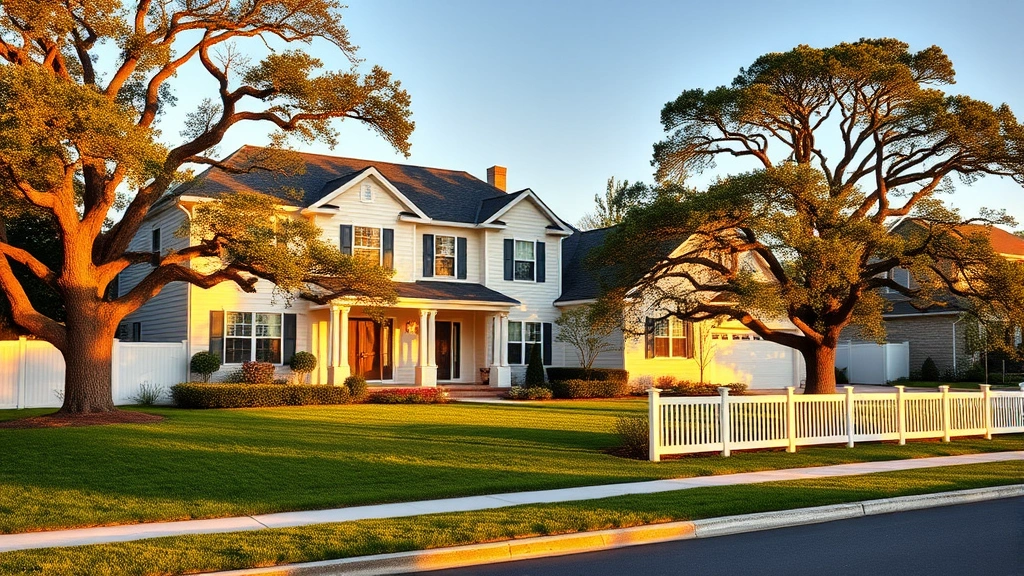
Terre Haute Homes: Market Trends & Expert Insights
The Terre Haute real estate market has emerged as one of Indiana’s most dynamic housing landscapes, attracting both first-time homebuyers and seasoned investors seeking value and opportunity. Located in Vigo County along the Wabash River, Terre Haute offers a compelling blend of affordable houses for sale below 200k, diverse architectural styles, and strong community fundamentals. Whether you’re exploring ranch style houses for sale or contemporary properties, understanding current market conditions is essential for making informed decisions.
Terre Haute’s housing market reflects broader regional trends while maintaining unique characteristics shaped by Indiana State University’s presence, local employment opportunities, and the area’s rich historical heritage. Recent market data indicates steady appreciation, competitive pricing compared to national averages, and increasing buyer interest in the community. This comprehensive guide explores current market trends, neighborhood insights, and expert strategies for navigating the Terre Haute homes market effectively.
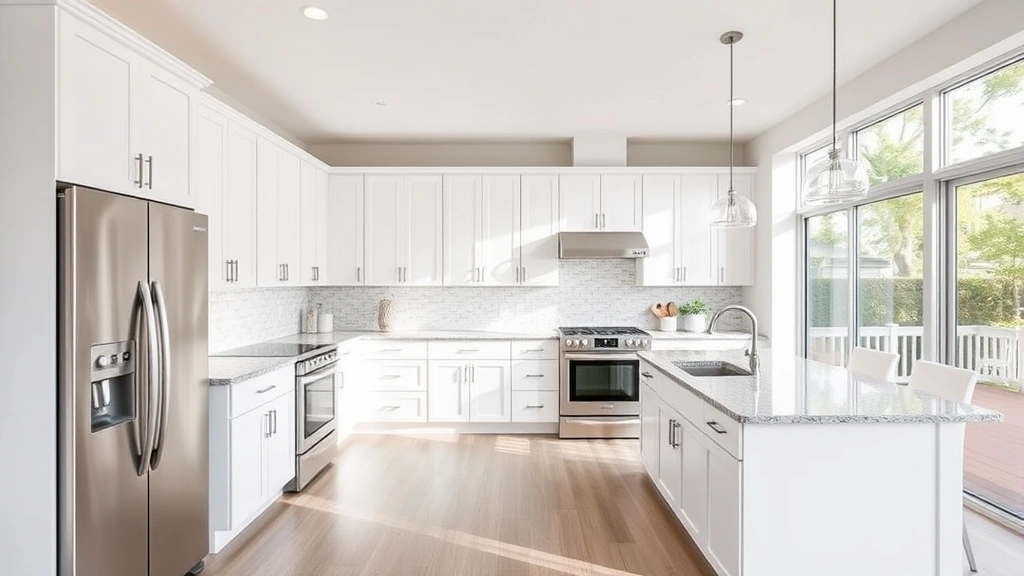
Terre Haute Housing Market Overview
The Terre Haute residential real estate market has demonstrated resilience and consistent growth over the past three years, positioning itself as an attractive option for homebuyers seeking value without sacrificing quality of life. According to recent National Association of Realtors market data, Vigo County maintains inventory levels that favor both buyers and sellers, creating a balanced market environment. This equilibrium has contributed to stable price appreciation and reasonable negotiation opportunities for prospective homeowners.
The median home price in Terre Haute currently ranges from $120,000 to $180,000, depending on property condition, location, and amenities. This affordability advantage compared to state and national medians makes the market particularly attractive for families, young professionals, and retirees. The market has seen increased activity from out-of-state buyers relocating for remote work opportunities, capitalizing on the cost-of-living advantages Terre Haute offers.
Inventory turnover rates suggest homes spend an average of 45-60 days on the market, indicating healthy demand without excessive competition. Properties in desirable neighborhoods with updated systems and modern finishes sell more quickly, often within 30-45 days. This data underscores the importance of proper staging, professional marketing, and accurate pricing for sellers, while suggesting buyers should act decisively when finding properties that meet their criteria.
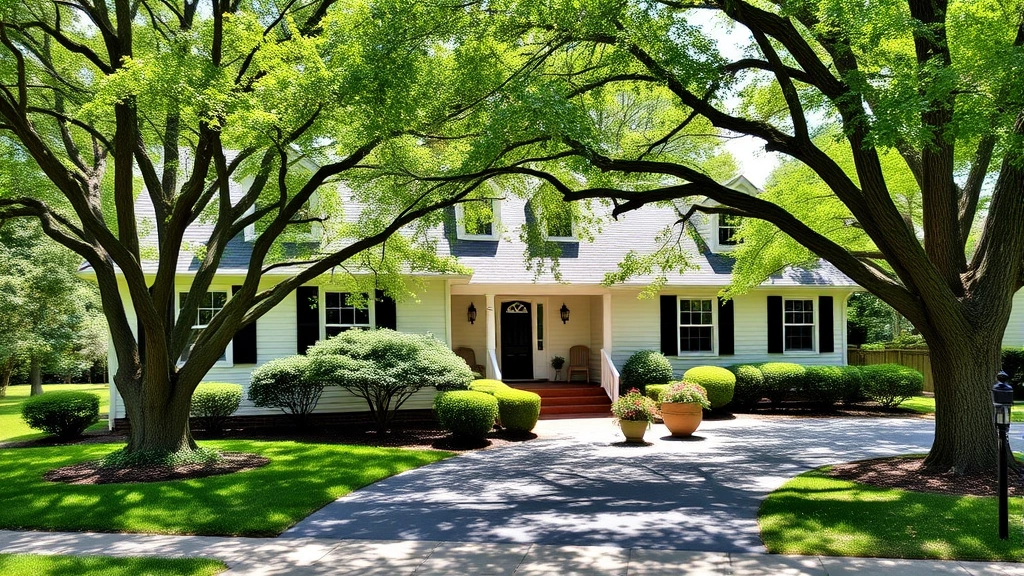
Current Pricing Trends & Affordability
Terre Haute’s pricing structure reflects strong affordability fundamentals that distinguish the market from many Midwest and national markets. Year-over-year home price appreciation has averaged 3-5%, outpacing inflation while remaining sustainable and manageable for local wage earners. This moderate appreciation creates favorable conditions for both buyers building equity and sellers realizing solid returns on their investments.
The market segments into distinct price tiers serving different buyer populations. Entry-level properties, particularly ranch style houses for sale, typically range from $85,000 to $140,000 and appeal to first-time homebuyers and investors. Mid-range homes between $140,000 and $220,000 represent the largest market segment, featuring updated kitchens, multiple bathrooms, and established neighborhoods. Premium properties exceeding $220,000 generally offer larger lots, newer construction, or significant upgrades.
Interest rate fluctuations have impacted buyer purchasing power significantly. Recent rate environments have emphasized the importance of pre-approval and understanding mortgage qualification criteria. Buyers should explore options with major mortgage lenders and local credit unions to secure competitive rates. For many buyers, Terre Haute’s lower baseline prices mean that even modest rate increases have less dramatic effects on monthly payments compared to higher-priced markets.
Properties listed below market value sell considerably faster, often attracting multiple offers within days. Conversely, overpriced properties languish, requiring price reductions that ultimately net sellers less than initial pricing would have achieved. Expert pricing strategy, informed by comparable market analysis and current market conditions, remains crucial for successful transactions in Terre Haute.
Popular Neighborhoods & Characteristics
Terre Haute encompasses diverse neighborhoods, each offering distinct characteristics, price points, and lifestyle amenities. Understanding these communities helps buyers identify areas aligning with their priorities and budget constraints.
West Terre Haute & Lakewood Park: These established neighborhoods feature mature trees, well-maintained properties, and strong sense of community. Homes here typically range from $120,000 to $200,000, with ranch style houses and traditional two-story residences predominating. Proximity to parks and schools makes these areas popular with families.
South Terre Haute: Characterized by newer construction and modern houses for sale, South Terre Haute appeals to buyers seeking updated systems and contemporary design. Properties here command premium pricing, typically $180,000 to $280,000, reflecting newer construction and energy-efficient features.
Downtown & Historic Districts: Revitalization efforts have increased interest in historic downtown properties and nearby residential areas. Victorian homes and early 20th-century residences offer character and charm, often available at lower price points. Buyers interested in restoration projects find excellent opportunities here, though renovation costs should factor into investment calculations.
Near-Campus Areas: Neighborhoods adjacent to Indiana State University attract student housing investment and offer rental income potential. Properties in these zones typically range from $80,000 to $150,000 and appeal to landlords building rental portfolios.
North Terre Haute: Newer developments in northern areas offer suburban appeal with modern amenities, excellent schools, and family-friendly environments. Prices here range from $160,000 to $250,000, reflecting newer construction and desirable locations.
Buyer Demographics & Preferences
Understanding who’s buying in Terre Haute reveals important market dynamics and emerging trends. Recent buyer profiles show distinct preferences shaping market demand.
First-Time Homebuyers: This demographic represents approximately 35-40% of Terre Haute transactions. These buyers prioritize affordability, modern updates, and proximity to employment centers. Houses for sale below 200k attract significant first-time buyer interest, particularly properties requiring minimal repairs and featuring functional layouts.
Relocating Professionals: Remote work has attracted professionals from higher-cost areas seeking to maximize purchasing power. These buyers often prioritize home office space, reliable internet infrastructure, and access to quality-of-life amenities. They typically have higher budgets and less price sensitivity.
Investment-Focused Buyers: Real estate investors recognize Terre Haute’s potential for both appreciation and rental income. These sophisticated buyers analyze cap rates, cash flow potential, and neighborhood appreciation trends. They’re drawn to properties requiring renovation and neighborhoods showing signs of revitalization.
Retirees & Downsizers: Older adults seeking to reduce maintenance burdens and housing costs increasingly choose Terre Haute. Low property taxes, affordable healthcare, and proximity to cultural amenities appeal to this demographic. Single-story homes and condominiums attract particular interest.
Buyer preferences increasingly emphasize energy-efficient features, updated kitchens and bathrooms, functional floor plans, and outdoor living spaces. Open-concept layouts appeal to younger buyers, while traditional floor plans attract older demographics. Home office spaces have become essential amenities, particularly for remote workers.
Investment Opportunities in Terre Haute
Terre Haute presents compelling opportunities for real estate investors seeking income generation and appreciation potential. The market’s affordability and steady appreciation create favorable conditions for various investment strategies.
Rental Income Properties: Single-family homes and small multi-unit properties generate solid rental income in Terre Haute. Average single-family rents range from $900 to $1,400 monthly, depending on size, condition, and location. Cap rates typically range from 6-8%, significantly higher than many national markets. Becoming a landlord in Terre Haute requires understanding local tenant laws, property management requirements, and maintenance obligations.
House Flipping Strategies: Properties requiring renovation present opportunities for value-add investing. Terre Haute’s lower baseline prices mean renovation budgets stretch further, increasing profit potential. House flipping business plans should account for Terre Haute’s construction costs, permit requirements, and market absorption rates for renovated properties.
Appreciation-Based Investing: Neighborhoods showing revitalization signs and infrastructure improvements offer long-term appreciation potential. Downtown renovation projects and university expansion initiatives may drive future property values in adjacent areas. Patient investors can benefit from these trends over 5-10 year holding periods.
Multi-Unit Properties: Small apartment buildings and duplexes offer diversified income streams and economies of scale. These properties typically range from $150,000 to $300,000 and generate multiple rental income sources, reducing vacancy risk.
Successful Terre Haute investors conduct thorough market analysis, understand neighborhood dynamics, and maintain realistic return expectations. The market’s stability provides lower volatility but also more modest appreciation rates compared to speculative markets.
Strategies for Selling Homes Successfully
Selling in Terre Haute requires understanding buyer preferences, market conditions, and effective marketing approaches. Strategic sellers employ multiple tactics to maximize exposure and negotiate favorable terms.
Pricing Strategy: Competitive market analysis and accurate pricing prove essential. Overpriced properties sit longer, requiring eventual price reductions that ultimately net less than optimal initial pricing. Professional appraisals and comparable market analysis inform appropriate pricing that attracts buyer interest while maximizing proceeds. House appraisal tips to maximize your home’s value include strategic improvements, professional staging, and clear documentation of recent upgrades.
Property Presentation: First impressions dramatically impact buyer interest. Fresh exterior paint, manicured landscaping, and clean entryways create positive initial impressions. Interior staging emphasizing space, light, and functionality helps buyers envision themselves in the home. Professional photography and virtual tours expand marketing reach beyond local buyers.
Marketing Channels: Multi-channel marketing strategies maximize exposure. Major real estate portals like Zillow reach millions of potential buyers. Social media marketing, targeted advertising, and local real estate agent networks ensure comprehensive market exposure. Open houses and broker showings facilitate in-person property viewing.
Timing Considerations: Spring and early summer traditionally see higher buyer activity, though year-round marketing proves important. Properties listed when demand peaks typically sell faster and command stronger prices. However, reduced competition during slower seasons can provide advantages for well-marketed properties.
Negotiation Flexibility: Successful sellers understand buyer financing needs, inspection contingencies, and closing timeline expectations. Flexibility on these items, when financially feasible, can accelerate sales and reduce contingency risk. Clear disclosure of known property issues builds buyer confidence and reduces post-closing disputes.
Economic Factors Influencing the Market
Multiple economic factors shape Terre Haute’s real estate market dynamics and future trajectory. Understanding these influences helps buyers and sellers anticipate market movements.
Employment & Wage Growth: Indiana State University remains the largest employer, with healthcare, manufacturing, and service sectors providing diverse opportunities. Wage growth in these sectors directly impacts buyer purchasing power and housing demand. Economic diversification efforts may attract new employers, strengthening long-term market fundamentals.
Interest Rate Environment: Federal Reserve policy significantly impacts mortgage rates and buyer affordability. Rising rates reduce purchasing power, while declining rates stimulate demand. Current economic policy suggests rates may stabilize in the 6-7% range, maintaining affordability advantages compared to higher-rate periods.
Population Trends: Terre Haute’s population has stabilized after previous decades of decline, with recent data showing modest growth. Immigration, remote work relocation, and young professional attraction contribute to this stabilization. Continued population growth supports sustained housing demand and appreciation.
Infrastructure Development: Transportation improvements, broadband expansion, and downtown revitalization projects enhance community appeal and property values. Investment in these areas signals confidence in long-term growth and attracts additional development and investment.
Tax Environment: Indiana’s property tax rates and assessment practices influence ownership costs and investment returns. Understanding tax implications helps buyers calculate true ownership costs and investors evaluate cash flow potential.
Construction Costs: Labor and material costs impact new construction pricing and renovation expenses. Rising construction costs may constrain new supply, potentially supporting appreciation for existing homes. However, excessive cost increases can price out buyers and slow market activity.
Monitoring these economic indicators helps market participants anticipate trends and position themselves advantageously. Economic reports from NAR and housing research organizations provide valuable insights for informed decision-making.
Frequently Asked Questions
What is the average home price in Terre Haute?
The median home price in Terre Haute currently ranges from $120,000 to $180,000, depending on property condition, location, and amenities. This varies by neighborhood, with newer construction commanding higher prices than historic properties.
How long do homes typically stay on the market in Terre Haute?
Homes spend an average of 45-60 days on the market, though well-priced, updated properties in desirable neighborhoods sell within 30-45 days. Overpriced or poorly marketed properties may take considerably longer.
Are there good investment opportunities in Terre Haute?
Yes, Terre Haute offers attractive rental income potential with cap rates of 6-8%, significantly higher than many national markets. House flipping and rental property investments both present viable strategies for building real estate portfolios.
Which neighborhoods are best for families?
West Terre Haute, Lakewood Park, and North Terre Haute offer excellent schools, parks, and family-friendly amenities. South Terre Haute appeals to families seeking newer construction with modern features.
What factors should I consider when buying a home in Terre Haute?
Consider neighborhood safety and schools, property condition and required repairs, proximity to employment and amenities, and long-term appreciation potential. Professional home inspections and market analysis inform sound purchasing decisions.
How do I maximize my home’s value before selling?
Essential house appraisal tips include strategic upgrades, professional staging, fresh exterior maintenance, and updated systems documentation. Focus on improvements offering strong return-on-investment rather than luxury upgrades.
What financing options are available for Terre Haute homebuyers?
Conventional mortgages, FHA loans, VA loans, and USDA rural development loans all serve Terre Haute buyers. Local credit unions and national lenders like Bank of America offer competitive rates and terms. Pre-approval helps buyers understand purchasing power and demonstrate seriousness to sellers.
Is Terre Haute experiencing population growth?
Yes, after previous decades of decline, Terre Haute’s population has stabilized and shown modest recent growth. Remote work relocation, Indiana State University’s role, and economic diversification efforts support continued growth prospects.
What are the best resources for Terre Haute real estate information?
Zillow and major real estate portals provide comprehensive listings and market data. Local real estate agents, NAR market research, and county assessor records offer valuable information for informed decisions.