Pool Houses for Sale: Expert Buying Guide
Buying a home with a pool house is an exciting investment that combines luxury living with practical functionality. Whether you’re seeking a vacation retreat, a guest accommodation, or simply want to enhance your property’s value and lifestyle appeal, understanding the pool house market is essential. Pool houses represent one of the most desirable residential features, offering homeowners the perfect blend of entertainment space, additional living quarters, and property enhancement.
The market for houses with pool houses continues to grow as more buyers recognize the value these structures bring to residential properties. From elegant poolside cabanas to fully equipped guest suites, pool houses can significantly increase your home’s appeal and resale potential. This comprehensive guide will walk you through everything you need to know when searching for and purchasing a home with a pool house, including what to evaluate, how to assess value, and what financial considerations matter most.
What Defines a Pool House and Its Types
A pool house is a standalone or attached structure designed to complement a residential swimming pool. These buildings serve multiple purposes, from providing changing facilities and storage to offering complete living accommodations. Understanding the different types of pool houses available on the market will help you identify properties that match your specific needs and lifestyle preferences.
The most basic pool house design includes changing rooms, bathrooms, and storage facilities for pool equipment and supplies. These functional structures are typically smaller, ranging from 200 to 400 square feet, and focus on convenience and practicality. Mid-range pool houses often include a kitchenette, small lounge area, and sometimes a bedroom or sleeping space, making them suitable for entertaining or overnight guests.
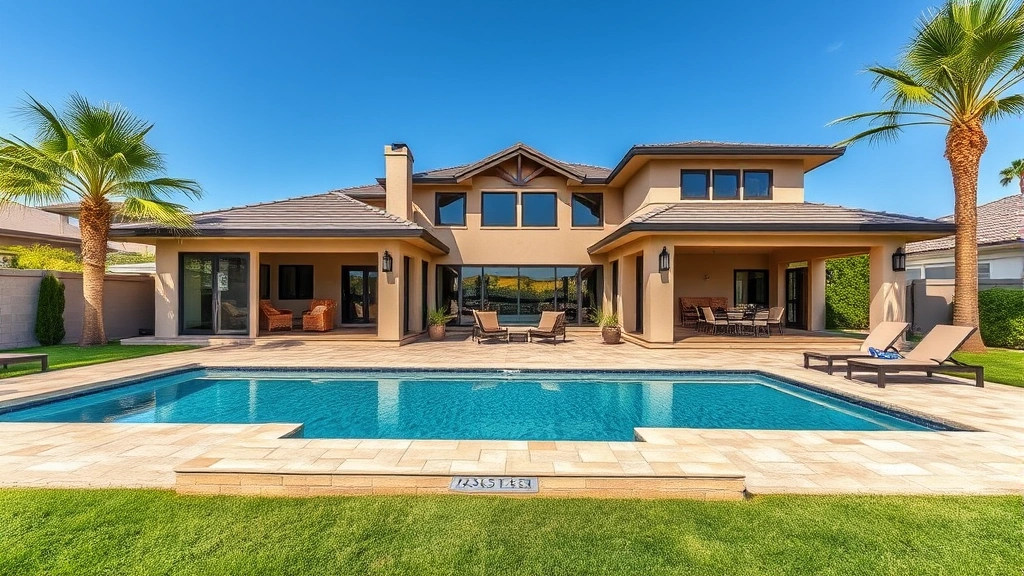
Premium pool houses represent the high end of the market, featuring full kitchens, multiple bedrooms and bathrooms, climate control, entertainment systems, and luxury finishes. These can range from 800 to 2,000+ square feet and essentially function as secondary residences. Some properties feature pool houses with sauna facilities, hot tubs, wet bars, or even cinema rooms, catering to affluent buyers seeking ultimate backyard luxury.
Benefits of Owning a Home with a Pool House
Investing in a property with a pool house offers numerous advantages that extend beyond simple recreation. Understanding the advantages of owning a home becomes even more compelling when that home includes premium amenities like a pool house. These structures dramatically enhance your property’s market position and personal enjoyment.
The most obvious benefit is increased entertainment capacity. A dedicated pool house allows you to host larger gatherings without crowding your main residence. Guests can change, freshen up, and socialize in the pool area without tracking water through your home. This separation of spaces creates a resort-like experience that significantly enhances your quality of life and your home’s appeal to potential buyers.
Pool houses also add substantial property value. Real estate markets consistently show that homes with quality pool houses command premium prices compared to similar properties without them. A well-maintained, professionally designed pool house can add 5-15% to your home’s overall value, making it an excellent long-term investment. This improvement in property value often exceeds the initial construction or purchase premium.
Guest accommodation represents another compelling advantage. Instead of paying for hotel stays when family visits, you can offer comfortable, private quarters in your own backyard. This feature is particularly valuable for families with frequent visitors or those who enjoy hosting extended family gatherings. Rental potential also exists in some markets, where pool houses can generate income through short-term rentals or extended guest stays.
Key Features to Evaluate in Pool House Properties
When shopping for homes with pool houses, specific structural and functional features should influence your purchasing decision. Thoroughly evaluating these elements ensures you’re investing in quality and functionality.
Construction Quality and Materials: Examine the pool house’s structural integrity, roofing condition, and exterior materials. Look for weather-resistant construction, proper drainage systems, and quality finishes that will withstand moisture and temperature fluctuations. Ask sellers for construction records and any warranties that may transfer to new owners.
Plumbing and HVAC Systems: Pool houses require robust plumbing for showers, bathrooms, and sometimes kitchenettes. Verify that water lines are properly sized and that drainage systems function correctly. Climate control systems should efficiently manage humidity and temperature, protecting the structure and ensuring comfort year-round.
Electrical Systems and Safety: Proper electrical installation is critical in pool areas due to moisture and water exposure. Ensure all electrical work meets current code requirements, with appropriate grounding and GFCI protection. Check for adequate outlets, lighting, and capacity for appliances like refrigerators or entertainment systems.
Flooring and Finishes: Pool house flooring must resist moisture and slipping hazards. Quality options include sealed concrete, porcelain tiles, or composite materials designed for wet environments. Interior finishes should be durable, easy to clean, and resistant to mold and mildew growth.
Pool Condition: The swimming pool itself is integral to the property’s value. Have the pool professionally inspected for structural cracks, equipment condition, and chemical balance systems. Older pools may require significant repairs or updates to meet current safety standards.
Location and Market Considerations
The location of your pool house property dramatically affects its value, appeal, and long-term investment potential. Geographic, climate, and neighborhood factors should heavily influence your purchasing decision.
Climate Suitability: Pool houses are most valuable in warm climates where pools and outdoor living spaces are used year-round. Southern states, coastal areas, and regions with extended warm seasons typically command higher prices for these properties. In colder climates, pool houses with extensive heating and climate control systems may be necessary, increasing operational costs.
Neighborhood Desirability: The surrounding neighborhood’s character and property values significantly impact your pool house investment. Research neighborhood trends, school ratings, crime statistics, and property appreciation rates. Properties in desirable neighborhoods with strong appreciation histories offer better long-term investment returns.
Lot Size and Privacy: Adequate lot size is essential for comfortable pool house living. Minimum recommended lot sizes for quality pool installations range from half an acre to several acres, depending on local regulations and desired amenities. Privacy considerations matter tremendously, especially if the pool house will accommodate guests or generate rental income.
HOA Restrictions and Regulations: Some homeowners associations impose limitations on pool houses, guest accommodations, or rental activities. Review HOA documents carefully before purchasing to ensure the property’s intended use aligns with community rules and restrictions.
Financial Aspects and Pricing Strategies
Understanding the financial dimensions of pool house properties helps you make informed investment decisions and negotiate effectively. Calculating closing costs properly becomes especially important when purchasing premium properties with additional structures and amenities.
Pool house properties typically command 10-20% premiums over comparable homes without them, though this varies significantly by market and pool house quality. A $500,000 home might sell for $550,000-$600,000 if it includes a high-quality pool house, reflecting the added value and functionality these structures provide.
Valuation Methods: Real estate appraisers use multiple approaches to value pool house properties. The comparative market analysis examines similar homes with pool houses in the same market. The cost approach estimates construction costs for replacing the pool house and pool. The income approach applies to properties generating rental revenue from the guest quarters.
Understanding how appraisers value your specific property is crucial. A professional appraisal might not capture all the value you perceive in a luxury pool house, so it’s worth requesting a detailed appraisal that specifically accounts for this feature. Essential house appraisal tips can help maximize your home’s value assessment.
Financing Considerations: Most lenders treat pool houses as part of the primary residence for financing purposes. However, if the pool house is substantial enough to function as a separate dwelling unit with kitchen and bathroom facilities, some lenders may have special requirements or restrictions. Discuss the pool house specifics with your lender early in the financing process.
Use a house sale calculator to estimate your total investment, including purchase price, property taxes, insurance, and anticipated maintenance costs. This comprehensive financial picture helps you understand true ownership costs.
Inspection and Appraisal Essentials
Professional inspections and appraisals are absolutely critical when purchasing a home with a pool house. These properties involve additional complexity that demands thorough evaluation.
Pool House Inspections: Hire an inspector experienced with pool houses and aquatic facilities. They should evaluate structural integrity, waterproofing, plumbing systems, electrical safety, HVAC functionality, and all finishes. Request detailed inspection reports with photographs documenting any issues or concerns.
The pool itself requires specialized inspection. A certified pool inspector can identify structural problems, equipment inefficiencies, and safety code violations. Older pools may have outdated filtration systems, improper chemical balance capabilities, or structural cracks requiring expensive repairs.
Understanding Appraisal Differences: Home appraisal vs inspection differences are important to understand when evaluating pool house properties. An appraisal focuses on market value determination, while an inspection identifies physical defects and safety issues. Both are essential for complete due diligence.
Request that the appraisal specifically addresses the pool house’s contribution to overall property value. Some appraisers may undervalue these features if they lack experience with luxury amenities. Providing comparable sales data for other pool house properties helps appraisers properly value this unique feature.
Structural and Environmental Assessments: Pool houses in older properties may require environmental testing for asbestos, lead paint, or mold. Ensure all assessments are completed before finalizing your offer.
Legal and Zoning Requirements
Legal considerations for pool house properties extend beyond standard residential real estate. Understanding zoning, permits, and regulatory requirements protects your investment and prevents future complications.
Zoning and Setback Requirements: Most jurisdictions have specific zoning regulations governing pool houses, including minimum distances from property lines (setbacks), height restrictions, and maximum percentage of lot coverage. Verify that the existing pool house complies with current zoning codes, as regulations may have changed since the structure was built.
Building Permits and Compliance: All pool houses should have been constructed with proper building permits and inspections. Request documentation proving the structure was built legally and complies with current building codes. Unpermitted additions or modifications could create liability issues and complications when selling.
Legal Advice and Contracts: Real estate legal advice is essential when dealing with complex properties like those with pool houses. An experienced real estate attorney can review contracts, identify potential legal issues, and ensure your interests are protected. This is particularly important if the pool house is used for rental purposes or guest accommodations.
Liability and Insurance: Pool houses and pools involve liability considerations. Verify that the property has appropriate liability insurance and that your homeowner’s policy will adequately cover these features. Additional riders or specialized policies may be necessary for rental-generating pool houses.
Maintenance and Operational Costs
Realistic assessment of ongoing maintenance and operational costs is crucial for budget planning. Pool house ownership involves expenses beyond typical residential property maintenance.
Pool Maintenance: Swimming pools require regular chemical balancing, equipment maintenance, and seasonal servicing. Annual pool maintenance costs typically range from $1,500 to $3,000, depending on pool size, climate, and equipment sophistication. Repairs to pumps, filters, or heaters can add thousands of dollars to annual expenses.
Pool House Utilities: If the pool house includes climate control, kitchenette appliances, or entertainment systems, utility costs increase accordingly. Heated pools consume significant energy, especially in cooler climates. Budget for electricity, water, and gas costs associated with pool house operations.
Structural Maintenance: Pool houses require regular maintenance to prevent water damage, mold growth, and structural deterioration. Roof inspections, caulking, drainage maintenance, and finish repairs should be scheduled regularly. Budget 1-2% of the pool house construction cost annually for maintenance and repairs.
Professional Services: Many pool house owners hire professional pool service companies for weekly or bi-weekly maintenance. These services typically cost $100-$200 monthly, adding $1,200-$2,400 annually to operational expenses.
Seasonal Considerations: In climates with winter seasons, pool winterization and spring opening services add additional costs. Heating systems may require professional servicing to ensure efficient operation during peak usage seasons.
Creating a detailed maintenance budget and reserve fund for unexpected repairs helps prevent financial surprises. Well-maintained pool houses with properly functioning systems command higher resale values and provide better long-term investment returns.
FAQ
What is the average cost of a pool house?
Pool house costs vary dramatically based on size, quality, and location. Basic pool houses with changing facilities might cost $15,000-$40,000, while mid-range structures with kitchenettes and sleeping areas range from $50,000-$150,000. Luxury pool houses with premium finishes and full amenities can exceed $250,000-$500,000 or more. When evaluating homes for sale, pool house value typically represents 5-15% of total property value.
Do pool houses increase home value?
Yes, quality pool houses significantly increase property value. Most homes with well-maintained pool houses sell for 10-20% more than comparable properties without them. The exact value increase depends on the pool house quality, local market conditions, and neighborhood desirability. In premium markets, pool houses can add even more substantial value premiums.
What permits are required for pool houses?
Most jurisdictions require building permits for pool house construction, with requirements varying by location and structure size. Permits ensure compliance with building codes, zoning regulations, electrical standards, and plumbing requirements. Always verify that existing pool houses have proper permit documentation to avoid complications during resale.
Can you rent out a pool house?
Many homeowners generate income by renting pool houses to short-term guests or extended visitors. However, rental legality depends on local zoning regulations, HOA restrictions, and local short-term rental ordinances. Before purchasing a property with rental income intentions, verify that the specific property and location allow this use.
How much does pool maintenance cost annually?
Annual pool maintenance costs typically range from $1,500-$3,000, depending on pool size, climate, and equipment condition. Professional weekly maintenance services add $1,200-$2,400 annually. Expect additional costs for equipment repairs, chemical balancing, and seasonal servicing. Budget conservatively to account for unexpected repairs.
What should I look for during a pool house inspection?
During inspection, evaluate structural integrity, waterproofing, plumbing and electrical systems, HVAC functionality, flooring condition, and all finishes. Inspect the pool itself for structural cracks, equipment condition, and proper chemical balance systems. Hire specialized inspectors experienced with pools and aquatic facilities for thorough evaluation.
Are pool houses subject to HOA restrictions?
Many homeowners associations impose restrictions on pool houses, guest accommodations, and rental activities. Review HOA documents carefully before purchasing to ensure the property’s intended use complies with community rules. Some associations prohibit guest rentals or require specific architectural standards for pool house designs.
What climate is best for pool house properties?
Warm climates with extended seasons are ideal for pool house properties, as year-round outdoor living maximizes value and usage. Southern states and coastal areas typically offer the best pool house markets. In colder climates, pool houses require more extensive heating and climate control systems, increasing operational costs.