Tiny House on Wheels: Pros and Cons, Expert Insights
The tiny house movement has transformed how millions think about homeownership, sustainability, and minimalist living. A tiny house on wheels represents the ultimate in mobility and downsizing, offering an alternative to traditional real estate that appeals to adventurers, retirees, and environmental advocates alike. Whether you’re exploring tiny houses on wheels for sale or simply curious about this lifestyle, understanding the full picture is essential before making such a significant investment.
These diminutive dwellings—typically ranging from 200 to 400 square feet—combine affordability with flexibility. Unlike conventional homes rooted to their foundations, tiny houses on wheels (THOWs) can relocate, adapt, and evolve with your life circumstances. However, this mobility comes with unique challenges, financing obstacles, and regulatory complexities that potential buyers must carefully evaluate.

What Is a Tiny House on Wheels?
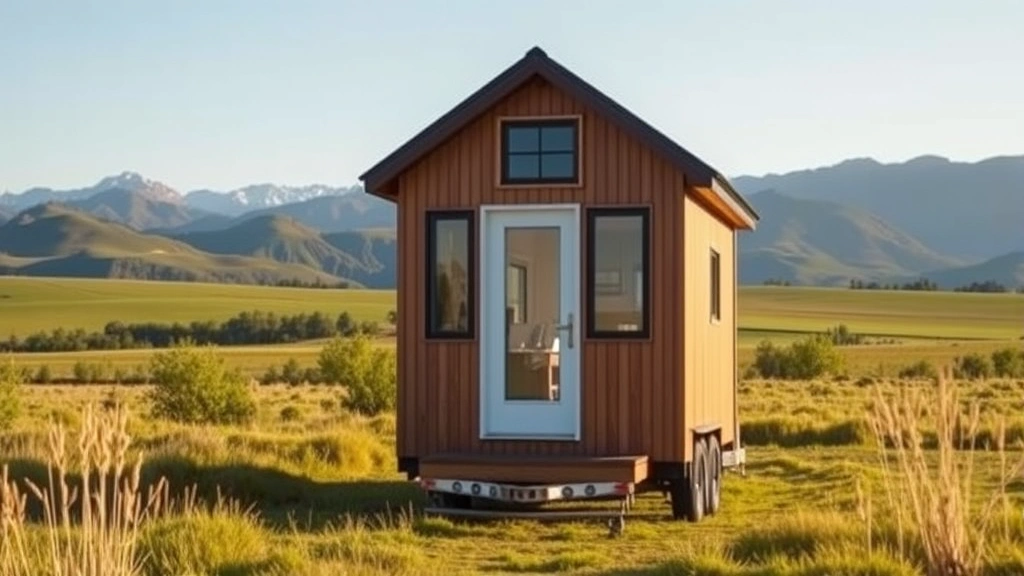
A tiny house on wheels is a fully functional residential dwelling built on a trailer foundation, designed to be mobile yet self-contained. These homes feature all essential amenities: kitchens, bathrooms, sleeping areas, and living spaces—all compressed into a footprint smaller than most apartment studios. The movement gained significant momentum in the early 2010s, following the 2008 housing crisis when traditional homeownership became financially inaccessible for many Americans.
Most tiny houses on wheels measure between 8 and 12 feet wide and 20 to 40 feet long, though custom builds vary considerably. They’re constructed with the same quality materials as conventional homes but engineered for weight distribution and road safety. The wheels and chassis remain functional, allowing owners to relocate relatively easily—though many tiny house owners eventually settle in one location permanently.
When exploring real estate market trends, tiny homes represent an emerging segment that reflects broader shifts in consumer preferences toward sustainability and minimalism. They appeal to diverse demographics: young professionals seeking affordable entry into housing, retirees downsizing from larger properties, and environmentally conscious individuals reducing their carbon footprint.

Financial Advantages of Tiny Homes
The most compelling argument for tiny houses on wheels for sale centers on affordability. A quality tiny home typically costs between $30,000 and $60,000, compared to the median U.S. home price exceeding $400,000. This dramatic price differential makes homeownership achievable for demographics traditionally priced out of the market.
Cost breakdowns favor tiny home owners:
- Purchase price: $30,000-$60,000 (versus $300,000+ for conventional homes)
- Utility bills: 50-75% lower than traditional houses
- Property taxes: Minimal or sometimes eliminated depending on classification
- Maintenance costs: Substantially reduced due to smaller square footage
- Insurance: Generally lower, though classification affects premiums
- Furniture and furnishings: Significantly less investment required
Beyond initial purchase, operational expenses drop dramatically. Heating and cooling a 300-square-foot space costs a fraction of maintaining a 2,000-square-foot house. Water consumption decreases, appliance efficiency matters more intensely, and repair costs remain proportionally lower. When considering your overall financial picture, especially if you’re weighing options in competitive markets like houses for sale in Winston-Salem, NC, tiny homes offer genuine economic liberation.
Additionally, the reduced financial burden enables homeowners to redirect savings toward investments, education, or experiences rather than mortgage payments. Many tiny house owners report achieving financial goals decades faster than traditional homeowners.
The Mobility and Lifestyle Benefits
Perhaps the most distinctive advantage of tiny houses on wheels is the freedom to relocate. Whether you want to spend winters in warmer climates, move closer to family, or simply explore new regions, your home travels with you. This flexibility appeals to digital nomads, remote workers, and adventure seekers who refuse to be geographically tethered to their residence.
The lifestyle benefits extend beyond mere movement. Many tiny house enthusiasts report increased life satisfaction through intentional minimalism. When you live in constrained square footage, you naturally curate possessions, eliminating excess and focusing on items that genuinely matter. This psychological shift often translates to reduced stress, clearer priorities, and more meaningful living spaces.
Community aspects also strengthen in many tiny house settings. Tiny home communities foster neighborly connections, shared resources, and collaborative problem-solving. These intentional communities often emphasize sustainability, cooperation, and social values that appeal to community-minded individuals. When you’re living in proximity to like-minded people, social bonds strengthen naturally.
For those interested in broader real estate perspectives, understanding selling your house fast strategies can inform decisions about transitioning from traditional to tiny home ownership.
Financing Challenges and Solutions
Despite financial advantages, securing financing for tiny houses on wheels presents significant obstacles. Traditional mortgage lenders hesitate to finance mobile homes, viewing them as depreciating assets rather than appreciating real estate. Banks typically require 30-50% down payments, higher interest rates, and shorter loan terms compared to conventional mortgages.
Financing options include:
- RV loans: Classify tiny homes as recreational vehicles, offering easier approval but shorter terms (10-15 years)
- Personal loans: Unsecured loans with higher interest rates but faster approval processes
- Construction loans: If building custom, some lenders offer construction-to-permanent financing
- Specialized lenders: Companies like specialized tiny home financing companies now cater specifically to this market
- Cash purchases: Many buyers save and purchase outright, eliminating interest entirely
- Credit unions: Often more flexible than traditional banks for non-standard properties
The financing landscape continues evolving as the market matures. Some credit unions and online lenders now recognize tiny homes’ viability, offering competitive terms. However, expect to pay higher interest rates than conventional mortgage rates—typically 2-5% above standard 30-year fixed mortgages.
If you’re considering real estate investments broadly, understanding current real estate market insights helps contextualize tiny homes within the broader investment landscape.
Zoning, Legal, and Regulatory Issues
Perhaps the most significant hidden challenge facing tiny house owners involves zoning regulations and legal status. Most U.S. municipalities classify tiny homes on wheels as RVs or recreational vehicles rather than permanent residences. This classification creates substantial complications:
Regulatory challenges include:
- Zoning restrictions prohibiting permanent RV residency in residential neighborhoods
- HOA restrictions that explicitly exclude mobile homes
- Building codes requiring minimum square footage for dwelling units
- Setback and lot size requirements incompatible with tiny home dimensions
- Utility connection restrictions in certain jurisdictions
- Parking and placement limitations in established neighborhoods
- Permit requirements varying dramatically by location
This regulatory patchwork means legality depends entirely on location. Some progressive communities embrace tiny homes, establishing dedicated communities and favorable ordinances. Others maintain restrictive codes that effectively prohibit permanent tiny home residency. Before purchasing, invest significant time researching your intended location’s specific regulations.
Tiny home communities offer one solution, providing pre-zoned land where residency is explicitly permitted. These communities often feature improved infrastructure, community amenities, and legal clarity—though plot costs reflect these advantages. Some charge monthly lot rent ($200-$500+), which should factor into your financial calculations.
Space Limitations and Practical Concerns
Living in 300-400 square feet requires genuine lifestyle adjustment. While advocates celebrate intentional minimalism, practical challenges emerge for families, people with mobility issues, or those requiring home office space. Storage limitations force difficult decisions about possessions. Entertaining guests becomes complicated. Working from home in a tiny space presents ergonomic challenges.
Practical space concerns:
- Limited storage requiring frequent decluttering and organizational discipline
- Bathroom and kitchen access conflicts during peak usage times
- Inadequate workspace for home-based professionals
- Difficulty accommodating extended family visits or guests
- Challenges for families with children requiring separate spaces
- Accessibility limitations for elderly residents or those with mobility restrictions
- Insufficient climate control in extreme weather conditions
- Noise transmission in thin walls with close neighbors
The compact environment demands thoughtful design. Loft sleeping areas, murphy beds, and multi-functional furniture become essential. Some find this constraint liberating; others experience genuine frustration. Honestly assessing your space requirements and lifestyle needs before committing is crucial.
Families with children should particularly evaluate whether tiny home living aligns with their needs. While some families thrive in compact spaces, others find the constraints unsuitable for their circumstances.
Resale Value and Market Trends
One critical consideration when purchasing tiny houses on wheels for sale involves resale prospects. Unlike traditional real estate that typically appreciates over time, tiny homes on wheels often depreciate. The market remains relatively illiquid, with fewer potential buyers compared to conventional properties.
Resale challenges stem from several factors:
- Limited buyer pool compared to traditional homes
- Financing difficulties deterring potential purchasers
- Zoning restrictions limiting where homes can legally reside
- Depreciation similar to RV markets rather than real estate appreciation
- Age-related deterioration affecting value as homes age
- Market saturation in some regions reducing demand
However, this reality shouldn’t completely discourage buyers. View tiny homes as lifestyle purchases rather than investment vehicles. If you’re seeking a primary residence that provides immediate lifestyle benefits and cost savings, depreciation matters less. Many owners recoup their investment through reduced living expenses within 5-10 years.
Market data from Zillow and the National Association of Realtors increasingly track tiny home sales, revealing growing market acceptance. Certain regions—particularly the Pacific Northwest, Colorado, and progressive urban areas—demonstrate stronger tiny home markets with better resale prospects.
Comparing to Traditional Real Estate
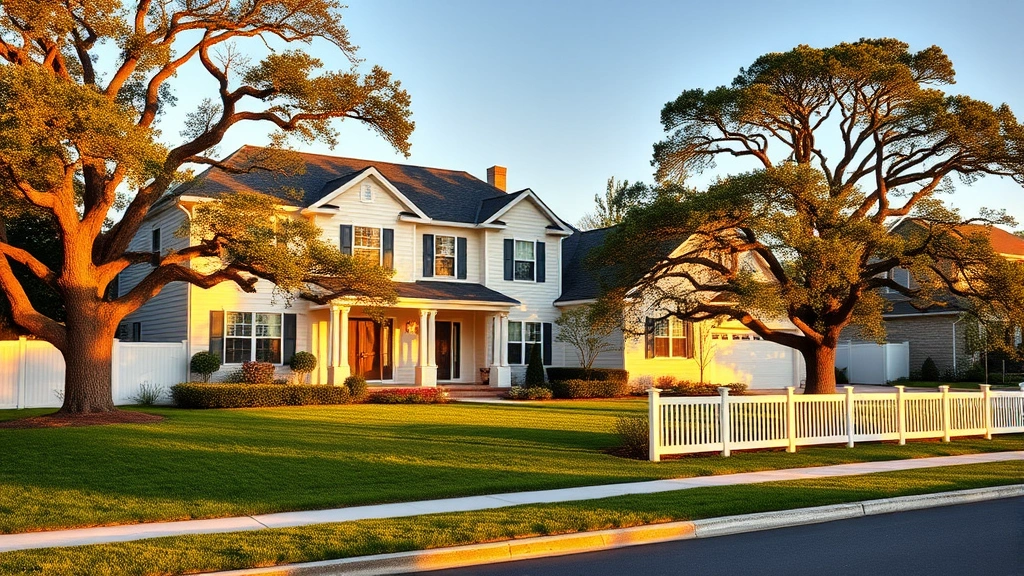
Understanding how tiny homes compare to traditional real estate helps contextualize the decision. Traditional homeownership offers distinct advantages: appreciation potential, established financing, legal clarity, and expansive space. However, it demands significant capital, ongoing maintenance, and geographic commitment.
Key comparison points:
| Factor | Tiny House on Wheels | Traditional Home |
| Initial Cost | $30,000-$60,000 | $300,000-$500,000+ |
| Financing Availability | Limited, difficult | Widely available |
| Appreciation Potential | Often depreciates | Typically appreciates |
| Annual Costs | $3,000-$6,000 | $10,000-$20,000+ |
| Legal Clarity | Often unclear | Well-established |
| Mobility | High flexibility | Permanent location |
Traditional homes remain superior investments for wealth building and long-term appreciation. Tiny homes excel at providing affordable housing, lifestyle flexibility, and immediate cost reduction. The choice depends entirely on your priorities: financial investment potential versus lifestyle benefits and affordability.
Finding Tiny Houses for Sale
Locating quality tiny houses on wheels for sale requires targeted searching across specialized platforms and networks. Unlike traditional real estate, tiny homes don’t typically appear on standard MLS listings.
Where to find tiny houses:
- Specialized marketplaces: Tiny House Listing and Tiny House Marketplace focus exclusively on this niche
- Builder websites: Established tiny home builders maintain inventory and custom-build options
- Facebook communities: Tiny house groups often post listings and connect buyers with sellers
- Tiny house communities: Established communities frequently have available plots or homes
- RV marketplaces: Platforms like RVTrader occasionally list tiny homes
- Local real estate agents: Progressive agents increasingly handle tiny home transactions
- Direct builder relationships: Many prefer working directly with established tiny home construction companies
When evaluating listings, prioritize thorough inspections, documentation of build quality, and verification of legal status for your intended location. Request detailed specifications, materials lists, and construction photos. Verify that any included utilities function properly and that the trailer foundation meets current DOT standards.
Connecting with experienced real estate professionals familiar with alternative housing can simplify the process. Some agents specialize in tiny homes and understand the unique considerations involved.
Expert Insights and Recommendations
Housing experts increasingly recognize tiny homes as legitimate solutions to affordability crises and lifestyle preferences. However, they consistently emphasize the importance of realistic expectations and thorough due diligence.
Expert recommendations:
- Research local zoning extensively before purchasing—this determines legality and resale viability
- Visit established tiny home communities to experience the lifestyle firsthand
- Calculate true costs including lot rent, utilities, insurance, and maintenance
- Assess your genuine space requirements honestly—downsizing represents significant lifestyle change
- Understand financing limitations and explore all available options
- Inspect homes thoroughly, prioritizing foundation integrity and system functionality
- Connect with experienced tiny home owners for candid lifestyle perspectives
- Consider your long-term plans—will tiny home living remain suitable in 5-10 years?
Financial advisors generally recommend viewing tiny homes as lifestyle purchases rather than investment vehicles. If you’re seeking wealth building through real estate appreciation, traditional homes remain superior. However, if you prioritize affordability, flexibility, and lifestyle optimization, tiny homes deliver exceptional value.
For broader real estate context, understanding real estate market dynamics helps inform your overall housing strategy within contemporary market conditions.
FAQ
What’s the average cost of a tiny house on wheels?
Quality tiny houses typically cost between $30,000 and $60,000 for completed builds. Custom designs may exceed $80,000, while basic models might cost $20,000-$25,000. DIY builds can reduce costs significantly but require construction expertise.
Can you get a mortgage for a tiny house on wheels?
Traditional mortgages rarely apply to tiny homes on wheels. Instead, explore RV loans, personal loans, construction financing, or cash purchases. Some credit unions and specialized lenders now offer tiny home financing at competitive rates.
Where is it legal to live in a tiny house on wheels?
Legality varies dramatically by jurisdiction. Some progressive communities embrace tiny homes with dedicated communities and favorable zoning. Others classify them as RVs and prohibit permanent residency. Always research specific local regulations before purchasing.
Do tiny houses on wheels appreciate in value?
Unlike traditional real estate, tiny homes typically depreciate similar to RVs. However, this shouldn’t deter buyers viewing them as lifestyle purchases. Many owners recoup investments through reduced living expenses within 5-10 years.
What are the main disadvantages of tiny house living?
Key challenges include limited space, financing difficulties, zoning complications, resale challenges, and lifestyle adjustment requirements. Families with children, people requiring home offices, or those with mobility issues may find constraints particularly problematic.
Can you move a tiny house on wheels easily?
While technically mobile, relocating involves significant logistics: finding compatible hookups, arranging professional towing, and addressing zoning regulations at new locations. Many owners settle permanently after initial placement.
Are tiny house communities worth the investment?
Tiny home communities offer legal clarity, infrastructure, and community benefits, but charge monthly lot rent ($200-$500+). Evaluate total costs including lot rent when comparing to alternative locations.
What’s included in a typical tiny house?
Most include full kitchens, bathrooms, sleeping areas, living spaces, and basic appliances. Construction quality, materials, and custom features vary significantly between builders and price points.