Tiny House Market Trends: Expert Analysis
The tiny house movement has evolved from a niche lifestyle choice into a legitimate real estate market segment that’s reshaping how Americans think about homeownership. With housing affordability at critical levels across the nation, used tiny houses for sale represent an increasingly attractive option for first-time buyers, downsizers, and sustainability-focused consumers. The market has experienced remarkable growth over the past five years, driven by economic pressures, environmental consciousness, and a fundamental shift in what homeowners value in their living spaces.
Today’s tiny house market tells a compelling story about American real estate evolution. Prices have stabilized, inventory has increased, and financing options have become more accessible than ever before. Whether you’re exploring this market as a potential buyer or seller, understanding current trends is essential for making informed decisions. This comprehensive analysis examines the forces shaping the tiny house market, pricing dynamics, buyer demographics, and what experts predict for the coming years.
Market Growth and Expansion
The tiny house market has experienced explosive growth since 2018, with the industry expanding at an annual rate of 7-10 percent. Industry analysts estimate that approximately 10,000 tiny homes are built annually in the United States, compared to just a few thousand a decade ago. This growth reflects broader market dynamics: affordable housing options under $100k are becoming increasingly scarce in traditional markets, making tiny homes an appealing alternative.
The expansion has been particularly notable in metropolitan areas and regions with high cost-of-living indexes. Cities like Austin, Portland, Denver, and San Francisco have seen tiny house communities emerge as developers recognize the profit potential and community demand. Real estate platforms now dedicate entire sections to tiny homes, and specialized agencies have emerged to serve this growing market segment. The Zillow real estate database now includes thousands of tiny home listings, indicating mainstream market acceptance.
What’s particularly significant is that used tiny houses for sale now constitute a substantial portion of available inventory. The secondary market has matured considerably, with homeowners who purchased tiny homes five to seven years ago now selling or relocating. This creates genuine market liquidity and allows potential buyers to inspect lived-in homes and understand long-term durability and quality issues.
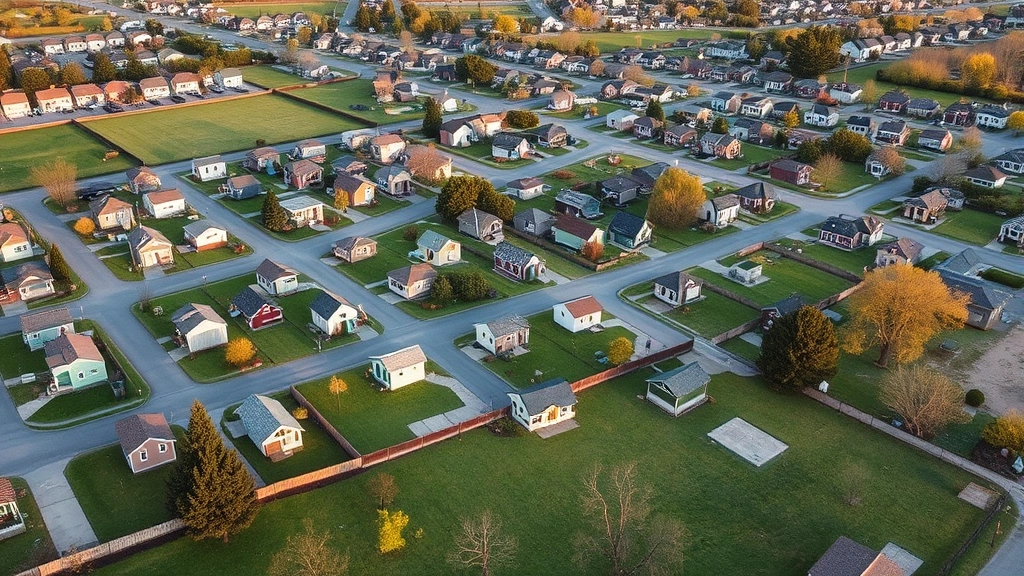
Developers and builders have responded to demand by establishing tiny home communities in strategic locations. These communities often feature shared amenities, professional management, and built-in sustainability features that appeal to environmentally conscious buyers. Communities in North Carolina, Colorado, and California have attracted thousands of residents seeking alternative living arrangements.
Pricing Trends and Affordability
The median price for a new tiny home ranges from $60,000 to $150,000, depending on customization, location, and builder reputation. Used tiny houses typically sell between $35,000 and $120,000, offering genuine savings compared to new construction. This pricing structure makes tiny homes significantly more accessible than traditional housing in most markets, though affordability advantages vary dramatically by region.
Pricing has stabilized considerably after experiencing volatility in the early 2020s. Initial pandemic-driven demand inflated prices by 15-20 percent in some markets, but corrections have occurred as supply increased. Current pricing reflects more rational market equilibrium, benefiting buyers while maintaining healthy margins for builders and sellers.
When comparing costs to traditional homes under $400k, the advantages become clear. A typical tiny home with 300-400 square feet costs roughly $150-300 per square foot, compared to $200-400 per square foot for conventional housing. Over the home’s lifetime, reduced utility costs (typically 50-80 percent lower than traditional homes), minimal maintenance expenses, and lower property taxes create substantial savings.
Location significantly impacts pricing. Rural tiny homes sell for 30-40 percent less than urban counterparts. Homes in established tiny house communities command premium prices due to community amenities and financing accessibility. Custom-built homes with luxury finishes can exceed $200,000, while basic models on wheels start around $30,000.
The secondary market for used tiny houses shows interesting pricing patterns. Homes in desirable locations appreciate slowly, while those in emerging markets may depreciate as local inventory increases. This contrasts with traditional real estate, where appreciation is nearly guaranteed in most markets. Buyers should research local market saturation before purchasing used tiny homes as investment properties.
Who’s Buying Tiny Homes
Contrary to popular perception, tiny home buyers represent diverse demographic groups with distinct motivations. The market has expanded far beyond the stereotypical young environmental activist to include retirees, young families, and remote workers seeking cost-effective housing solutions.
First-time homebuyers constitute the largest demographic segment, representing approximately 35-40 percent of tiny home purchases. These buyers appreciate the lower entry price point and opportunity to build equity without massive down payments. Many first-time buyers find that real estate market analysis tools help them identify tiny home investments compared to traditional properties in their price range.
Retirees and downsizers represent 30-35 percent of buyers. These homeowners seek to reduce maintenance responsibilities, lower living costs, and simplify their lives after decades in larger homes. The financial flexibility gained by downsizing appeals particularly to those on fixed incomes or seeking to redirect housing costs toward travel and experiences.
Remote workers and digital nomads have emerged as a significant demographic since 2020. This group values mobility, sustainability, and lifestyle flexibility. Many purchase tiny homes on wheels specifically to maintain housing stability while traveling or relocating for work opportunities. This demographic tends to be younger (25-45 years old) and highly engaged with sustainable living practices.
Investors and developers now represent 10-15 percent of tiny home purchases. These buyers recognize opportunities in rental markets, community development, and portfolio diversification. Some investors purchase used tiny houses for resale after minor renovations, capitalizing on market inefficiencies and pricing disparities across regions.
Income levels among tiny home buyers range widely. While the median household income for tiny home buyers is $55,000-$75,000 (below the national average), wealthy buyers also participate in this market, viewing tiny homes as vacation properties, guest houses, or sustainable living statements. This diversity in buyer profiles creates a healthy, resilient market less vulnerable to demographic shifts.
Financing and Loan Challenges
Financing remains the most significant challenge for tiny home buyers, particularly in the used tiny houses market. Traditional mortgage lenders have been reluctant to finance tiny homes due to perceived liquidity risks and classification ambiguities. However, this landscape is improving as more lenders recognize the market’s legitimacy.
Mobile home financing represents the most accessible option for tiny houses on wheels. These loans typically feature 8-15 year terms with interest rates ranging from 6-12 percent, significantly higher than traditional mortgages. Down payment requirements usually range from 10-20 percent, making initial capital requirements substantial.
Personal loans and home equity lines of credit have become popular alternatives for financing tiny home purchases. These options offer flexibility but typically feature shorter terms (5-10 years) and higher interest rates (8-15 percent). Some buyers use personal loans specifically for tiny homes while maintaining traditional mortgages for investment properties.
Conventional mortgage financing for tiny homes on permanent foundations has become increasingly available. Several major lenders, including Bank of America and Wells Fargo, now offer specialized tiny home mortgage products. These loans typically require 15-20 percent down payments and feature competitive rates, though appraisal challenges persist due to limited comparable sales data.
The VA has recently expanded loan eligibility to include certain tiny homes for veterans, representing a significant development for this demographic. Similarly, some state housing finance agencies have created tiny home loan programs specifically designed for low-to-moderate income buyers, expanding accessibility considerably.
Appraisal challenges represent a persistent obstacle. Appraisers struggle to establish comparable sales values when few similar properties have recently sold in a given area. This forces many lenders to require larger down payments or demand personal guarantees, increasing borrowing costs for tiny home buyers.
Regional Market Variations
The tiny house market exhibits dramatic regional variations based on local housing costs, regulatory environments, and cultural attitudes toward alternative housing. Understanding these variations is essential for buyers and sellers operating in specific markets.
West Coast markets (California, Oregon, Washington) show the strongest demand and highest prices. Severe housing affordability crises have made tiny homes particularly attractive in these regions. Portland and Seattle have established tiny house communities with waiting lists, indicating robust demand. Prices in these markets average 20-30 percent higher than national medians.
Mountain West markets (Colorado, Utah, Montana) demonstrate steady growth with moderate pricing. These regions attract buyers seeking outdoor lifestyles and community living. Denver and Boulder have seen significant tiny home development, with prices reflecting local real estate appreciation trends.
Southeast markets (North Carolina, Tennessee, Georgia) show emerging strength as builders discover lower land costs and receptive local governments. Asheville, North Carolina has become a tiny home hub with multiple established communities. Prices remain below national averages, attracting relocating buyers from higher-cost regions.
Midwest markets show slower adoption but growing interest. Regulatory barriers and cultural preferences for larger homes have limited growth, though progressive cities like Minneapolis and Chicago have seen increasing activity. Prices in these regions offer exceptional value, though resale markets remain thin.
Regulatory environments dramatically influence regional market development. States with progressive zoning regulations and supportive tiny home policies experience faster growth. Conversely, regions with restrictive minimum square footage requirements and zoning barriers see limited development. Buyers should thoroughly research local regulations before purchasing used tiny houses in unfamiliar markets.
Construction Quality and Standards
Construction quality varies significantly among tiny home builders, making careful evaluation essential when purchasing used units. The industry lacks standardized building codes, though efforts to establish uniform standards are advancing. The Tiny Home Industry Association and similar organizations have proposed quality benchmarks, but adoption remains voluntary.
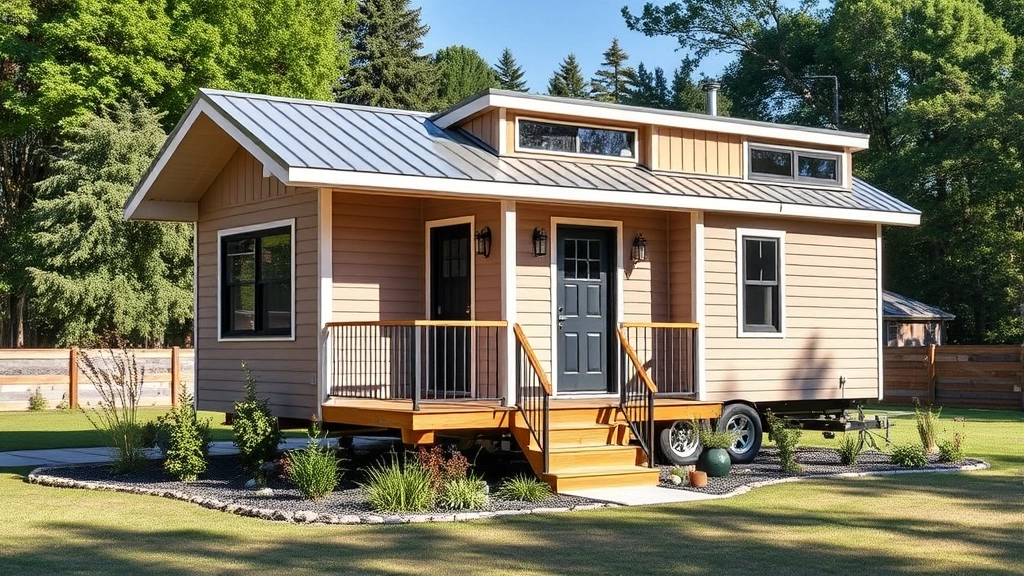
Reputable builders typically follow RV construction standards, building codes adapted for tiny homes, or hybrid approaches combining elements of both. Quality indicators include insulation R-values (R-13 to R-21 for walls, R-30+ for roofs), durable roofing materials (metal or architectural shingles preferred), and professional electrical systems meeting code requirements.
Common quality issues in older used tiny homes include inadequate insulation, water infiltration problems, substandard plumbing systems, and electrical code violations. Buyers should commission professional home inspections specifically designed for tiny homes, as standard inspectors may lack familiarity with these structures’ unique characteristics.
Foundation types significantly impact durability and resale potential. Homes on permanent concrete foundations offer superior stability and financing accessibility compared to mobile foundations. Trailers and wheeled foundations require regular maintenance and inspection, adding long-term costs.
Material selection impacts longevity considerably. Homes constructed with solid wood framing, quality insulation, and premium finishes typically outlast budget-oriented alternatives by 20-30 years. Buyers examining used tiny houses should assess material quality as carefully as structural integrity.
When selling your house fast, tiny home sellers should document all maintenance records and upgrades performed. Transparent disclosure of any issues builds buyer confidence and supports fair pricing in this market segment.
Future Market Outlook
Expert analysts predict continued steady growth in the tiny house market through 2030, driven by persistent housing affordability challenges and evolving consumer preferences. The National Association of Realtors projects that alternative housing formats, including tiny homes, will capture 5-8 percent of the total housing market by 2030, up from approximately 1-2 percent currently.
Financing accessibility will likely improve significantly as more institutional lenders develop specialized products and underwriting guidelines. This increased access will accelerate market growth and stabilize pricing across regions. We can expect that within five years, conventional mortgage financing for tiny homes will be nearly as accessible as traditional home loans.
Regulatory evolution will substantially impact market trajectory. States and municipalities are increasingly adopting zoning reforms and building code adaptations specifically addressing tiny homes. This regulatory clarity will reduce development costs and risk, enabling builders to expand production and stabilize pricing.
The secondary market for used tiny houses will mature considerably. As more homes reach 10-15 year ownership milestones, resale inventory will increase dramatically. This market maturation will provide better pricing data, strengthen appraisal processes, and improve buyer confidence in purchasing used units.
Technology integration represents an emerging trend. Increasingly, tiny homes incorporate smart home systems, energy monitoring technology, and sustainable building features. These upgrades appeal to younger buyers and support the environmental positioning that attracts many tiny home purchasers.
Community development will accelerate as developers recognize the profitability and social benefits of tiny home communities. Expect to see more professionally managed communities with comprehensive amenities, creating lifestyle appeal beyond simple housing economics. These communities will likely attract institutional investment and professional management comparable to traditional residential communities.
FAQ
What’s the average price for used tiny houses for sale?
Used tiny houses typically sell between $35,000 and $120,000, depending on age, condition, location, and customization. Prices vary significantly by region, with West Coast markets commanding 20-30 percent premiums over national averages. Age is a critical factor; homes built before 2015 often sell for 30-40 percent less than newer equivalents due to perceived durability concerns and outdated systems.
Can I get a traditional mortgage for a tiny home?
Yes, though with limitations. Conventional mortgages are increasingly available for tiny homes on permanent foundations, particularly through specialized lenders. However, appraisal challenges and limited comparable sales data often require larger down payments (15-20 percent) than traditional mortgages. Mobile or wheeled tiny homes typically require RV-style financing with shorter terms and higher rates.
Are tiny homes a good investment?
Tiny homes can be sound investments when purchased strategically in appreciating markets with strong demand. However, they typically appreciate slower than traditional homes and face liquidity challenges in thin resale markets. Best results occur when purchasing in established communities, desirable locations, or as rental properties in high-demand markets. Investors should carefully analyze local market saturation before purchasing.
What are common problems with used tiny homes?
Water infiltration, inadequate insulation, electrical code violations, and plumbing issues represent common problems in older used tiny homes. Foundation deterioration affects wheeled homes requiring regular maintenance. Professional inspections specifically designed for tiny homes are essential, as standard home inspectors may lack familiarity with these structures’ unique characteristics and potential failure points.
Which regions have the strongest tiny home markets?
West Coast markets (California, Oregon, Washington) show strongest demand and highest prices. Mountain West regions (Colorado, Utah) demonstrate steady growth, while Southeast markets (North Carolina, Tennessee) show emerging strength with lower prices. Midwest adoption remains slower due to regulatory barriers and cultural preferences, though progressive cities show increasing activity.
Do tiny homes hold their value?
Value retention depends heavily on location, condition, and market saturation. Homes in desirable communities with strong demand typically hold value well, though appreciation is slower than traditional homes. Oversaturated markets may see depreciation as inventory increases. Regular maintenance and strategic upgrades support value retention better in tiny homes than traditional properties.
What should I look for when buying a used tiny home?
Evaluate foundation condition, insulation quality, roof integrity, water damage history, and electrical/plumbing system upgrades. Request comprehensive maintenance records and professional inspections. Assess community reputation if applicable, verify financing options before committing, and research local resale market conditions. Consider long-term livability and whether the space meets your actual lifestyle needs, not just theoretical ideals.