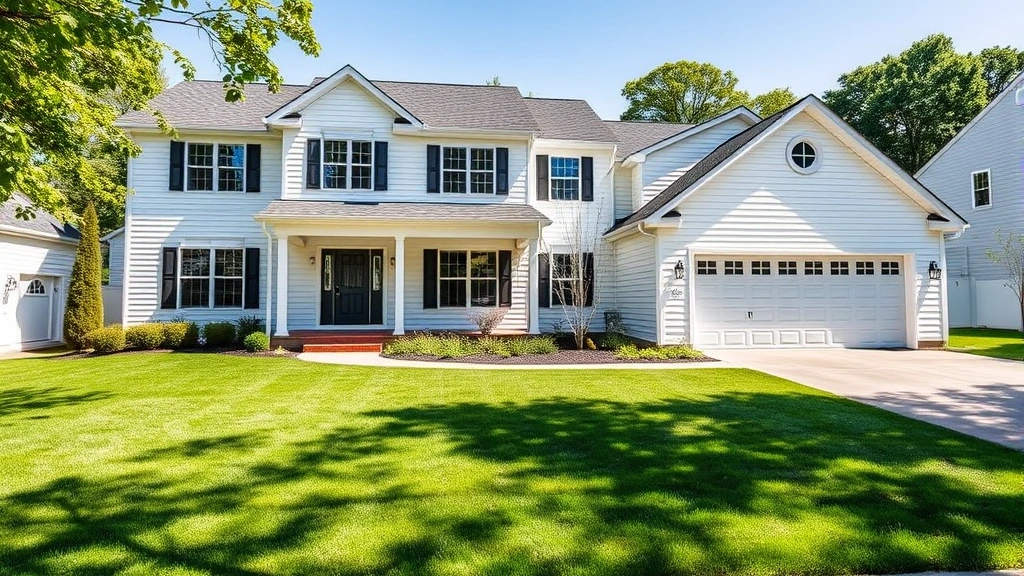
Find 4 Bedroom Homes: Expert Realtor Insights
Finding the perfect 4 bedroom house for sale requires more than just scrolling through listings. As an experienced real estate professional, I’ve guided hundreds of families through the process of discovering homes that truly match their lifestyle, budget, and long-term goals. A 4-bedroom home represents a significant investment—typically accommodating growing families, home offices, and guest spaces—making it crucial to approach your search strategically and informed.
Whether you’re a first-time homebuyer, upgrading from a smaller property, or relocating to a new market, understanding the nuances of 4-bedroom home purchases can save you thousands of dollars and countless headaches. This comprehensive guide draws from years of market experience and current real estate trends to help you navigate your search with confidence and expertise.
Why 4-Bedroom Homes Remain America’s Favorite Choice
The 4-bedroom home has solidified its position as the American sweet spot in residential real estate. This configuration perfectly balances space, functionality, and affordability in ways that larger homes cannot match. For families with two to three children, a 4-bedroom layout provides each child with their own bedroom while maintaining a guest room or flexible space for a home office—a feature that has become increasingly valuable in our remote-work economy.
From an investment perspective, 4-bedroom homes offer exceptional ROI potential in real estate compared to smaller properties. The resale market for these homes remains robust across virtually all geographic regions, making them less risky than niche properties. Additionally, the rental market consistently values 4-bedroom homes highly, whether for family rentals or multi-generational living arrangements.
Market data from the National Association of Realtors consistently shows that 4-bedroom homes represent approximately 30-35% of all residential sales, indicating strong buyer demand and excellent liquidity when it comes time to sell.
Understanding the Current Market for 4-Bedroom Properties
The real estate market for 4-bedroom homes has evolved significantly over the past few years. To make informed decisions, you need to understand current market conditions in your target area. Market outlook for 2025 suggests continued stability with regional variations that demand careful attention.
Interest rates continue to influence buyer purchasing power substantially. Even a 0.5% change in mortgage rates can affect how much home you can afford. Current market conditions show:
- Inventory Levels: Many markets are experiencing moderate inventory with seasonal fluctuations. Spring and summer typically see increased listings, while winter often presents less competition and potentially better negotiating positions.
- Days on Market: Quality 4-bedroom homes in desirable areas typically sell within 20-45 days, depending on location and condition. Properties lingering beyond 60 days warrant investigation into pricing or condition issues.
- Price Appreciation: Historical data suggests 4-bedroom homes appreciate at rates between 3-5% annually in stable markets, though this varies significantly by region.
- Buyer Competition: Popular neighborhoods may see multiple offers, requiring pre-approval and strong offer strategies.
Checking current listings on platforms like Zillow provides real-time market data and comparable sales information for your target areas. This research helps you understand realistic pricing and identify undervalued opportunities.
Key Features That Add Value to 4-Bedroom Homes
Not all 4-bedroom homes are created equal. Certain features and configurations significantly impact both immediate appeal and long-term value appreciation. Understanding these distinctions helps you identify properties with the strongest investment potential.
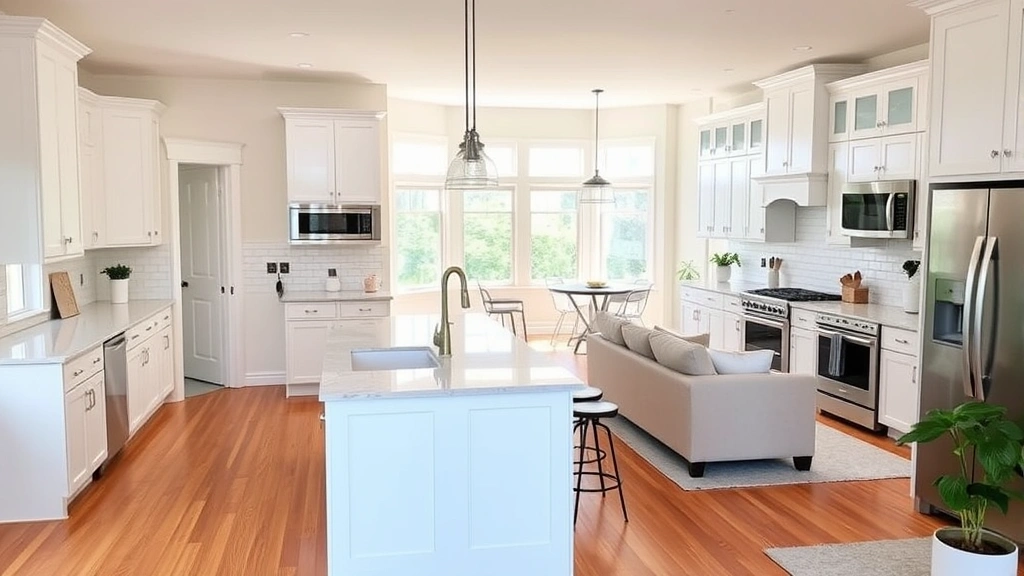
Layout and Flow: The most desirable 4-bedroom homes feature master bedrooms separated from secondary bedrooms, typically on different floors or wings. An open-concept kitchen-dining-living area appeals to modern families and increases perceived spaciousness. Homes where bedrooms are clustered together feel cramped and appeal to a narrower buyer pool.
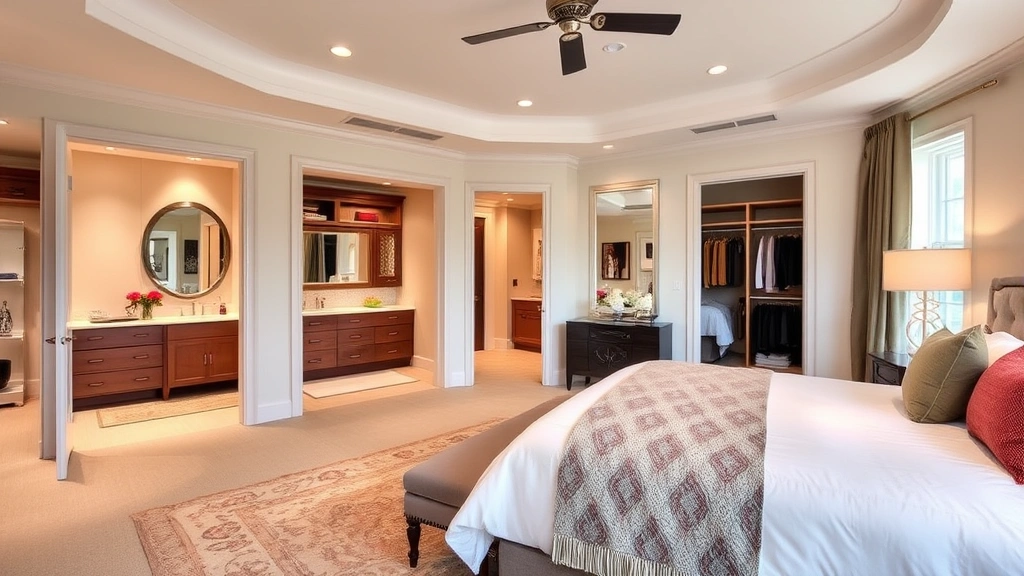
Master Suite Quality: A luxurious master suite with an ensuite bathroom and walk-in closet commands premium pricing. Properties where the master bedroom shares a hallway bathroom with guest bedrooms feel less prestigious and appeal primarily to budget-conscious buyers.
Additional Amenities: Modern 4-bedroom homes increasingly feature dedicated home offices, mudrooms, pantries, and finished basements. These spaces have become essential rather than luxury features post-pandemic. A finished basement effectively adds 40% more living space and appeals dramatically to families and investors.
Outdoor Space: Yards ranging from 0.25 to 0.5 acres appeal most broadly. Smaller urban lots work for city dwellers, while larger properties appeal to families wanting gardens and recreation areas. However, excessive acreage increases maintenance costs and limits buyer appeal.
Modern Systems: Updated HVAC systems, electrical panels rated for modern loads, plumbing without galvanized pipes, and energy-efficient windows significantly impact buyer perception and long-term value. Homes requiring major system updates face negotiating disadvantages.
Location Strategy: Where to Find the Best 4-Bedroom Opportunities
Real estate professionals know that location drives value more powerfully than any other factor. When searching for 4 bedroom houses for sale, strategic location selection determines both immediate satisfaction and long-term appreciation potential.
Consider these location categories when evaluating 4-bedroom homes:
Established Family Neighborhoods: Mature neighborhoods with excellent schools, parks, and community amenities command premium pricing but offer stability and strong resale potential. These areas appreciate steadily and maintain buyer appeal across market cycles.
Emerging Markets: Developing neighborhoods with improving infrastructure, new businesses, and planned amenities offer appreciation potential for buyers willing to accept some uncertainty. These areas often provide better value and stronger returns for investors with longer holding periods.
Suburban Communities: Areas with good school districts, reasonable commute times, and suburban amenities appeal to families. Best cities for real estate investment in 2024 show consistent strength in suburban markets with strong employment centers nearby.
Regional Variations: Different regions show distinct 4-bedroom home markets. For example, houses for sale in Richmond, VA represent a vibrant market with diverse neighborhoods catering to different buyer profiles and budgets.
Evaluate locations based on school quality ratings, crime statistics, property tax rates, future development plans, and proximity to employment centers. These factors directly impact both your lifestyle satisfaction and property appreciation potential.
Commute Considerations: Analyze your actual commute using traffic apps during peak hours. A seemingly attractive home can become problematic if daily commutes exceed 45 minutes. Time spent commuting reduces quality of life and increases vehicle expenses significantly.
Pricing Strategies and Budget Considerations
Understanding pricing strategy separates successful buyers from those who overpay or miss opportunities. When shopping for 4-bedroom homes, sophisticated pricing analysis reveals whether properties represent genuine value or overpriced listings.
Comparable Market Analysis: Request detailed comparable sales (comps) from your agent showing similar 4-bedroom homes sold within the past 90 days. Analyze these properties for similar square footage, condition, lot size, and amenities. This analysis reveals realistic pricing within 2-3% accuracy.
Price Per Square Foot: Calculate price per square foot for comparable homes. A 2,000 square foot 4-bedroom home priced at $400,000 equals $200 per square foot. If comparable homes average $190 per square foot, the property appears overpriced. This metric quickly identifies outliers.
Negotiation Leverage: Properties priced above market comparables, showing deferred maintenance, or sitting on the market beyond 60 days offer negotiation opportunities. Skilled negotiators can often secure 5-10% price reductions in these scenarios.
Budget Categories: Explore houses for sale under 300k if budget constraints exist. Entry-level 4-bedroom homes often provide better value than premium properties while meeting all functional family needs.
Remember that purchase price represents only one component of total housing costs. Property tax calculations vary dramatically by location and directly impact monthly housing expenses. A home $20,000 cheaper but with $2,000 annual higher property taxes becomes more expensive over time.
The Inspection and Due Diligence Process
Professional home inspections separate informed buyers from those who inherit costly problems. A thorough inspection of a 4-bedroom home typically costs $400-600 but can prevent $10,000-50,000 in unexpected repairs.
Critical Inspection Areas: Prioritize structural integrity, foundation conditions, roof age and condition, plumbing systems, electrical panels, HVAC equipment, and water intrusion signs. These major systems determine long-term property viability and repair costs.
Red Flags in 4-Bedroom Homes: Watch for foundation cracks wider than 1/8 inch, water stains indicating past or present leaks, outdated electrical panels rated below 200 amps, galvanized plumbing requiring replacement, and roof condition approaching end of life.
Specialized Inspections: Consider radon testing ($150-200), mold inspections ($300-700), termite inspections ($75-150), and septic system evaluations ($300-500) depending on local conditions and property characteristics. These additional inspections identify expensive problems before purchase commitment.
Contingency Periods: Always include inspection contingencies allowing 7-10 days for professional evaluation. This period protects your earnest money deposit and provides negotiating leverage if significant issues emerge.
Seller Disclosures: Review all seller disclosures carefully, noting any acknowledged issues, previous repairs, or known problems. Discrepancies between seller statements and inspection findings warrant further investigation.
Financing Your 4-Bedroom Home Purchase
Financing strategy significantly impacts your purchasing power and long-term financial health. The mortgage you select for your 4-bedroom home purchase will likely represent your largest debt obligation.
Pre-Approval vs. Pre-Qualification: Obtain mortgage pre-approval from reputable lenders, not just pre-qualification. Pre-approval involves verified income, assets, and credit review, making offers significantly more competitive. Pre-qualification represents only preliminary estimates.
Loan Types: Compare conventional loans, FHA loans, VA loans (if eligible), and USDA loans. Each program offers distinct advantages regarding down payments, interest rates, and qualification requirements. Conventional loans typically require 5-20% down payments, while FHA loans allow 3.5% down with mortgage insurance.
Interest Rate Shopping: Obtain rate quotes from multiple lenders. A 0.25% difference on a $300,000 loan equals approximately $750 annual savings. Comparing five lenders often reveals $100-200 monthly differences in payment amounts.
Down Payment Strategies: While 20% down eliminates mortgage insurance, lower down payments with mortgage insurance may accelerate wealth building through leverage. Analyze your specific situation with a financial advisor.
Closing Costs: Budget 2-5% of purchase price for closing costs including appraisal, title insurance, attorney fees, inspections, and lender fees. A $400,000 home purchase involves $8,000-20,000 in closing costs requiring careful budgeting.
Work with mortgage professionals who understand your financial situation and can recommend optimal loan structures. Organizations like the Consumer Financial Protection Bureau provide valuable mortgage education resources.
FAQ
What is the average price of a 4-bedroom home in 2024-2025?
Average 4-bedroom home prices vary dramatically by region, ranging from $250,000 in rural areas to $800,000+ in major metropolitan markets. National median prices hover around $425,000-475,000, but your specific market may differ significantly. Local real estate agents and platforms like Zillow provide accurate regional pricing data.
How much house can I afford with my current income?
Most lenders approve mortgages up to 28-31% of gross monthly income for housing expenses (principal, interest, taxes, insurance). A household earning $100,000 annually can typically afford $2,333-2,583 monthly housing costs, translating to approximately $350,000-400,000 in home purchasing power depending on interest rates and down payment.
Should I buy a 4-bedroom home as an investment property?
4-bedroom homes represent solid investment properties with strong rental demand and appreciation potential. However, ensure rental income covers expenses including mortgage, taxes, insurance, maintenance, and vacancy periods. Properties in growing markets with strong school districts typically perform better as long-term investments.
What are the main differences between 4-bedroom homes in different regions?
Regional variations significantly impact 4-bedroom home features and pricing. Northern homes often include basements and heating systems, while southern homes feature open porches and air conditioning. Western homes may emphasize outdoor living, while eastern homes prioritize walkability and proximity to urban centers. These regional preferences influence both pricing and property appreciation rates.
How long does it typically take to sell a 4-bedroom home?
In normal markets, quality 4-bedroom homes in desirable locations sell within 20-45 days. Market conditions, pricing, and property condition significantly impact timeline. Overpriced properties or those with deferred maintenance may sit 90+ days. Seasonal factors also influence selling timelines, with spring typically seeing faster sales than winter.
What home inspection items are most important for 4-bedroom homes?
Prioritize foundation integrity, roof condition, plumbing systems, electrical capacity, HVAC equipment, and water intrusion indicators. These major systems determine long-term property viability and represent the most expensive repair categories. Secondary items include appliances, flooring, and cosmetic elements that are less critical but still worth noting.