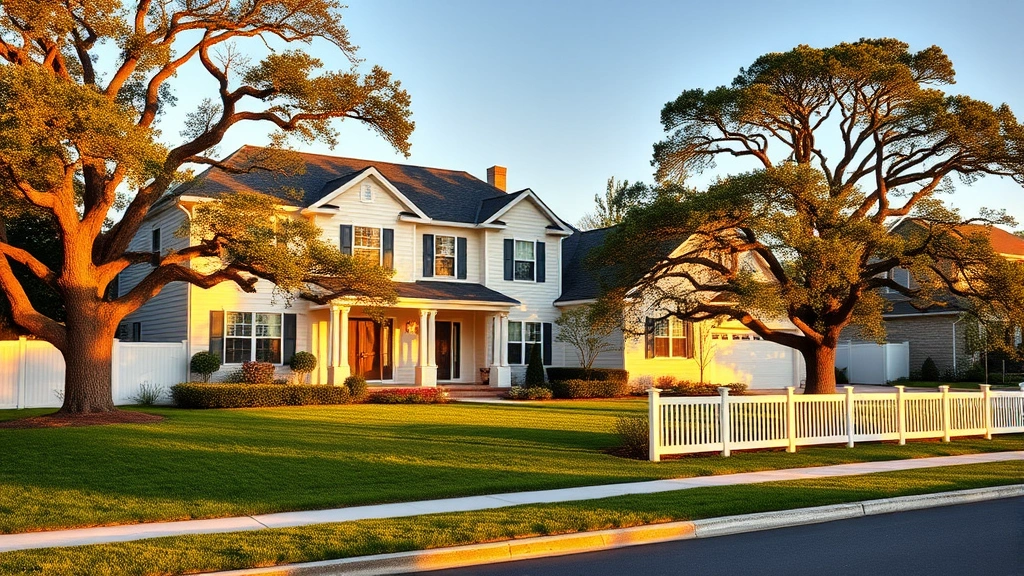
Affordable Homes: Where to Find Houses for Sale Under 300k
Finding affordable homes under $300,000 has become increasingly challenging in today’s competitive real estate market, yet opportunities still exist for savvy buyers willing to explore emerging neighborhoods and emerging markets. The sub-$300k price point remains accessible in many regions across the United States, particularly in secondary cities, rural areas, and up-and-coming neighborhoods where property values haven’t yet skyrocketed. Understanding where to search and how to navigate this market segment is essential for first-time homebuyers, investors, and families seeking to build equity without overextending their budgets.
The current housing landscape presents a unique moment for buyers in this price range. While coastal metropolitan areas have largely moved beyond the $300k threshold, the Midwest, South, and parts of the Great Plains continue to offer substantial inventory at reasonable prices. Smart shopping, strategic timing, and knowledge of emerging markets can help you secure a quality property that fits your financial goals and lifestyle needs.
Best Regions for Under 300k Homes
The Midwest remains the gold standard for affordable housing under $300,000. States like Michigan, Ohio, Indiana, and Wisconsin consistently offer single-family homes, townhouses, and modest properties well below this price point. Cities such as Detroit, Cleveland, Indianapolis, and Milwaukee have experienced revitalization efforts that attract investors and homebuyers seeking value. These regions combine affordability with reasonable employment opportunities and established communities.
The South has emerged as another prime region for budget-conscious buyers. Texas, particularly in smaller metropolitan areas outside Houston, Dallas, and Austin, provides numerous options under $300k. Arkansas, Mississippi, Louisiana, and Tennessee offer even greater affordability, with charming properties in historic neighborhoods and rural settings. The cost of living in these areas typically aligns well with property prices, making homeownership more sustainable long-term.
The Great Plains states—including Kansas, Nebraska, Oklahoma, and South Dakota—represent some of the most affordable markets in America. While these regions may not appeal to everyone due to climate or population density, they offer exceptional value for buyers seeking rural living, agricultural land, or small-town communities. Properties often include acreage, outbuildings, and development potential at fractions of coastal prices.
Appalachian regions spanning Kentucky, West Virginia, and parts of Pennsylvania and Ohio provide another avenue for affordable purchases. These areas combine historical character with modern amenities in revitalized downtown districts. Understanding the best cities for real estate investment can help identify neighborhoods poised for appreciation.
Effective Search Strategies and Platforms
Online real estate platforms form the foundation of modern home searching. Zillow, Realtor.com, and Redfin allow you to filter properties by price, location, square footage, and specific amenities. Set up automated alerts for properties matching your criteria—this ensures you’re notified immediately when new listings appear, giving you a competitive advantage in fast-moving markets.
Working with a local real estate agent provides invaluable insider knowledge. Agents access the Multiple Listing Service (MLS), which contains comprehensive inventory data before properties hit major online platforms. They understand local market dynamics, can negotiate on your behalf, and identify off-market deals through their professional networks. Many agents specialize in specific price ranges and neighborhoods, making them ideal partners for targeting properties under $300k.
Exploring foreclosure and bank-owned properties can yield significant discounts. The National Association of Realtors publishes market data on distressed properties. Websites specializing in foreclosures, short sales, and REO (real estate owned) properties often feature homes substantially below market value. However, these properties typically require thorough inspection and may need repairs, so budget accordingly.
Attend local auctions and estate sales where properties occasionally sell below appraised value. Government agencies, tax assessor offices, and sheriff’s departments conduct auctions for tax-delinquent or foreclosed properties. While these sales require cash or immediate financing and offer limited inspection periods, they can provide exceptional deals for prepared buyers.
Direct outreach to sellers through “we buy houses” postcards or letters can uncover motivated sellers willing to negotiate below-market prices. Wholesalers and investors use these strategies to build pipelines of potential deals, and you can employ similar tactics in your target neighborhoods.

Financing Options for Affordable Properties
Traditional mortgage loans remain the most common financing method for homes under $300k. Federal Housing Administration (FHA) loans require only 3.5% down payment, making them ideal for first-time homebuyers with limited capital. The FHA backs these loans, reducing lender risk and enabling more flexible credit requirements compared to conventional mortgages.
Veterans Affairs (VA) loans offer zero-down-payment options for eligible military members, spouses, and dependents. These loans typically feature competitive interest rates and minimal fees, making them exceptionally valuable for qualified borrowers. If you served in the military, exploring VA financing should be a priority when purchasing under $300k.
United States Department of Agriculture (USDA) loans target rural properties and offer 100% financing for eligible borrowers in designated rural areas. Many properties under $300k fall within USDA-eligible zones, particularly in the Midwest, South, and Great Plains. These loans combine zero down payment with competitive rates, making rural homeownership highly accessible.
Conventional loans with 5-10% down payments remain viable for buyers with solid credit and stable income. Comparing rates across multiple lenders—banks, credit unions, and online mortgage companies—ensures you secure the best terms. Even slight differences in interest rates significantly impact long-term mortgage costs.
Following our complete buying house checklist ensures you’re financially prepared before making offers. Getting pre-approved for financing strengthens your negotiating position and demonstrates serious intent to sellers.
Emerging Markets and Hidden Gems
Secondary cities experiencing population growth and economic revitalization offer exceptional value in the under-$300k segment. Places like Buffalo, New York; Pittsburgh, Pennsylvania; and Boise, Idaho have attracted younger professionals and remote workers, creating demand that’s driven prices up but remains below major metropolitan levels. These cities combine affordability with urban amenities, cultural attractions, and employment opportunities.
Rust Belt cities undergoing transformation present compelling opportunities. Toledo, Ohio; Flint, Michigan; and Gary, Indiana have launched revitalization initiatives attracting tech companies, startups, and creative professionals. Early investors who purchase in these emerging markets often benefit from appreciation as neighborhoods improve and property values climb. Consulting the real estate market forecast for 2025 helps identify which cities show strongest growth potential.
College towns near major universities offer stable rental markets and demographic support. Properties in these communities, particularly multi-unit buildings or single-family homes suitable for student rentals, can generate reliable income while remaining affordable to purchase. The consistent student population ensures steady tenant demand and rental rates.
Gateway communities on the outskirts of expensive metros provide commuter-friendly options at fraction of central city prices. Towns within 45-90 minutes of major job centers offer affordable entry points while maintaining access to urban employment, entertainment, and amenities. As remote work becomes more prevalent, these communities attract professionals seeking space and affordability.
Understanding the real estate market outlook for 2025 helps identify which emerging markets show strongest fundamentals and growth trajectories.
Investment Potential and ROI Considerations
Properties under $300k can represent compelling investment opportunities when purchased strategically. Lower acquisition costs mean faster break-even points and higher cash-on-cash returns compared to expensive properties. A $150k property generating $1,500 monthly rental income provides 12% annual return on a $15k down payment, significantly outperforming stock market averages.
Understanding how to calculate ROI in real estate is essential for evaluating investment potential. Consider acquisition costs, financing expenses, property taxes, insurance, maintenance reserves, vacancy rates, and property management fees when projecting returns. Conservative estimates account for unexpected repairs and market fluctuations.
Value-add opportunities abound in affordable markets. Properties requiring cosmetic updates—fresh paint, flooring, landscaping, and minor repairs—can be transformed into premium rentals or resale candidates. Investors with modest capital can execute these renovations efficiently, creating significant equity gains. This strategy forms the foundation of successful house flipping business plans in affordable markets.
Rental income potential varies dramatically by location. Secondary cities often command higher cap rates (net operating income divided by property price) than expensive metros. A property generating 8-10% cap rates in affordable markets compares favorably to 3-4% rates in expensive coastal cities, providing superior cash flow and faster wealth accumulation.
Appreciation potential shouldn’t be overlooked. Emerging markets experiencing population growth, job creation, and infrastructure investment typically see steady property appreciation. Purchasing early in these cycles positions investors to benefit from both rental income and long-term capital appreciation.

Red Flags and Due Diligence
Prices significantly below comparable sales warrant investigation. Properties priced $20-30k below similar homes may indicate structural issues, environmental problems, title defects, or other serious concerns. Always hire professional inspectors to identify hidden defects before committing to purchase.
Neighborhoods with declining populations, abandoned properties, or deteriorating infrastructure suggest ongoing challenges. While turnaround stories exist, distinguishing genuine revitalization from persistent decline requires careful analysis. Research employment trends, school ratings, crime statistics, and planned development to understand neighborhood trajectory.
Properties with uncertain ownership history, clouded titles, or previous liens require title company investigation. Title insurance protects against these issues but doesn’t cure underlying problems. Clear title is essential; never purchase property with questionable ownership or legal complications.
Environmental hazards—flood zones, former industrial sites, contamination concerns—can create liability and limit future resale value. Obtain environmental assessments for properties in potentially affected areas. Flood insurance requirements, remediation costs, and resale difficulty create substantial financial risks.
Unusual property conditions—extreme isolation, difficult access, zoning restrictions, or building code violations—affect usability and resale potential. Properties that don’t conform to standard use patterns often resist appreciation and attract fewer buyers, complicating eventual exit strategies.
Verify that properties meet local building codes and possess required permits for improvements. Unpermitted additions, renovations, or conversions create legal liability and complicate refinancing or resale. Code compliance verification prevents expensive future corrections.
FAQ
What’s the best region for finding homes under $300k?
The Midwest, South, and Great Plains consistently offer the most inventory and best values under $300k. States like Michigan, Ohio, Texas, Arkansas, and Kansas feature numerous properties at this price point, with varying price-to-value ratios depending on specific markets and neighborhoods.
Can I find homes under $300k in expensive states?
Yes, but typically in rural areas, small towns, or secondary cities far from major metropolitan centers. Parts of California, New York, and Massachusetts offer properties under $300k, though they’re rare and may require significant commuting distances to job centers.
What financing options work best for under-$300k homes?
FHA loans (3.5% down), VA loans (0% down for veterans), and USDA loans (100% financing for rural properties) offer excellent terms for affordable homes. Conventional mortgages with 5-10% down also remain viable, depending on credit and income.
Are foreclosed homes under $300k good investments?
Foreclosed properties can offer value but require thorough inspection and realistic renovation budgets. Understand why properties are distressed, budget for necessary repairs, and factor in carrying costs during renovation before committing.
How do I identify emerging markets with appreciation potential?
Research population trends, job growth, infrastructure investments, and planned development. Secondary cities attracting tech companies, young professionals, and remote workers typically show strongest appreciation potential. Consulting market forecasts helps identify promising areas.
What inspection and due diligence steps are essential?
Hire professional home inspectors, obtain title searches and insurance, verify building permits and code compliance, assess environmental concerns, and research neighborhood conditions. Never skip these steps regardless of price point—they protect your investment and prevent costly surprises.
Can I generate rental income from properties under $300k?
Absolutely. Lower acquisition costs enable faster break-even and higher cap rates compared to expensive properties. Many affordable markets support strong rental demand and competitive rental rates, making them attractive for income-focused investors.
What should I look for in an affordable neighborhood?
Seek communities with stable or growing populations, diversified employment, quality schools, low crime, good infrastructure, and planned development. Avoid neighborhoods with persistent vacancy, abandoned properties, declining jobs, or deteriorating conditions.