Unique Bird Houses for Sale: Expert Picks for Your Backyard
Creating a welcoming habitat for backyard birds transforms your outdoor space into a vibrant ecosystem while adding charming decorative elements to your property. Whether you’re an experienced birder or simply looking to enhance your home’s curb appeal, selecting the right bird houses for sale requires understanding bird species preferences, construction quality, and design aesthetics. A well-chosen bird house not only attracts feathered visitors but also demonstrates thoughtful property stewardship—an attractive feature when considering the advantages of owning a home.
The market for specialty bird houses has exploded in recent years, offering homeowners unprecedented variety in materials, styles, and functionality. From rustic wooden designs to modern architectural statements, today’s bird house options cater to both aesthetic preferences and practical bird-keeping needs. This comprehensive guide explores expert-recommended bird houses, helping you make informed decisions that enhance your property while supporting local bird populations.

Understanding Bird House Specifications
Before purchasing bird houses, understanding essential specifications ensures you select appropriate housing for your target species. Entrance hole diameter, interior dimensions, and ventilation requirements vary significantly across bird types. Bluebirds require 1.5-inch entrance holes, while wrens prefer smaller 1.25-inch openings. The National Audubon Society provides detailed specifications for over 40 North American bird species, making their resources invaluable for informed purchasing decisions.
Professional bird house manufacturers design products with precise measurements optimized for specific species while preventing predator access. Interior floor space typically ranges from 4×4 inches for small songbirds to 8×8 inches for larger species. Depth measurements matter equally—shallow houses suit wrens and chickadees, while deeper cavities appeal to woodpeckers and nuthatches. Drainage holes, essential for moisture management, should measure at least 0.25 inches in diameter and be positioned at the lowest points inside the house.
Ventilation holes prevent dangerous temperature fluctuations and humidity buildup, particularly critical during hot summer months. Expert-designed bird houses include ventilation ports near the roof line that allow air circulation without creating drafts. When evaluating bird houses for sale, verify that specifications match your local bird populations and climate conditions. Consulting buying guides for thorough evaluation of products applies equally to specialized outdoor items like bird houses.

Top Materials for Durable Construction
Material selection directly impacts bird house longevity, safety, and environmental sustainability. Cedar and redwood represent premium choices, offering natural rot resistance without chemical treatments that might harm birds. These softwoods weather beautifully, developing silvery-gray patinas while maintaining structural integrity for 10+ years. Cedar’s natural oils provide insect resistance, an important consideration for protecting bird eggs and nestlings from parasites.
Pressure-treated lumber, while affordable, contains copper-based preservatives that pose potential health risks to birds. Many experienced ornithologists recommend avoiding pressure-treated materials in favor of untreated hardwoods or composite alternatives. Reclaimed wood from barns and old buildings offers authentic character while supporting sustainability—these materials often feature superior durability compared to newly harvested wood.
Modern composite materials combine wood fibers with plastic polymers, creating bird houses that resist rotting, warping, and splitting. These eco-friendly options typically last 20+ years and require minimal maintenance. Metal bird houses, typically aluminum or steel, suit contemporary home designs and offer exceptional durability in harsh climates. However, metal conducts temperature extremes, requiring additional insulation or shade positioning to prevent overheating.
Specialty materials like cork and recycled plastic serve niche applications. Cork-lined interiors provide superior grip for young birds learning to climb, while recycled plastic bird houses appeal to environmentally conscious homeowners. When selecting materials, prioritize bird safety over aesthetic appeal—avoid glossy paints, treated finishes, and toxic wood preservatives that might harm residents.
Species-Specific Designs
Expert ornithologists emphasize that one-size-fits-all bird houses rarely succeed. Different species exhibit distinct preferences regarding entrance hole size, interior volume, mounting height, and surrounding vegetation. Bluebirds, beloved by many backyard birders, require specific houses measuring 5×5 inches with 1.5-inch entrance holes positioned 2 inches from the floor. These specifications prevent starling colonization while accommodating bluebird families perfectly.
Wren houses feature compact dimensions (4×4 inches) with 1.25-inch entrance holes, designed for these energetic songbirds’ smaller body size. Wrens aggressively defend territories, so spacing multiple wren houses at least 15 feet apart prevents territorial conflicts. Purple martin houses represent the opposite extreme—these colonial nesters require apartment-style structures with 6-8 compartments, each measuring 6×6 inches with 1.5-inch entrances.
Woodpecker-specific designs include interior walls roughened with wood shavings, mimicking natural cavity conditions. These birds prefer larger entrance holes (1.5 inches) and deeper interiors (10-12 inches) that accommodate their longer nesting cycles. Chickadees and nuthatches appreciate smaller houses (4×4 inches) positioned 6-15 feet high, preferably on poles rather than tree branches where predators easily access them.
Specialized designs for less common species continue expanding the market. Screech owl houses require larger dimensions (8×8 inches) with 1.5-inch entrances positioned high in trees. Kestrel boxes measure 5×5 inches with 1.25-inch holes, designed for these small raptors’ specific nesting requirements. When evaluating bird houses for sale, verify that designs match your identified target species and local breeding populations.
Aesthetic Styles and Home Integration
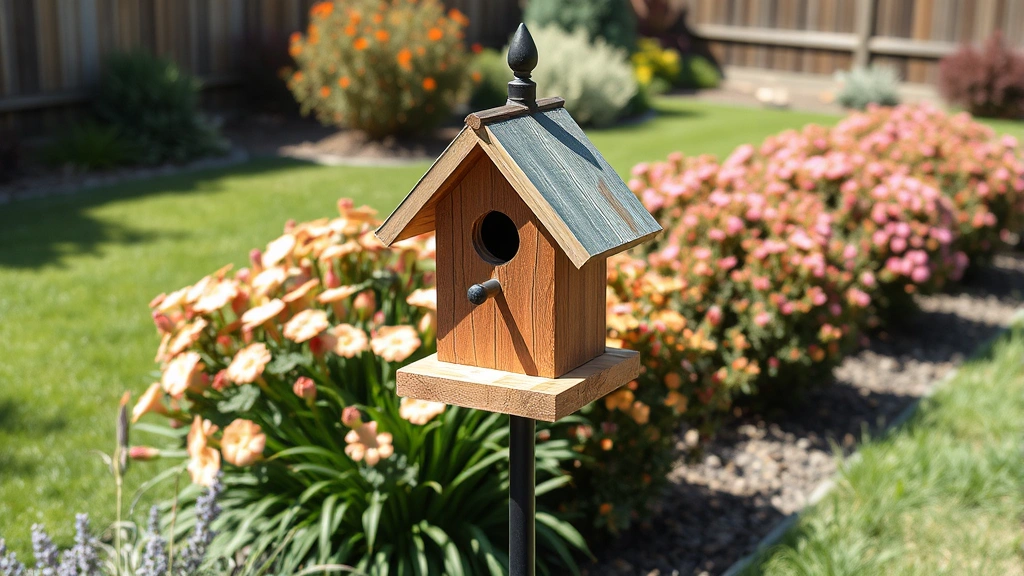
Beyond functionality, bird houses contribute significantly to your home’s visual appeal and property value. Rustic cottage-style houses featuring weathered wood, shingled roofs, and traditional designs complement farmhouse and country aesthetics. These charming structures, often handcrafted by artisans, serve as decorative focal points while providing excellent bird habitat.
Contemporary bird house designs embrace minimalist principles with clean lines, geometric shapes, and modern materials. Sleek aluminum or composite houses appeal to homeowners with modern architectural preferences, integrating seamlessly with contemporary home designs. Some innovative designs feature sculptural qualities, functioning as outdoor art installations while housing birds.
Victorian-inspired bird houses showcase ornamental details, decorative trim, and period-appropriate styling. These elaborate designs appeal to traditionalists and history enthusiasts, adding nostalgic charm to backyards. Painted finishes in period colors—soft blues, creams, and sage greens—enhance visual impact while remaining bird-safe when using non-toxic, exterior-grade paints.
Scandinavian and Japanese-inspired designs bring international aesthetics to American backyards. Minimalist Nordic designs emphasize natural materials and functional beauty, while Japanese-influenced houses incorporate traditional architectural elements and zen garden principles. These sophisticated styles demonstrate that functional bird housing need not compromise design integrity.
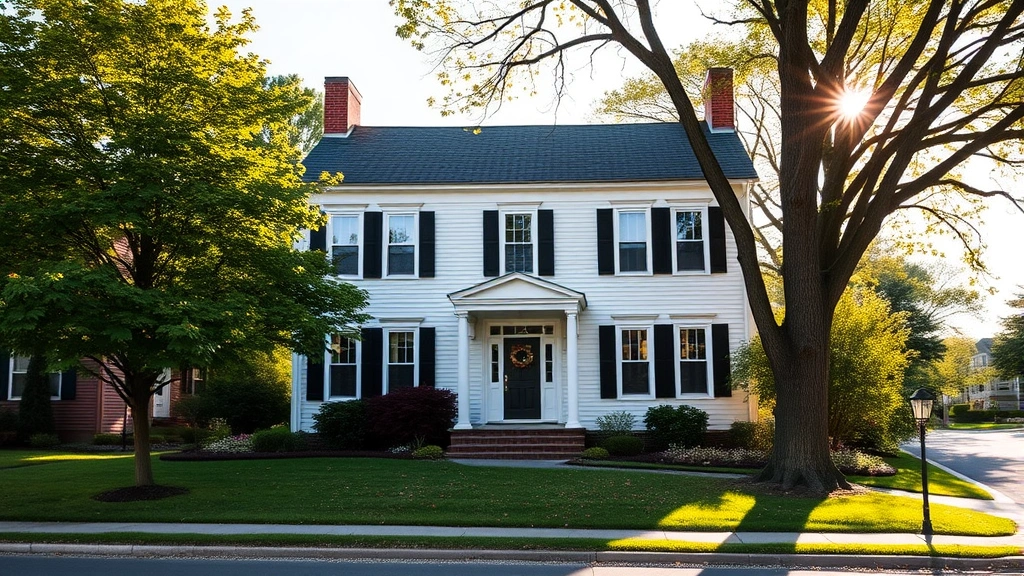
When integrating bird houses into your landscape, consider sight lines from windows, proximity to garden focal points, and relationship to existing plantings. Strategic placement creates visual interest while supporting bird safety—houses positioned near shrubs or trees provide escape routes and shelter. This thoughtful integration represents property enhancement similar to other advantages of owning a home where personal touches increase satisfaction.
Installation and Maintenance Considerations
Proper installation ensures bird house success and longevity. Height requirements vary by species—wrens prefer 5-15 feet, bluebirds 5-6 feet, while purple martins require 12-20 feet. Mounting angle matters equally; most houses perform best when tilted slightly forward, facilitating water drainage and preventing rain entry. Avoid direct southwesterly exposure where afternoon sun creates dangerous interior temperatures.
Mounting hardware significantly impacts durability and safety. Stainless steel brackets and hardware resist corrosion, while galvanized options suit most climates. Avoid aluminum hardware in coastal regions where salt spray accelerates deterioration. Secure mounting prevents predator access and protects houses during storms—loose installations create hazards for nesting birds.
Maintenance routines ensure healthy bird populations season after season. Late-summer cleaning (after fledglings depart) removes parasites and disease vectors while preparing houses for next season. Use only water and soft brushes—harsh chemicals harm birds and beneficial insects. Inspect drainage holes, ventilation ports, and roof seams for damage or blockages.
Predator protection represents critical maintenance consideration. Install baffles above pole-mounted houses to prevent climbing predators from reaching nests. Cage-style predator guards around entrance holes prevent larger birds from accessing eggs and nestlings. Regular monitoring for parasites, mites, and fungal growth protects bird health—watch for signs of distress or abandoned nests indicating environmental problems.
Seasonal preparation extends bird house lifespan. Before winter, clean interiors and inspect structural integrity. In spring, refresh mounting hardware and verify proper installation angle. Document nesting activity—keeping records helps track population trends and identify successful installations worth replicating. This systematic approach mirrors the thoroughness recommended when evaluating property conditions for long-term value.
Where to Purchase Quality Bird Houses
Numerous retailers offer bird houses for sale, but quality varies significantly. Specialty bird supply retailers like Audubon Society partner stores stock scientifically-designed houses meeting rigorous specifications. These retailers often employ knowledgeable staff providing expert guidance on species-specific requirements and installation best practices.
Online marketplaces including Amazon and specialty bird websites offer extensive selection with customer reviews indicating real-world performance. However, verify specifications carefully—many low-cost options prioritize aesthetics over functionality, potentially failing to attract birds or provide adequate protection. Read detailed product descriptions and customer feedback mentioning actual bird occupancy and longevity.
Local woodworkers and artisans create handcrafted bird houses combining superior craftsmanship with local material sourcing. Supporting local makers ensures quality construction while reducing environmental impact. Many artisans offer customization options, allowing personalization matching your specific aesthetic preferences and bird species requirements.
Home improvement retailers including Home Depot and Lowe’s stock mass-produced options at accessible price points. While convenient, thoroughly evaluate specifications—many big-box bird houses prioritize cost reduction over bird welfare. Avoid houses with perches (which help predators access nests) or inadequate ventilation.
Specialty bird house manufacturers like Duncraft and Woodlink operate direct-to-consumer models, eliminating retail markups while maintaining quality standards. These companies often provide detailed species guides and installation instructions, supporting successful bird housing implementation. Visiting manufacturer websites reveals design philosophy and material sourcing practices, helping identify values-aligned retailers.
When evaluating where to purchase, consider long-term value rather than initial cost. Quality bird houses justify premium pricing through extended lifespan, superior bird attraction, and reduced maintenance requirements. Factor in warranties—reputable manufacturers often guarantee products against defects, demonstrating confidence in construction quality.
Just as interviewing real estate professionals requires careful evaluation, selecting bird house retailers demands research and comparison. Check company credentials, read independent reviews, and verify species-specific design credentials before purchasing.
Environmental considerations increasingly influence purchasing decisions. Look for retailers prioritizing sustainable materials, ethical sourcing, and conservation support. Many quality bird house manufacturers donate portions of proceeds to habitat preservation organizations, allowing your purchase to support broader ornithological conservation efforts.
Price ranges for quality bird houses for sale typically span $25-$200 depending on materials, design complexity, and manufacturer reputation. Basic functional designs start around $20-$40, while handcrafted or specialty houses range $75-$150+. Premium architectural designs or elaborate multi-compartment structures may exceed $200. View pricing as investment in long-term property enhancement rather than disposable purchase.
FAQ
What’s the best material for bird houses?
Cedar and redwood offer excellent durability and natural rot resistance without toxic treatments. Composite materials provide 20+ year longevity with minimal maintenance. Avoid pressure-treated lumber containing potentially harmful preservatives. Choose materials prioritizing bird safety over aesthetic appeal.
How do I know which bird house size to buy?
Research your local bird species and their specific requirements. Entrance hole diameter, interior dimensions, and mounting height vary significantly. The National Audubon Society provides detailed specifications for 40+ North American species. Select designs matching your identified target birds.
When should I install bird houses?
Install houses in late winter (January-February) before breeding season begins. This timing allows birds to locate and evaluate housing before nesting. Spring installation often arrives too late as birds have already established territories elsewhere. Plan installation during fall for following spring’s occupancy.
Should bird houses have perches?
Avoid perches—they provide predators easy access to nests while offering no benefit to nesting birds. Species naturally accessing cavities don’t require perches. Perched designs indicate prioritization of aesthetics over bird safety and functionality.
How often should I clean bird houses?
Clean once annually after fledglings depart (late summer). Remove old nesting material, parasites, and debris. Avoid harsh chemicals—water and soft brushes suffice. Spring inspection verifies structural integrity without full cleaning, which might disturb early nesters.
Can I paint bird houses?
Yes, using only non-toxic, exterior-grade, water-based paints. Avoid lead-based or solvent-based finishes. Natural wood finishes or light exterior paint colors work well. Never use glossy or polyurethane finishes that might harm birds or create dangerous reflection.
What predator protection should I add?
Install baffles above pole-mounted houses preventing raccoon and cat access. Cage-style predator guards around entrance holes prevent larger birds from accessing eggs. Position houses away from jumping-off points and prune surrounding branches preventing predator approach.