Victorian Houses for Sale: Expert Insights
Victorian homes represent some of the most distinctive and architecturally significant properties on today’s real estate market. Built primarily between 1837 and 1901 during Queen Victoria’s reign, these elegant structures feature ornate details, intricate woodwork, and timeless charm that continue to captivate homebuyers and investors alike. Whether you’re searching for Victorian houses for sale in historic neighborhoods or considering restoration projects, understanding the unique characteristics and market dynamics of these properties is essential for making informed decisions.
The appeal of Victorian architecture extends far beyond aesthetic beauty. These homes often command premium prices in established neighborhoods, offer significant investment potential through restoration, and provide character and craftsmanship rarely found in modern construction. However, purchasing a Victorian property requires specialized knowledge about structural considerations, renovation costs, and market valuation. This comprehensive guide explores everything you need to know about Victorian homes, from identifying authentic features to navigating the buying process.
Understanding Victorian Architecture and Styles
Victorian architecture encompasses several distinct substyles, each with unique characteristics and regional variations. The Victorian era itself spanned from 1837 to 1901, but the architectural movement influenced home construction well into the early 1900s. Understanding these different styles helps buyers identify authentic Victorian properties and appreciate their historical significance.
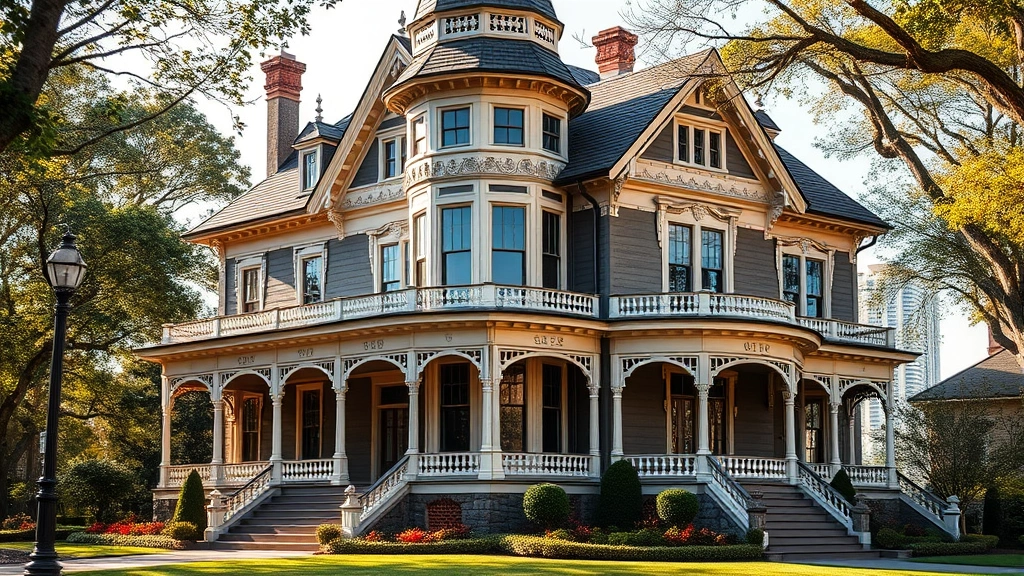
Queen Anne Victorian homes are perhaps the most recognizable, featuring asymmetrical facades, wraparound porches, turrets, and varied textures combining wood shingles, stone, and brick. These properties often showcase bay windows, ornamental railings, and decorative gable details. Italianate Victorian homes display tall, narrow proportions with elaborate bracketed cornices, arched windows, and square towers. Gothic Revival Victorian properties feature steep gable roofs, pointed arch windows, and decorative bargeboards reminiscent of medieval architecture.
Second Empire Victorian homes are identifiable by their mansard roofs with dormer windows, creating distinctive silhouettes in urban and suburban landscapes. Romanesque Revival Victorians showcase heavy stone construction, rounded arches, and fortress-like towers. Each style reflects the preferences and technological capabilities of its era, making architectural authenticity an important consideration when evaluating Victorian houses for sale.
Regional variations significantly impact Victorian home design. Coastal Victorian properties often feature lighter materials and open designs suited to warmer climates, while Victorian homes in northern regions emphasize insulation and structural durability. Understanding your specific region’s architectural traditions helps you appreciate the historical context and value of available properties.
Key Features That Define Victorian Homes
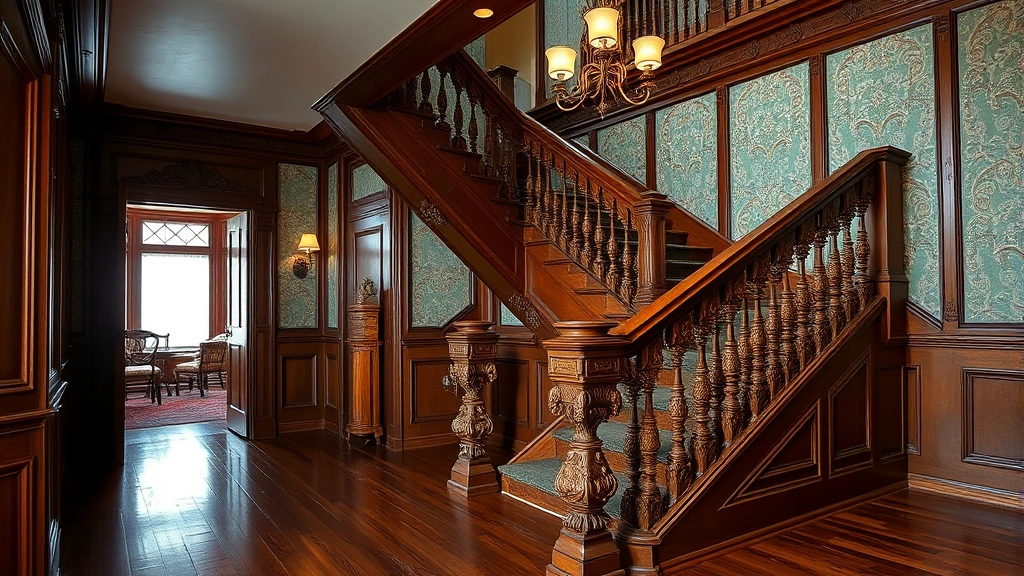
Authentic Victorian properties display distinctive architectural elements that collectors and enthusiasts highly value. Original hardwood flooring, often featuring intricate parquet patterns or wide-plank designs, remains one of the most sought-after features. Many Victorian homes contain hand-carved woodwork, including ornamental mantels, crown molding, and built-in cabinetry that demonstrate exceptional craftsmanship.
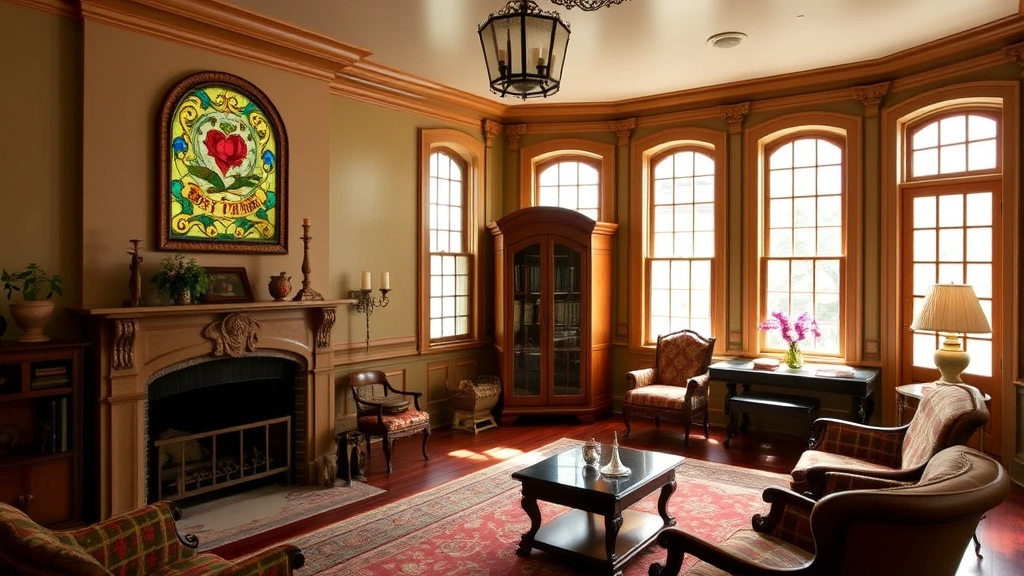
Stained glass windows, both decorative and functional, frequently appear in Victorian homes, particularly around entry doors and upper-story windows. These custom-crafted elements add significant character and can dramatically impact a home’s aesthetic appeal and market value. Similarly, period-appropriate hardware, light fixtures, and decorative elements contribute to authentic Victorian aesthetics.
Wraparound porches, turrets, bay windows, and tower rooms create the distinctive silhouettes associated with Victorian architecture. These architectural features provide practical benefits including additional living space, natural light, and outdoor entertaining areas. However, they also require specialized maintenance and restoration expertise.
Original plumbing and electrical systems in Victorian homes often require modernization for safety and functionality. Many properties feature vintage cast-iron plumbing, knob-and-tube electrical wiring, and lead-based paint—factors that significantly influence renovation timelines and costs. Understanding which original features to preserve and which to update is crucial when planning your buying a house checklist for Victorian properties.
Fireplaces with original mantels, decorative tile work, and chimney systems represent both charming features and potential maintenance concerns. Many Victorian homes contain multiple fireplaces, each with unique designs reflecting period aesthetics. Some properties retain original gas lighting fixtures or have been converted to electric while maintaining period appearances.
Market Trends for Victorian Properties
The market for Victorian homes demonstrates remarkable resilience and consistent appreciation across most regions. According to recent data from the National Association of Realtors, historic properties including Victorians typically appreciate faster than average homes, particularly in established neighborhoods and heritage districts. Buyers increasingly recognize that well-maintained Victorian properties represent sound long-term investments.
Urban and suburban neighborhoods featuring concentrations of Victorian homes have experienced revitalization and increased desirability. Cities like San Francisco, Boston, New Orleans, and Philadelphia command premium prices for Victorian properties due to their architectural significance and neighborhood character. However, Victorian homes in smaller cities and rural areas often present excellent value opportunities for investors and buyers seeking authentic period properties.
Current market conditions show strong demand for move-in ready Victorian homes, while properties requiring significant restoration attract investors and experienced renovators. The trend toward remote work has increased interest in Victorian properties located outside major metropolitan areas, as buyers seek character homes with space and history at more affordable price points.
Sustainability and energy efficiency increasingly influence Victorian home values. Properties that successfully balance historic preservation with modern efficiency upgrades—including insulation improvements, HVAC systems, and renewable energy installations—command premium prices while appealing to environmentally conscious buyers. Understanding how to modernize Victorians without compromising architectural integrity has become a valuable skill in today’s market.
Seasonal variations affect Victorian home sales patterns. Spring and early summer typically see increased listings and buyer activity, while fall and winter markets feature less competition and potentially better negotiating opportunities. Strategic timing when purchasing Victorian homes can significantly impact your negotiating position and overall acquisition costs.
Evaluating Victorian Homes Before Purchase
Comprehensive inspection is absolutely critical when evaluating Victorian houses for sale. Beyond standard home inspections, Victorian properties require specialized assessment by inspectors familiar with period construction, materials, and common issues. Foundation integrity, structural stability, and pest damage—particularly termite and wood-boring insect infestations—must receive thorough evaluation.
Roof condition significantly impacts Victorian home values and renovation costs. Original slate, tile, or standing-seam metal roofs represent valuable period features, but their maintenance and repair require specialized contractors. Asphalt shingle replacements, while more affordable, may compromise architectural authenticity. Understanding your property’s roofing situation is essential when calculating closing costs and renovation budgets.
Lead paint testing should be mandatory for any Victorian home constructed before 1978. Proper lead abatement adds significant costs but is essential for family safety, particularly with children or pregnant women in the household. Professional lead inspectors can identify affected areas and recommend appropriate remediation strategies.
Electrical and plumbing systems warrant detailed inspection by licensed professionals experienced with Victorian homes. Knob-and-tube wiring, common in older Victorians, poses fire hazards and typically requires complete replacement. Outdated plumbing may involve cast-iron or galvanized pipes susceptible to corrosion and mineral buildup, necessitating system upgrades.
Moisture and water damage assessment is particularly important in Victorian homes, which often feature complex roof designs and multiple exterior walls prone to leakage. Attic inspections should identify evidence of past or present water intrusion, mold growth, and ventilation inadequacies. Basement or foundation moisture problems can indicate serious structural or drainage issues requiring expensive remediation.
Have inspectors evaluate original windows, doors, and weatherproofing. While period-appropriate wooden windows possess charm and character, they often lack energy efficiency. Determining which windows warrant restoration versus replacement involves balancing historical preservation with practical functionality and energy costs.
Renovation and Restoration Considerations
Victorian home restoration requires specialized knowledge, period-appropriate materials, and experienced contractors familiar with historic preservation standards. Many Victorian properties benefit from working with architects or contractors specializing in historic restoration, even if projects seem straightforward. Mistakes during renovation can permanently damage irreplaceable period features and significantly reduce property values.
Prioritize structural repairs and safety upgrades before aesthetic improvements. Foundation stabilization, roof repairs, electrical system modernization, and plumbing updates should precede cosmetic renovations. This approach ensures the home remains safe and habitable while you develop comprehensive restoration plans.
Budget generously for unexpected discoveries during renovation. Opening walls often reveals deteriorated framing, pest damage, or outdated materials requiring replacement. Victorian homes frequently present surprises—hidden chimneys, original decorative finishes beneath layers of paint, or structural modifications from previous renovations—that impact timelines and costs.
Research local historic district guidelines and preservation requirements before beginning renovations. Many Victorian neighborhoods have architectural review boards that regulate exterior modifications, material selections, and aesthetic changes. Obtaining necessary approvals prevents costly rework and ensures compliance with preservation standards. Some jurisdictions offer tax incentives and grants for qualifying historic preservation projects, potentially offsetting renovation expenses.
Original hardwood floors typically warrant professional restoration rather than replacement. Expert refinishing preserves period character while creating beautiful, functional surfaces. Similarly, plaster walls and ceilings, while labor-intensive to repair, maintain authenticity superior to drywall replacements.
Modern mechanical systems—HVAC, electrical, plumbing—should be installed to serve the home without compromising historic fabric. Creative solutions like running ductwork through attics, basements, or concealed chases preserve visible period features while providing contemporary comfort. Energy-efficient windows with period-appropriate external appearances maintain authenticity while improving performance.
Financing Victorian Home Purchases
Financing Victorian properties requires careful consideration of property condition, renovation costs, and lender requirements. Standard mortgage products typically apply to sound Victorian homes, though some lenders hesitate with properties requiring extensive restoration. Using a house sale calculator helps estimate property values and financing needs based on comparable recent sales.
Renovation financing options include construction loans, FHA 203(k) loans, and renovation mortgages that combine purchase and improvement costs into single financing instruments. These specialized products accommodate properties requiring repairs while financing both acquisition and restoration through one loan process. Understanding the advantages and limitations of each financing approach helps you select the most advantageous option.
FHA 203(k) loans specifically support historic property purchases and improvements, offering government-backed financing that lenders more readily approve. These loans typically allow up to 20-30% of home value for qualifying renovations, though strict guidelines govern eligible improvements. Working with FHA-experienced lenders familiar with historic properties streamlines the application and approval process.
Home equity lines of credit or personal loans may finance Victorian renovations after purchase, particularly for properties with sufficient equity. However, these approaches require careful cash flow management and may result in higher overall interest costs compared to construction loans incorporating improvements into initial financing.
Appraisal challenges sometimes arise with Victorian properties, as appraisers may struggle valuing unique architectural features or properties requiring significant restoration. Providing comparable sales data, professional photographs, and detailed property descriptions helps appraisers understand value drivers and justify purchase prices. Engaging appraisers experienced with historic properties improves appraisal accuracy and supports financing approval.
Consider house appraisal factors when evaluating financing strategies. Properties with documented historic significance, excellent condition, and desirable neighborhood locations typically appraise higher and attract more favorable financing terms than similar properties with deferred maintenance or structural concerns.
Finding Victorian Houses in Your Area
Locating available Victorian houses for sale requires targeted search strategies and local market knowledge. Online real estate platforms like Zillow and traditional MLS systems allow filtering by architectural style, age, and location. However, many Victorian properties sell through local agents specializing in historic homes who maintain relationships with sellers and understand neighborhood nuances.
Historic district associations and preservation societies often maintain lists of available properties and can connect interested buyers with local experts. Attending neighborhood events, joining online community groups, and establishing relationships with local real estate professionals increases awareness of upcoming listings before they appear on major platforms.
Working with real estate agents specializing in historic properties provides invaluable advantages. These professionals understand market values, know which neighborhoods feature Victorian concentrations, recognize restoration potential, and can navigate the unique challenges of historic home transactions. Their expertise often justifies their commission through superior property identification and negotiation outcomes.
Exploring established neighborhoods with Victorian concentrations increases your chances of finding suitable properties. Researching neighborhoods’ architectural histories, preservation efforts, and appreciation trends helps identify areas where Victorian homes represent sound investments. Many cities publish historic preservation maps and guides identifying neighborhoods with significant Victorian presence.
Expanding your geographic search beyond immediate areas can reveal excellent opportunities. Smaller cities and towns often feature beautiful Victorian properties at substantially lower prices than comparable homes in major metropolitan areas. Remote work flexibility increasingly allows buyers to pursue Victorian homes in less competitive markets while maintaining professional opportunities.
Attend open houses and schedule private showings for properties that interest you. Walking through Victorian homes provides irreplaceable insights into their current condition, original features, and renovation potential. Taking photographs, noting observations, and comparing multiple properties helps you develop informed preferences and recognize value opportunities.
Consider working with a buyer’s agent who understands your specific requirements for Victorian properties. Clear communication about priorities—whether preservation of original features, modern amenities, or investment potential—helps agents identify suitable properties matching your criteria. Establishing clear expectations about timeline and budget prevents wasted time on unsuitable properties.
Network with other Victorian home enthusiasts, investors, and restoration professionals. These connections often reveal off-market opportunities, provide referrals for contractors and specialists, and offer practical insights from owners’ experiences. Online forums, local preservation groups, and real estate investment clubs facilitate connections with experienced Victorian home community members.
Monitor market trends and comparable sales data to understand fair pricing for available properties. Analyzing recent sales of similar Victorians in your target neighborhoods provides benchmarks for evaluating asking prices and negotiating offers. Real estate agents and appraisers can provide comparable sales analysis supporting your valuation assessments.
Investment Potential and Long-Term Appreciation
Victorian homes consistently demonstrate strong appreciation potential, particularly in established neighborhoods and historic districts. Comparing renting versus buying reveals that Victorian property ownership builds equity while providing housing stability. Historic properties in desirable locations often appreciate faster than average residential real estate, making them attractive to investors seeking long-term wealth building.
Rental income potential adds to Victorian property investment appeal. Properties in vibrant neighborhoods with cultural attractions, restaurants, and entertainment appeal to short-term and long-term renters. Victorian homes’ unique character and charm command premium rental rates, particularly for furnished short-term rentals attracting tourists and traveling professionals.
Renovation projects can dramatically increase property values when executed thoughtfully. Strategic improvements balancing modern functionality with historic preservation often yield returns exceeding renovation costs. However, over-restoration or inappropriate modernization can diminish value, making expert guidance essential for maximizing investment returns.
Understanding advantages of owning a home specifically applies to Victorian properties, which offer unique tax benefits, preservation incentives, and community recognition. Federal historic preservation tax credits offset restoration costs for qualifying projects, significantly improving investment returns. State and local programs often provide additional incentives supporting Victorian property preservation.
Market cycles affect Victorian properties like other real estate, but their scarcity and desirability provide inherent protection against market downturns. Unique architectural characteristics ensure continued buyer interest across economic cycles, supporting property values even during broader market corrections.
FAQ
What makes Victorian houses valuable investments?
Victorian homes appreciate consistently due to their scarcity, architectural significance, and desirability among buyers seeking character and craftsmanship. Historic neighborhoods featuring Victorian concentrations maintain strong demand, and unique period features command premium prices. Additionally, federal and state preservation incentives and tax credits enhance investment returns for qualifying properties.
How much does it typically cost to restore a Victorian home?
Restoration costs vary dramatically based on property condition, size, and desired outcomes. Minor cosmetic updates might cost $50,000-$100,000, while comprehensive restorations can exceed $500,000 or more. Obtaining detailed contractor estimates after professional inspection provides realistic budgeting information for your specific property.
Are Victorian homes energy efficient?
Original Victorian homes typically lack modern energy efficiency, but thoughtful upgrades can significantly improve performance. Insulation improvements, weather-sealing, efficient HVAC systems, and energy-efficient windows maintain historic character while reducing utility costs. Many upgrades remain invisible, preserving architectural authenticity.
What should I look for during Victorian home inspections?
Focus inspections on foundation integrity, roof condition, electrical and plumbing systems, lead paint, water damage, pest infestations, and structural stability. Engage inspectors experienced with historic properties who understand period construction methods and can identify common Victorian-era issues.
How do I find authentic Victorian properties?
Work with real estate agents specializing in historic homes, explore established neighborhoods featuring Victorian concentrations, contact local preservation societies, and search MLS systems using architectural style filters. Expanding your geographic search and networking with historic home enthusiasts increases opportunities.
Can I get financing for Victorian homes requiring extensive renovation?
Yes. FHA 203(k) loans, construction loans, and renovation mortgages specifically support Victorian property purchases with financing for necessary improvements. Working with lenders experienced in historic property financing improves approval likelihood and loan terms.
What are the biggest challenges with Victorian home ownership?
Common challenges include deferred maintenance, outdated systems requiring expensive upgrades, specialized contractor availability and costs, and navigating historic district preservation guidelines. However, these challenges often represent investment opportunities for knowledgeable buyers and experienced renovators.