Are House Kits Worth It? Builder Insights and Market Analysis
House kits have emerged as an intriguing alternative to traditional home construction, offering homeowners and builders a streamlined path to ownership. These prefabricated or semi-prefabricated homes arrive with pre-cut materials, detailed instructions, and sometimes even pre-assembled components, promising to reduce construction time and costs. But are they truly worth the investment? Understanding the real value proposition requires examining both the tangible benefits and hidden challenges that builders and homeowners face when choosing kit homes over conventional construction.
The tiny home movement and sustainable building trends have reinvigorated interest in house kits, making them increasingly visible in the residential market. Whether you’re looking to build a primary residence, a vacation property, or exploring houses for sale under 300k, kit homes present a compelling option worth serious consideration. This comprehensive guide examines whether house kits deliver on their promises and helps you determine if they’re the right choice for your real estate goals.
What Are House Kits and How Do They Work?
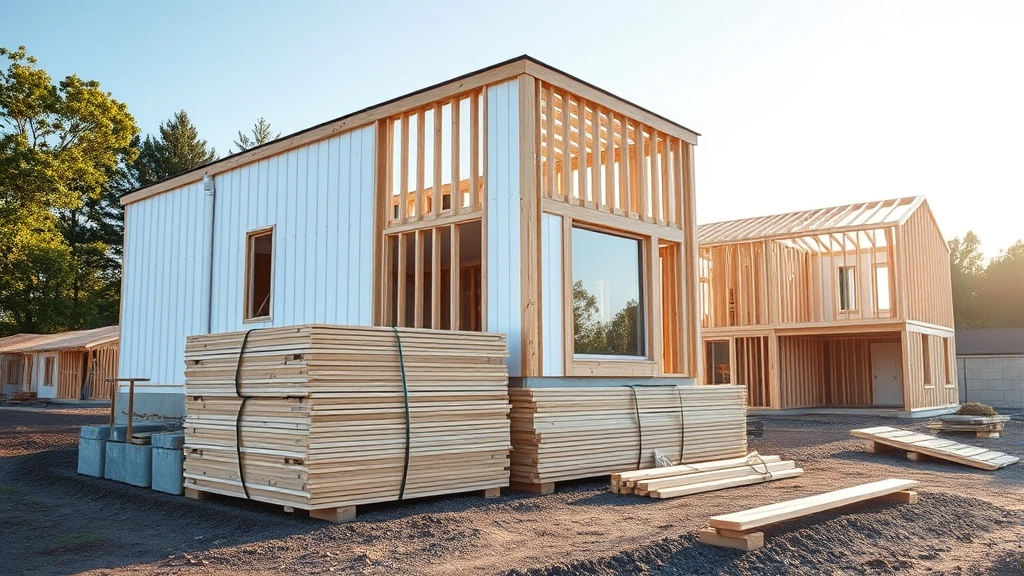
House kits are prefabricated or semi-prefabricated homes that arrive with most materials needed for construction already prepared or partially assembled. Companies like Tiny Home Builders and others in the industry provide detailed blueprints, pre-cut lumber, hardware, and comprehensive building instructions. Some kits include everything down to the interior finishes, while others focus primarily on the structural shell.
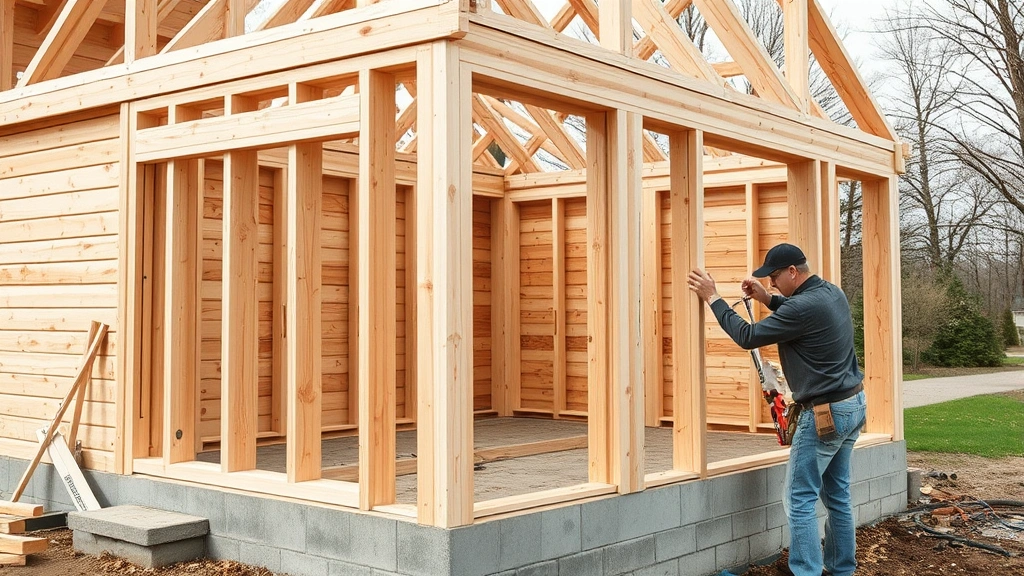
The basic process involves ordering a kit, preparing your foundation, and then assembling the home with either professional help or your own labor. Unlike modular homes that arrive complete and ready to occupy, kit homes require significant assembly work. The level of completion varies dramatically depending on the manufacturer and package you select. Some companies offer fully enclosed shells, while others provide individual components that require more extensive assembly.
Understanding the difference between kit homes and modular homes is crucial. Modular homes are built in a factory under controlled conditions and transported to your site in sections, typically requiring only foundation and utility connections. Kit homes, by contrast, rely heavily on on-site construction, which means weather conditions, labor availability, and local building codes play larger roles in the final outcome.
Cost Comparison: Kit Homes vs. Traditional Construction
One of the primary attractions of house kits is the promise of cost savings. A typical kit home might cost between $50,000 and $150,000 for the kit itself, depending on size and complexity. Compare this to traditional stick-built homes where labor often comprises 30-40% of total construction costs. For homeowners exploring houses for sale under 400k, kit homes can provide an attractive entry point.
However, the true cost picture extends beyond the kit price. You must factor in:
- Foundation preparation – typically $10,000-$30,000 depending on soil conditions and local requirements
- Labor costs – if you’re not building it yourself, hiring skilled workers can run $30,000-$80,000
- Utilities and infrastructure – electrical, plumbing, and HVAC installation often costs $15,000-$40,000
- Permits and inspections – varies by location but typically $2,000-$10,000
- Finishing materials – interior fixtures, flooring, and paint can add $20,000-$60,000
According to the National Association of Realtors, the average cost per square foot for new construction in 2024 ranges from $150-$300, depending on region and quality. Many kit homes fall in the lower range, but when you add labor and finishing costs, the final per-square-foot price often approaches traditional construction costs.
The real savings emerge when you provide your own labor or have access to affordable skilled workers. If you’re handy and willing to invest significant personal time, kit homes can deliver genuine cost advantages of 15-25% compared to traditional construction.
Time Efficiency and Construction Timeline
Kit homes promise faster construction timelines, and this claim generally holds merit—with caveats. A traditional home might take 6-12 months from foundation to completion, while a kit home can potentially be weathered in within 3-6 months. This acceleration occurs because factory-prepared components eliminate many on-site delays related to material delivery and cutting.
However, the overall timeline depends heavily on several factors:
- Foundation preparation – must be completed before kit assembly begins
- Weather conditions – assembly cannot proceed safely during heavy rain or extreme cold
- Permit approval – delays here affect your entire schedule
- Inspection timing – local building departments may require inspections at multiple stages
- Utility connections – scheduling with contractors for electrical, plumbing, and gas work
Many homeowners discover that while the assembly phase moves quickly, the finishing phase takes just as long as traditional construction. Installing drywall, electrical systems, plumbing, and interior fixtures cannot be rushed regardless of whether you’re building from a kit or traditional plans. When calculating time savings, realistic estimates suggest 2-4 months of genuine acceleration, not the 6-month differences sometimes marketed.
Quality and Durability Concerns
The quality of house kits varies significantly among manufacturers. Premium kit companies maintain rigorous quality control and use materials comparable to or better than typical stick-built homes. Budget kit providers sometimes cut corners on lumber grade, fastening methods, and component tolerances.
Builder insights reveal several quality considerations:
Material Consistency – Factory-cut components eliminate human error in measurements, potentially improving precision. However, poor-quality lumber or inferior fastening hardware can compromise structural integrity. Always verify that kit manufacturers use pressure-treated lumber where appropriate and quality-grade materials throughout.
Assembly Challenges – Kit homes place significant responsibility on the builder. Improper assembly can create structural weaknesses, water infiltration, and thermal bridging issues. Unlike modular homes built in controlled factory environments, kit assembly occurs on-site where weather and worker skill levels introduce variables.
Long-term Durability – Homes built from kits can last 50+ years when properly constructed and maintained, just like traditional homes. However, corners cut during assembly often emerge as problems within 5-10 years. Foundation settling, framing misalignment, and insulation gaps can lead to costly repairs.
Reviewing third-party inspection reports and builder references provides insight into actual quality. Some kit home manufacturers have established track records spanning decades, while others emerged recently without proven longevity data.
Financing and Mortgage Challenges
One significant obstacle kit home builders face is obtaining financing. Traditional lenders often hesitate to fund kit home construction because the collateral (an unconventional home) doesn’t fit standard appraisal models. Banks prefer established construction methods with comparable sales data for valuation purposes.
Financing options for kit homes include:
- Construction loans – specialized loans that fund the building process; fewer lenders offer these for kit homes
- Personal loans or cash – bypasses the mortgage challenge but requires substantial liquid assets
- Specialized lenders – some credit unions and alternative lenders understand kit home financing
- Manufacturer financing – some kit companies partner with lenders to facilitate buyer financing
The financing challenge directly impacts whether kit homes deliver promised cost savings. If you must pay cash or accept higher interest rates due to lender reluctance, the financial advantage diminishes considerably. When comparing total costs, factor in the interest rate premium you might pay versus a conventional construction loan.
Design Flexibility and Customization
Kit homes come with predetermined designs, which offers both advantages and disadvantages. Pre-designed homes allow manufacturers to optimize material efficiency and reduce costs. However, customization typically requires significant additional expense.
Most kit companies offer limited customization options such as:
- Interior wall configurations (non-structural walls)
- Window and door locations (within structural parameters)
- Exterior finish materials and colors
- Roof pitch variations
- Foundation type selections
Major structural modifications—expanding room sizes, changing the overall footprint, or altering the roof design—often cost as much as building a custom home from scratch. If you have specific design requirements or architectural preferences, the customization costs may eliminate kit home financial advantages.
For buyers seeking specific features, exploring luxury homes for sale or hiring an architect for custom design might prove more cost-effective than purchasing a kit and extensively modifying it. The flexibility trade-off is a critical consideration in the kit home decision.
Resale Value and Market Perception
This is where kit homes face their most significant challenge. The real estate market still views kit homes with skepticism, and this perception directly impacts resale value. Appraisers struggle to find comparable sales for non-standard construction methods, making valuation difficult for both lenders and buyers.
Market research indicates that kit homes typically sell for 10-20% less than comparable traditionally-built homes in the same area. This discount reflects buyer concerns about:
- Durability and longevity of non-standard construction
- Difficulty obtaining financing for purchase
- Limited contractor familiarity with kit home repairs
- Uncertainty about hidden assembly defects
- Home appraisal vs inspection complications specific to kit homes
If building a kit home intending to sell within 10 years, the resale discount likely outweighs construction cost savings. Kit homes make better sense as long-term owner-occupied residences where you enjoy the cost benefits without facing the resale penalty.
Understanding how to calculate ROI in real estate becomes crucial when evaluating kit homes as investments. The lower initial cost must be weighed against reduced appreciation potential and resale challenges.
Regulatory and Zoning Issues
Kit homes often encounter regulatory obstacles that traditional construction avoids. Many jurisdictions have building codes and zoning restrictions that don’t accommodate prefabricated or kit home construction. Some municipalities require:
- All construction to be completed by licensed contractors
- Structural certifications from registered engineers
- Specific building material approvals
- Owner-builder restrictions limiting DIY construction
Before committing to a kit home purchase, verify local building department regulations. Some areas enthusiastically embrace kit homes and streamline permitting, while others create obstacles that add months to timelines and thousands to costs.
Zoning restrictions present another consideration. Some residential zones prohibit manufactured or prefabricated homes, or restrict them to specific areas. Verify zoning compliance before purchasing land and kit, as discovering incompatibility late in the process creates expensive problems.
The regulatory landscape is evolving, with more jurisdictions recognizing kit homes as legitimate construction methods. However, variability across regions means thorough due diligence is essential.
Understanding the advantages of owning a home includes recognizing that regulatory compliance and local acceptance impact the true ownership experience. Kit homes in progressive jurisdictions with established kit home communities offer smoother ownership experiences than those in areas unfamiliar with the building method.
FAQ
How much can I save by choosing a house kit instead of traditional construction?
Realistic savings typically range from 15-25% of total construction costs if you provide significant labor yourself. If hiring contractors for assembly and finishing, savings may be minimal or nonexistent once you factor in all expenses. The kit price alone is only part of the total cost equation.
Are house kits suitable for first-time builders?
Some kit homes are designed for DIY builders with detailed instructions and straightforward assembly. However, structural components, electrical work, and plumbing typically require licensed professionals regardless of your experience level. Assess honestly whether you have the skills, time, and physical capability for the work involved.
Will a bank finance a kit home purchase?
Traditional lenders often decline kit home construction loans due to valuation challenges. However, specialized lenders, credit unions, and some manufacturers’ financing programs may offer options. Expect higher interest rates or stricter requirements than conventional construction loans. Pre-approval from a lender familiar with kit homes before purchasing is advisable.
How long does it take to build a house kit?
Assembly of the kit itself typically takes 2-4 months with adequate labor. However, foundation preparation, permits, inspections, and finishing work can extend the total timeline to 6-12 months—similar to traditional construction. The time advantage is smaller than manufacturers often suggest.
Do kit homes hold their value?
Kit homes typically appreciate more slowly than traditional homes and may face 10-20% resale discounts. If you plan to stay long-term, this matters less. For investment properties or homes you’ll sell within a decade, the resale challenges are significant considerations.
What types of house kits are available?
Options range from tiny homes (under 500 sq ft) to full-size residences (3,000+ sq ft). Styles include modern designs, rustic cabins, Scandinavian homes, and traditional architecture. Research manufacturers specializing in your preferred style and size range.
Are there hidden costs I should know about?
Yes. Beyond the kit price, factor in foundation work, permits, inspections, labor (if not DIY), utilities, interior finishing, and contingency reserves (10-15% for unexpected issues). Many builders underestimate total costs by 20-30% initially.