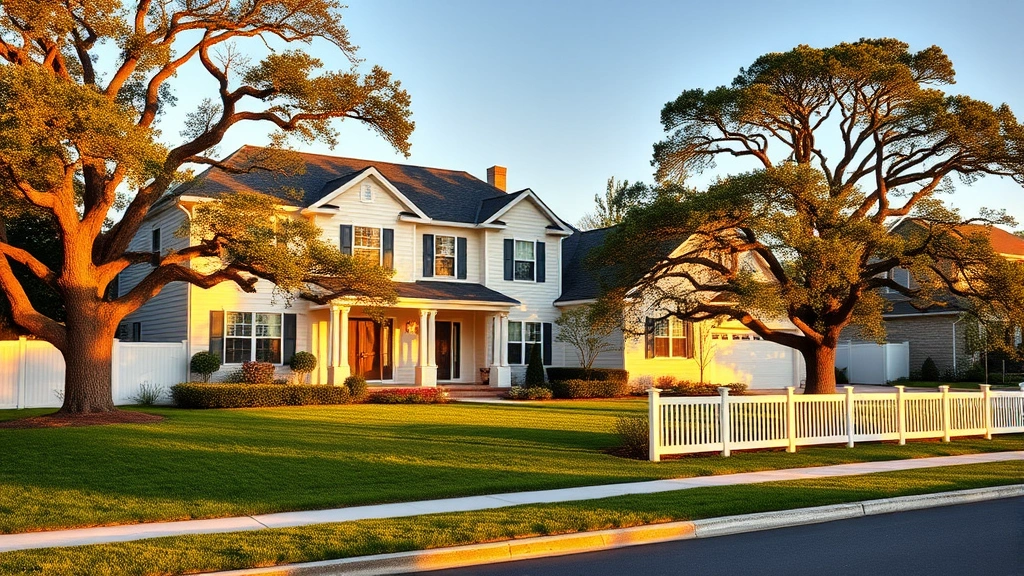
Sanford NC Homes: What Buyers Need to Know – Realtor Tips
Sanford, North Carolina has emerged as a compelling destination for homebuyers seeking an affordable yet vibrant community in the Piedmont region. Located in Lee County between Raleigh and Charlotte, Sanford offers a unique blend of small-town charm, economic opportunity, and accessibility to major metropolitan areas. Whether you’re a first-time homebuyer, investor, or family looking to relocate, understanding the Sanford real estate market is essential for making an informed decision about houses for sale in Sanford NC.
The Sanford housing market has experienced steady growth over the past several years, with increasing demand from buyers attracted to competitive pricing, developing infrastructure, and a strong sense of community. This comprehensive guide will walk you through everything you need to know before purchasing a home in this dynamic market, including current market conditions, neighborhoods worth exploring, price ranges, and expert tips from local real estate professionals.
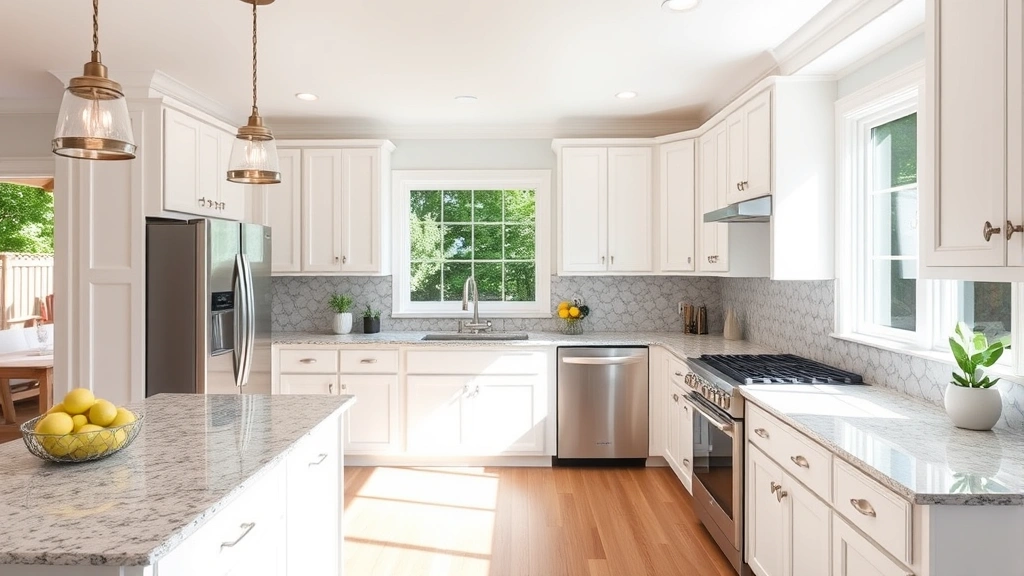
Sanford Real Estate Market Overview
The Sanford real estate market reflects broader trends in North Carolina’s Piedmont region, characterized by moderate appreciation, reasonable inventory levels, and competitive buyer interest. According to recent National Association of Realtors data, the North Carolina housing market continues to attract buyers seeking value and community stability. Sanford specifically benefits from its strategic location, growing job market, and improving schools.
Median home prices in Sanford have remained substantially lower than comparable markets in Raleigh or Charlotte, making it an attractive option for budget-conscious buyers. The market typically sees healthy inventory levels, particularly in the $300k-$500k range, though seasonal variations occur. Understanding these market dynamics helps buyers identify the optimal timing for their purchase and negotiate effectively with sellers.
Interest rate fluctuations significantly impact buyer purchasing power in Sanford. When rates decline, demand typically increases, leading to faster-selling homes and potentially higher prices. Conversely, higher rates can create opportunities for negotiation and longer listing periods. Monitoring current mortgage rates through Zillow’s mortgage rate tracker helps buyers understand their real purchasing capacity and plan accordingly.
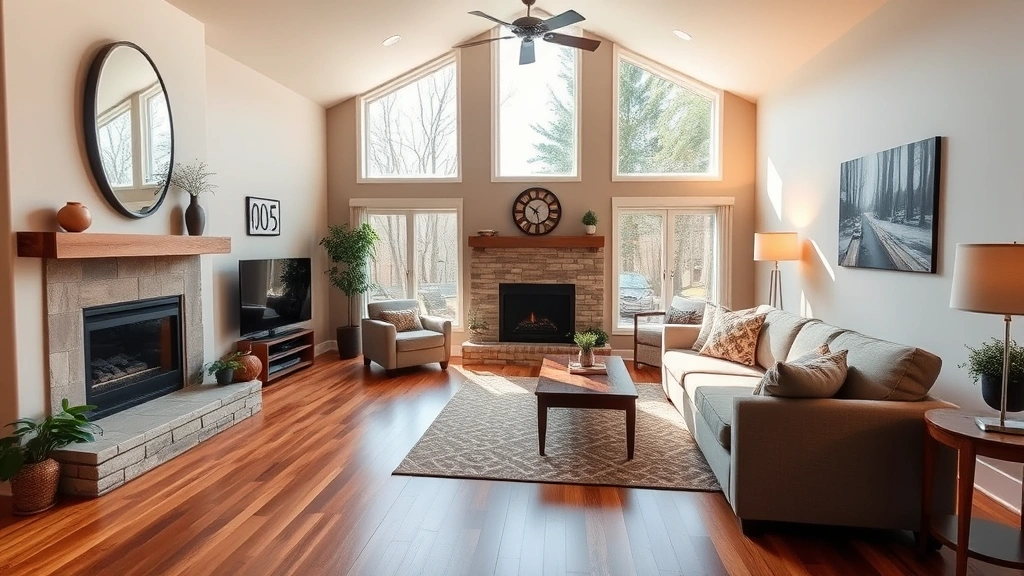
Popular Neighborhoods in Sanford
Sanford comprises several distinct neighborhoods, each offering unique characteristics and appeal to different buyer profiles. The downtown historic district features charming renovated homes with architectural character, appealing to buyers seeking walkable communities and proximity to local businesses. These properties often range from $250k to $450k and attract both primary residence buyers and investors interested in fixer upper houses for sale.
The residential areas surrounding White Deer Park provide excellent family-oriented neighborhoods with newer construction and established communities. These neighborhoods typically feature well-maintained homes, good school access, and recreational amenities. Prices in these areas generally range from $350k to $550k, making them ideal for families seeking modern homes with updated systems and contemporary finishes.
West Sanford neighborhoods offer a mix of mid-range homes with good value propositions. These areas attract investors and families looking for homes with renovation potential or solid foundations for primary residence. The proximity to employment centers and shopping districts makes West Sanford increasingly popular among commuters.
The Sanford-Lee County area also includes newer development communities featuring homes with modern construction standards and energy-efficient features. These neighborhoods often include planned community amenities such as pools, fitness centers, and community spaces, appealing to buyers seeking organized residential environments.
Price Ranges and Budget Considerations
Understanding available price ranges helps buyers narrow their search and identify properties matching their financial situation. Sanford offers excellent options across multiple price tiers, from starter homes to luxury properties.
Under $300k: This segment includes starter homes, condos, and properties requiring renovation. Perfect for first-time buyers or investors seeking houses for sale under $400k. Many properties in this range offer solid bones with cosmetic updates needed or newer construction in developing areas.
$300k-$450k: The most active market segment in Sanford, featuring well-maintained homes in established neighborhoods, newer construction with modern amenities, and properties with good investment potential. This range attracts diverse buyers from young families to downsizers.
$450k-$600k: Premium homes in desirable neighborhoods, larger properties with acreage, and newer construction with luxury finishes. Buyers at this level often seek houses for sale under $500k with exceptional features or strategic locations.
Above $600k: Luxury properties, estates with significant acreage, and premium homes in the most sought-after neighborhoods. These properties often feature custom construction, premium locations, and unique characteristics commanding higher prices.
Before beginning your search, get pre-approved for a mortgage to understand your actual buying power. Your credit score, debt-to-income ratio, down payment amount, and current interest rates all influence how much home you can afford. Most lenders recommend spending no more than 28-30% of gross monthly income on mortgage payments, though individual circumstances vary.
What to Look For When Touring Homes
Effective home touring requires systematic evaluation beyond emotional responses to décor or staging. Develop a checklist addressing structural integrity, mechanical systems, and long-term value considerations. Following a buying a house checklist ensures comprehensive property evaluation and prevents overlooking critical issues.
Begin with exterior inspection, examining the roof’s condition, checking for missing shingles or deterioration, assessing gutters and downspouts, and evaluating the foundation for cracks or settling. Look at siding condition, checking for rot, damage, or maintenance needs. Verify that windows operate smoothly and examine weatherstripping and caulking.
Interior systems deserve careful attention. Test water pressure, check for stains indicating leaks, inspect cabinets under sinks for moisture, and verify that appliances function properly. Examine HVAC systems, looking for maintenance records and estimating remaining lifespan. Check electrical panels for outdated systems like aluminum wiring, which may require expensive updates.
Structural elements require scrutiny. Look for sagging floors or ceilings, inspect walls for cracks, check basements for water damage or moisture, and examine attic conditions for adequate ventilation and insulation. Ask the seller about previous repairs, water damage, pest issues, or foundation problems.
Once you identify a promising property, schedule a professional home inspection before finalizing your offer. Understanding the home appraisal vs inspection differences clarifies that inspections evaluate condition while appraisals determine market value—both are essential components of the purchase process.
Getting Pre-Approved for a Mortgage
Mortgage pre-approval is fundamental to successful homebuying in Sanford. This process involves a lender reviewing your financial information, credit history, and income verification to determine how much they’ll lend and at what rate. Pre-approval demonstrates to sellers that you’re a serious buyer capable of closing, providing significant advantage in competitive situations.
Gather documentation before applying: recent pay stubs, W-2s or tax returns, bank statements, and information about existing debts. Lenders examine your credit score, debt-to-income ratio, employment history, and down payment amount. Most conventional loans require 3-20% down payment, though FHA loans accept 3.5% down with mortgage insurance.
Compare offers from multiple lenders, including banks, credit unions, and mortgage brokers. Each may offer different rates, fees, and terms. Even slight rate differences significantly impact your total interest paid over the loan’s life. Lock your rate once you find favorable terms, protecting yourself from rate increases during the home search process.
Consider loan types carefully. Conventional loans typically offer better rates for well-qualified borrowers but require stronger credit and larger down payments. FHA loans accommodate lower credit scores and down payments but include mortgage insurance costs. VA and USDA loans offer benefits for military members and rural property buyers, respectively.
Working with a Local Real Estate Agent
A knowledgeable local real estate agent becomes invaluable when navigating the Sanford housing market. Experienced agents understand neighborhood dynamics, pricing trends, school quality, and community features that affect property values. They provide access to the MLS (Multiple Listing Service), showing all available properties and historical sales data for informed decision-making.
Your agent handles negotiations, representing your interests and ensuring favorable contract terms. They coordinate inspections, appraisals, and closing logistics, managing complex timelines and documentation. In Sanford’s market, having an agent familiar with local title companies, inspectors, and closing procedures streamlines the entire process.
When selecting an agent, interview multiple candidates, asking about their Sanford market experience, recent sales, client references, and negotiation strategies. Choose someone who listens to your priorities, respects your timeline, and provides honest market assessments rather than inflated valuations. The right agent guides you toward properties matching your needs and budget rather than pushing inappropriate options.
Investment Opportunities in Sanford
Beyond primary residence purchases, Sanford presents attractive investment opportunities for real estate investors. The market’s affordable entry prices, growing population, and improving infrastructure create favorable conditions for various investment strategies.
Buy-and-hold investors can acquire properties, rent them to tenants, and benefit from appreciation over time. Sanford’s rental market remains relatively strong, with demand from young professionals, families, and students. Calculate potential rental income carefully, accounting for vacancy rates, maintenance costs, property taxes, insurance, and management fees. A well-selected property might generate 5-8% annual returns through rental income plus appreciation.
Fix-and-flip investors can purchase undervalued properties, renovate them strategically, and sell for profit. Sanford offers numerous opportunities for house flipping business plan execution, particularly in neighborhoods experiencing revitalization. Successful flipping requires accurate cost estimation, realistic timeline planning, and understanding your target market’s preferences.
Wholesalers can identify discounted properties and assign contracts to other investors for a fee, requiring minimal capital but significant market knowledge. This strategy works well in markets with active investor communities and consistent deal flow.
Before pursuing any investment strategy, thoroughly analyze your local market, understand financing requirements, account for all costs including holding expenses, and ensure realistic profit projections. Investment properties require different financing than primary residences, typically requiring 20-25% down payment and demonstrating rental income potential.
FAQ
What is the average home price in Sanford, NC?
As of 2024, average home prices in Sanford range from $300k to $450k, though prices vary significantly by neighborhood and property condition. Zillow listings for Sanford provide current market data and recent sales prices in specific neighborhoods.
Is Sanford a good place to buy a home?
Sanford offers excellent value for buyers seeking affordable homes in a growing community with reasonable cost of living. The market suits first-time homebuyers, families, and investors. However, individual suitability depends on your priorities regarding location, schools, employment, and community amenities.
How long do homes typically stay on the market in Sanford?
Market time varies seasonally and by price range. Homes priced competitively typically sell within 30-60 days in Sanford’s current market. Overpriced properties or those requiring significant repairs may stay listed longer, providing negotiation opportunities.
Should I buy a home in Sanford now or wait?
This decision depends on your personal circumstances rather than perfect market timing. If you need housing, found a suitable property at fair price, and can afford payments comfortably, buying now makes sense. Waiting for ideal market conditions often means missing available properties. Consult with a local agent about current market conditions and your specific situation.
What neighborhoods are most family-friendly in Sanford?
Neighborhoods near White Deer Park, newer development communities, and West Sanford areas offer excellent family amenities, good schools, and community features. Your local real estate agent can provide detailed information about specific neighborhoods matching your family’s priorities.
How important is a home inspection in Sanford?
Home inspections are crucial for any purchase, revealing structural issues, mechanical problems, and necessary repairs before closing. In Sanford’s market with varied property ages and conditions, inspections protect your investment and prevent expensive surprises after purchase.
Can I find investment properties in Sanford?
Yes, Sanford offers numerous investment opportunities at affordable prices. The market includes properties suitable for rentals, fix-and-flip projects, and wholesaling. Work with an agent experienced in investment properties to identify deals matching your strategy and financial goals.
What are closing costs in North Carolina?
North Carolina closing costs typically range from 2-5% of purchase price, including title insurance, appraisal, inspections, and attorney fees. Your lender provides a Closing Disclosure statement detailing all costs before closing. Budget accordingly when calculating total purchase expenses.