Ranch Style Homes: Buyer’s Guide & Expert Tips
Ranch style houses represent one of America’s most beloved architectural traditions, offering timeless appeal and practical living spaces that continue to attract homebuyers across the nation. Whether you’re searching for a ranch style house for sale in your local market or considering this classic design for your next home, understanding the unique characteristics, advantages, and investment potential of ranch homes is essential to making an informed decision.
Ranch style architecture emerged in the 1930s and gained tremendous popularity throughout the post-World War II era, particularly in suburban communities. These single-story homes are characterized by their low-pitched roofs, open floor plans, and seamless connection between indoor and outdoor living spaces. Today, ranch homes remain highly desirable for families, retirees, and first-time buyers seeking affordability, accessibility, and charm without sacrificing modern comfort.
This comprehensive guide explores everything you need to know about ranch style homes, from identifying key architectural features to evaluating investment potential and navigating the current market landscape. Whether you’re a seasoned real estate investor or a first-time homebuyer, our expert insights will help you make confident decisions in the ranch home market.
Defining Ranch Style Architecture
Ranch style architecture represents a distinctly American design philosophy that prioritizes functionality, simplicity, and harmony with the landscape. Originating in California during the 1930s, the ranch style drew inspiration from Spanish colonial haciendas and the working ranches of the American West, blending these influences with modern suburban sensibilities.
The fundamental principle behind ranch design is creating comfortable, efficient homes that maximize usable living space while minimizing unnecessary complexity. Unlike Victorian or colonial homes that emphasize vertical space and intricate detailing, ranches celebrate horizontal lines, open layouts, and direct connections to outdoor areas. This architectural philosophy proved revolutionary for post-war America, offering affordable homeownership to millions of families seeking to build lives in expanding suburbs.
The beauty of ranch style lies in its adaptability. From modest three-bedroom starter homes to sprawling estates with multiple wings and luxury amenities, ranch architecture accommodates diverse needs and preferences. Whether you’re exploring 5-bedroom ranch homes or cozy two-bedroom cottages, you’ll find the same core design principles that make ranches so appealing to modern homebuyers.
Key Characteristics of Ranch Homes
Understanding the distinctive features of ranch style homes helps buyers identify authentic examples and appreciate what makes these properties special. Several defining characteristics consistently appear in well-designed ranch homes:
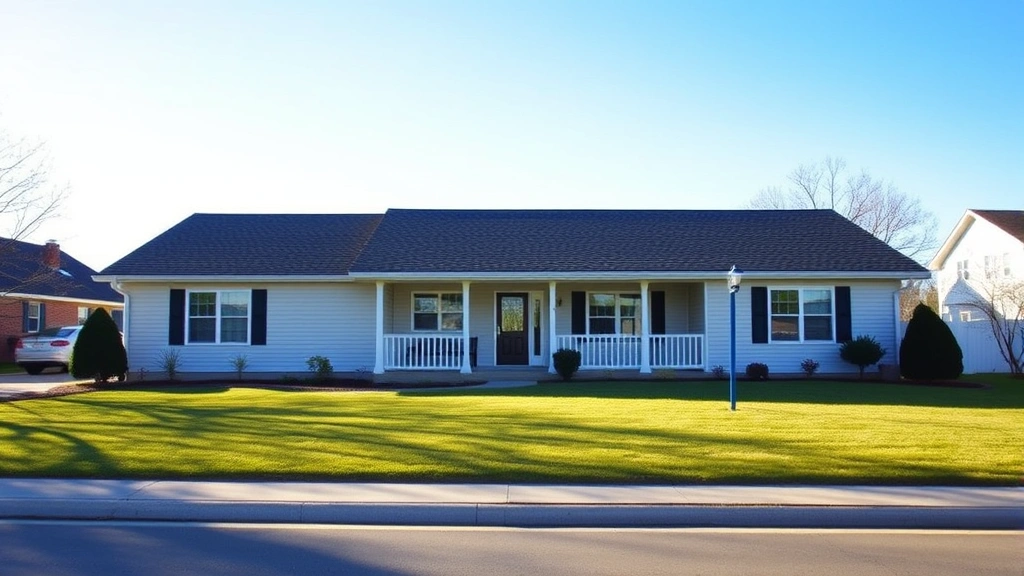
- Single-Story Construction: The most recognizable feature of traditional ranch homes is their single-level design, eliminating stairs and making homes accessible for families with young children or aging parents. This layout also simplifies maintenance and reduces heating and cooling costs compared to multi-story homes.
- Low-Pitched Roofs: Ranch homes feature shallow roof slopes that emphasize horizontal lines and create a grounded appearance. These roofs are practical, requiring less structural support than steep pitches while still providing adequate weather protection.
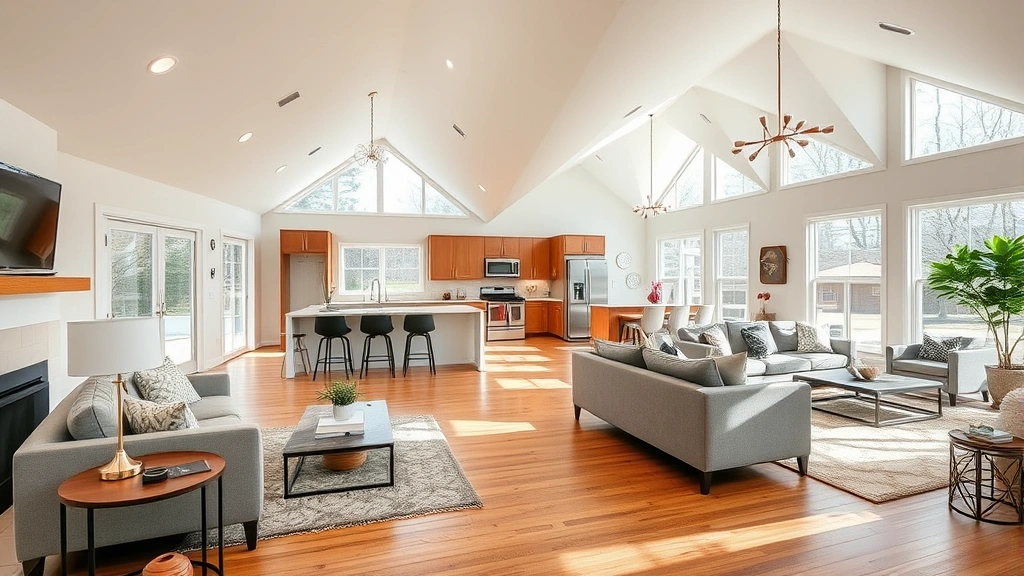
- Open Floor Plans: Rather than compartmentalizing spaces, ranches often flow seamlessly from living areas to kitchens to dining spaces, creating a sense of spaciousness and facilitating family interaction and entertaining.
- Large Windows: Extensive windows flood ranch interiors with natural light while blurring the boundary between indoor and outdoor living. This feature reduces dependence on artificial lighting and creates visual connections to landscaping and outdoor spaces.
- Covered Porches and Patios: Extended eaves and covered outdoor areas provide sheltered spaces for relaxation, entertaining, and transitioning between interior and exterior environments throughout the year.
- Attached Garages: Most ranch homes feature integrated garages, offering convenient vehicle storage and direct interior access, a practical feature that became increasingly important as automobile ownership grew.
- Horizontal Lines and Simple Geometry: Ranch design emphasizes horizontal elements through extended rooflines, bands of windows, and linear siding patterns that make homes appear to nestle into their landscapes rather than dominate them.
These architectural elements work together to create homes that feel both spacious and intimate, modern and timeless. When evaluating potential ranch properties, look for these features as indicators of authentic design and quality construction.
Advantages of Owning Ranch Style Homes
Ranch style homes offer numerous practical and financial advantages that explain their enduring popularity among diverse buyer demographics. Understanding these benefits helps you evaluate whether a ranch home aligns with your lifestyle and investment goals.
Accessibility and Aging in Place: Single-story living eliminates stairs, making ranch homes ideal for families with mobility challenges, elderly residents, and anyone seeking to age in place without future renovations. This accessibility also appeals to young families with small children, reducing safety concerns and simplifying daily routines.
Lower Construction and Maintenance Costs: Single-story construction requires less complex framing and roofing than multi-story homes, reducing initial building costs. Additionally, maintaining one level of exterior siding, roofing, and landscaping costs less than caring for multiple stories and more complex architectural elements.
Energy Efficiency: Ranches typically have smaller exterior wall surfaces relative to their square footage compared to vertical homes, reducing heating and cooling demands. Open floor plans allow air circulation to work more efficiently, while the typically modest ceiling heights minimize the volume of space requiring temperature control.
Entertaining and Family Living: Open layouts and seamless indoor-outdoor connections make ranches exceptional for entertaining and family gatherings. The ability to watch children playing outside while preparing meals, combined with easy access to patios and yards, creates ideal environments for modern family life.
Affordability: Compared to other architectural styles, ranches often provide excellent value, particularly in the used home market where decades-old examples remain structurally sound and functionally current. Many buyers find ranch homes available under $300k, making homeownership accessible to first-time buyers and those with modest budgets.
Adaptability and Customization: The simple geometric forms and open layouts of ranch homes make them excellent candidates for renovations and expansions. Owners can easily modify spaces, add features, or extend the home without compromising the original design integrity.
Budget Considerations and Price Points
Ranch style home prices vary significantly based on location, size, condition, and market dynamics. Understanding pricing patterns helps you identify opportunities and allocate your budget effectively.
Entry-level ranch homes typically range from $150,000 to $300,000, offering two to three bedrooms and approximately 1,200 to 1,500 square feet. These properties appeal to first-time buyers, young families, and investors seeking affordable rental properties. Many entry-level ranches date from the 1960s through 1980s and may require cosmetic updates or system improvements, but their fundamental soundness and desirable locations often justify the investment.
Mid-range ranch homes, priced between $300,000 and $600,000, typically feature four bedrooms, expanded square footage, and improved conditions. These properties may include recent updates, upgraded systems, and desirable neighborhood locations. This segment appeals to growing families and buyers seeking move-in ready conditions without premium luxury pricing.
Luxury ranch homes represent the premium segment, with luxury ranch properties commanding $600,000 and beyond. These exceptional examples often feature architectural significance, extensive renovations, premium finishes, and desirable locations. Some luxury ranches span 3,000+ square feet with multiple wings, high-end appliances, and sophisticated entertaining spaces.
Price variations reflect regional market conditions, neighborhood desirability, and individual property characteristics. Researching current real estate market outlook trends helps you understand whether conditions favor buyers or sellers in your target market.
Location and Market Trends
Ranch home popularity varies geographically, with particularly strong markets in the Midwest, California, Arizona, Texas, and Florida. Understanding regional trends helps you identify promising markets and evaluate long-term investment potential.
Midwest Markets: States like Illinois, Ohio, and Michigan feature abundant ranch homes from the post-war building boom. These markets typically offer excellent value and stable appreciation, making them attractive for both primary residence purchases and investment properties.
Southwest Growth: Arizona and New Mexico experienced significant ranch home construction during the 1960s and 1970s, creating substantial inventories of well-maintained examples. Low humidity in these regions preserves structural integrity, and ongoing population growth supports property values.
California Legacy: As the birthplace of ranch architecture, California maintains high demand for quality ranch homes, particularly in desirable coastal communities and established suburban neighborhoods. California ranches command premium prices reflecting both historical significance and location desirability.
Texas Expansion: Texas’s rapid population growth and sprawling suburbs created ideal conditions for ranch home development. Modern ranch communities continue to develop, offering new construction alongside established neighborhoods featuring classic examples.
Current market trends increasingly favor ranch homes as buyers reassess their priorities. Post-pandemic, many families prefer single-story living that eliminates stairs, simplifies cleaning, and facilitates aging in place. Younger buyers appreciate ranch homes’ affordability compared to contemporary construction, while downsizing seniors value accessibility and lower maintenance demands.
Renovation and Modernization Potential
Many ranch homes offer significant potential for strategic renovations that enhance functionality, aesthetics, and market value. Understanding renovation opportunities helps you evaluate properties and plan improvements.
Kitchen and Bath Updates: Most ranch homes from the 1960s-1980s feature dated kitchens and bathrooms. Modern renovations incorporating contemporary appliances, cabinetry, and fixtures dramatically improve daily living quality and property appeal. Quality kitchen updates typically return 50-60% of investment through increased home value.
Flooring Improvements: Replacing original vinyl or worn carpet with durable hardwood, luxury vinyl plank, or quality tile transforms ranch interiors while improving durability and maintenance requirements. These updates work throughout open floor plans, creating visual continuity.
Roof and System Upgrades: Many mid-century ranches need roof replacement or HVAC system updates. While these improvements lack visual impact, they’re essential for protecting your investment and ensuring comfort. Budget-conscious buyers can negotiate prices based on needed system work.
Exterior Enhancements: Updated siding, fresh paint, landscaping improvements, and modern lighting transform ranch exteriors. These visible improvements significantly impact curb appeal and first impressions without requiring extensive structural work.
Expansion Possibilities: Ranch layouts accommodate various expansion strategies, from master suite additions to expanded family rooms. The single-story configuration makes additions more feasible and affordable than adding upper floors to traditional homes.
Before purchasing a ranch home requiring updates, research property photography and presentation best practices to understand how improvements can showcase your investment to future buyers.
Comparing Ranch Homes to Other Styles
Understanding how ranch homes compare to other architectural styles helps you make informed decisions aligned with your preferences and goals.
Ranch vs. Colonial: Colonial homes emphasize vertical space with multiple stories, pitched roofs, and formal room divisions. While colonials project traditional elegance, they require more stair navigation and typically cost more to build and maintain. Ranches offer superior accessibility and open living at lower price points.
Ranch vs. Contemporary: Contemporary homes feature modern materials, clean lines, and often maximize vertical space with high ceilings and open atriums. Contemporary construction typically costs more than comparable ranch square footage, though contemporary designs appeal to buyers seeking cutting-edge aesthetics.
Ranch vs. Mediterranean: Mediterranean-style homes emphasize arched openings, terra cotta tiles, and Spanish colonial influences. These architecturally distinctive homes command premium prices and require specialized maintenance. Ranches offer simpler construction and lower ownership costs.
Ranch vs. Modern Farmhouse: Modern farmhouse blends rustic elements with contemporary comfort, often incorporating two-story designs. While farmhouse aesthetics appeal to many buyers, the style typically costs more to construct and requires more maintenance than traditional ranches.
Ranch homes occupy a unique market position, offering superior value and accessibility compared to most alternative styles while maintaining timeless appeal that transcends design trends.
Finding Your Perfect Ranch Home
Successfully navigating the ranch home market requires strategic planning and informed decision-making. Follow these expert recommendations to find properties that meet your needs and represent sound investments.
Define Your Priorities: Before beginning your search, clarify your must-have features, budget parameters, and location preferences. Determine whether you prioritize move-in ready conditions or whether you’re comfortable with renovation projects. Understanding your timeline for occupancy helps you evaluate properties realistically.
Research Market Conditions: Study local market data including average prices, days on market, and inventory levels. Understanding whether you’re buying in a buyer’s or seller’s market informs your negotiation strategy and helps you identify genuine opportunities versus overpriced listings.
Inspect Thoroughly: Ranch homes may appear deceptively simple, but thorough inspections reveal potential issues with foundations, roofing, plumbing, and electrical systems. Hire qualified inspectors to evaluate structural integrity and system functionality before making offers.
Consider Long-Term Appreciation: While location is always critical, evaluate neighborhood trends, planned development, and community amenities that support long-term property value appreciation. Properties in established neighborhoods with strong schools and convenient services typically appreciate more reliably.
Calculate Total Ownership Costs: Beyond purchase price, consider property taxes, insurance, maintenance, and utilities. Understanding how to calculate property tax obligations helps you budget accurately and identify properties with reasonable tax burdens.
Work with Experienced Agents: Real estate professionals specializing in ranch homes understand market nuances, pricing patterns, and negotiation strategies specific to this segment. Their expertise helps you avoid overpaying and identify undervalued properties with appreciation potential.
FAQ
What makes ranch style homes different from other architectural styles?
Ranch homes are primarily single-story structures emphasizing horizontal lines, open floor plans, and seamless indoor-outdoor living. Unlike multi-story homes like colonials or victorians, ranches eliminate stairs, reduce exterior maintenance, and typically cost less to construct and maintain. The architectural philosophy prioritizes accessibility, efficiency, and comfort over ornamental complexity.
Are ranch homes good investments?
Ranch homes can be excellent investments, particularly in markets with strong demand and limited inventory. Their affordability, accessibility, and timeless appeal attract diverse buyer demographics. Investment potential depends on location, property condition, and purchase price. Properties in desirable neighborhoods with strong schools and convenient amenities typically appreciate reliably.
What’s the average cost of a ranch home?
Ranch home prices vary significantly by region and market conditions. Entry-level examples typically range from $150,000-$300,000, mid-range properties from $300,000-$600,000, and luxury ranches from $600,000+. Research local market data to understand pricing in your specific area.
Can ranch homes be expanded?
Yes, ranch layouts accommodate various expansion strategies including room additions, master suite expansions, and room reconfigurations. Single-story construction makes additions more feasible and affordable than adding upper floors to traditional homes. Consult architects or contractors to evaluate expansion possibilities for specific properties.
Are ranch homes energy efficient?
Ranch homes are generally energy efficient compared to multi-story alternatives. Single-story construction has smaller exterior wall surfaces relative to square footage, reducing heating and cooling demands. Open floor plans facilitate air circulation, and modest ceiling heights minimize the volume requiring temperature control. System upgrades and insulation improvements can further enhance efficiency.
What should I look for when inspecting a ranch home?
Prioritize inspection of foundations for cracks or settling, roofing condition and remaining lifespan, plumbing and electrical system functionality, HVAC system age and operation, and evidence of water infiltration or moisture problems. Many ranch homes from the 1960s-1980s may need system updates. Professional inspections reveal issues affecting pricing and negotiation strategies.
How do I find ranch homes for sale in my area?
Start by searching online real estate platforms using filters for single-story homes in your target locations and price ranges. Work with local real estate agents specializing in ranch properties to access MLS listings, market insights, and negotiation expertise. Attend open houses to compare properties and understand local market conditions.
What renovation projects add the most value to ranch homes?
Kitchen and bathroom updates typically return 50-60% of investment costs through increased property value. Roof and system replacements, while less visible, are essential for protecting investments and ensuring comfort. Flooring improvements, exterior updates, and strategic expansions also enhance value and appeal.