Container homes have emerged as one of the most intriguing alternatives in the modern real estate market. These innovative dwellings, constructed from repurposed shipping containers, promise affordability, sustainability, and unique architectural appeal. But are they truly worth the investment? This comprehensive guide explores the financial, practical, and lifestyle considerations that will help you determine whether a shipping container house for sale is the right choice for your next property investment.
The container home movement has gained significant momentum over the past decade, transforming industrial materials into livable spaces that challenge conventional housing norms. Whether you’re a first-time homebuyer searching for houses for sale under 300k or an experienced investor seeking unique opportunities, understanding the container home market is essential. Let’s dive deep into what makes these properties distinctive and whether they align with your real estate goals.
What Are Container Homes?
Container homes are residential structures built from shipping containers, typically 20 or 40-foot steel boxes originally designed for maritime cargo transport. These containers are retrofitted with insulation, utilities, windows, doors, and interior finishes to create comfortable living spaces. The concept gained popularity in the early 2000s as architects and builders recognized the potential of repurposing these industrial materials into sustainable housing solutions.
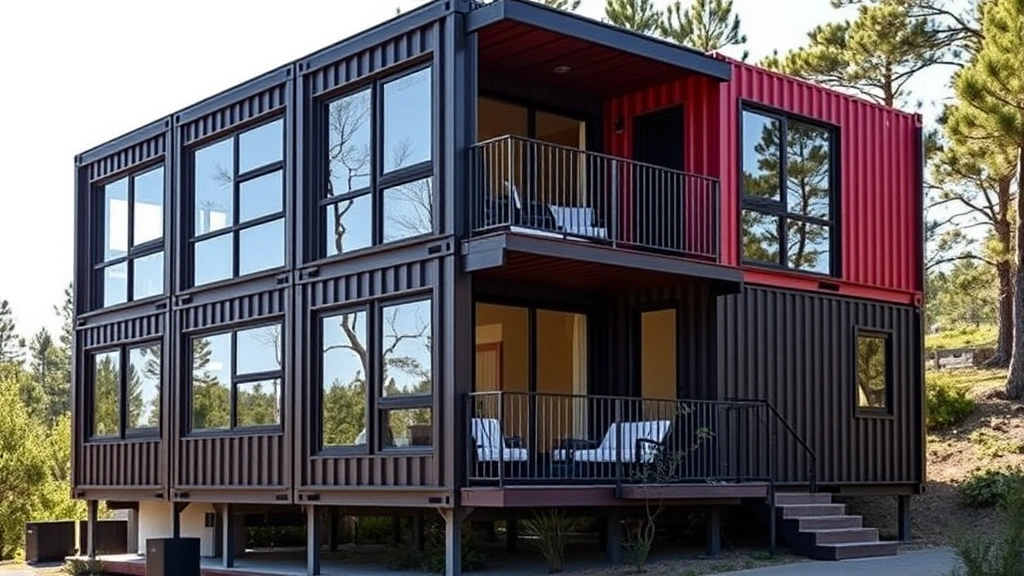
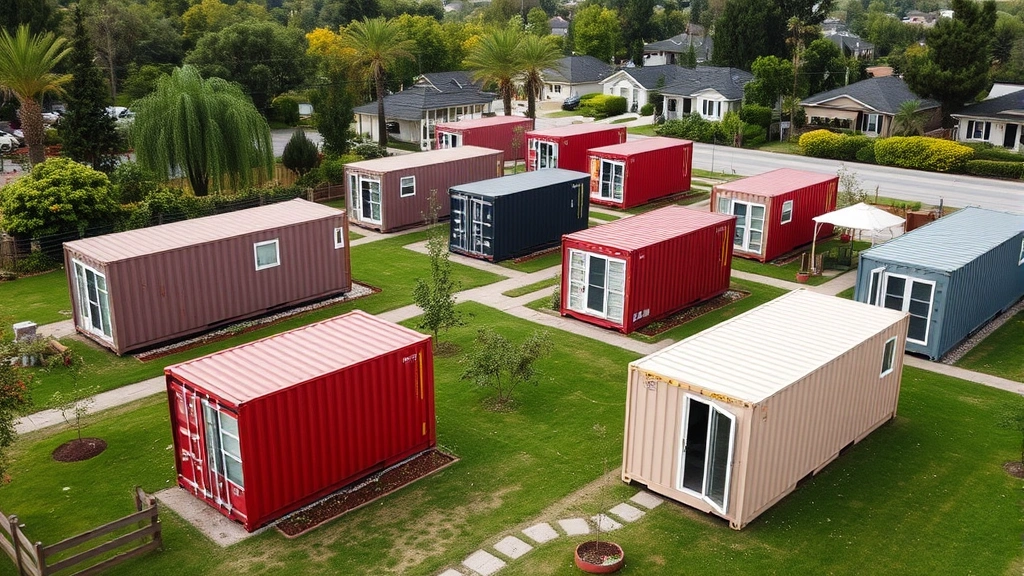
The construction process involves stacking and joining containers, cutting openings for windows and doors, and installing essential systems like plumbing, electrical wiring, and HVAC. Some container homes feature single containers converted into tiny homes, while others stack multiple containers to create larger, multi-level residences. The modular nature of containers allows for creative architectural designs that appeal to homeowners seeking distinctive properties.
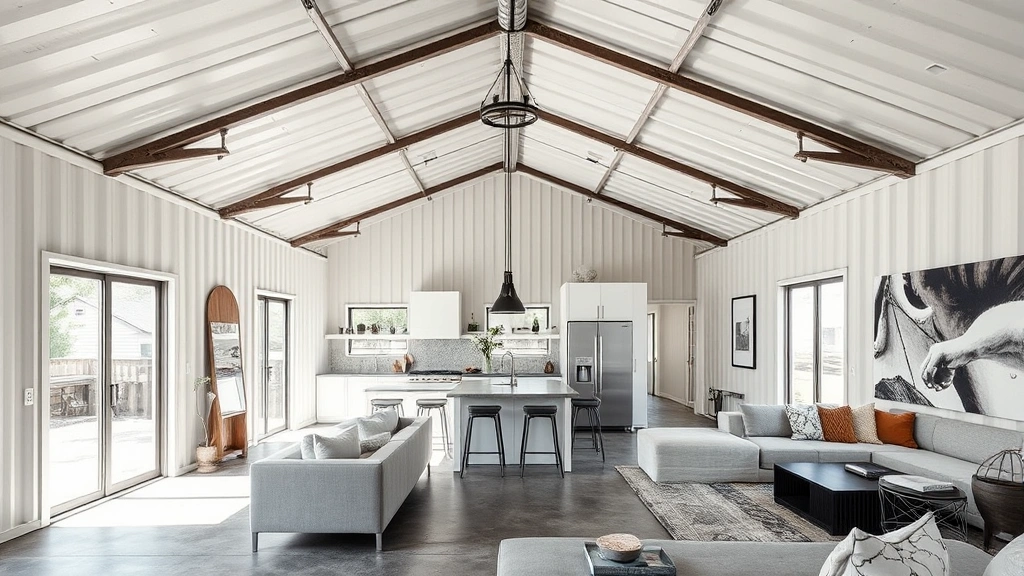
Container homes range from minimalist studio spaces to sprawling family residences. Some feature modern industrial aesthetics, while others blend container construction with traditional materials like wood and stone. This versatility has made container homes attractive to various demographics, from eco-conscious millennials to investors seeking alternative housing solutions.
Cost Analysis and Pricing
One of the primary attractions of container homes is their perceived affordability. A basic container home can cost significantly less than traditional construction, with prices ranging from $50,000 to $200,000 depending on size, location, and customization. However, understanding the true cost structure is crucial before making an investment decision.
The initial container purchase typically costs $3,000 to $8,000 per unit, depending on condition and market availability. However, this represents only a fraction of total project costs. Renovation and customization often range from $50,000 to $150,000 for a single-container studio or $100,000 to $300,000 for multi-container homes. Additional expenses include:
- Site preparation and foundation work: $10,000-$50,000
- Permits and inspections: $2,000-$15,000
- Utility connections: $5,000-$25,000
- Interior finishes: $30,000-$150,000
- Landscaping and exterior work: $5,000-$30,000
When compared to traditional home construction averaging $100-$200 per square foot, container homes can offer savings of 20-40%. However, labor costs in your region, design complexity, and material choices significantly impact final pricing. Consulting with Zillow’s market data and local builders helps establish realistic budget expectations.
The cost-benefit equation improves when container homes are built in areas with high traditional construction costs or limited available land. Rural properties with lower land values often provide better ROI for container home investments than urban locations where land represents a larger percentage of property value.
Key Advantages of Container Living
Sustainability and Environmental Benefits
Container homes represent a form of adaptive reuse, diverting steel containers from landfills and reducing demand for virgin building materials. This environmental consciousness appeals to homeowners prioritizing sustainability. The thermal mass of steel provides natural insulation properties, and many container homes incorporate renewable energy systems like solar panels, further reducing environmental impact. For those interested in sustainable real estate investments, container homes align with growing market trends toward eco-friendly properties.
Affordability and Value
The reduced construction costs associated with container homes make homeownership accessible to budget-conscious buyers. This affordability is particularly relevant when comparing options for affordable homes under specific price points. Lower entry prices also make container homes attractive for investment properties, particularly in emerging neighborhoods where appreciation potential exists.
Design Flexibility and Customization
The modular nature of containers allows architects and builders to create unique, personalized spaces. Whether you prefer minimalist industrial aesthetics or contemporary luxury finishes, container homes adapt to your vision. This flexibility enables homeowners to design spaces perfectly suited to their lifestyles rather than compromising with standard floor plans.
Durability and Structural Integrity
Shipping containers are engineered to withstand extreme conditions, including stacking and maritime transport. Their steel construction provides superior structural integrity compared to traditional wood-frame homes. Container homes resist pest damage, rot, and certain weather impacts better than conventional construction, potentially reducing long-term maintenance costs.
Speed of Construction
Container homes can be constructed faster than traditional homes since the basic structural shell already exists. This accelerated timeline means homeowners can occupy their properties sooner and investors can realize returns on rental properties more quickly. Faster construction also reduces labor costs and project management expenses.
Challenges and Disadvantages
Financing Difficulties
One of the most significant obstacles facing container home buyers is securing traditional mortgage financing. Many lenders view container homes as non-standard construction, making them hesitant to provide conventional loans. This financing challenge can eliminate a major advantage of homeownership—leveraging borrowed capital. Buyers often resort to personal loans, construction loans, or cash purchases, each carrying different terms and implications. Understanding home buying essentials and processes becomes even more critical when pursuing alternative financing for container properties.
Zoning and Regulatory Restrictions
Many municipalities have not updated zoning codes to accommodate container homes, creating legal barriers to construction and ownership. Some jurisdictions prohibit container homes entirely, while others impose strict requirements regarding appearance, setbacks, and construction standards. Before purchasing land for a container home project, thorough real estate legal advice regarding zoning and regulations is essential to avoid costly complications.
Resale Challenges
The niche market for container homes means fewer potential buyers when you decide to sell. Traditional homebuyers may be unfamiliar with container construction or harbor misconceptions about quality and durability. This limited buyer pool can result in longer selling times and potentially lower sale prices than comparable traditional homes. Property appreciation may lag behind conventional homes in the same market.
Insulation and Climate Concerns
Steel conducts heat and cold efficiently, meaning inadequate insulation can result in uncomfortable temperature fluctuations and high energy bills. Proper insulation installation is critical but adds significant cost. Container homes in extreme climates require robust climate control systems, potentially offsetting affordability advantages.
Customization Costs
While container homes offer design flexibility, extensive customization quickly escalates expenses. Cutting large openings for windows and doors weakens the container structure, requiring reinforcement. Complex designs involving multiple containers, curved walls, or integrated features can approach or exceed traditional construction costs while maintaining the stigma of non-standard construction.
Rust and Maintenance Issues
Containers treated with hazardous chemicals during their shipping life require thorough cleaning and remediation. Even food-grade containers need inspection and preparation. Without proper maintenance, rust can develop, compromising structural integrity. Long-term durability depends on quality construction and regular maintenance.
Financing and Mortgages for Container Homes
Securing financing for a container home requires creativity and persistence. Traditional mortgage lenders typically require homes to meet established construction standards and have comparable sales data for valuation. Container homes often lack both criteria, making conventional loans difficult to obtain.
Alternative Financing Options
- Construction loans: Some lenders offer construction loans for non-traditional homes, though interest rates and requirements vary significantly
- Personal loans: Unsecured personal loans provide funding but carry higher interest rates than mortgages
- Home equity loans: If you own existing property, equity loans can fund container home projects
- Cash purchases: Many container home buyers bypass financing entirely, purchasing outright
- Owner financing: Some land sellers finance purchases directly, offering flexible terms
The financing challenge underscores why comparing renting versus buying decisions is important for container home prospects. The inability to leverage traditional mortgage financing may make renting a more practical short-term option while you establish financing relationships or accumulate down payment funds.
As the container home market matures, some specialized lenders have begun offering mortgages for well-constructed container properties. Working with lenders experienced in alternative construction and getting pre-approval before purchasing land helps clarify your financing position.
Market Trends and Investment Potential
Container homes remain a niche market but are gaining traction in specific regions and demographics. Real estate market forecasts for 2025 indicate growing interest in alternative and sustainable housing solutions, which may benefit container homes. Urban areas experiencing housing shortages and rural communities seeking development are most receptive to container construction.
Investment potential varies significantly by location. Container homes appreciate slowly in conservative markets but may gain value in areas where demand for affordable, unique housing outpaces supply. Rental markets show promise, particularly in college towns, vacation destinations, and areas attracting young professionals seeking distinctive living spaces.
The investment calculus requires careful analysis of comparable properties, local market conditions, and long-term appreciation potential. Container homes may serve better as primary residences or short-term rentals rather than traditional investment properties with strong appreciation prospects.
Legal and Zoning Considerations
Before investing in a container home, comprehensive legal research is non-negotiable. Zoning laws vary dramatically by jurisdiction, and what’s permitted in one county may be prohibited in another. Some areas categorize container homes as temporary structures, mobile homes, or non-conforming uses, each carrying different implications for financing, insurance, and resale.
Building codes present another consideration. Container homes must meet the same safety, electrical, and plumbing codes as traditional homes, though inspectors may lack familiarity with container construction. Hiring architects and contractors experienced with local code requirements and container construction ensures compliance and helps obtain necessary permits.
Property insurance presents a unique challenge. Standard homeowners policies may not cover container homes, and specialized policies command premium rates. Securing insurance before purchasing property prevents costly surprises. Some insurers refuse to cover container homes entirely, making insurance availability a deal-breaker in certain locations.
Due Diligence Checklist
- Contact local zoning and planning departments to confirm container home legality
- Review specific code requirements for container construction in your jurisdiction
- Consult with local building inspectors about approval likelihood
- Verify insurance availability and obtain quotes before committing to purchase
- Consult with NAR-affiliated real estate professionals familiar with alternative construction
- Have an attorney review any purchase agreements and local regulations
- Request references from previous container home projects in your area
FAQ
Are container homes cheaper than traditional homes?
Container homes can cost 20-40% less than traditional construction in some cases, but final pricing depends on location, customization, and land costs. When factoring in financing challenges and specialized labor, the savings gap narrows considerably. In areas with high traditional construction costs, container homes offer greater advantages.
Can you get a mortgage for a container home?
Obtaining traditional mortgages for container homes is difficult but increasingly possible. Specialized lenders and some conventional banks now offer financing for well-constructed container properties. However, expect higher interest rates, larger down payments, and stricter requirements than traditional home loans. Many container home buyers use alternative financing methods.
Do container homes hold their value?
Container homes appreciate more slowly than traditional homes in most markets. Resale challenges stem from limited buyer pools and unfamiliarity with container construction. However, in niche markets with high demand for affordable, unique housing, container homes may appreciate competitively. Location and construction quality significantly impact value retention.
What are the main challenges with container homes?
Primary challenges include financing difficulties, zoning restrictions, insulation requirements, resale limitations, and maintenance needs. Rust, rust remediation, and structural reinforcement for openings also present ongoing concerns. Legal and regulatory barriers vary by location but often prove substantial.
Are container homes environmentally friendly?
Container homes represent adaptive reuse of industrial materials, reducing landfill waste and demand for virgin building materials. However, environmental benefits depend on construction methods, insulation choices, and utility systems. Homes with solar power, rainwater collection, and sustainable materials maximize environmental advantages.
How long do container homes last?
Well-constructed container homes can last 25-40+ years with proper maintenance. Steel containers resist rot, pests, and certain weather impacts better than wood-frame homes. However, rust prevention through proper coating and maintenance is essential for longevity. Regular inspections and maintenance help ensure durability.
Can you customize a container home?
Container homes offer significant customization potential, but extensive modifications increase costs and complexity. Large window and door openings require structural reinforcement. Multiple-container stacking allows flexible floor plans. However, customization costs can approach traditional construction expenses, eliminating cost advantages.
Where can you buy a shipping container house for sale?
Container homes are available through specialized builders, real estate agents familiar with alternative construction, online marketplaces, and custom builders who design and construct homes to specifications. Research builders’ credentials, review past projects, and verify references before committing to purchase or construction.