Table of Contents
Introduction
Commercial real estate isn’t just another business sector—it’s like watching the world’s economic heartbeat in real time. Right now in 2025, the market is shifting faster than ever. Technology’s changing everything, sustainability isn’t optional anymore, and the way we work? Completely different than just five years ago. Whether you’re looking to invest, running a business, or just curious about where things are headed, understanding these changes isn’t just helpful—it’s essential.
Here’s the thing about commercial real estate trends: they ripple through everything. Your investment returns, how efficiently your business runs, staying compliant with new regulations, even your long-term sustainability plans. Miss these shifts, and you might find yourself scrambling to catch up while others capitalize on opportunities you didn’t see coming. That’s where resources like the real estate market outlook 2025 become invaluable—they decode the economic drivers and regional patterns that actually determine property values and demand. And if you want to keep more money in your pocket? Understanding investment property tax deductions can make a huge difference in your bottom line.
This year, we’re seeing technology and commercial real estate merge in ways that seemed like science fiction not too long ago. Smart buildings that practically run themselves. Data analytics that predict tenant needs before they even know them. Automation that makes property management feel effortless. But it’s not just about cool gadgets—this tech integration is becoming table stakes for staying competitive and meeting modern tenant expectations. Plus, mastering how to calculate ROI in real estate remains your north star for evaluating whether a property is actually worth your time and money in this rapidly evolving market.
Now, beyond the numbers and tech, something bigger is happening. Environmental sustainability has moved from “nice to have” to “must have.” Tenants demand it. Regulators require it. And honestly? Properties that ignore green practices are becoming harder to lease and less valuable over time. Energy efficiency and sustainable building practices aren’t just good for the planet—they’re good for your portfolio’s long-term performance. Smart investors are also looking at how real estate fits into their broader investment strategy, balancing risk across different asset types. For deeper insights on this approach, check out these real estate investment tips from finance experts who understand the bigger picture.
What You’ll Learn in This Guide
We’re going to walk through the top commercial real estate trends shaping 2025 together. No jargon, no fluff—just practical insights you can actually use to make smarter decisions.
- Emerging Market Dynamics: What’s hot and what’s not in commercial spaces, from the industrial boom to flexible office solutions, and how these changes impact what you’ll pay (or earn).
- Technology and Sustainability Integration: The smart building revolution and eco-friendly trends that tenants now expect—and how property managers are adapting.
- Investment Strategies and Financial Tools: Real-world advice on calculating returns, maximizing tax benefits, and managing risk without losing sleep.
- Regional and Global Trends: Why location still matters, how government policies are shifting the game, and where international money is flowing.
You’ll walk away with actionable insights that work whether you’re managing a single property or building a portfolio. Seasoned pro or just getting started? We’ve got you covered. The goal is simple: give you the confidence to spot opportunities before they become obvious to everyone else.
We’ll also explore how different regions are adapting—because what’s happening in suburban industrial parks looks nothing like the transformation in downtown tech hubs. Plus, we’ll peek around the corner at what’s coming next: more automation, creative adaptive reuse projects, and strategic partnerships that are reshaping how the industry thinks about sustainability. Change is constant, but preparation beats panic every time.
Throughout our journey, we’ll share practical resources (like how to appeal property taxes when you think you’re paying too much) that can save you real money and headaches. Think of this as your roadmap for navigating 2025’s commercial real estate world with both wisdom and practical tools.
The pace of change in 2025 is intense, but that’s exactly why staying informed gives you such an advantage. Ready to explore the trends that are reshaping commercial real estate and discover how you can not just adapt, but actually thrive? Let’s dive in.
Commercial real estate is changing fast. Really fast. And if you’re an investor, developer, or business owner trying to keep up with what’s happening out there, you’ve probably noticed things feel different than they did just a few years ago. Economic shifts, new technology, changing work habits—it’s all reshaping how we think about commercial properties. As we push deeper into 2025, some pretty exciting trends are completely rewriting the playbook on where smart money goes and how buildings actually work. We’re going to walk through two big pieces of this puzzle: what’s actually happening in the market right now, and what’s driving all these changes. Once you understand these forces, you’ll have a much better shot at making moves that actually pay off.
Current Commercial Real Estate Trends in 2025
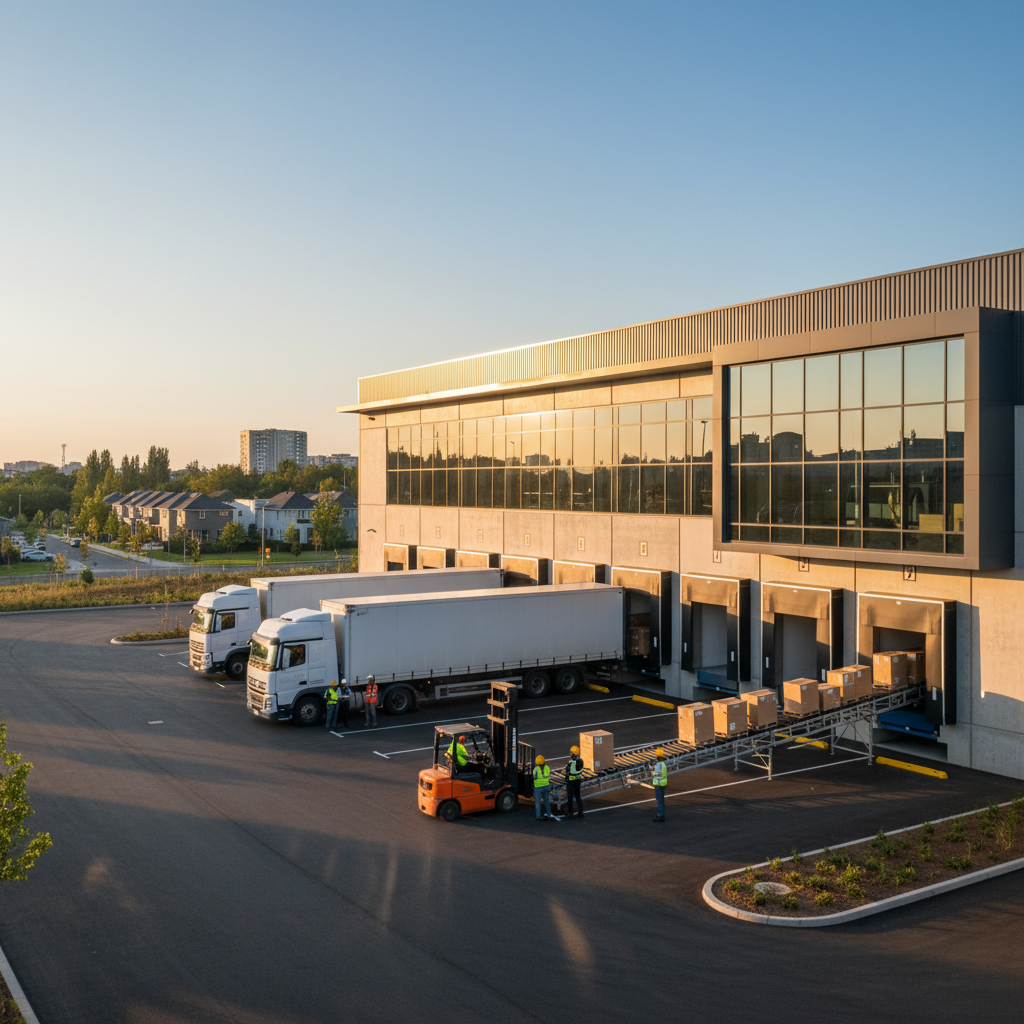
Here’s what’s really shaking things up in commercial real estate this year. First off, everyone wants warehouse space. I mean everyone. E-commerce isn’t slowing down, and companies are scrambling to figure out how to get packages to your door faster than ever. That means we need more distribution centers, fulfillment hubs, and last-mile delivery spots. It’s created this massive demand for industrial properties near major highways and airports.
But there’s more to the story. Sustainability isn’t just a nice-to-have anymore—it’s becoming a must-have. Developers are going all-in on green building certifications and energy-efficient designs. Why? Because tenants actually want these spaces now, and they’re willing to pay for them. Smart move, considering they usually end up saving money on utilities too.
The office world? That’s where things get really interesting. Remember when we all thought remote work would kill office buildings? Well, it didn’t. Instead, it forced a complete rethink of what office space should actually do. Now we’re seeing flexible layouts everywhere—co-working areas, collaboration zones, spaces that can shift and adapt based on what teams need that day. Companies want their offices to be places people actually want to come to, not just have to come to.
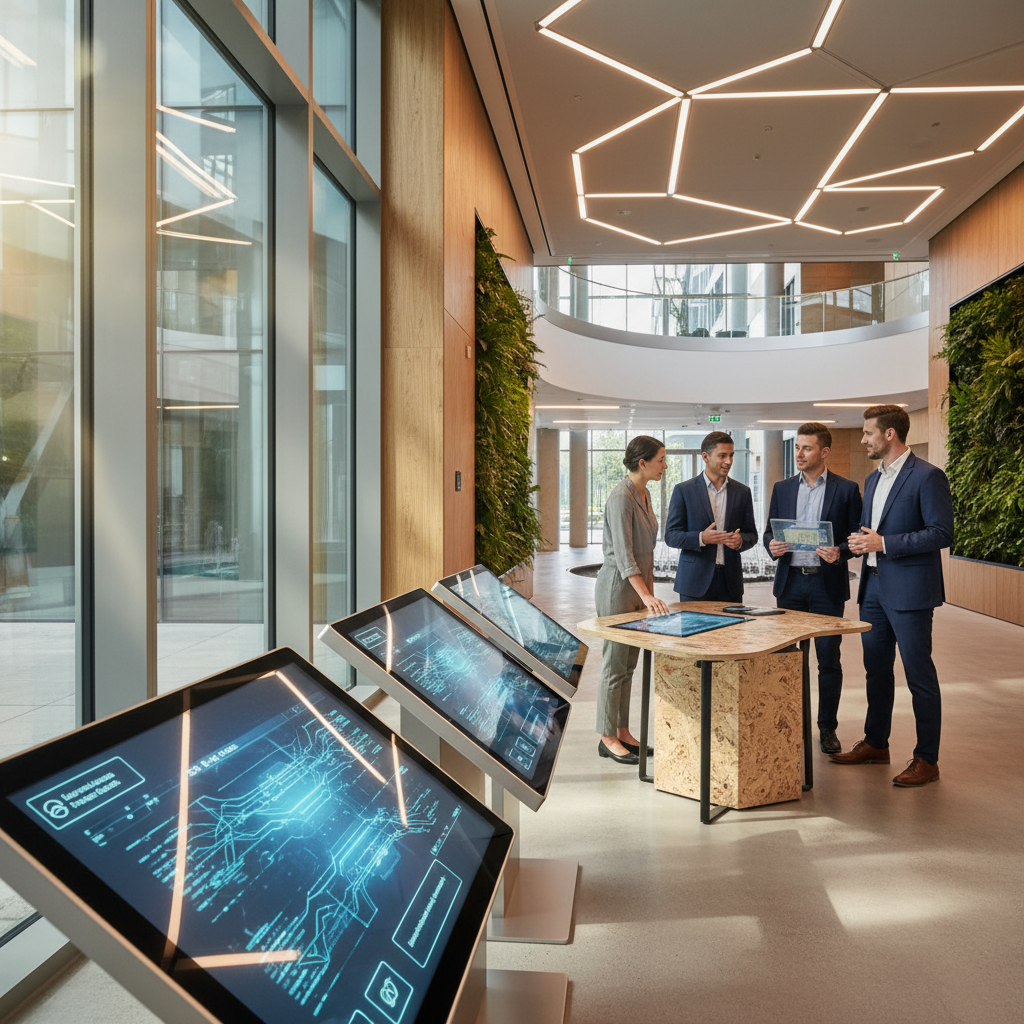
Technology is weaving into everything too. We’re talking smart buildings with sensors that track everything from energy usage to when the conference room needs cleaning. It’s not science fiction—it’s happening right now, and it’s making buildings run smoother and cheaper. If you want to dig deeper into where the broader market is heading, check out the real estate market outlook for 2025. It breaks down the economic drivers and regional differences that are shaping all these trends.
Now, let’s talk about the stuff that’s really getting people excited. Data centers are exploding. Every company needs cloud storage, every app needs servers, and all that digital infrastructure has to live somewhere. These aren’t your typical commercial buildings—they need serious security, backup power, and locations that make sense for network connectivity.
Mixed-use developments are having a moment too. Think about it: why separate where people live, work, shop, and hang out? Developers are creating these mini-communities where you can grab coffee downstairs, work upstairs, and maybe catch dinner with friends—all without getting in your car. It’s especially popular in areas where people want that walkable lifestyle.
Retail is reinventing itself as well. Online shopping didn’t kill physical stores, but it sure changed what they need to be. Now retail spaces are focused on experiences you can’t get online—demonstrations, events, social spaces. The successful retail properties are the ones that give people a reason to actually show up. For investors looking at these emerging property types, you’ll want to understand the tax implications. This guide on investment property tax deductions covers practical strategies to maximize returns on these growing asset classes.
Key Aspects of Current Commercial Real Estate Trends
These trends aren’t happening in isolation. They’re all connected, and understanding how they work together is crucial for making smart decisions.
- Surge in Industrial and Warehouse Demand: E-commerce growth is driving crazy demand for distribution space. We’re talking high-ceiling warehouses with sophisticated sorting systems, usually located near major transportation hubs. These properties are becoming economic engines for entire regions.
- Adoption of Sustainable Building Practices: Green isn’t just good PR anymore. LEED certifications, solar panels, efficient HVAC systems—they’re reducing operating costs and helping buildings meet increasingly strict environmental regulations.
- Flexible Office and Workspaces: The hybrid work revolution means offices need to do more than just house desks. We’re seeing short-term lease options, modular furniture systems, and designs that prioritize collaboration and creativity over rigid cubicle farms.
- Growing Role of Technology: Smart building systems are monitoring everything in real-time—energy consumption, maintenance needs, occupancy patterns. It’s making property management more efficient and tenant experiences much better.
As these trends continue to evolve and intersect, staying ahead of the curve isn’t just helpful—it’s essential. The properties and strategies that work today might not work tomorrow, so keeping your finger on the pulse of these changes is what separates successful investors from everyone else.
Factors Driving Commercial Real Estate Trends
So what’s actually causing all these changes? Let’s start with the big one: money. Interest rates and financing availability basically control everything in real estate. When rates are low, deals happen. When they’re high, things slow down. Recent fluctuations have created this interesting dynamic where some investors are sitting on the sidelines while others are jumping in, thinking they can time the market.
Then there’s the human element. People are moving, and where they go, commercial real estate follows. The suburban shift that started during the pandemic? It’s still happening, and it’s creating demand for office and industrial space in places that didn’t have much before. Meanwhile, urban areas are doubling down on mixed-use projects and high-tech buildings to attract the workers who are staying in cities.
Government policy plays a bigger role than most people realize. Tax incentives for green buildings, zoning changes that allow mixed-use development, infrastructure spending that makes certain areas more attractive—all of this shapes where smart money flows. If you’re trying to navigate these economic waters, these real estate investment tips offer solid guidance on working with (rather than against) these macro trends.
But here’s where it gets really interesting: technology isn’t just changing how buildings work—it’s changing how we buy, sell, and manage them. Building automation systems are cutting operating costs while improving tenant satisfaction. Big data analytics are helping investors spot opportunities and avoid mistakes with insights that just weren’t available before.
The way we find and lease space is completely different now too. Virtual tours aren’t just a COVID thing anymore—they’re standard practice. Online platforms are making it easier to compare properties across different markets, which is creating more competitive pricing and better deals for tenants. Want to understand how these tech trends might affect real estate even more? Check out the latest technology trends for 2025. It gives you a broader view of where innovation is heading.
Key Influences Driving Market Shifts
Several major forces are working together to shape where commercial real estate goes next.
- Economic Conditions and Financing: Interest rates determine who can afford to buy and build, while government incentives guide investment toward specific types of projects (especially sustainable ones).
- Labor Market Dynamics and Urban Migration: Job growth in different sectors and population movements between cities and suburbs create demand in unexpected places while leaving gaps in others.
- Technological Integration: Building automation and data analytics are optimizing everything from energy usage to space utilization, making properties more profitable and tenant-friendly.
- Virtual Leasing and Marketplaces: Online platforms and virtual tours are expanding market reach, streamlining transactions, and making the whole process more transparent and competitive.

Commercial real estate in 2025? It’s a whole different game than what we saw just a few years ago. The biggest shift? Everyone wants warehouses and logistics hubs. Makes sense when you think about it—we’re all ordering everything online these days, and those packages need somewhere to live before they show up at your door. But here’s what’s really interesting: sustainability isn’t just a nice-to-have anymore. Green building designs and energy-efficient tech have become must-haves. Tenants demand it, regulations require it, and honestly? It just makes good business sense.
Then there’s the office space revolution. Remember those massive, sterile corporate floors with endless cubicles? Yeah, those are mostly history now. The pandemic changed everything about how we work, and flexible, collaborative spaces are taking over. People want adaptability—spaces that can shift and change based on what teams actually need. And let’s talk about technology for a second. Smart building systems aren’t just cool gadgets anymore; they’re transforming how properties operate and how tenants experience their spaces. Plus, we’re seeing entirely new asset classes pop up—data centers, mixed-use developments—creating investment opportunities that didn’t even exist a decade ago.
Now, what’s driving all this change? Well, it’s complicated (isn’t it always?). Interest rates keep everyone on their toes, the job market shifts faster than ever, and government policies can flip the script overnight. But it’s not just economics. Social changes matter just as much. People are moving from cities to suburbs, work models keep evolving, and these shifts create ripple effects across different regions. Technology keeps disrupting everything too—automation, big data, online leasing platforms. It’s like trying to hit a moving target, but that’s also where the opportunities hide.
So what can you actually do about all this? Start by getting smart about the bigger picture. If you want to understand how economic and regional factors shape commercial real estate, check out the real estate market outlook for 2025—it’ll give you the context you need. Looking to maximize returns? Learning how to calculate ROI in real estate is absolutely essential. Don’t sleep on taxes either—our guide on investment property tax deductions can seriously optimize your financial strategy. And when it comes to practical tools, real estate market analysis tools and real estate contract templates are game-changers for navigating transactions confidently. For a broader perspective, real estate investment tips from finance experts offer insights that complement commercial property strategies perfectly.
Here’s the bottom line: this market rewards the prepared and punishes the passive. Yes, everything’s changing faster than ever. But that’s exactly why staying informed and being proactive gives you such a massive advantage. Whether you’re fine-tuning your investment approach, managing properties, or just starting out, the insights and tools we’ve covered here set you up for success. Want to keep learning? Consider exploring online real estate courses to stay ahead of the curve. Remember—in commercial real estate, your best assets aren’t just the properties you own. They’re the knowledge you gain and the smart moves you make with that knowledge.
Frequently Asked Questions
-
What are the biggest commercial real estate trends in 2025?
- Key trends include a surge in industrial and warehouse demand, emphasis on sustainable building designs, growth of flexible office spaces, and increased technology integration in properties.
-
How do economic factors affect commercial real estate?
- Interest rates, job market shifts, and government policies directly impact financing availability, property demand, and investment strategies in the commercial real estate sector.
-
What regional differences impact commercial property markets?
- Urban centers often focus on mixed-use, high-tech developments, while suburban areas experience growth in industrial and flexible office spaces due to migration and economic dynamics.
-
How can investors adapt to changing trends?
- By staying informed on market shifts, diversifying portfolios across emerging asset classes, and leveraging technology and sustainability to optimize investments.
-
When should I consult a commercial real estate expert?
- Consult experts when facing complex market changes, evaluating large investments, or needing professional guidance for regulatory compliance and strategic planning.